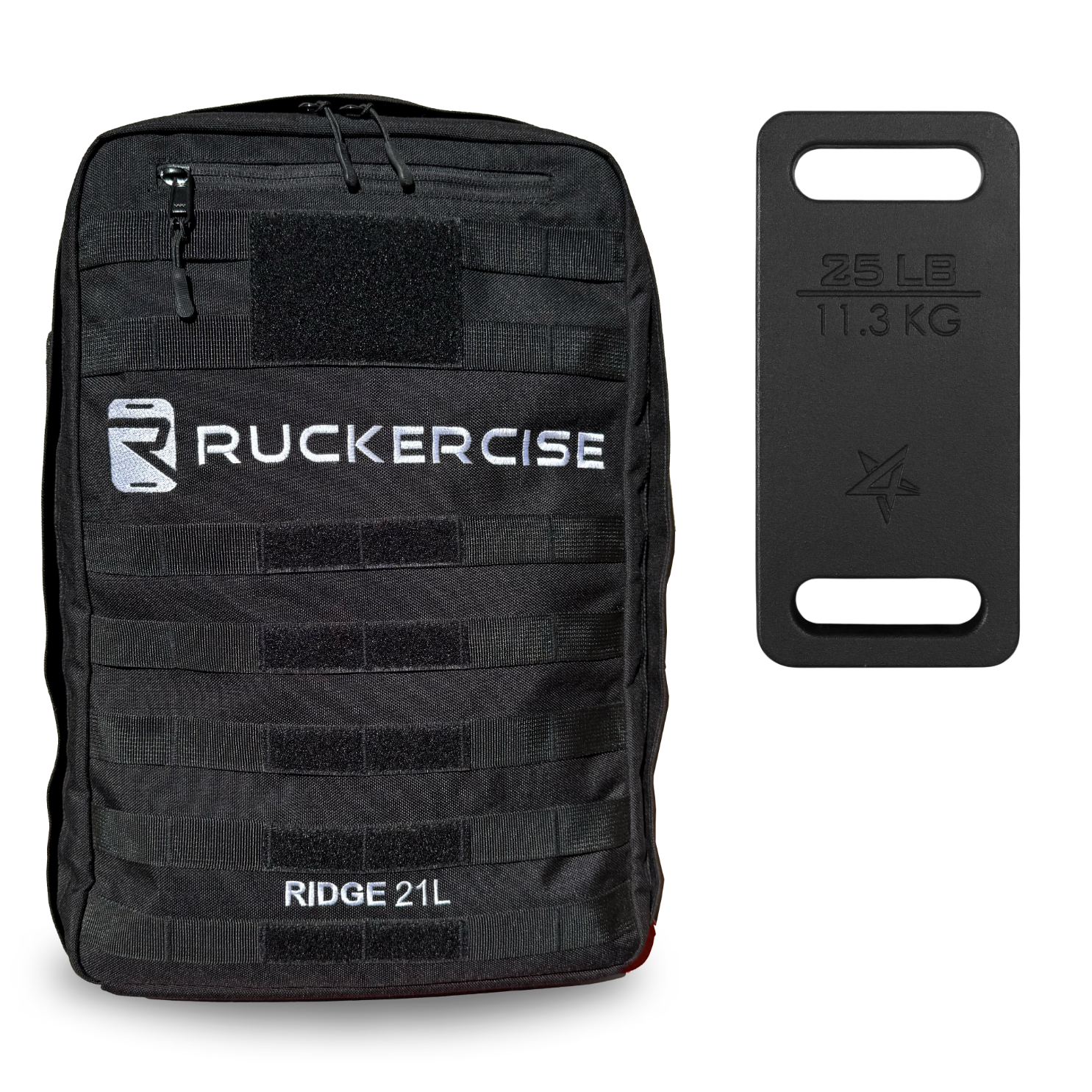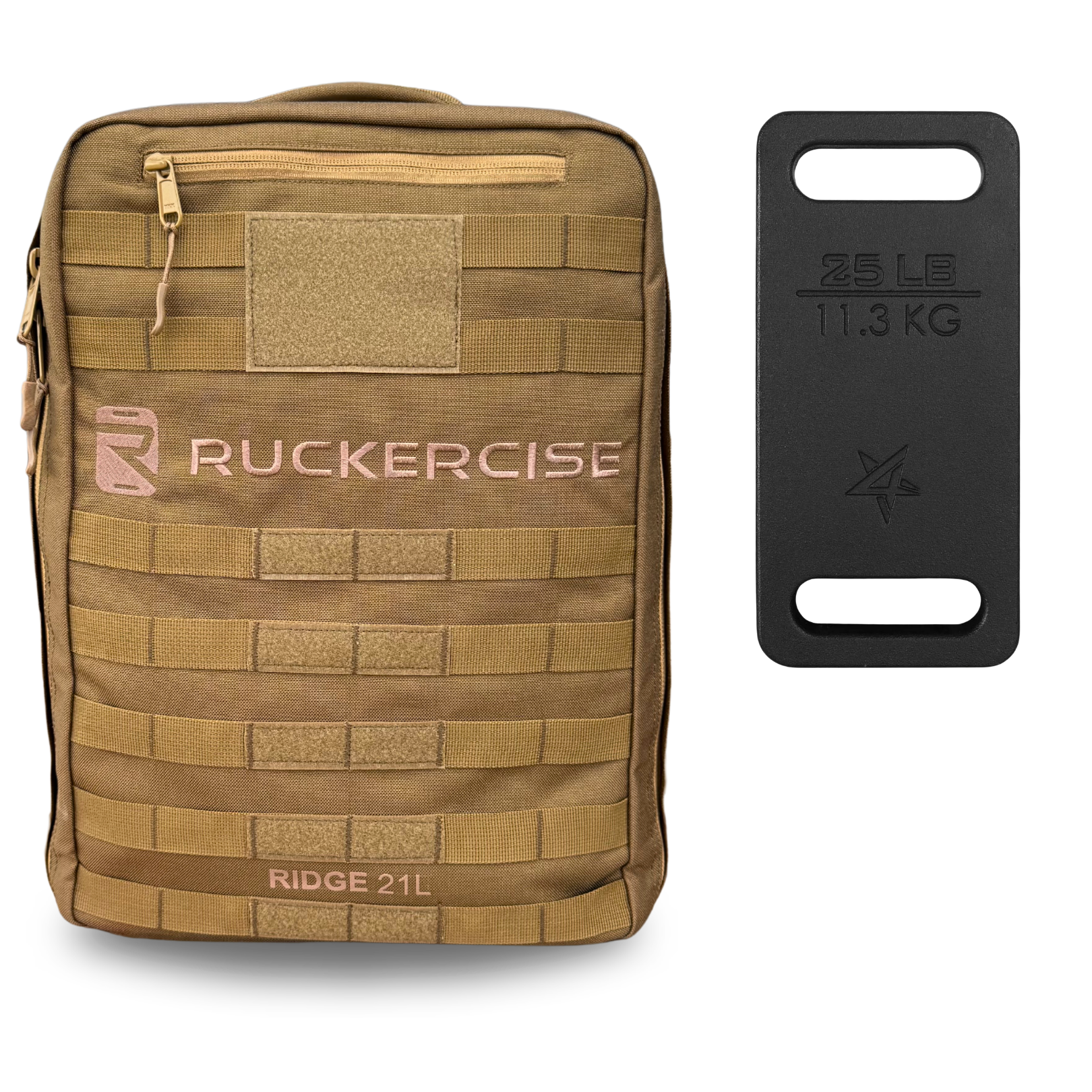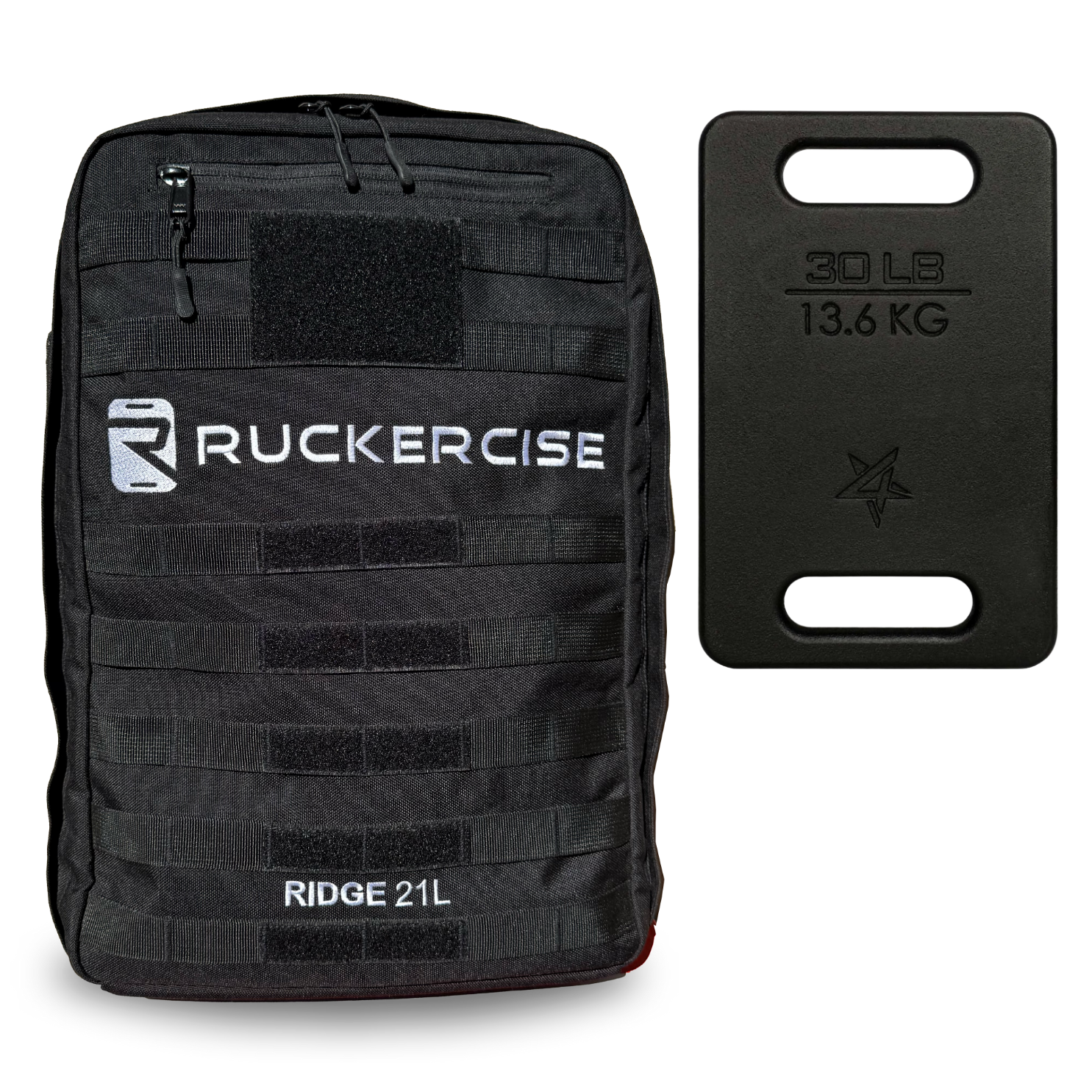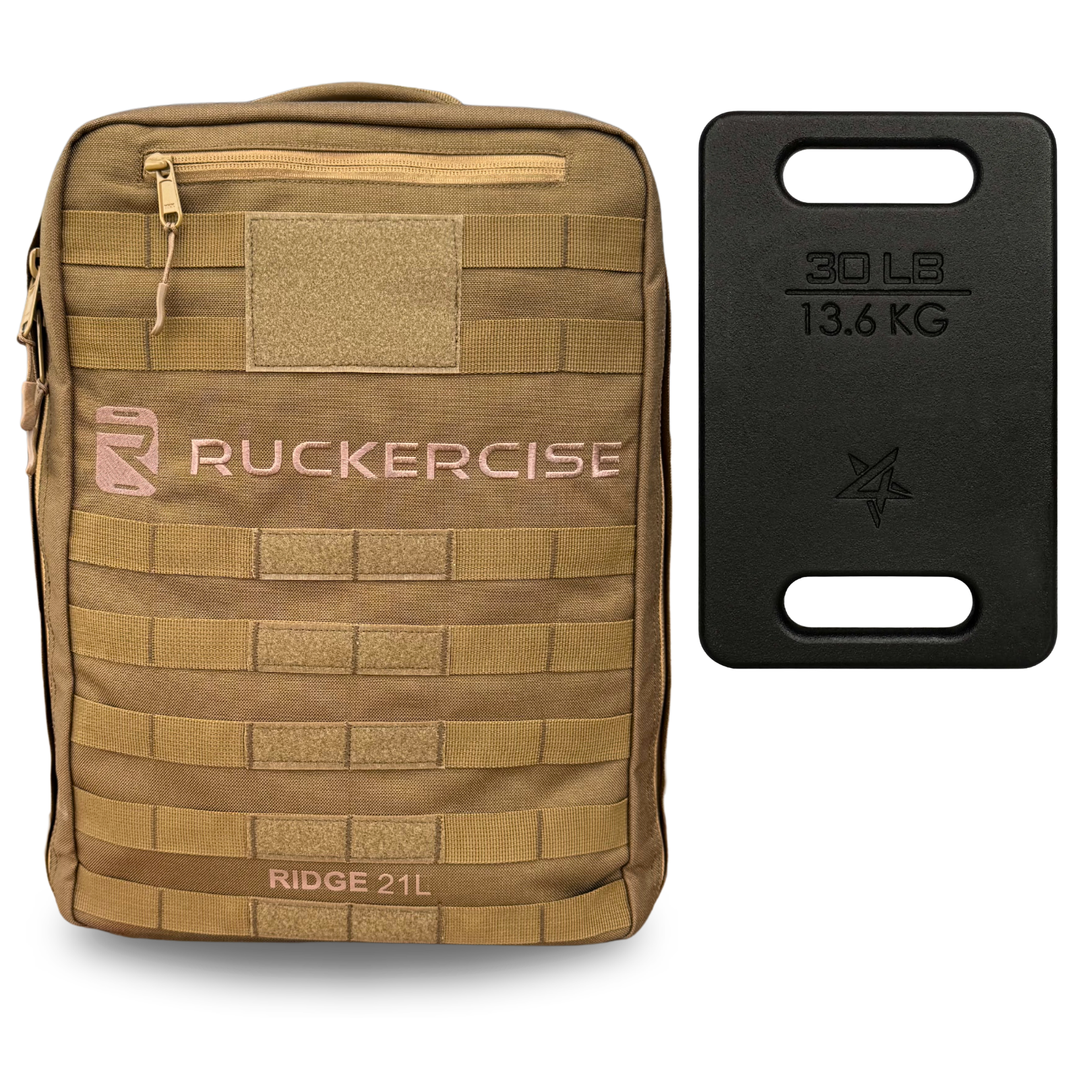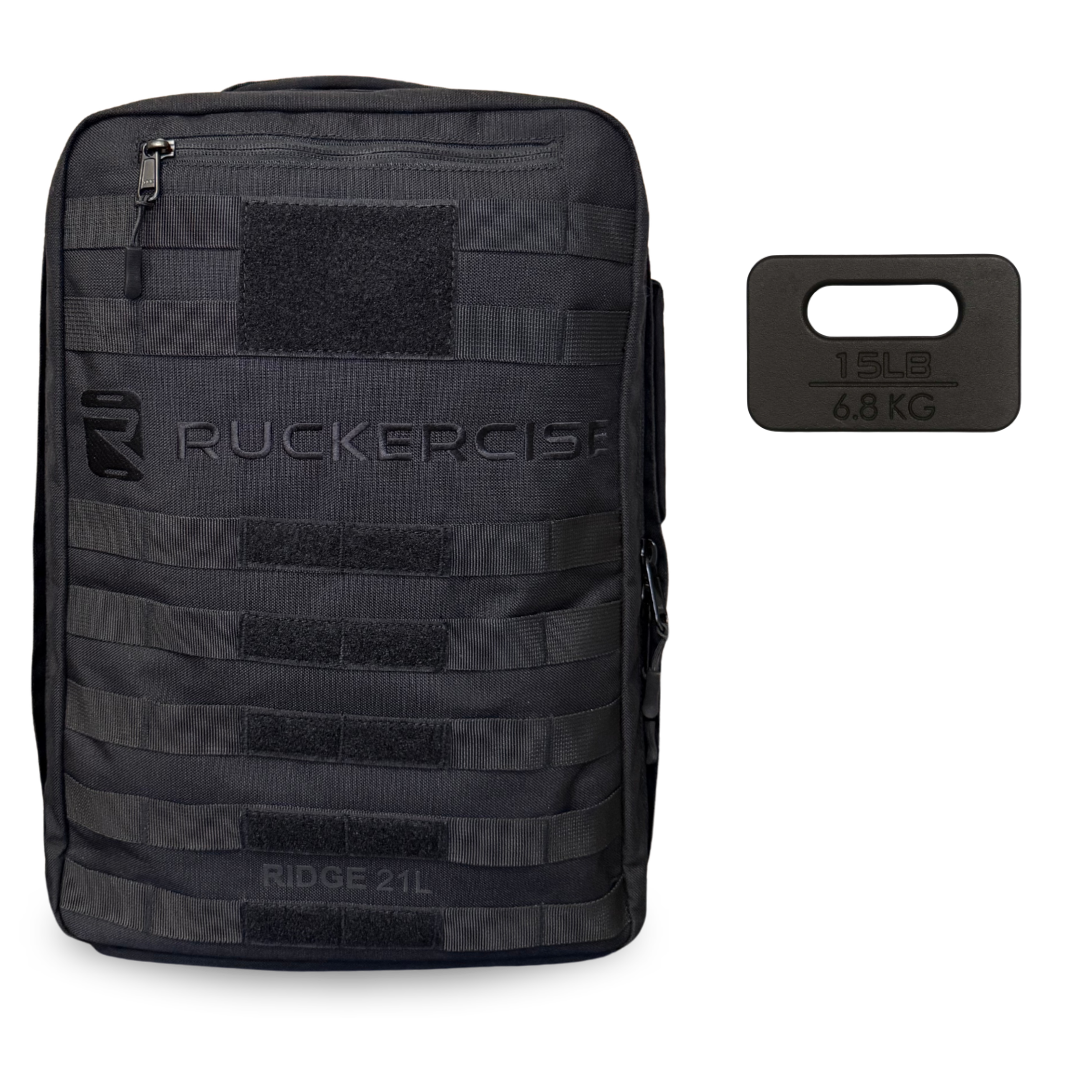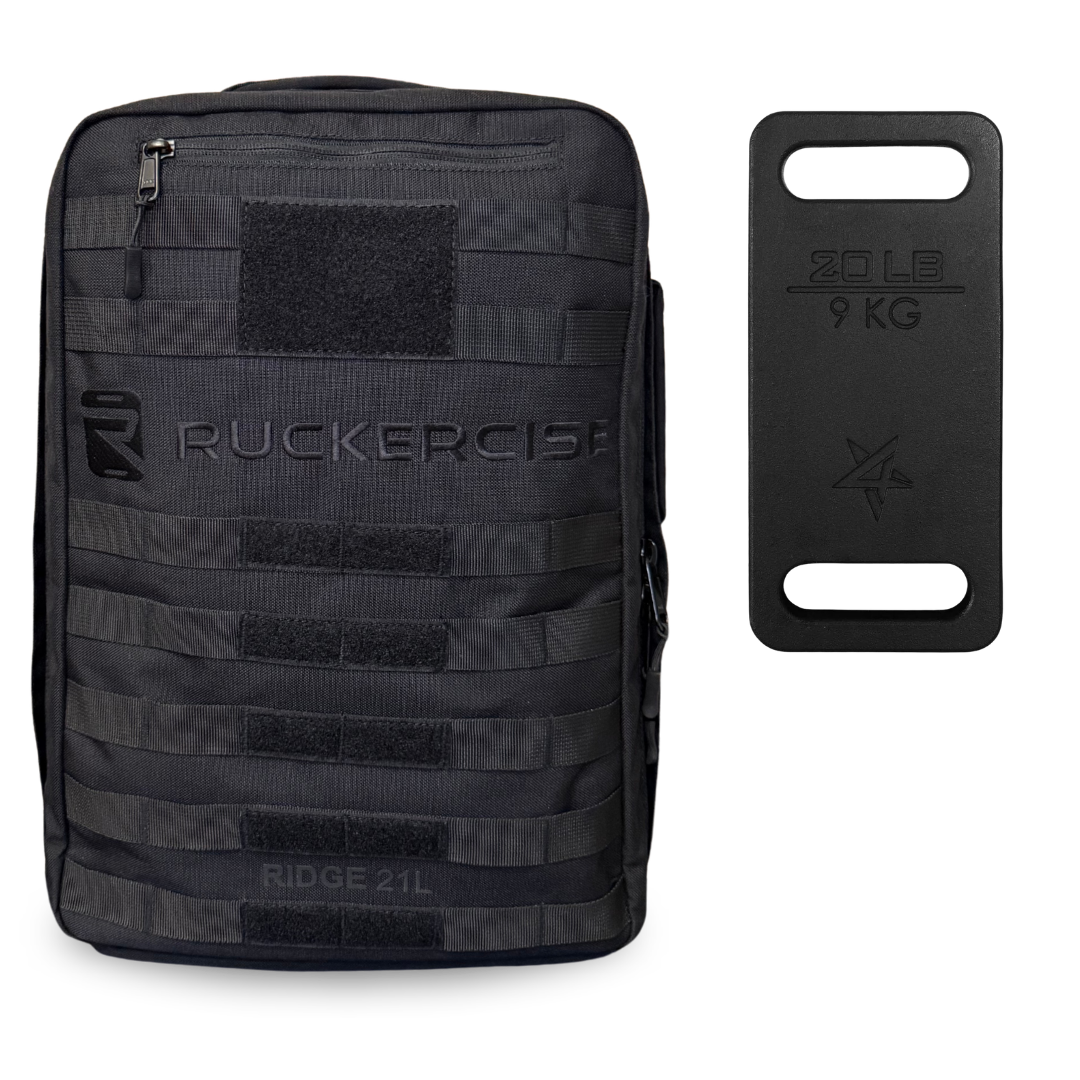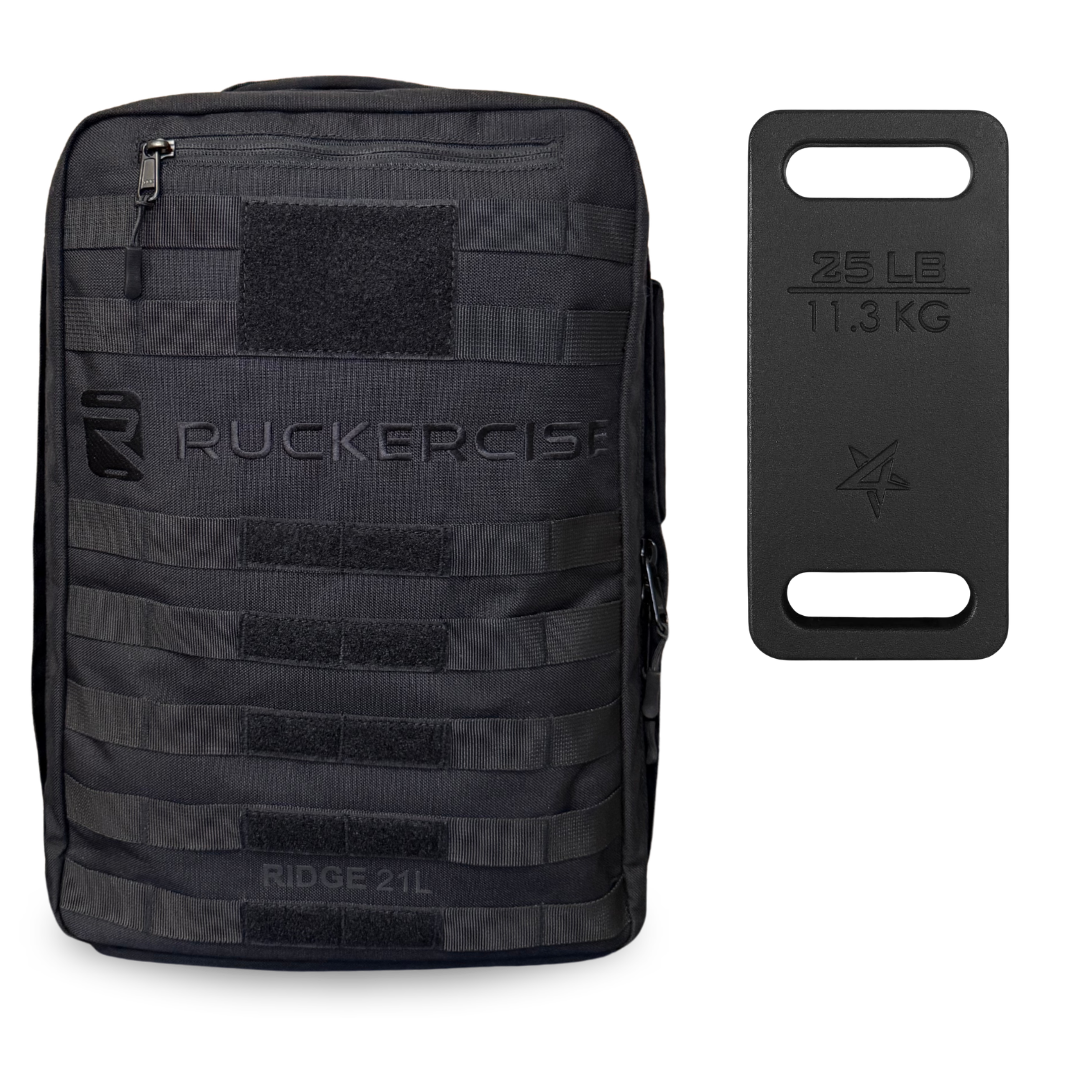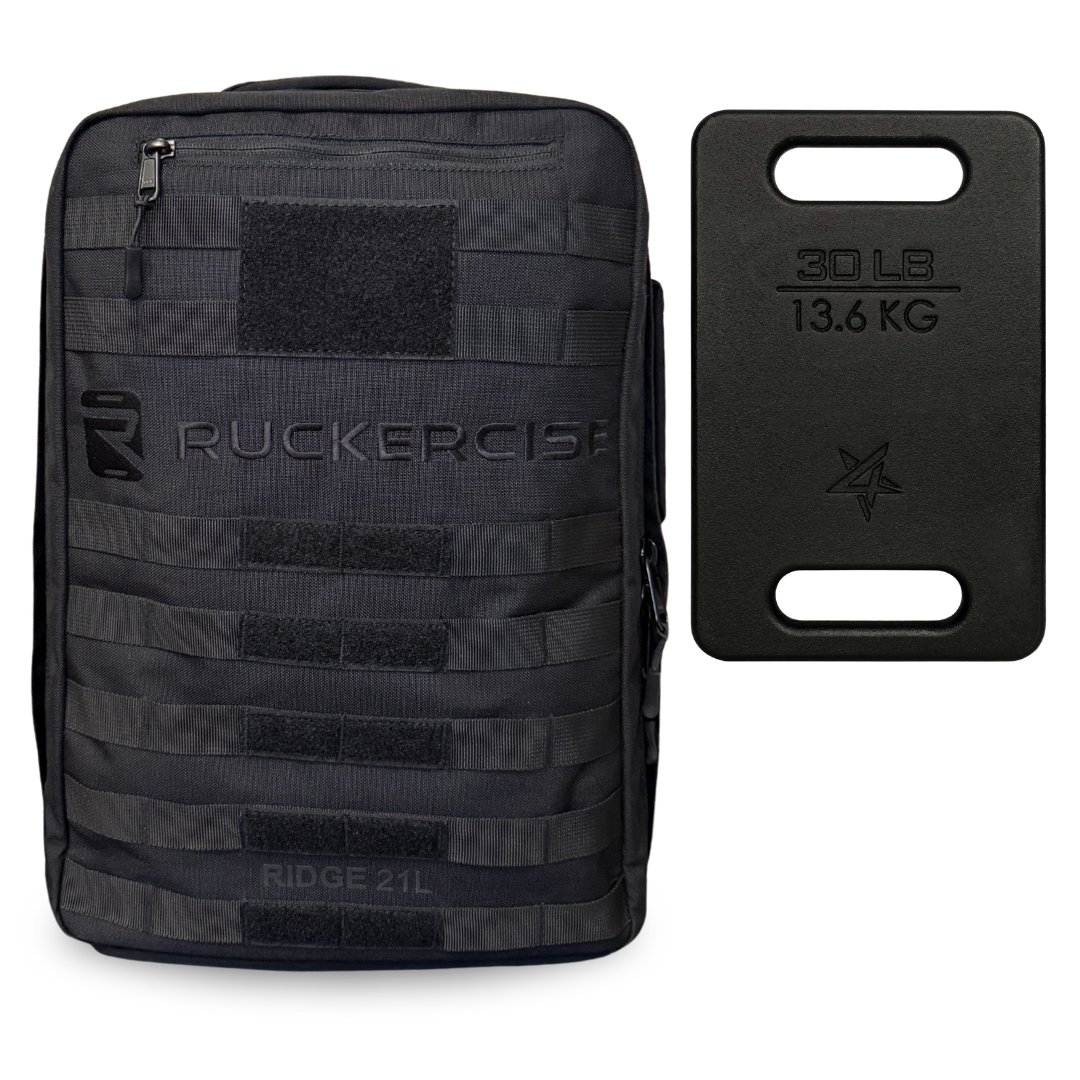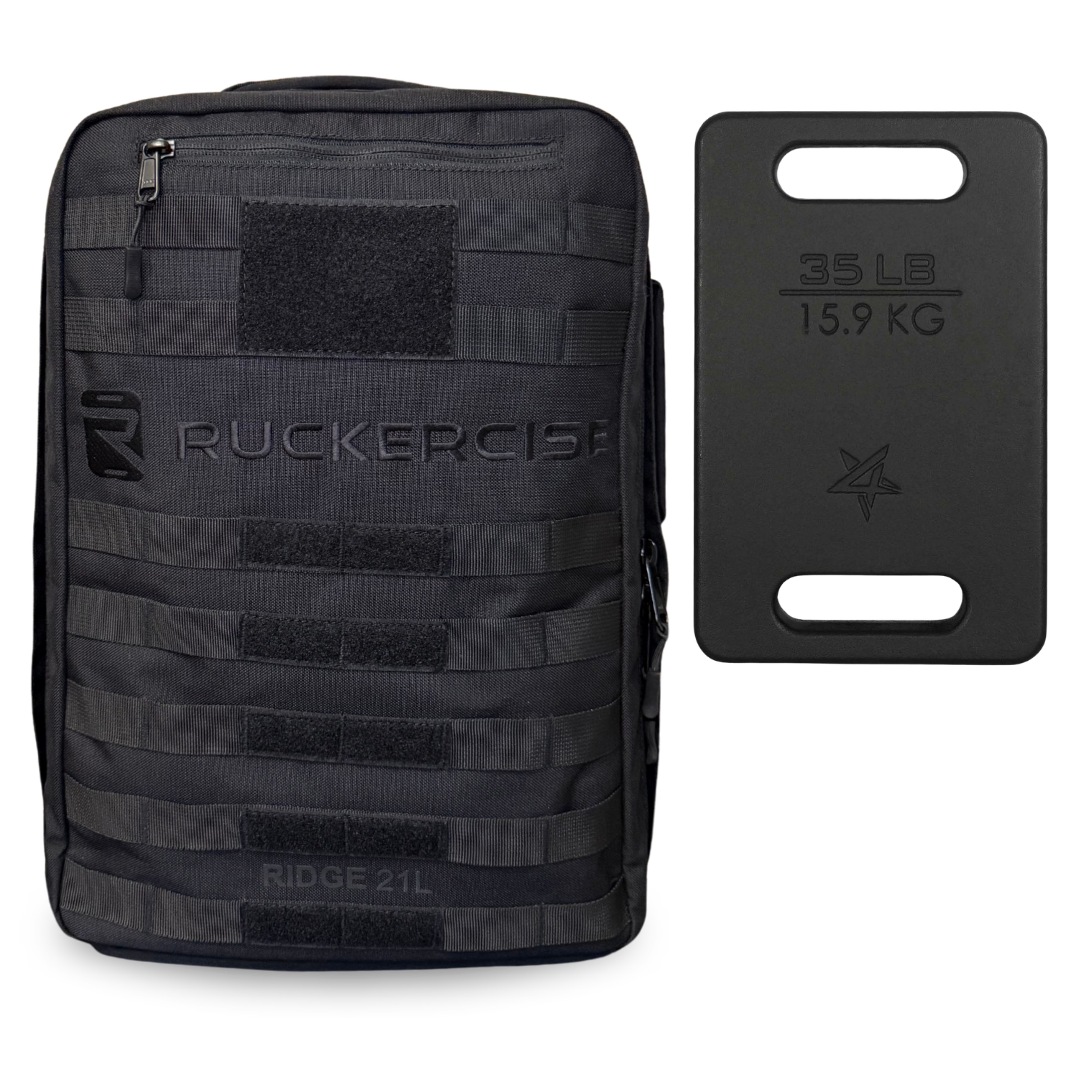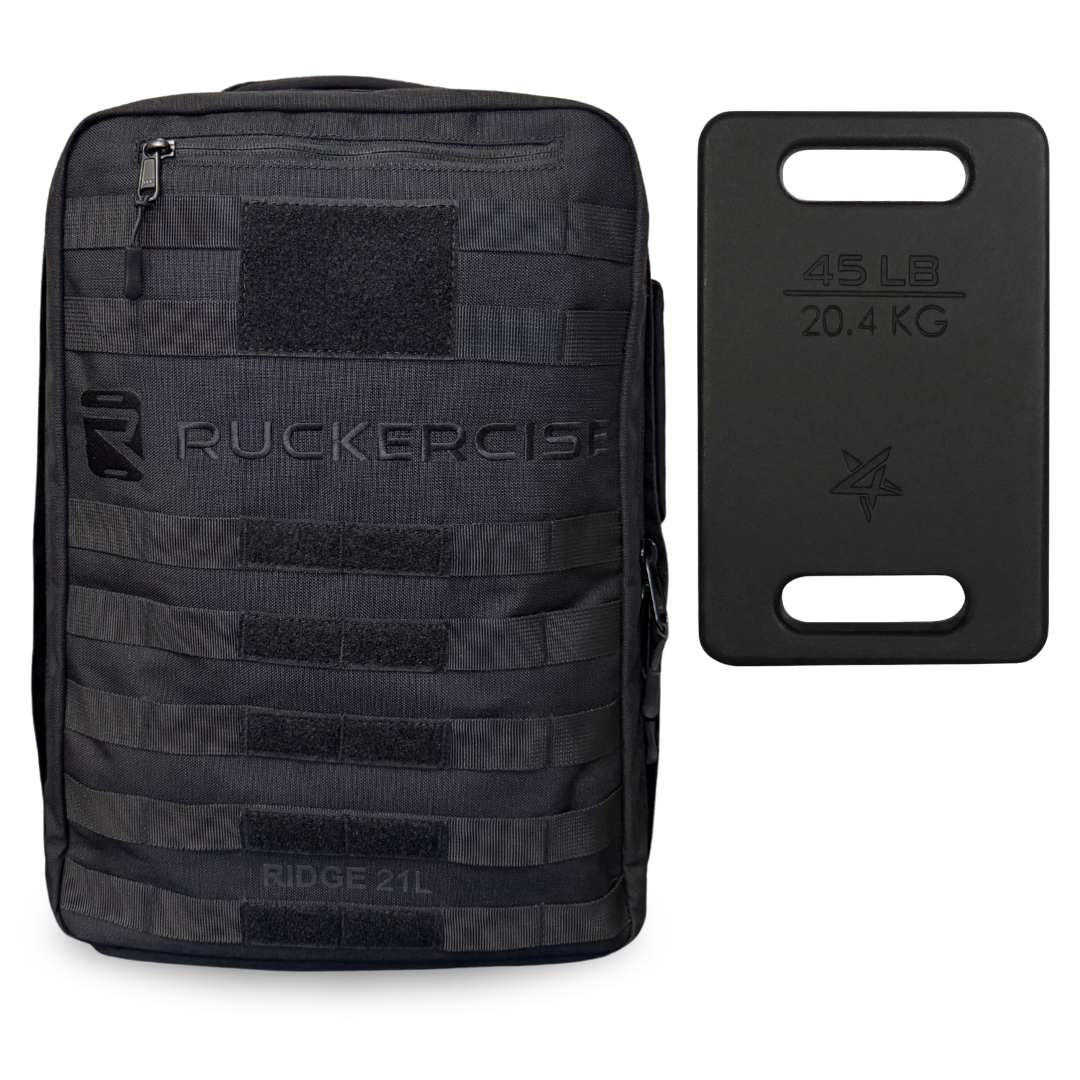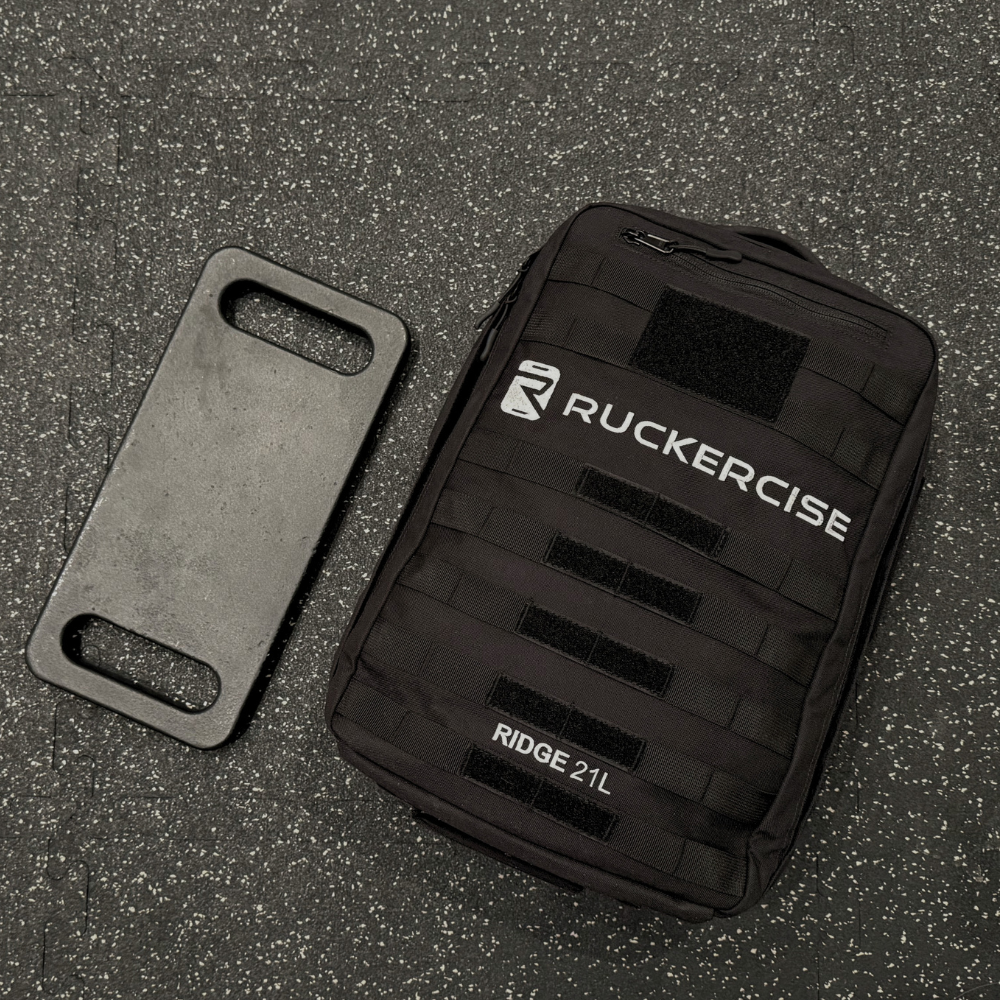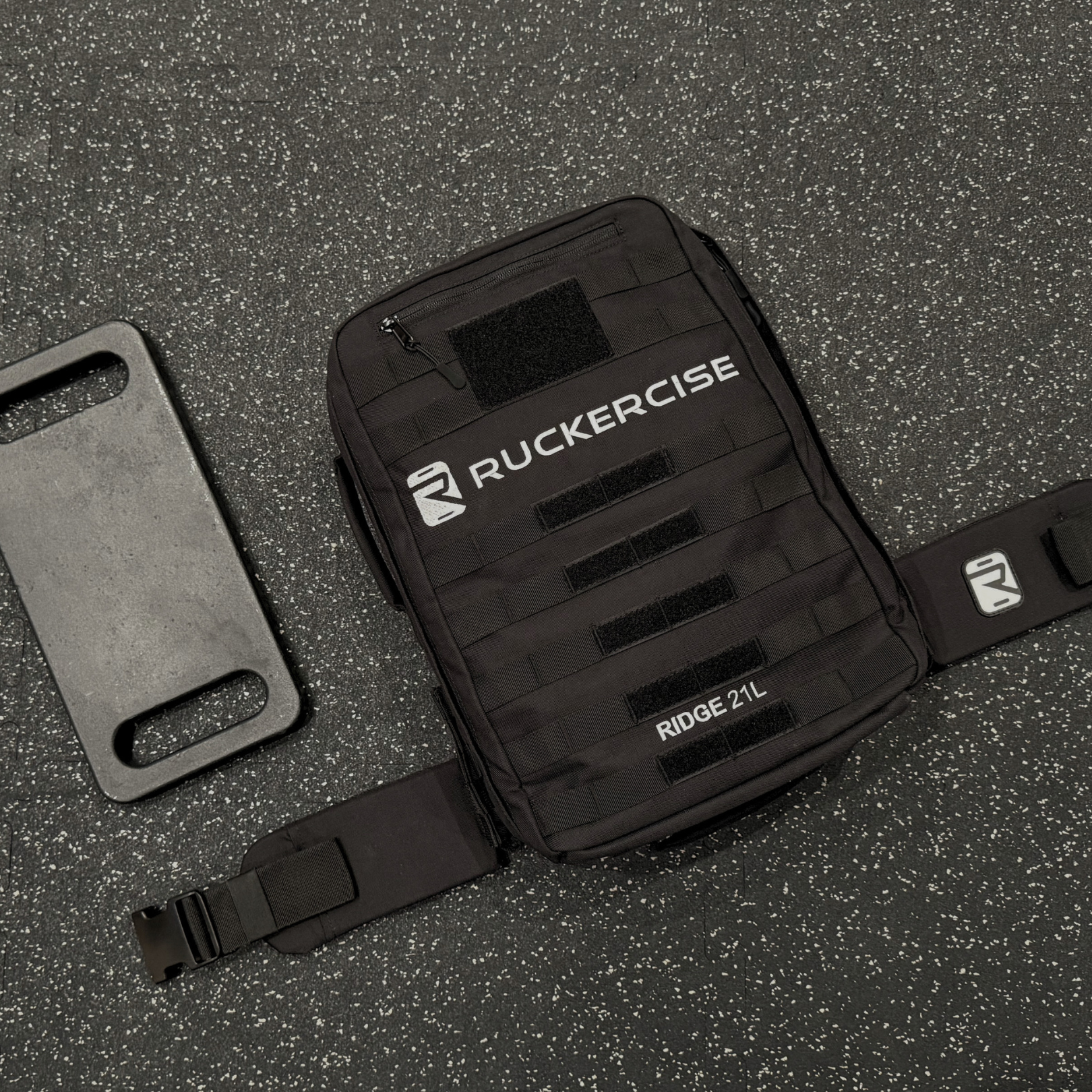


Rucking, the simple act of walking with a weighted backpack, is gaining popularity as a versatile and effective fitness activity. This full-body workout offers numerous benefits that make it appealing for both fitness enthusiasts and casual exercisers. Let's explore how rucking can significantly enhance your strength and endurance.
Full-Body Workout with Enhanced Caloric Burn
Rucking is an exceptional full-body workout that seamlessly combines cardio and strength training. By adding weight to your back, you engage multiple muscle groups simultaneously, including your legs, core, back, and shoulders. This added resistance not only strengthens these areas but also significantly boosts calorie expenditure. Rucking burns more calories than walking the same route unloaded, and the gap widens as you add pace and hills, making it a time-efficient exercise option.
The beauty of rucking lies in its ability to improve overall fitness. A 2019 study found that participants had lower ratings of perceived exertion after a 10-week load carrying program, while their muscular power and oxygen intake also improved. This makes rucking an excellent choice for those looking to enhance their fitness levels without the high impact associated with running.
Improved Posture and Back Health
One of the standout benefits of rucking is its positive impact on posture and spinal health. As you walk with a rucksack, the weight encourages proper alignment by pulling your shoulders back. This natural correction combats the common tendency to hunch over, especially beneficial for those who spend long hours at desks.
The engagement of upper body muscles during rucking helps strengthen the back and shoulders, reducing the risk of injury and improving overall posture. Furthermore, rucking is low-impact compared to running, making it a safer option for maintaining joint health while still providing substantial physical benefits.
Mental Well-Being and Outdoor Connection
Rucking isn't just a physical exercise; it also promotes mental health. The rhythmic nature of walking combined with the weight of a backpack can serve as a form of mindfulness, helping to clear the mind and reduce stress. Additionally, rucking is typically done outdoors, which enhances mood through exposure to sunlight and fresh air—elements known to improve overall mental well-being and sleep quality.
Engaging in rucking can also foster a sense of community, especially when done in groups or with friends. This social aspect adds another layer of mental health benefits, combating feelings of isolation and promoting a sense of belonging.
In Closing
Rucking offers a unique blend of cardiovascular exercise, strength training, and mental health benefits. It's an accessible form of exercise that can be adapted to various fitness levels and goals. Whether you're looking to improve your overall fitness, strengthen your back and posture, or simply find a new way to enjoy the outdoors, rucking provides an excellent solution.
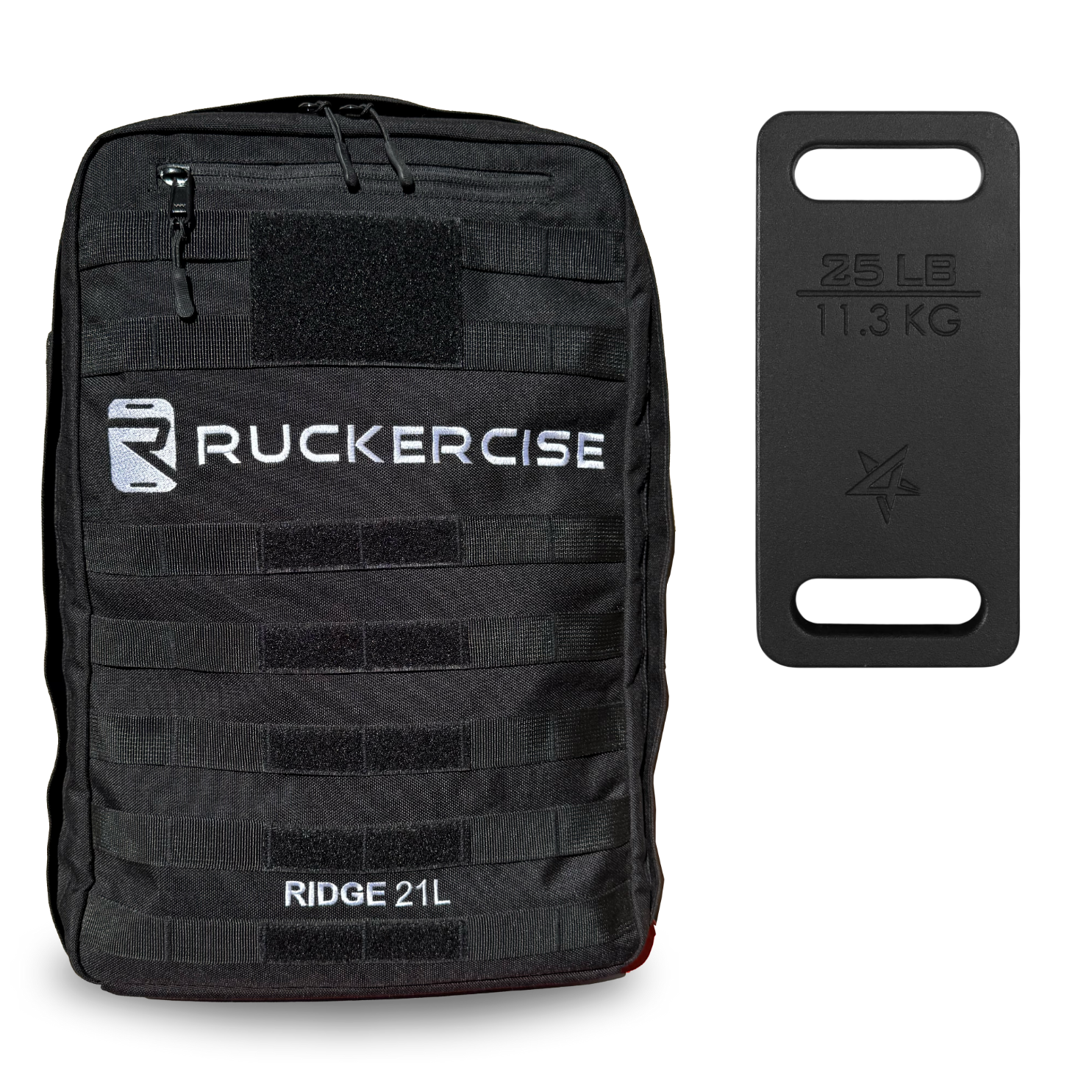
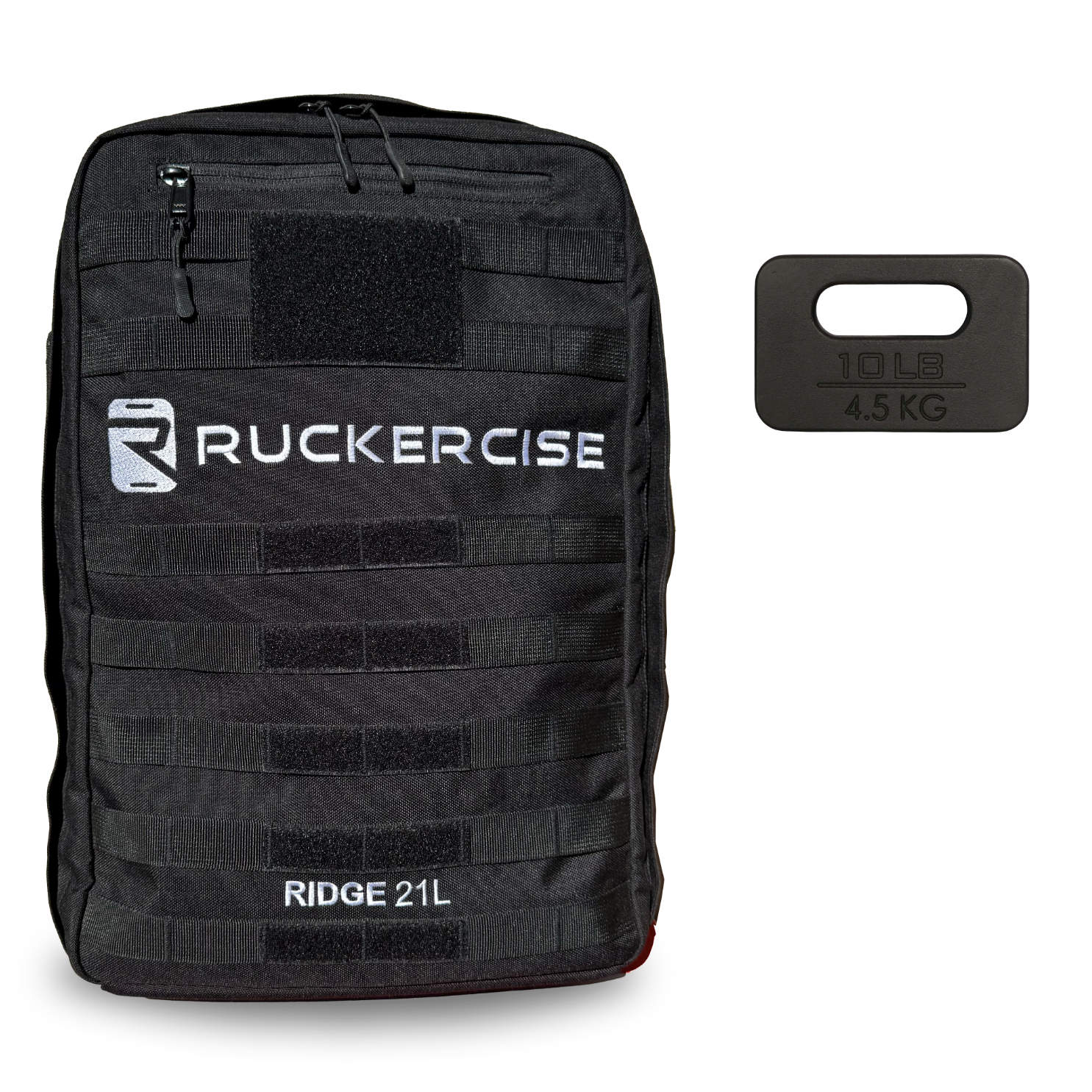
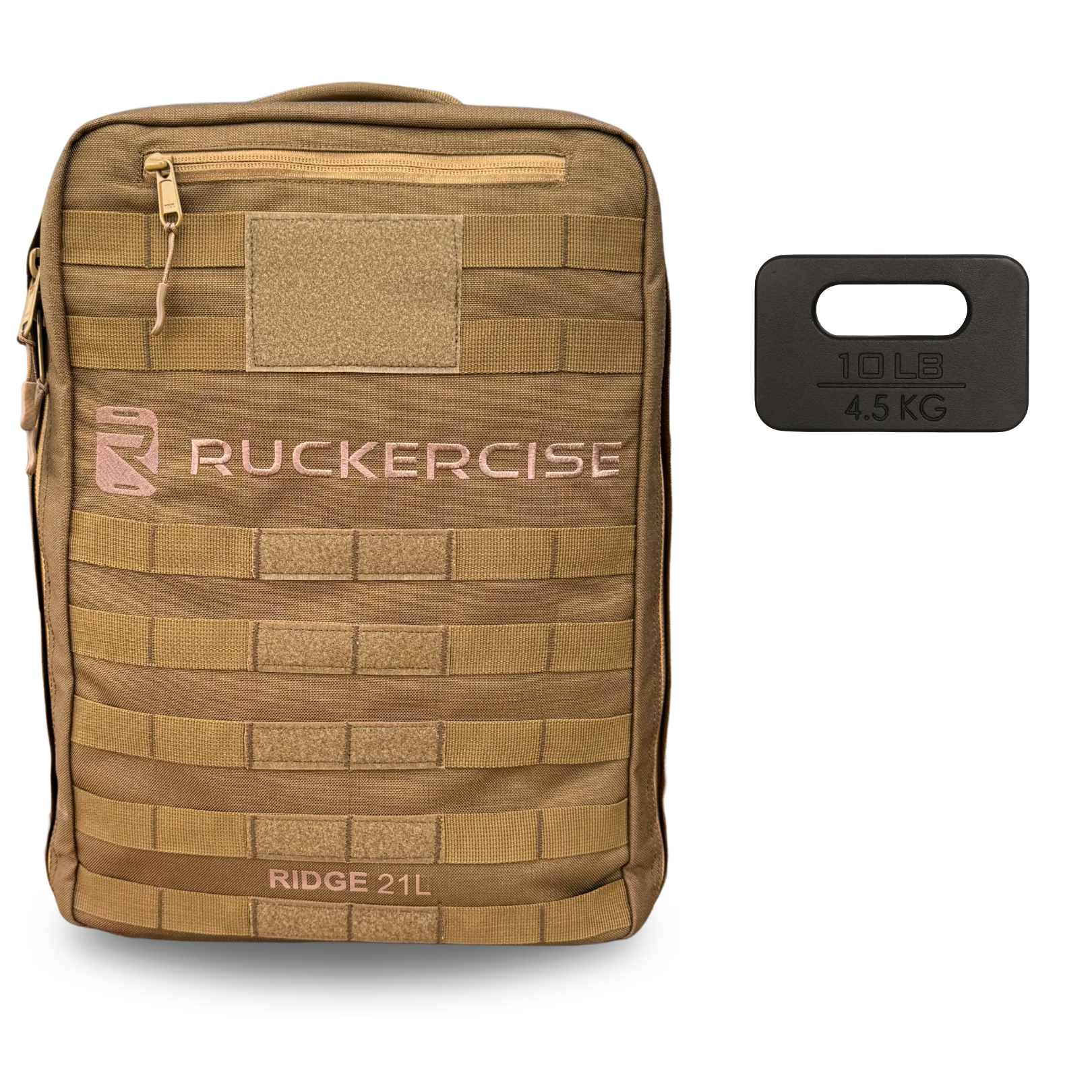
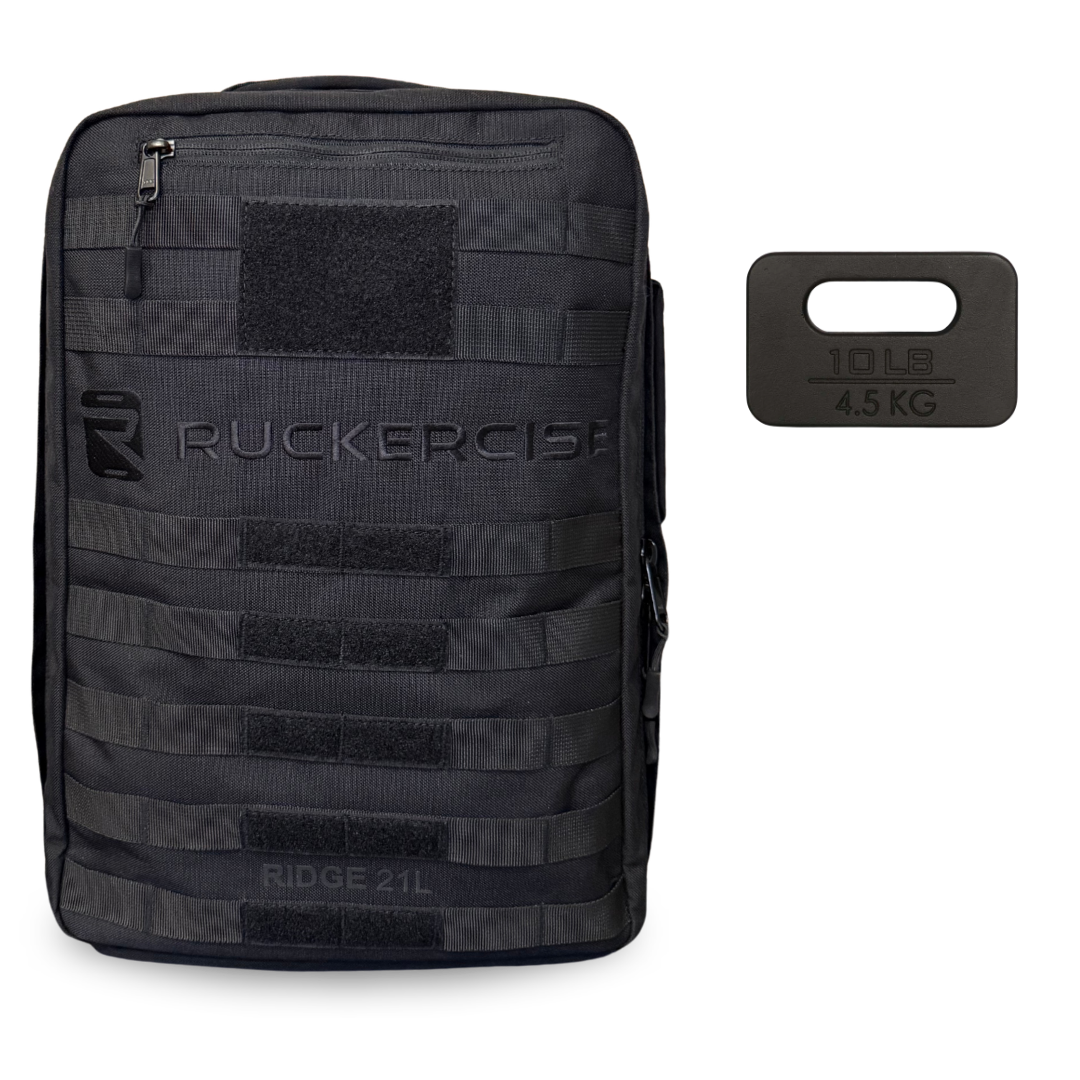
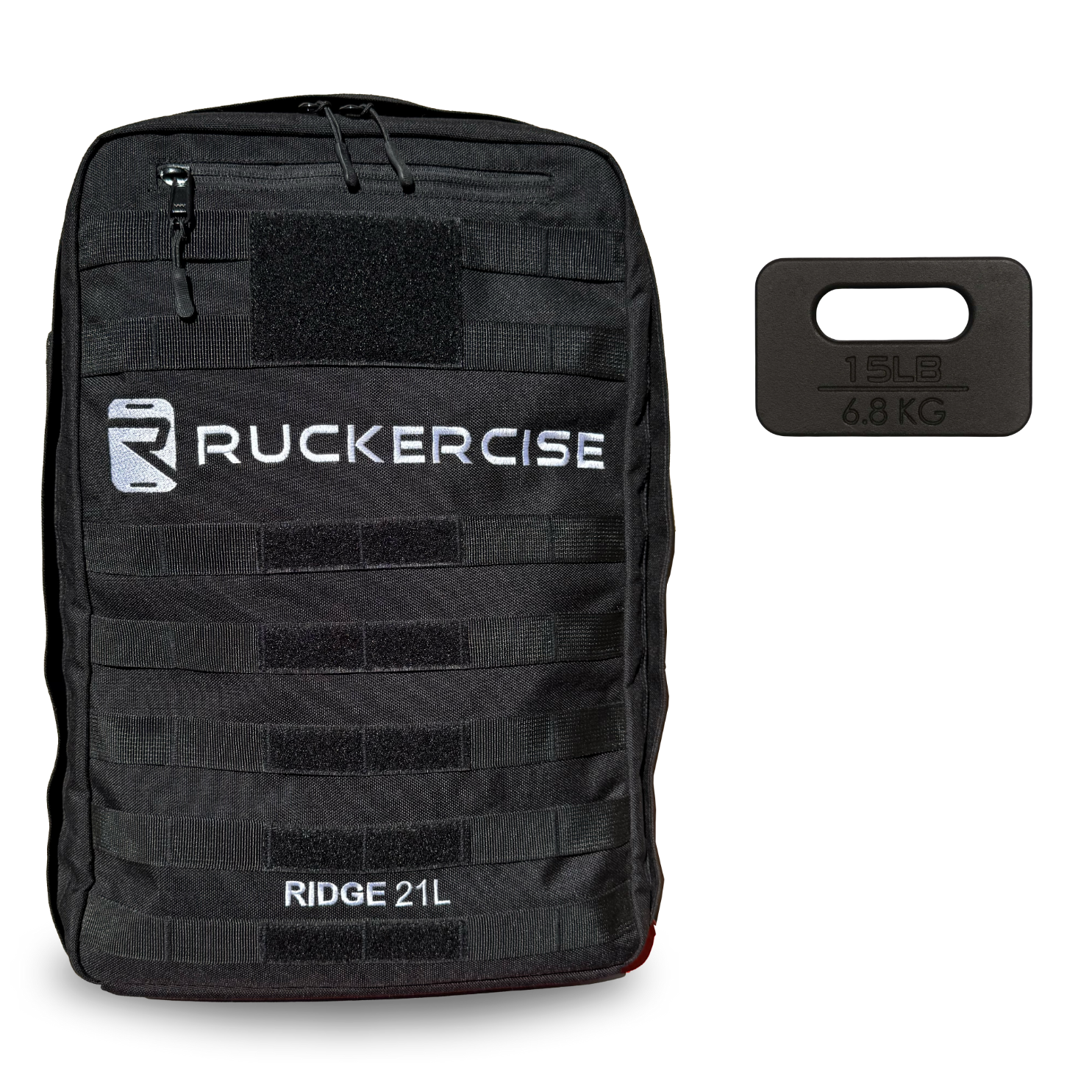
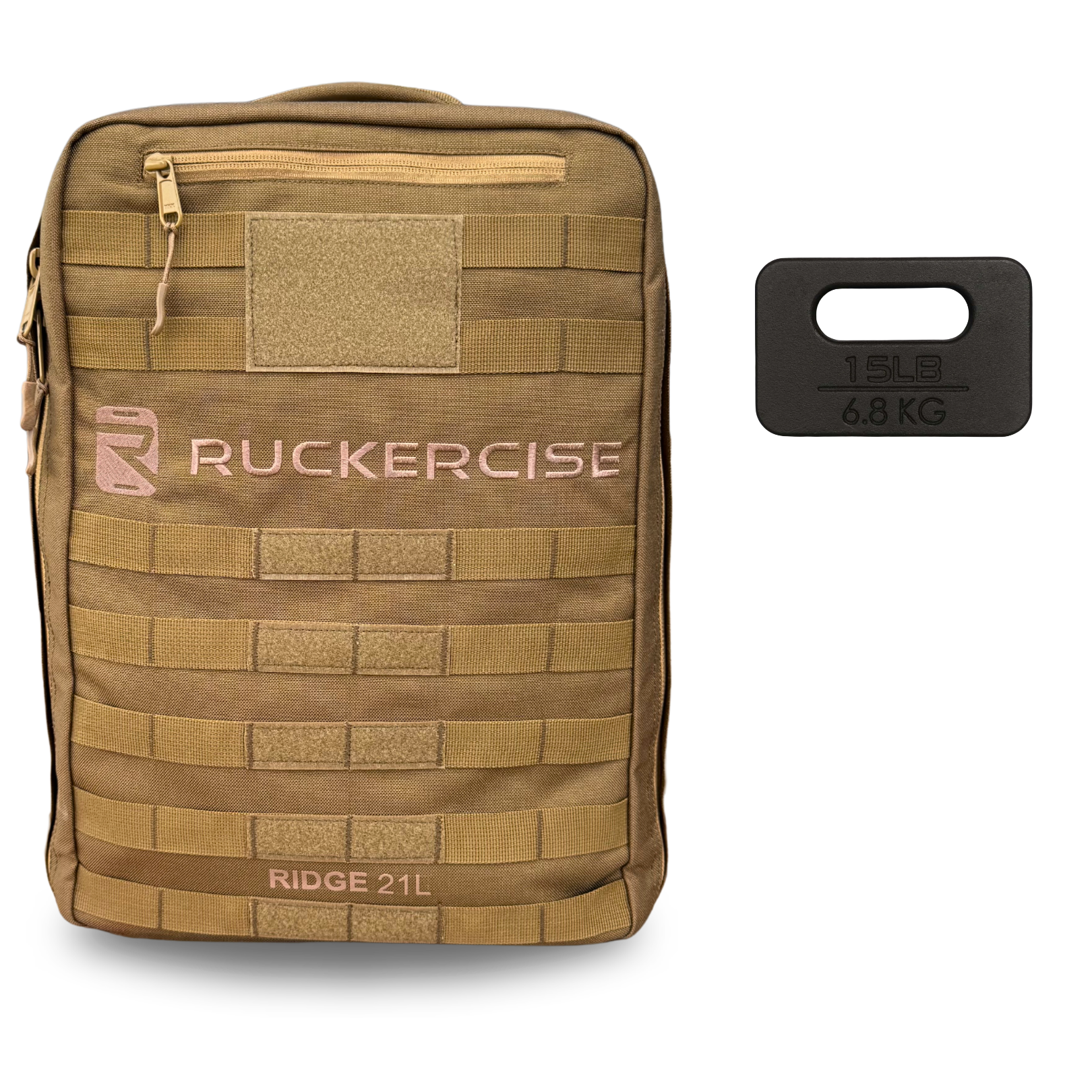
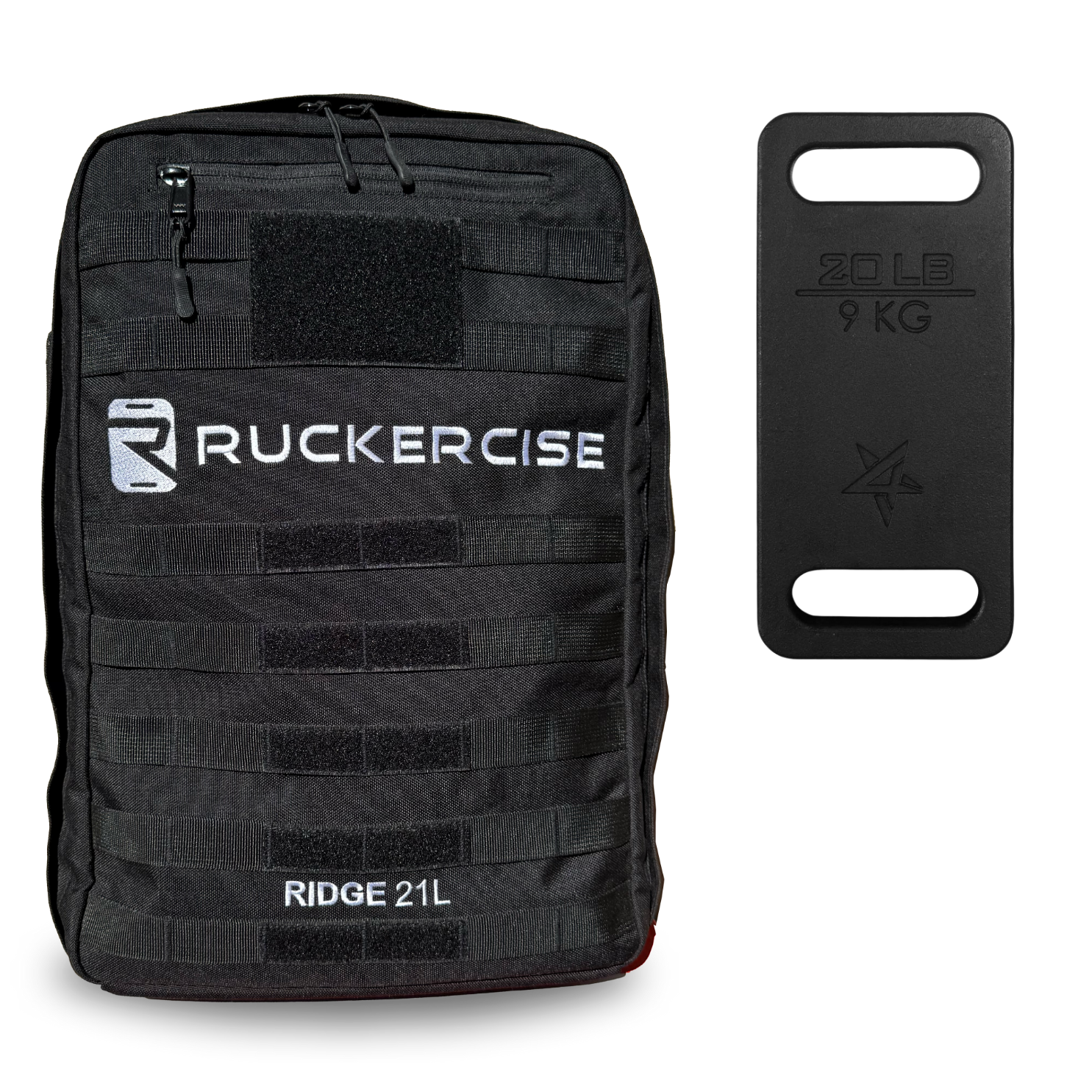
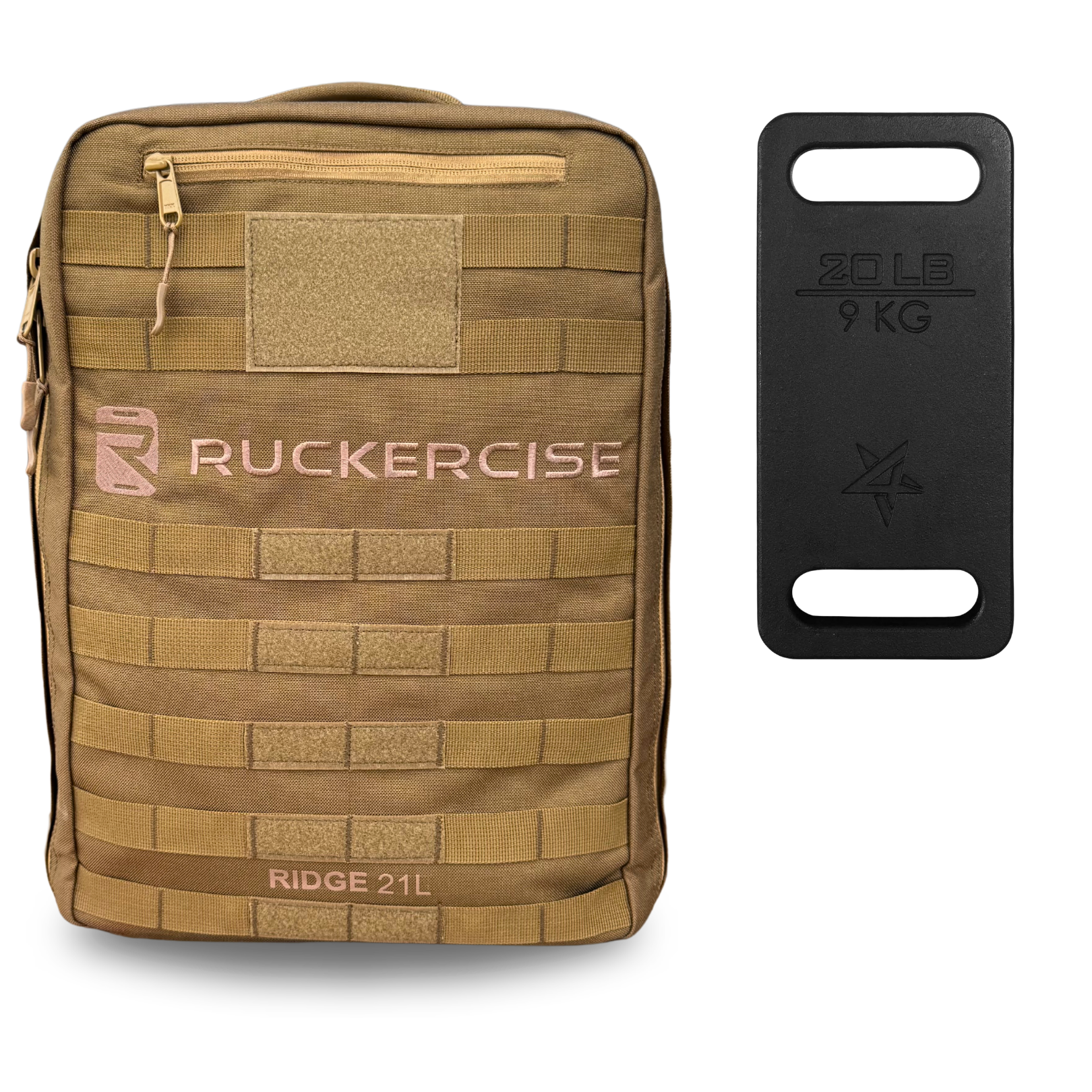
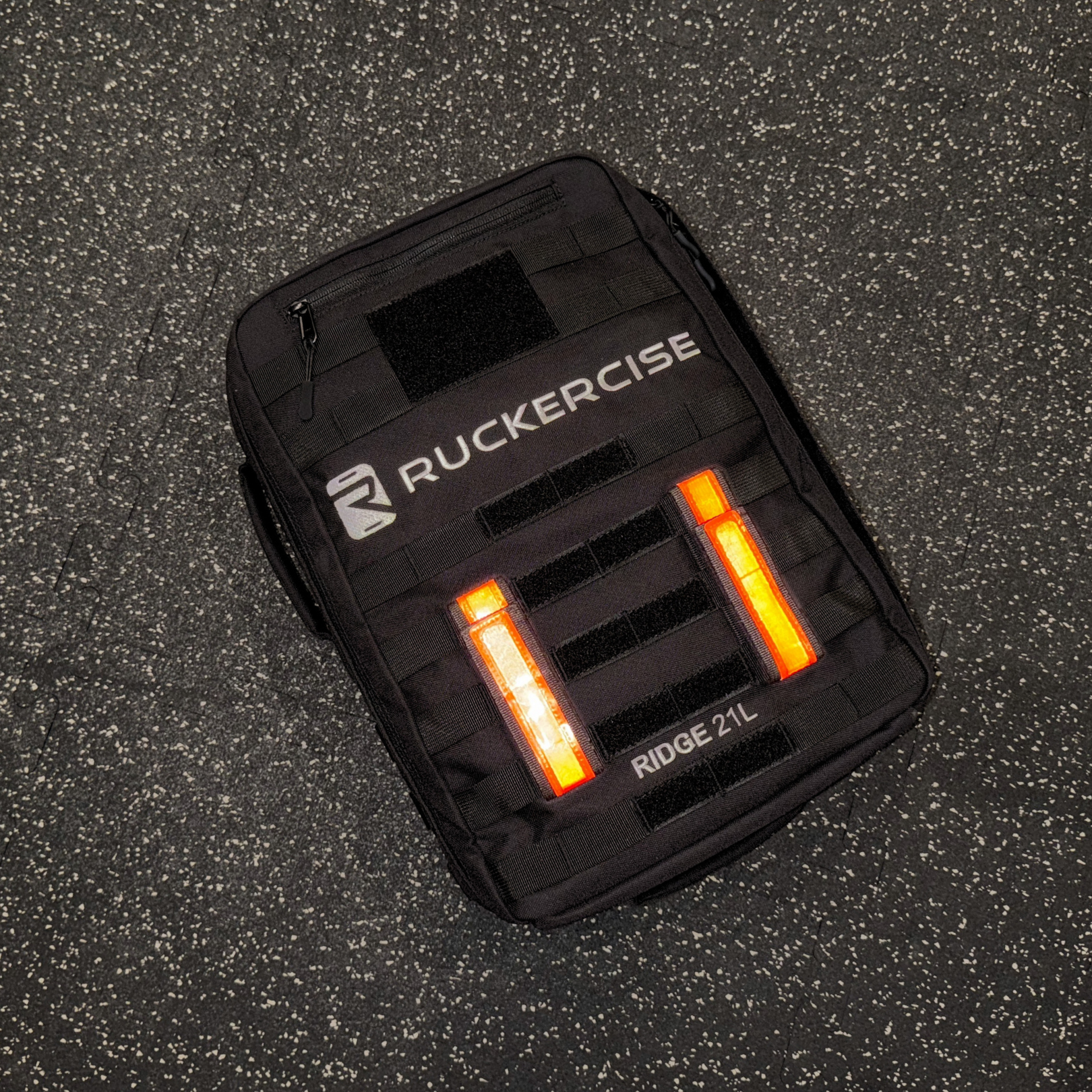
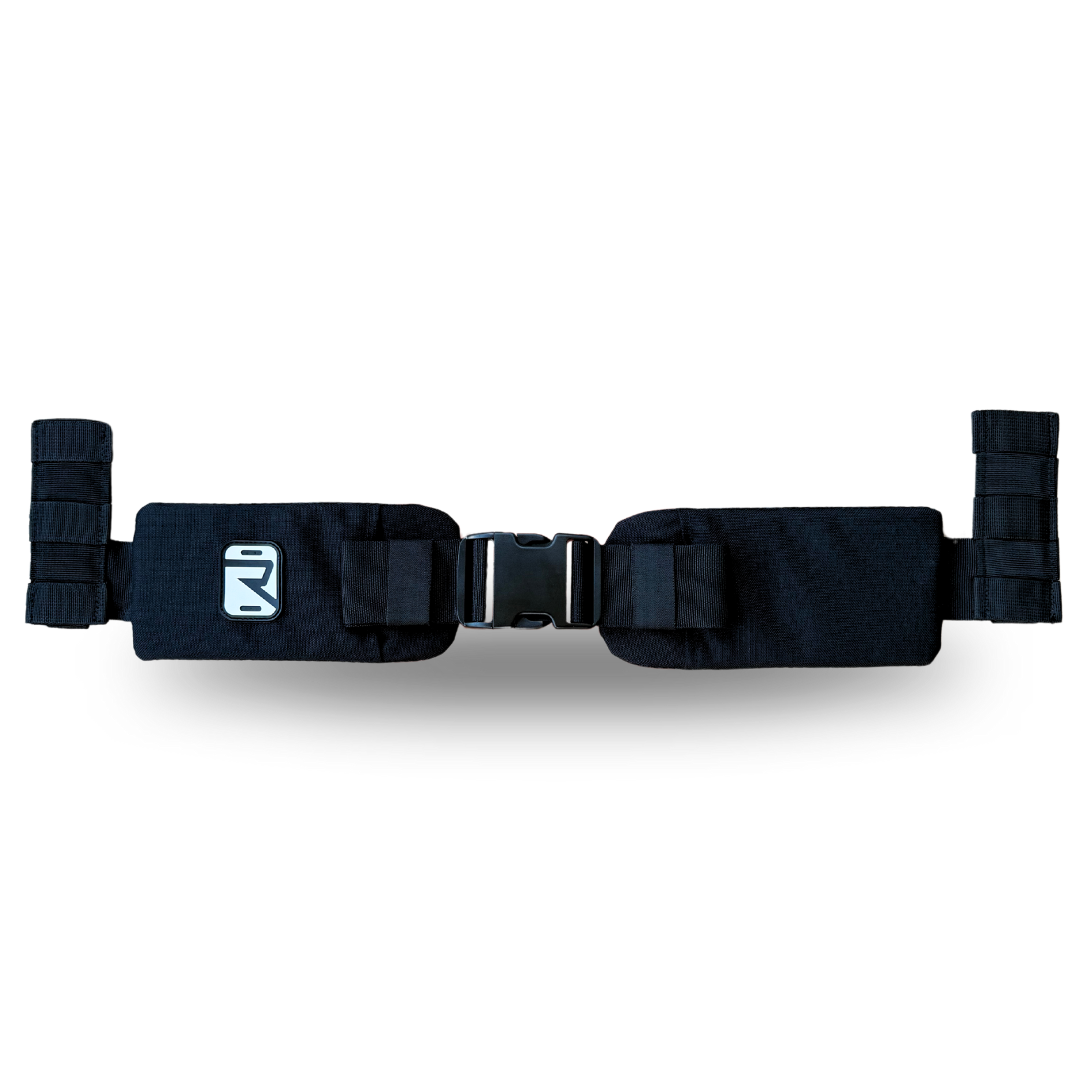
By investing in quality rucking gear, such as those offered by Ruckercise, you can enhance your workout experience and support your overall health and well-being. So why not give rucking a try? Your body—and mind—will thank you for it.
Keep reading
- How much weight should you ruck with? A chart by bodyweight
- 3 simple steps to start rucking
- 4 ruck workouts for stronger conditioning
- Rucking backpack vs. weighted vest
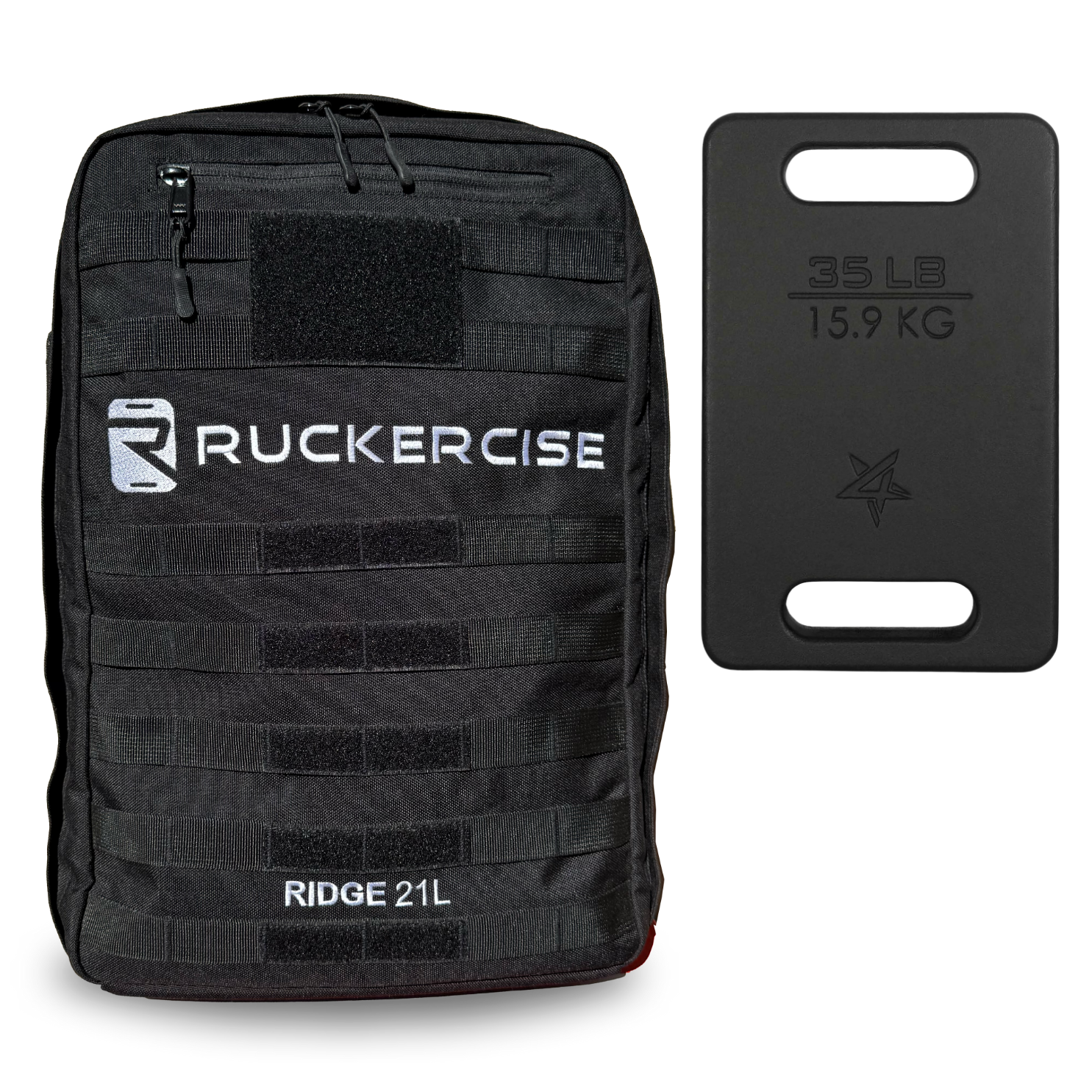
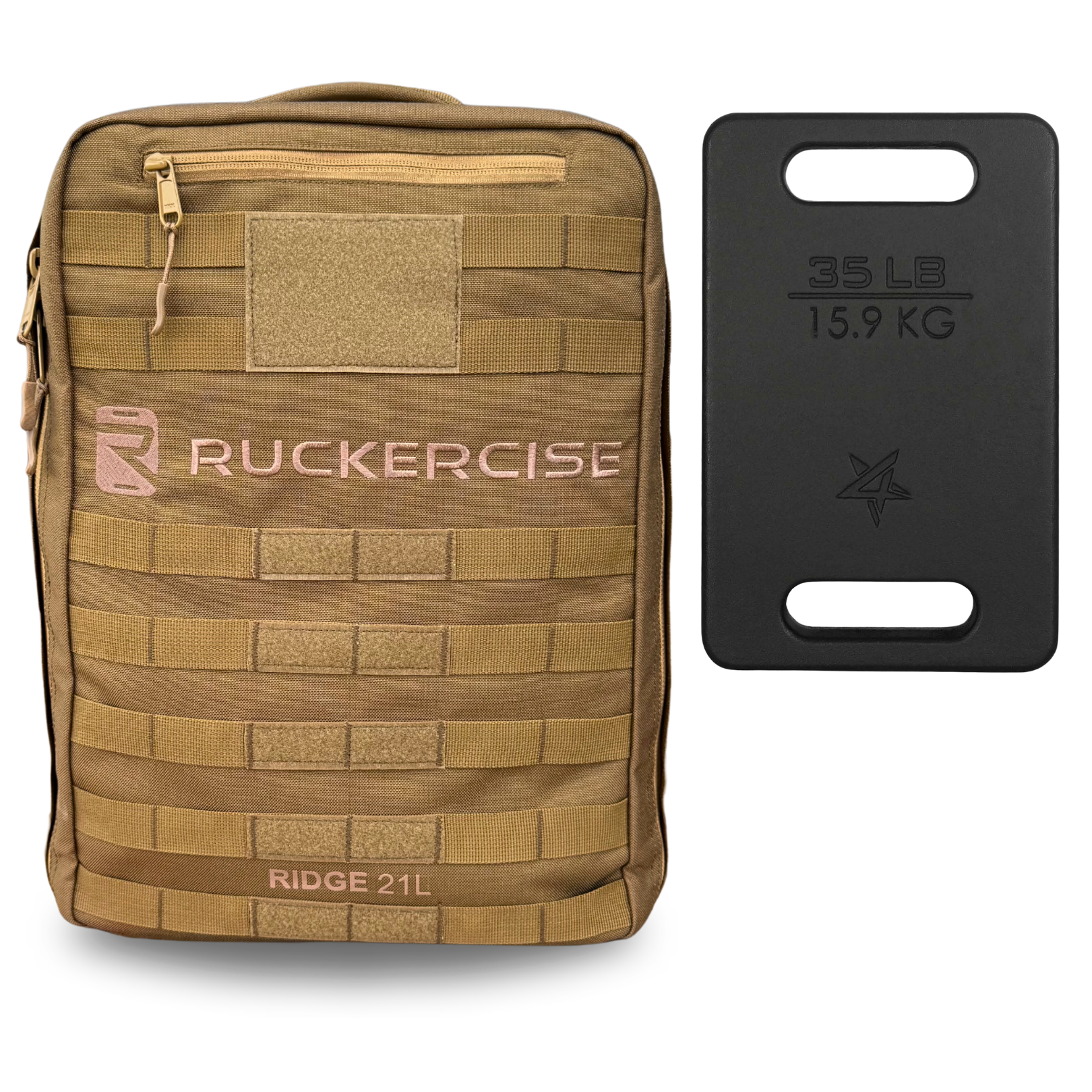
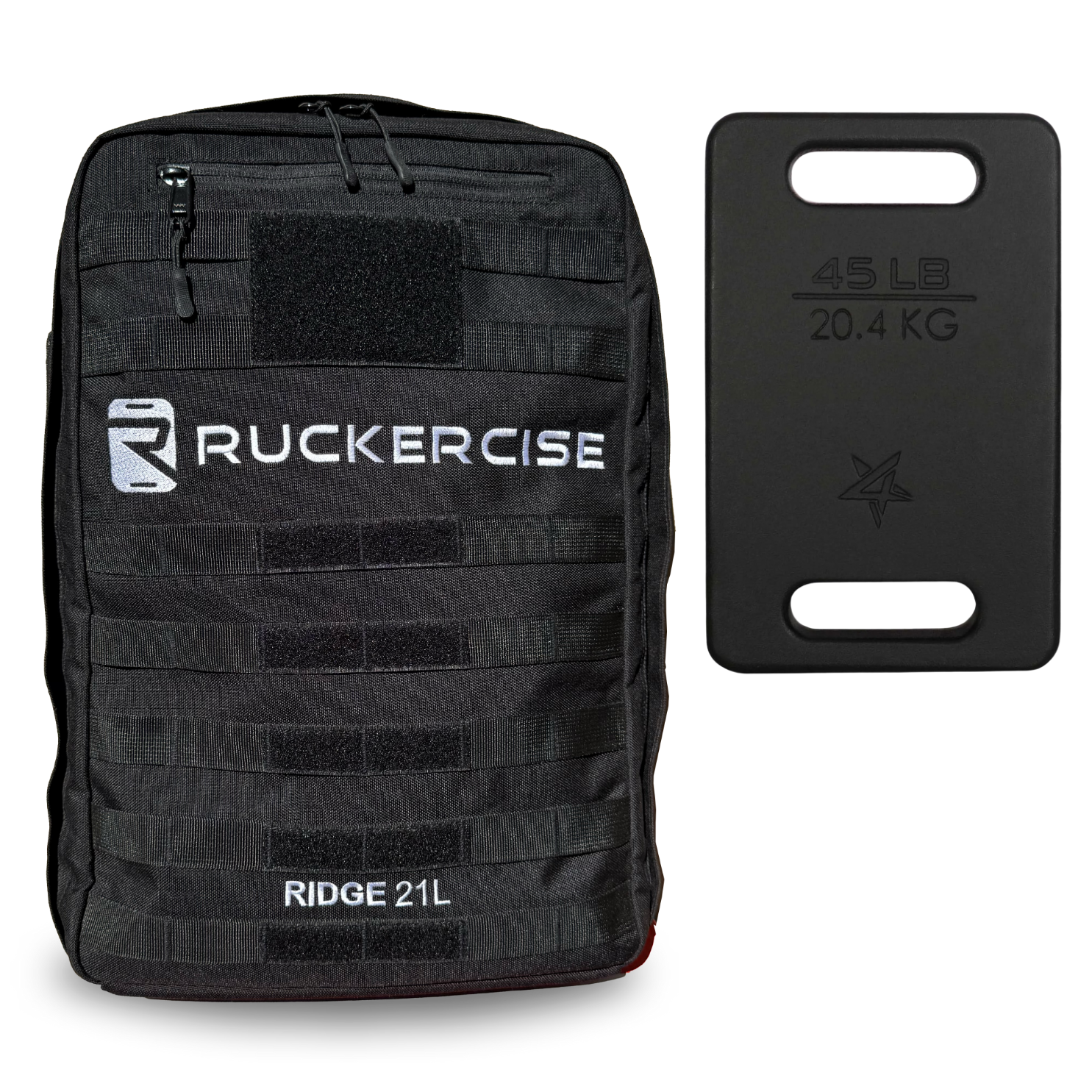
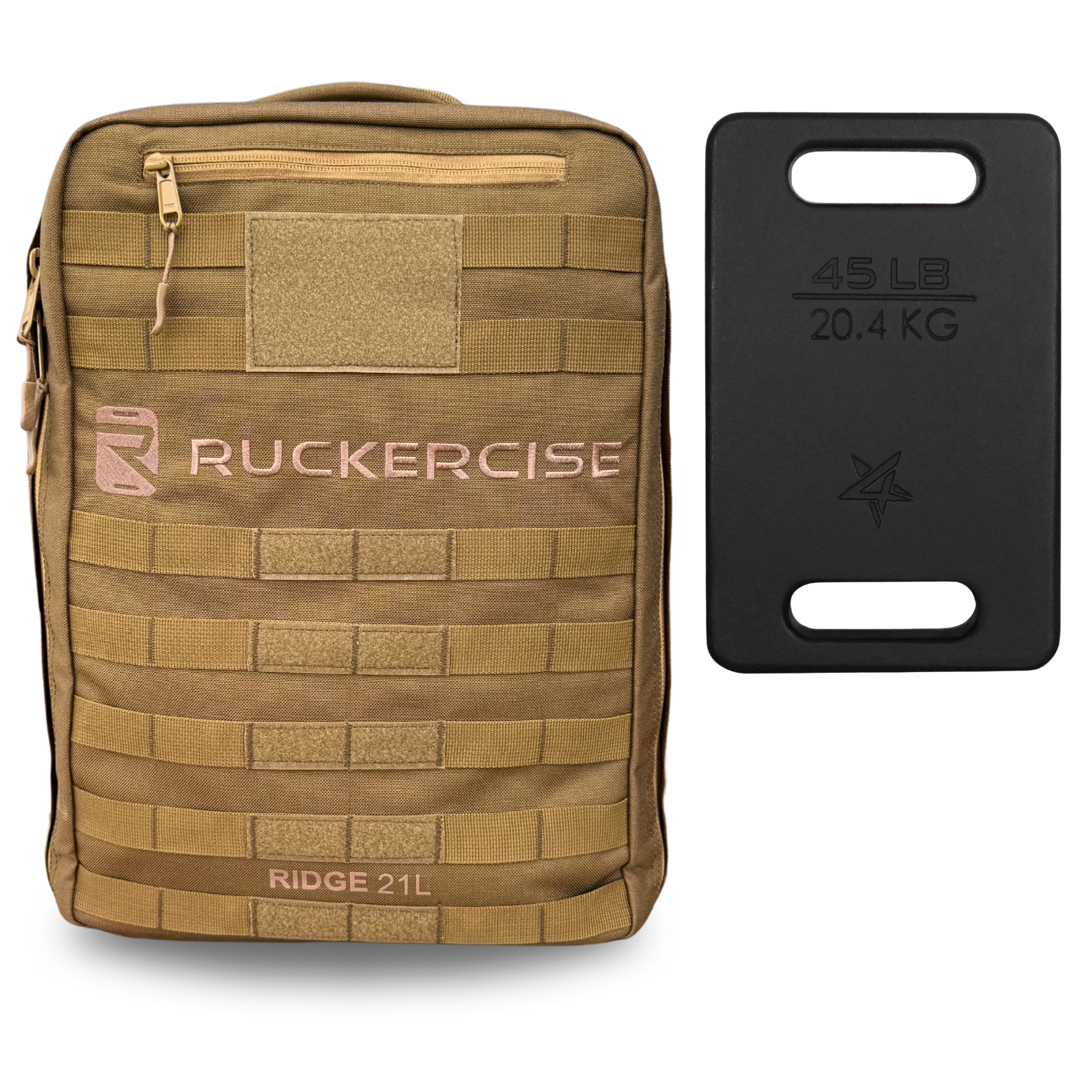
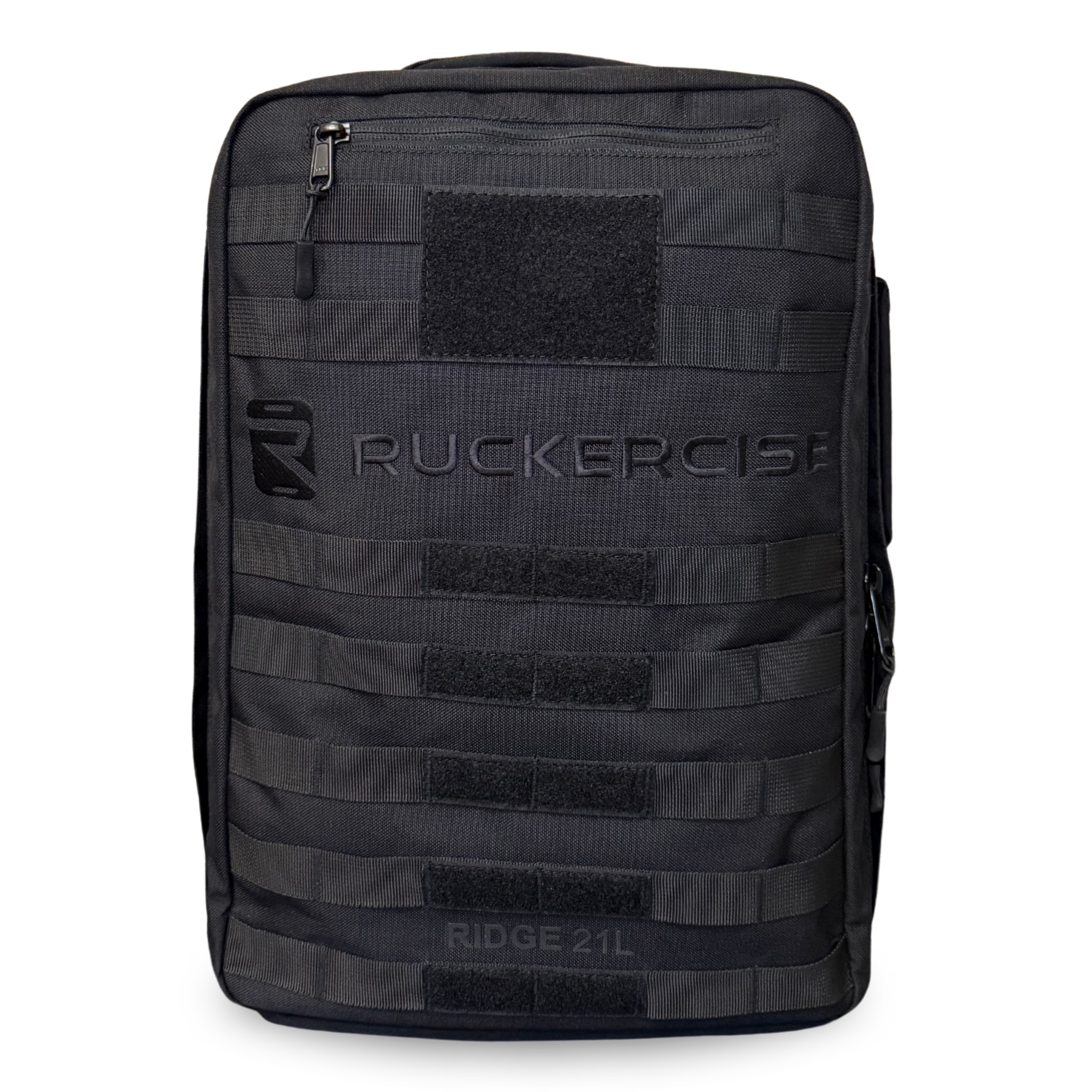
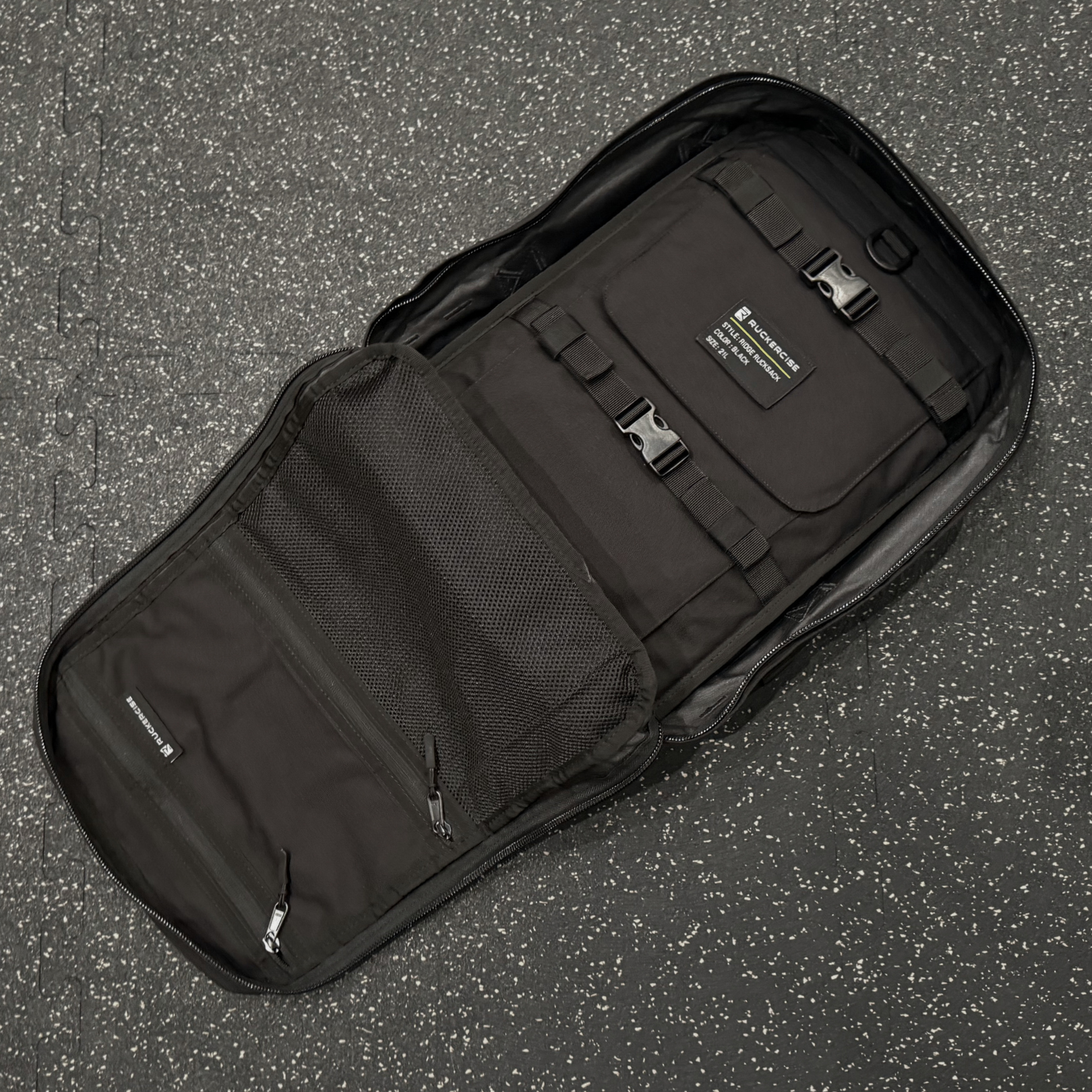
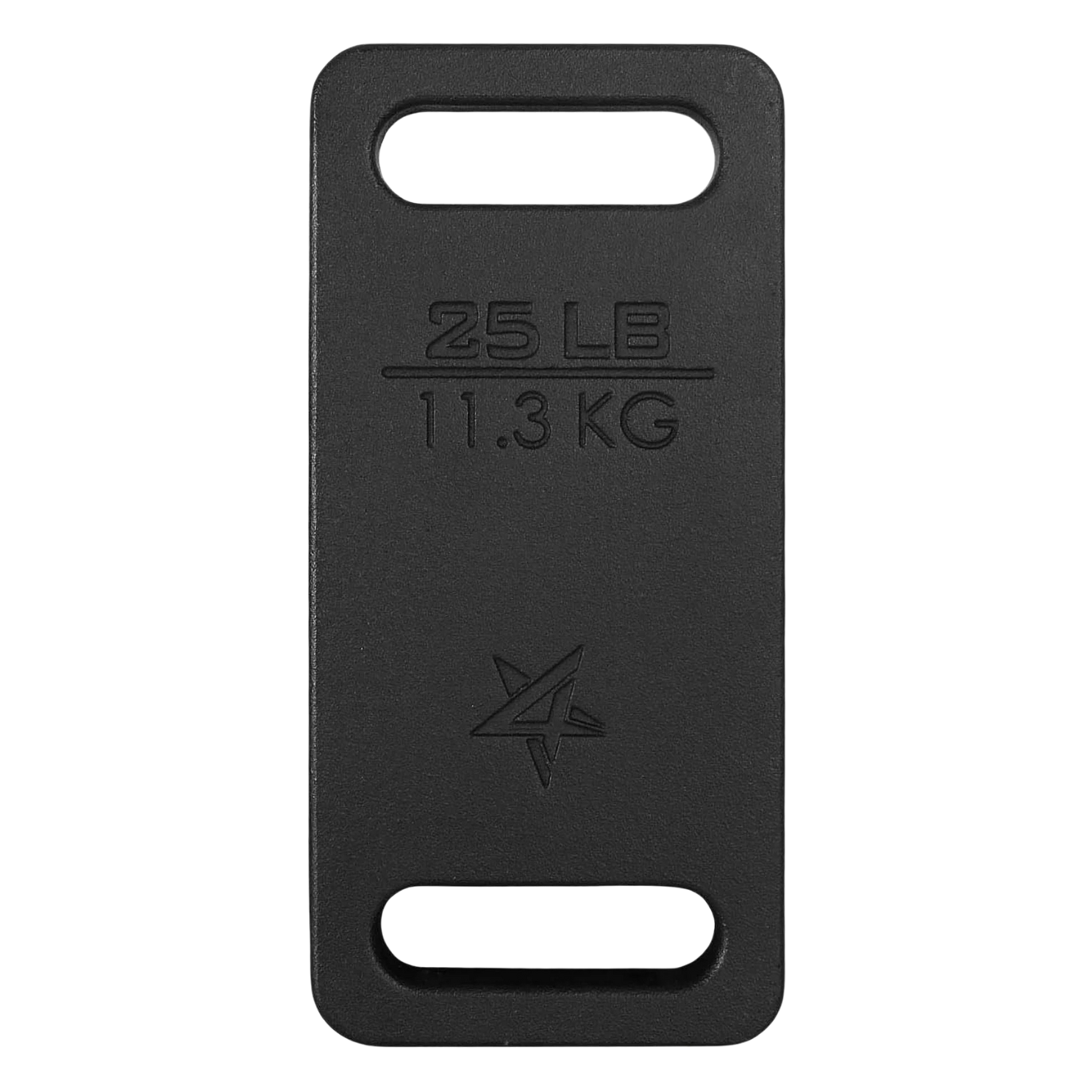
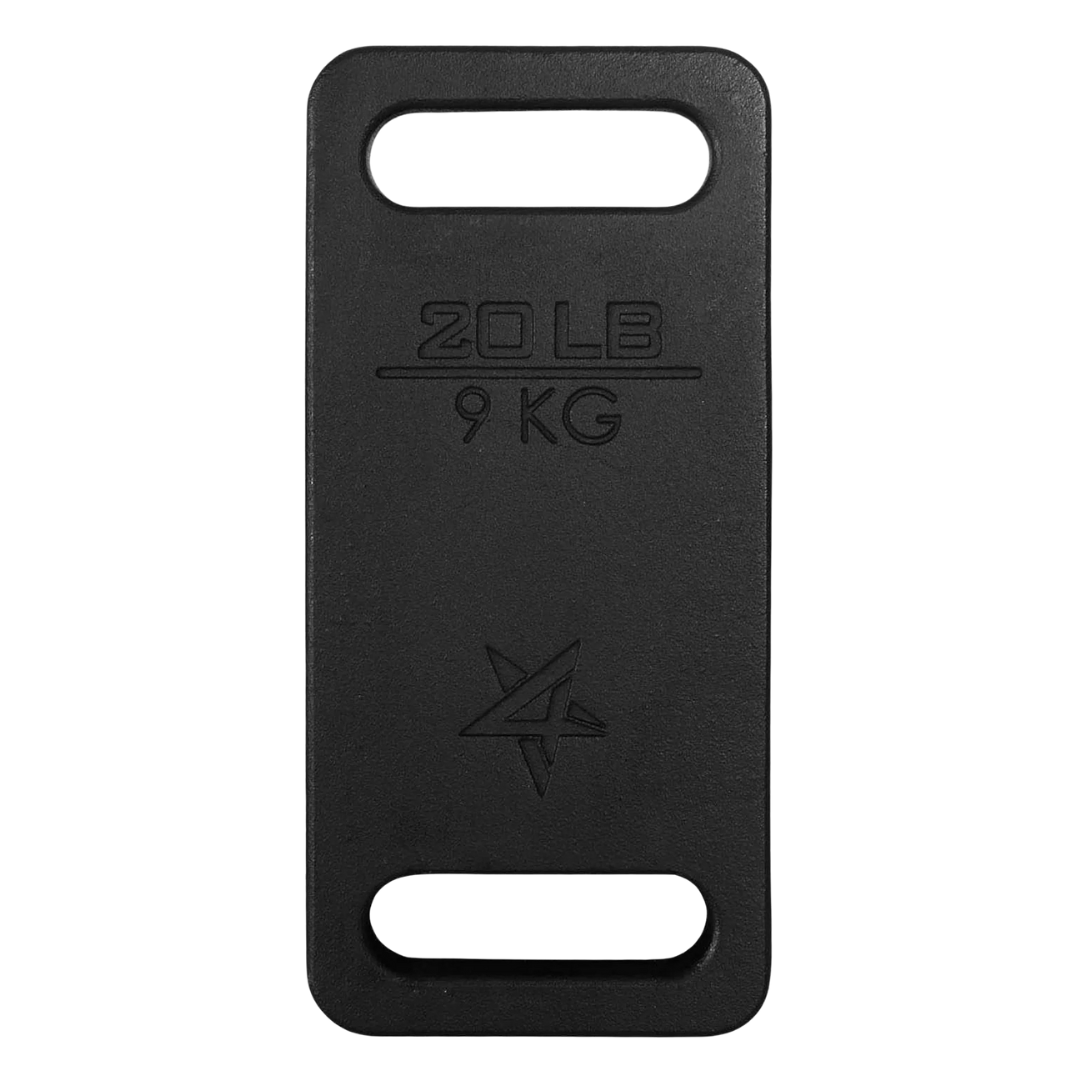
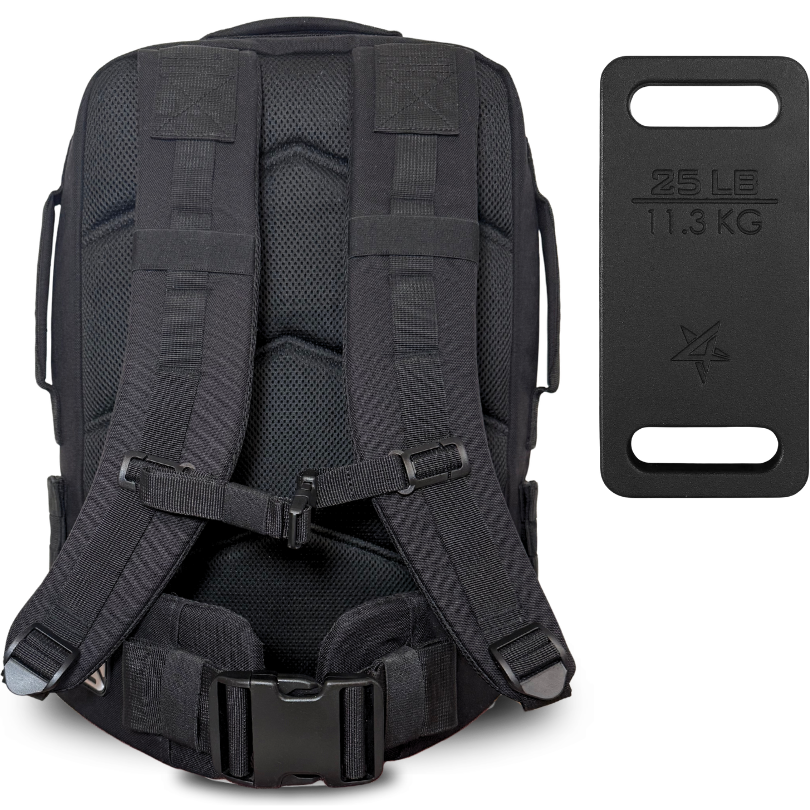
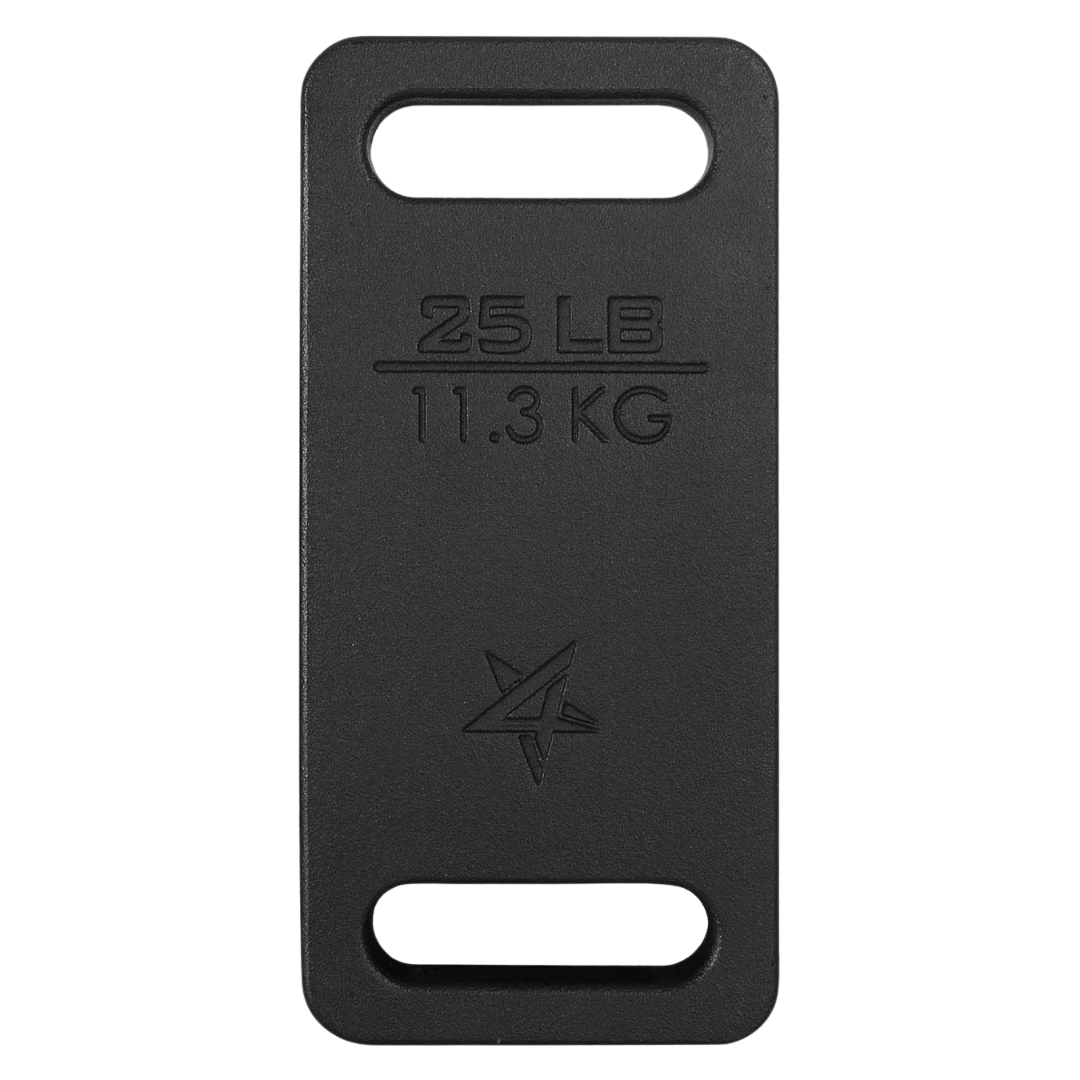
New to rucking? Begin with the Start Rucking guide. A flat Ruck Weight in a pack with a dedicated weight pocket, like the Ridge Rucking Backpack, keeps the load high and close to your back.