


What you need to know
how to start rucking

01. Get your ruck
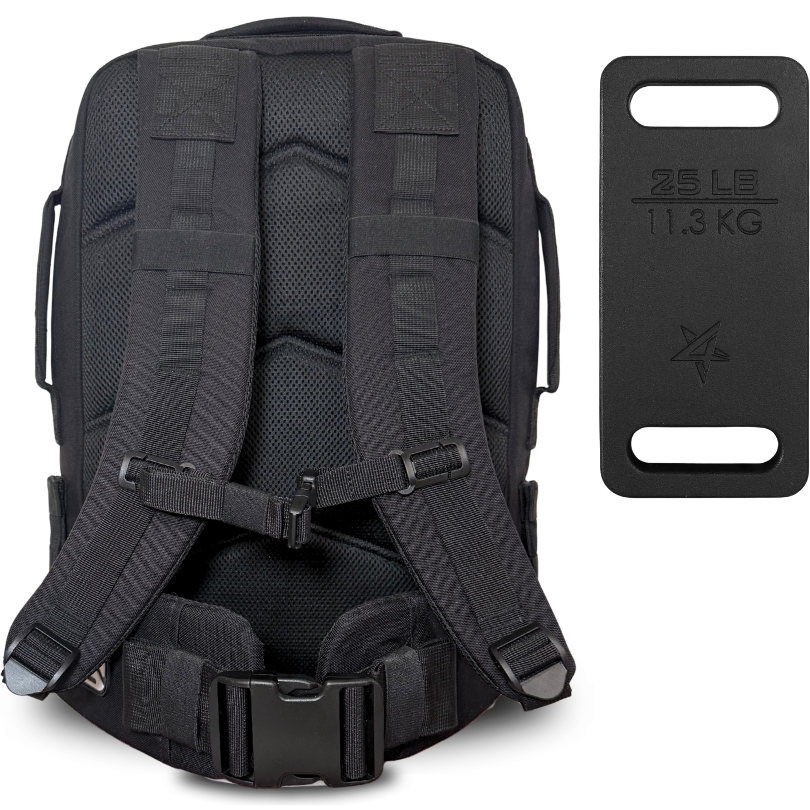
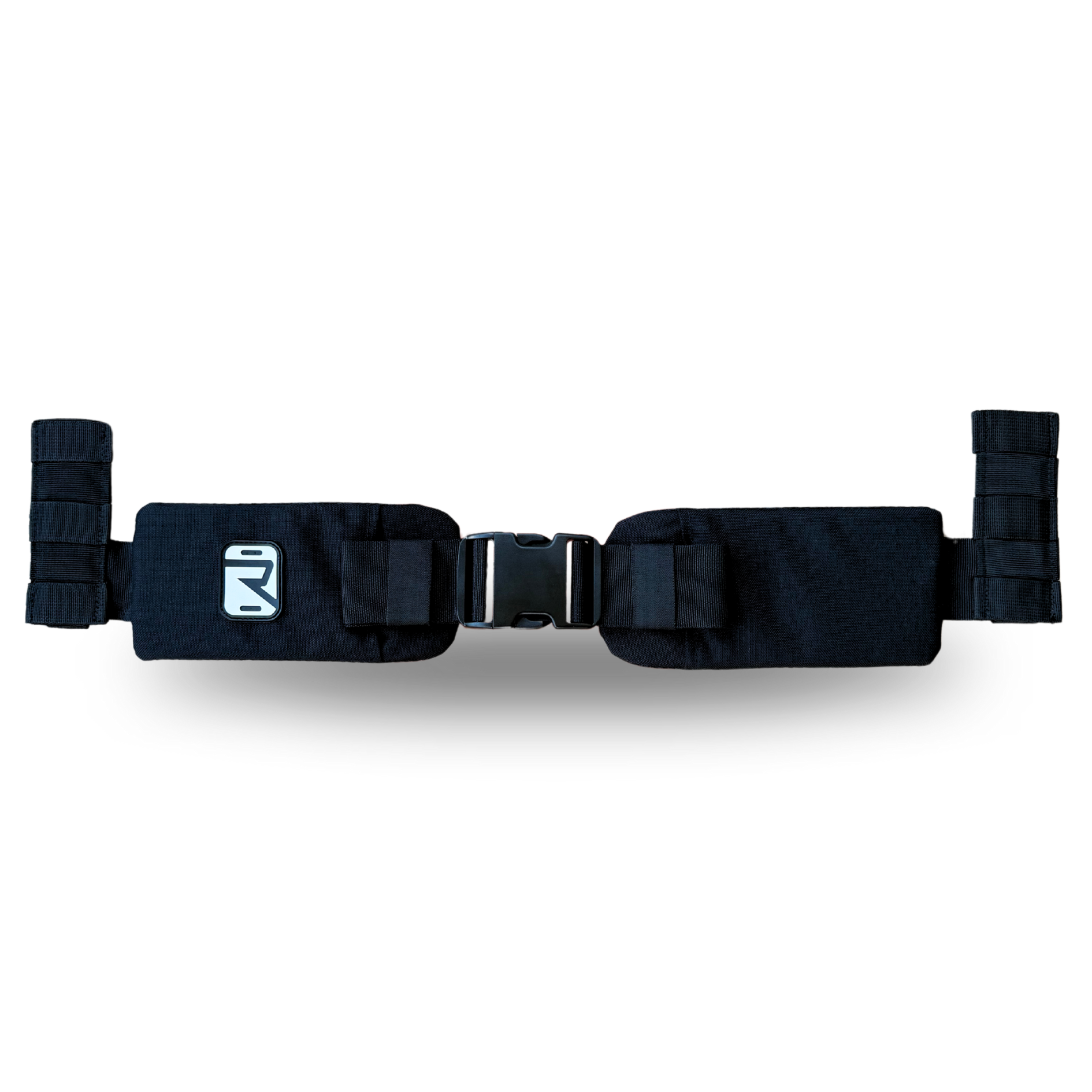
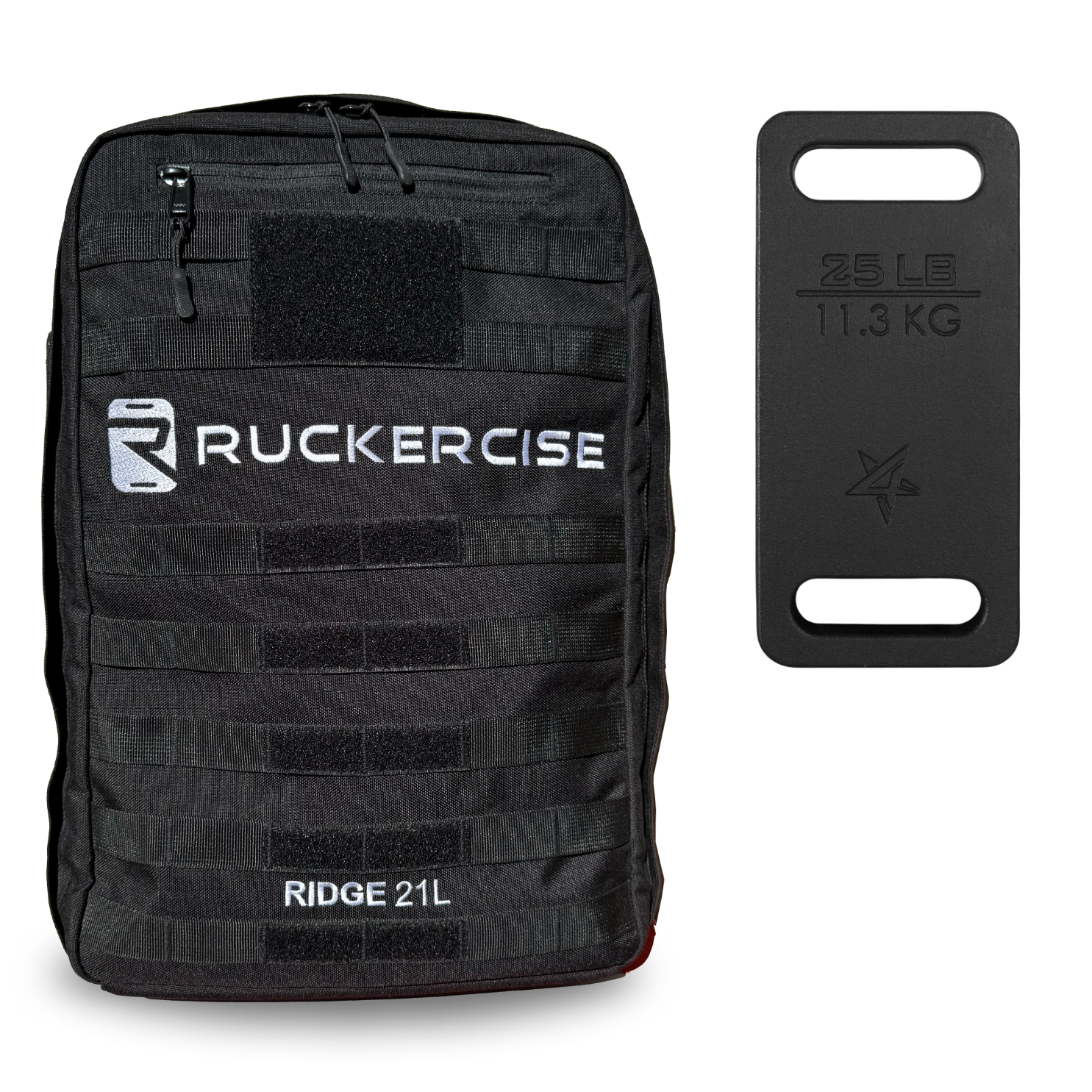
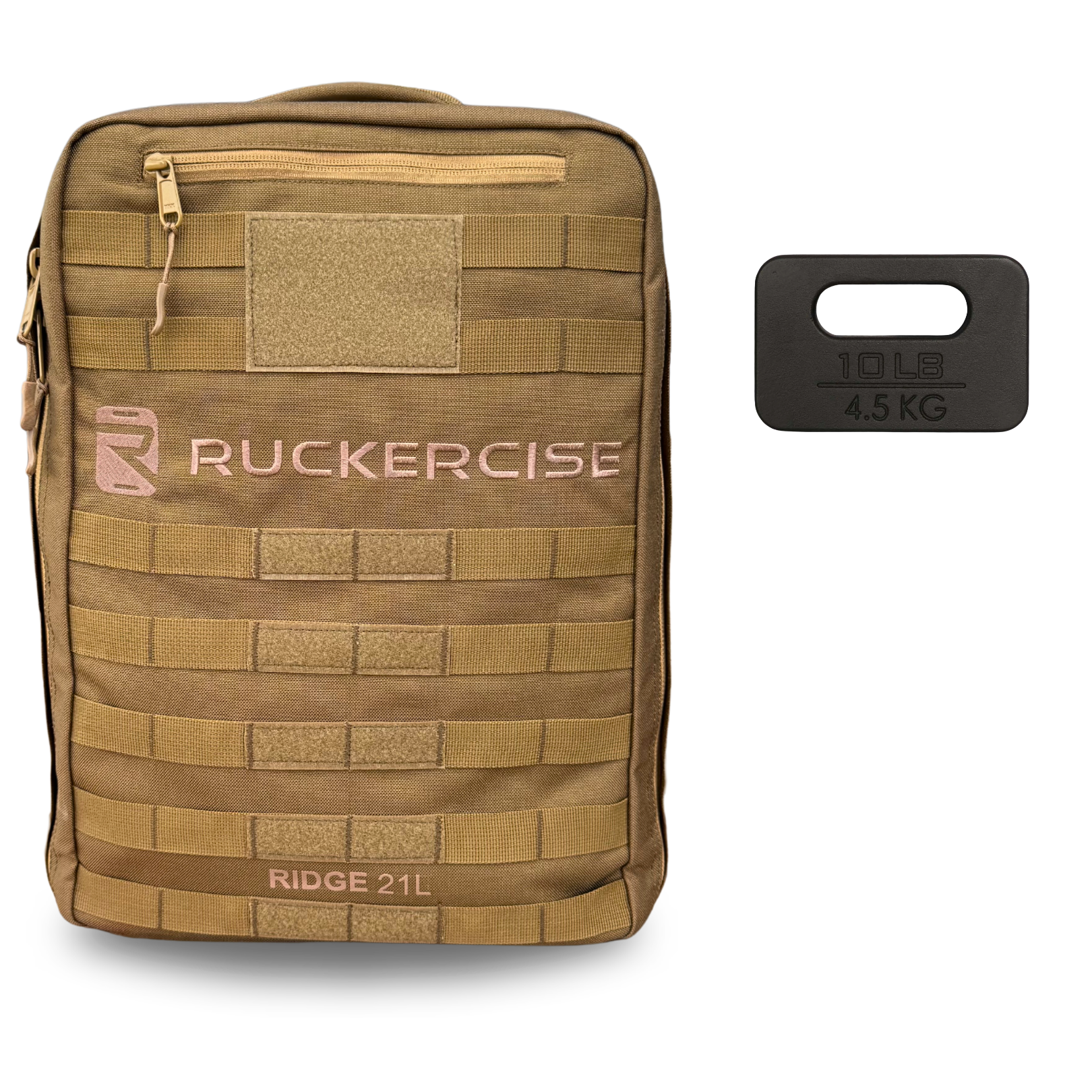
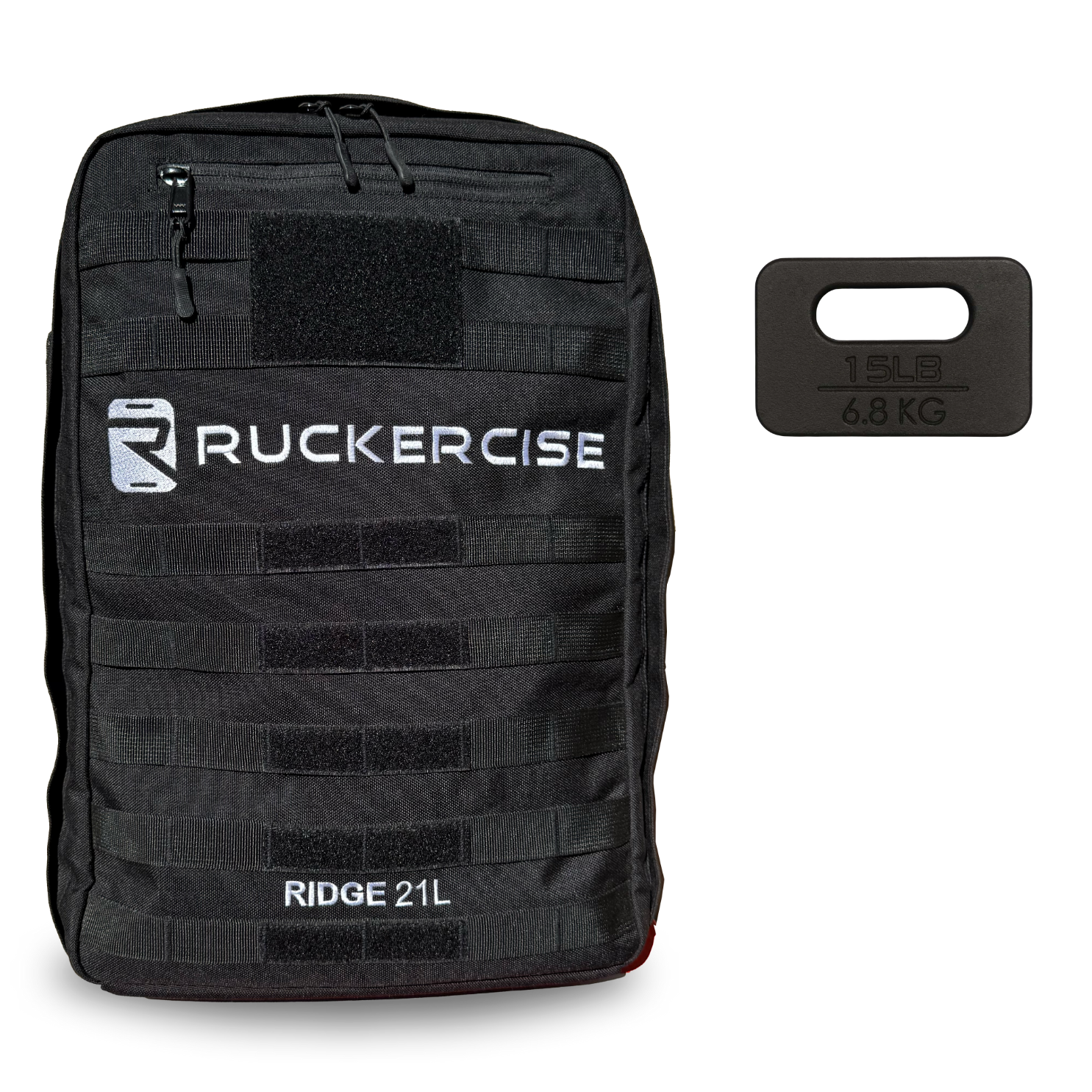
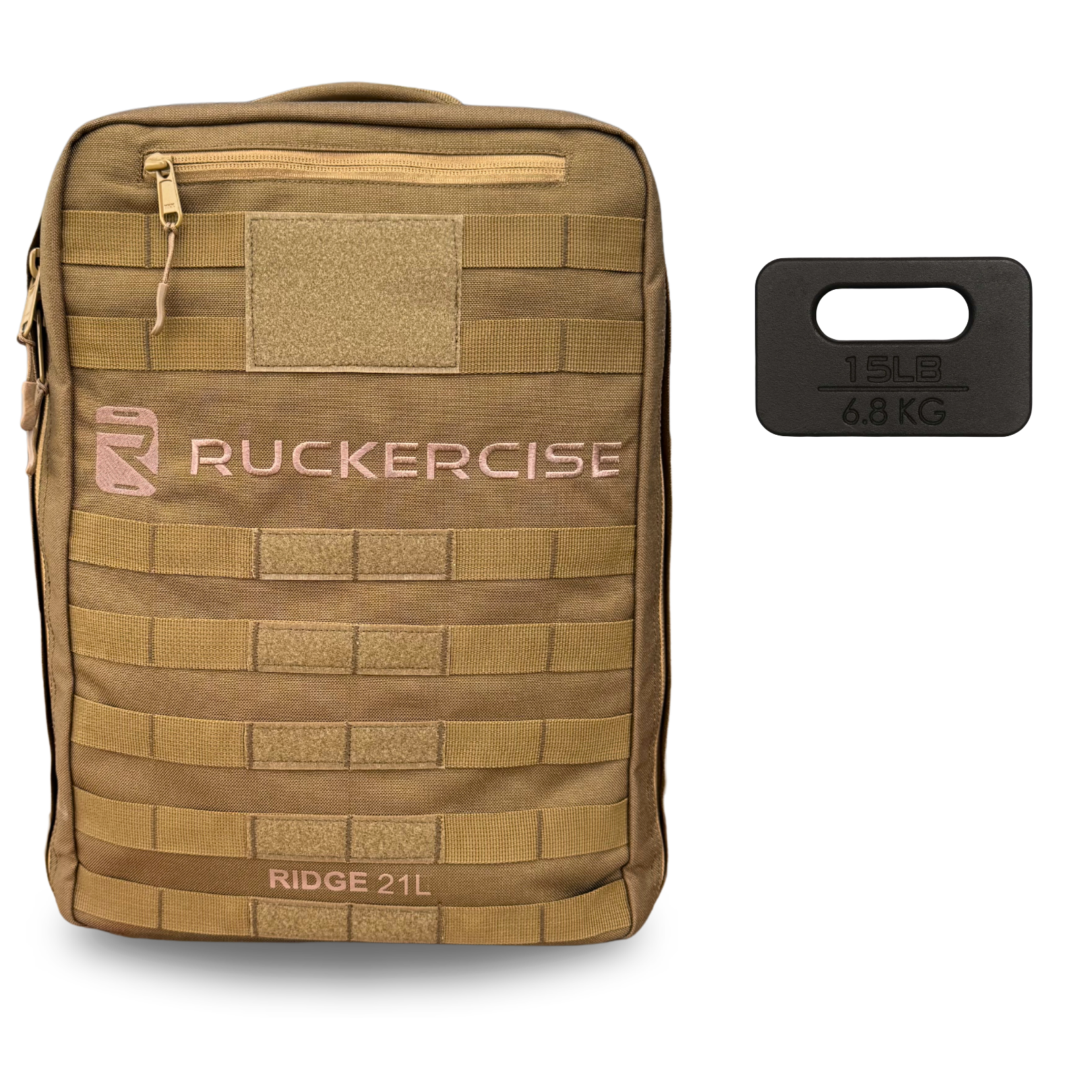
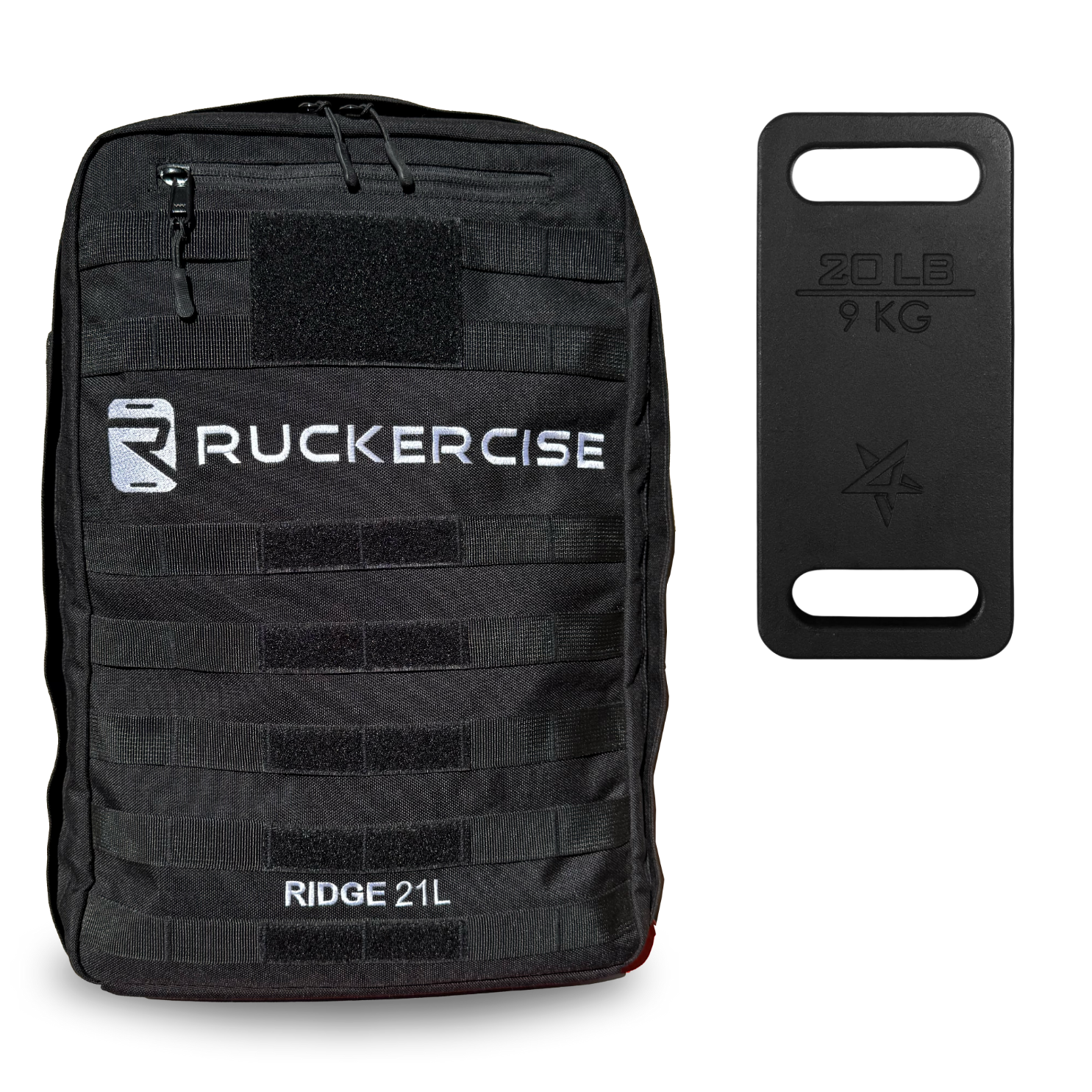
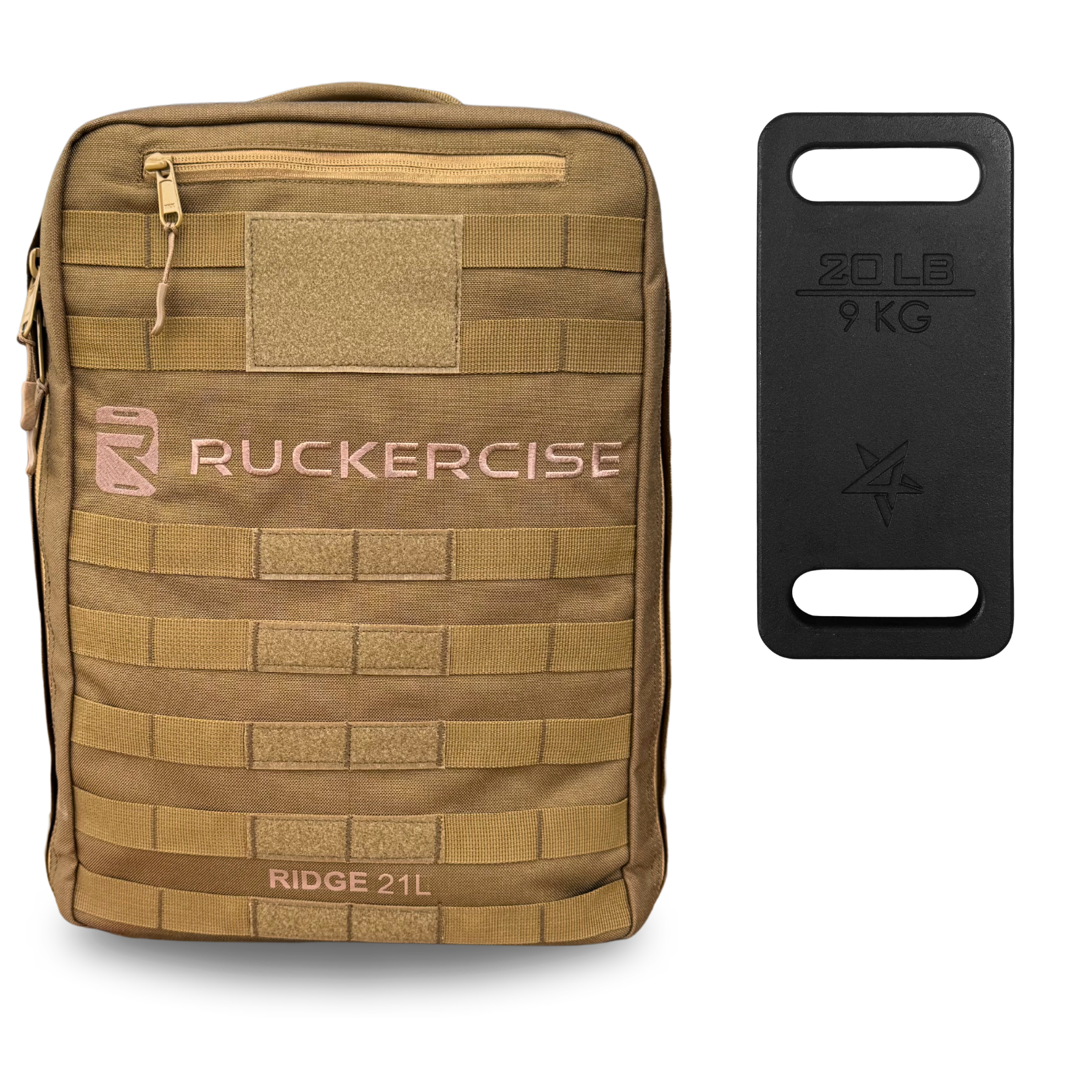
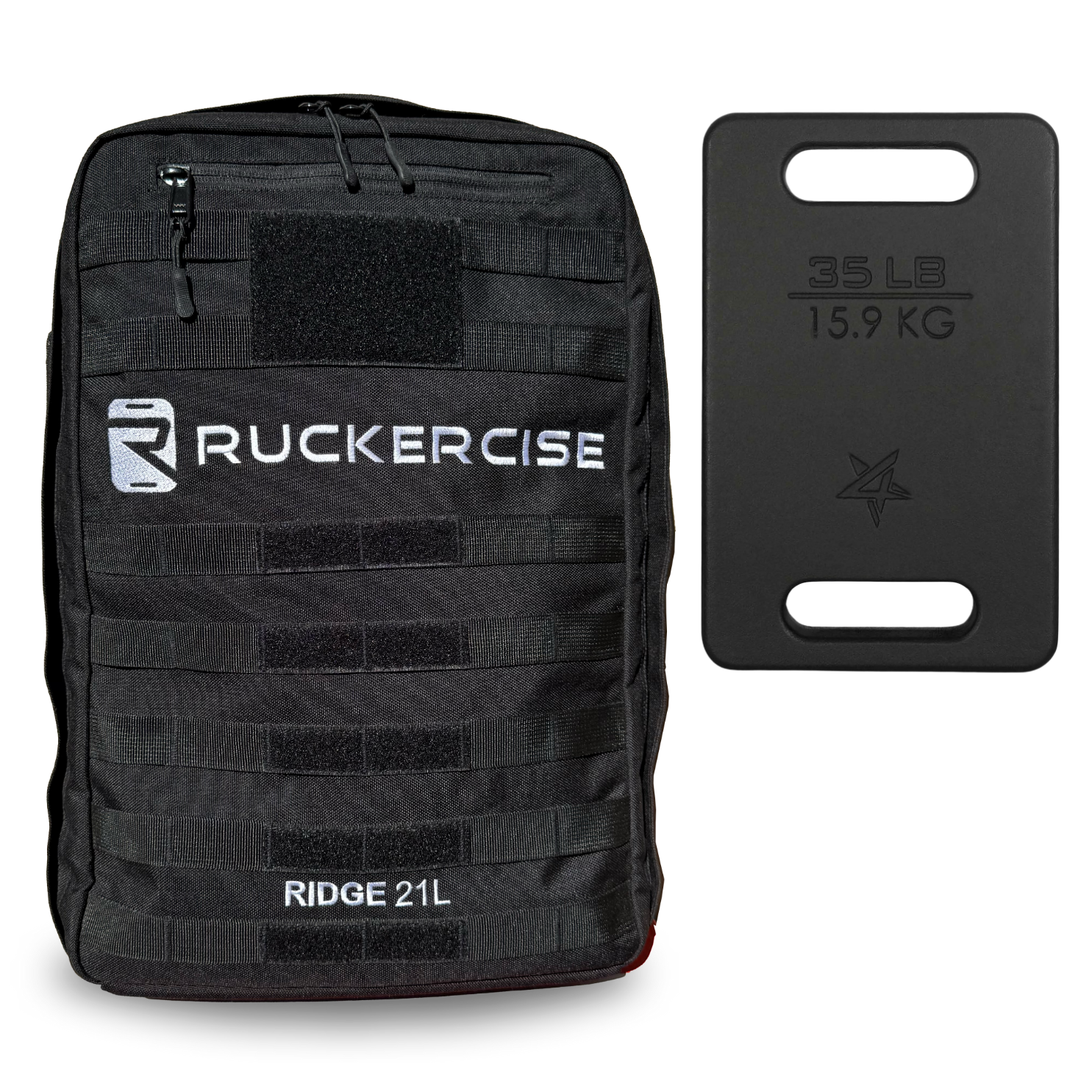
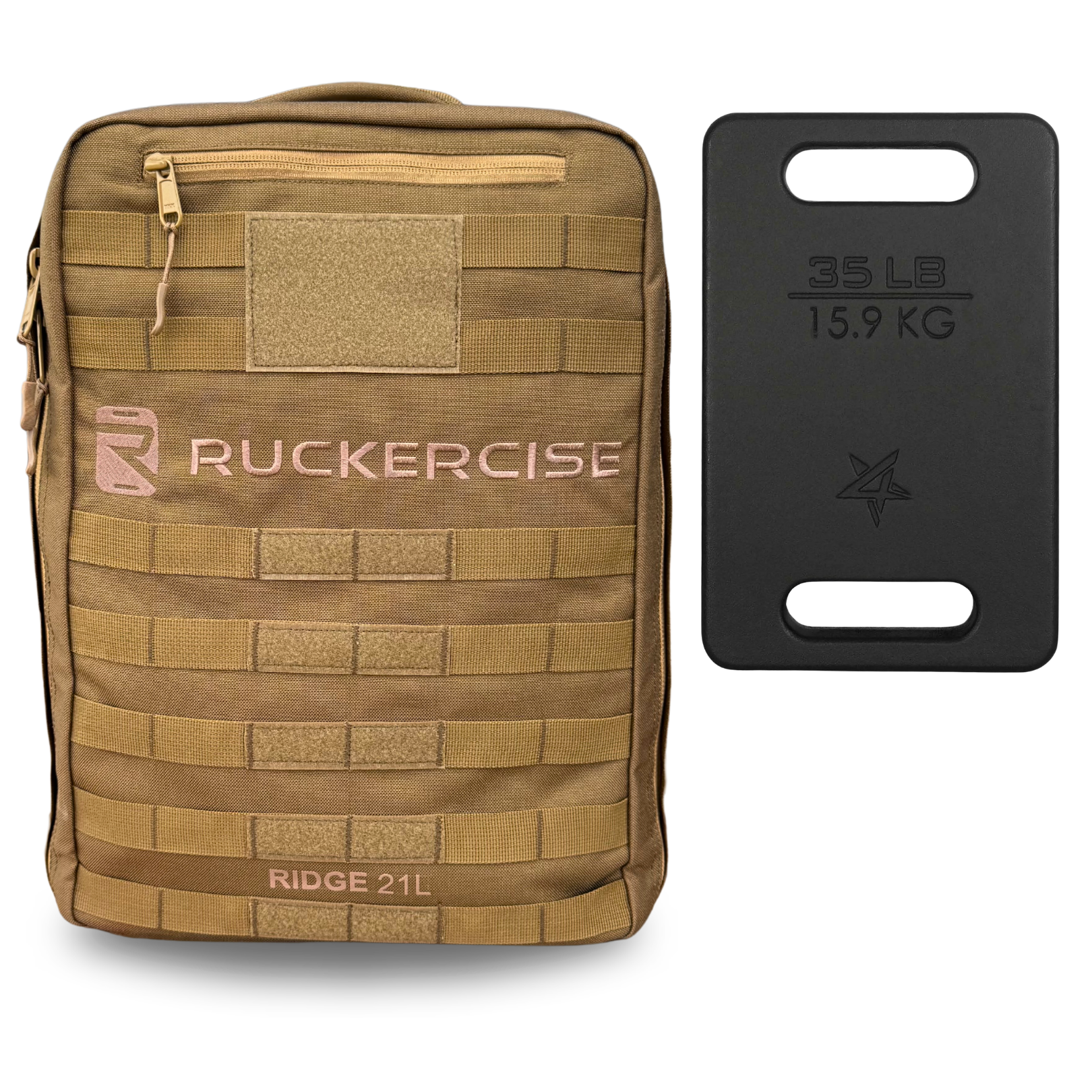
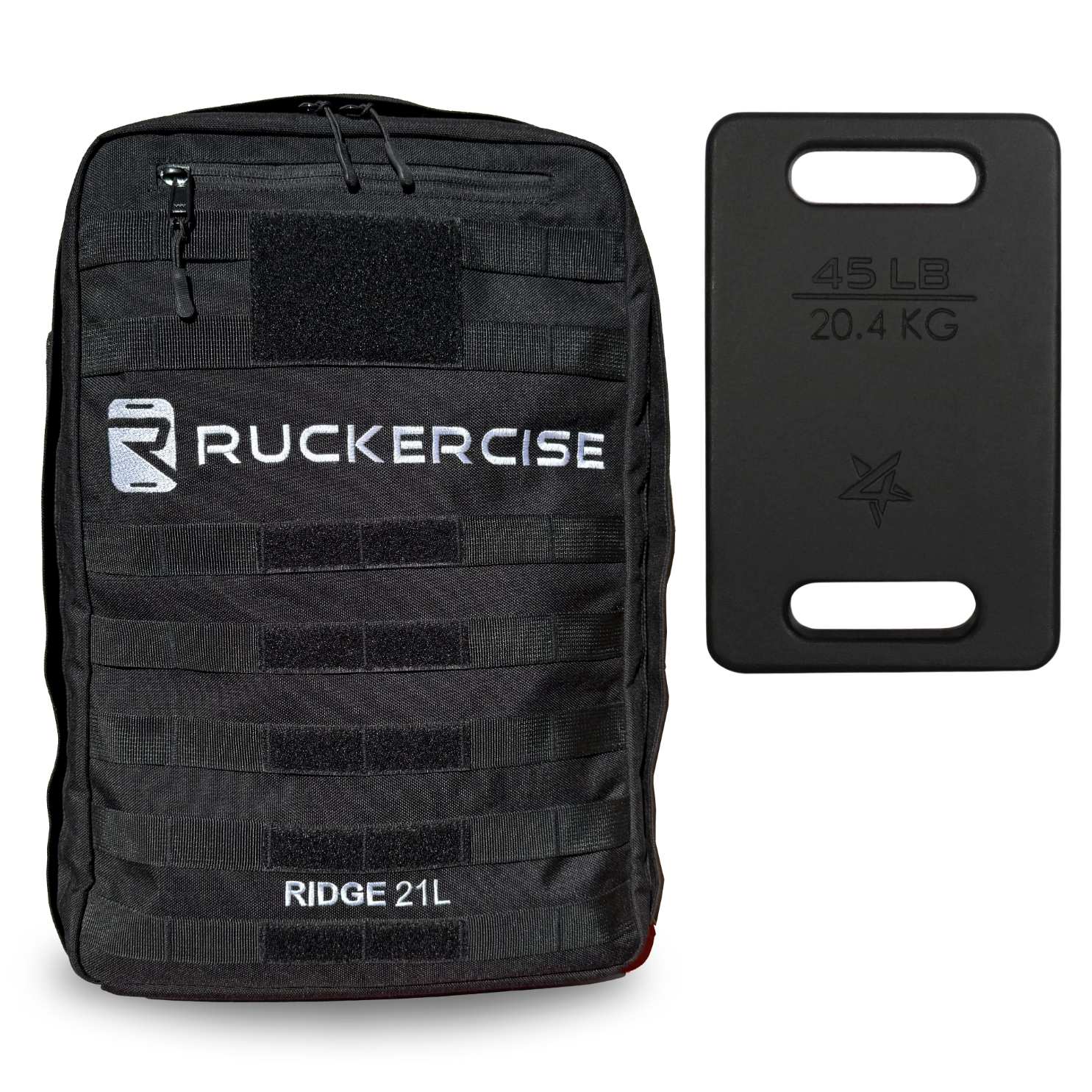
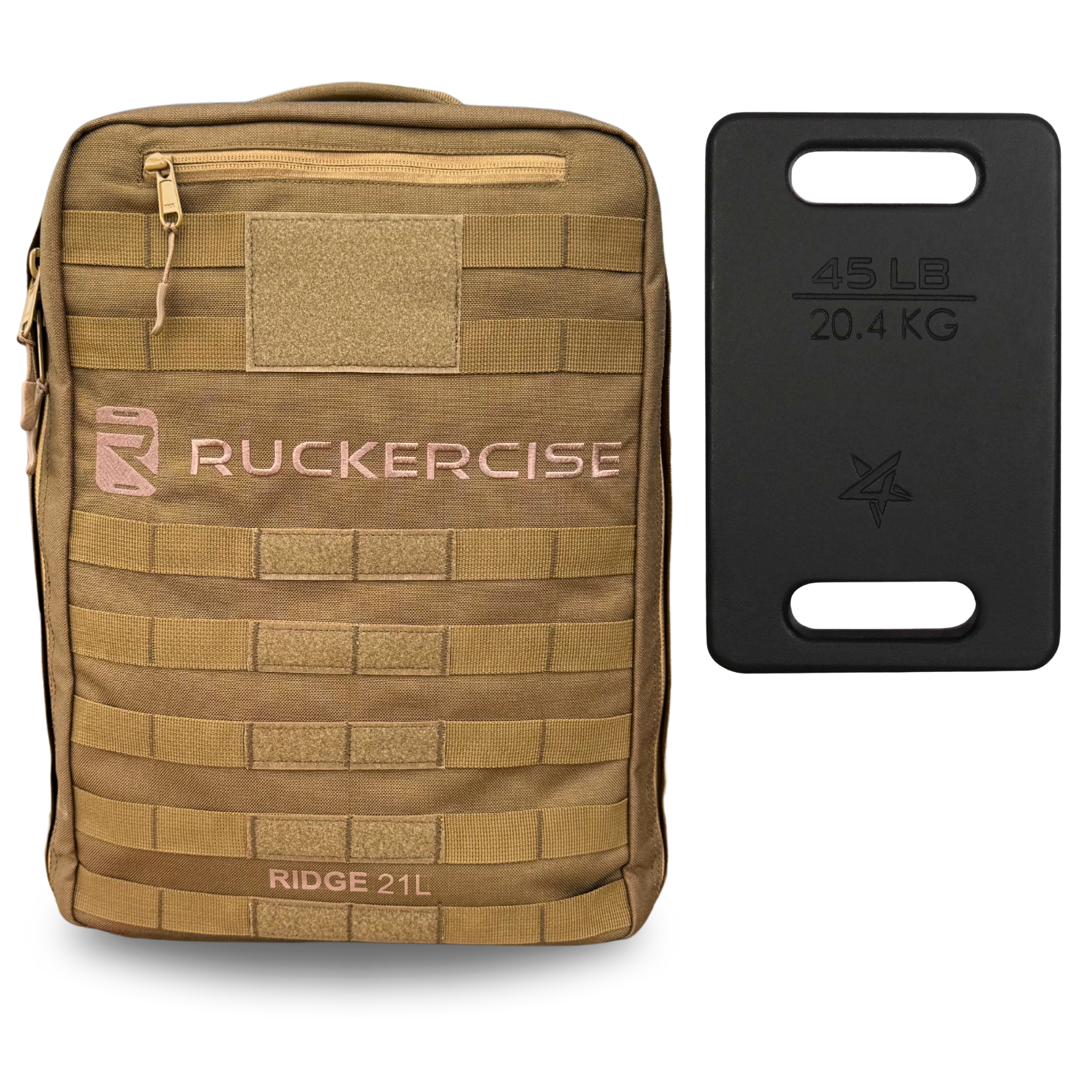
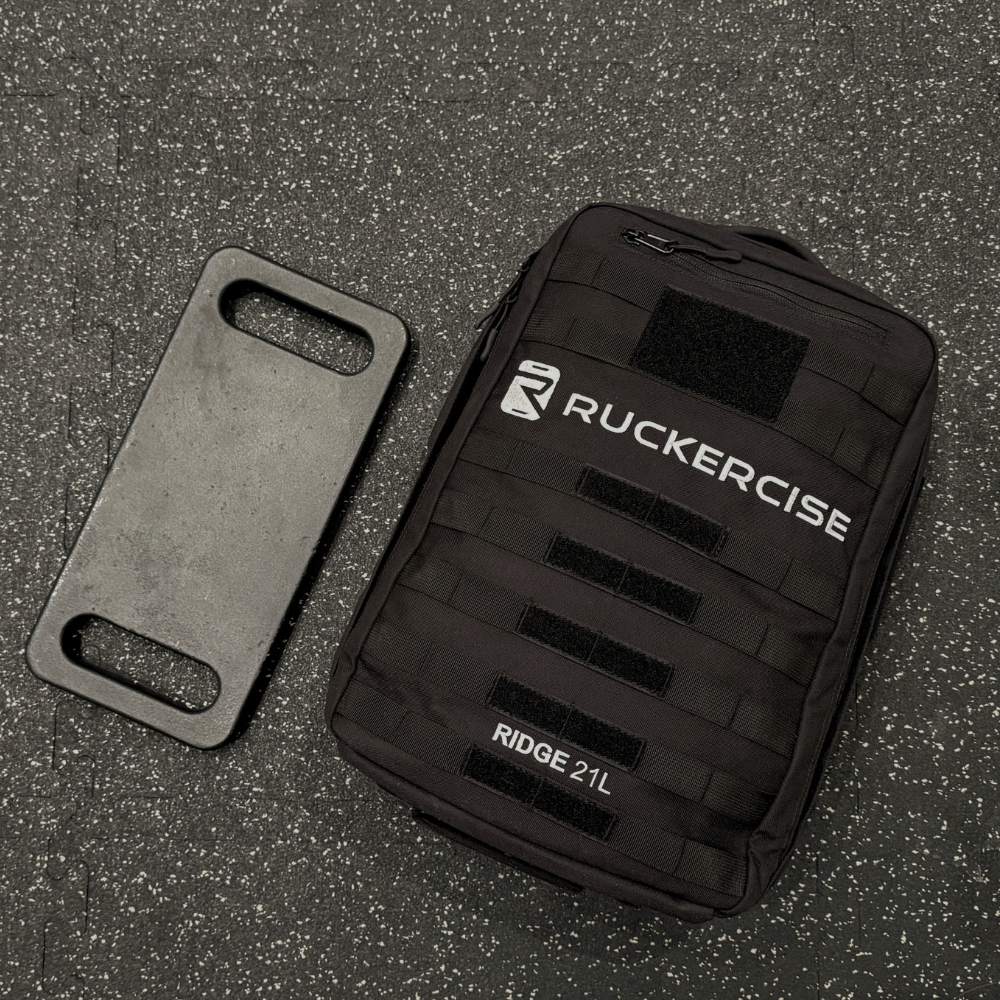
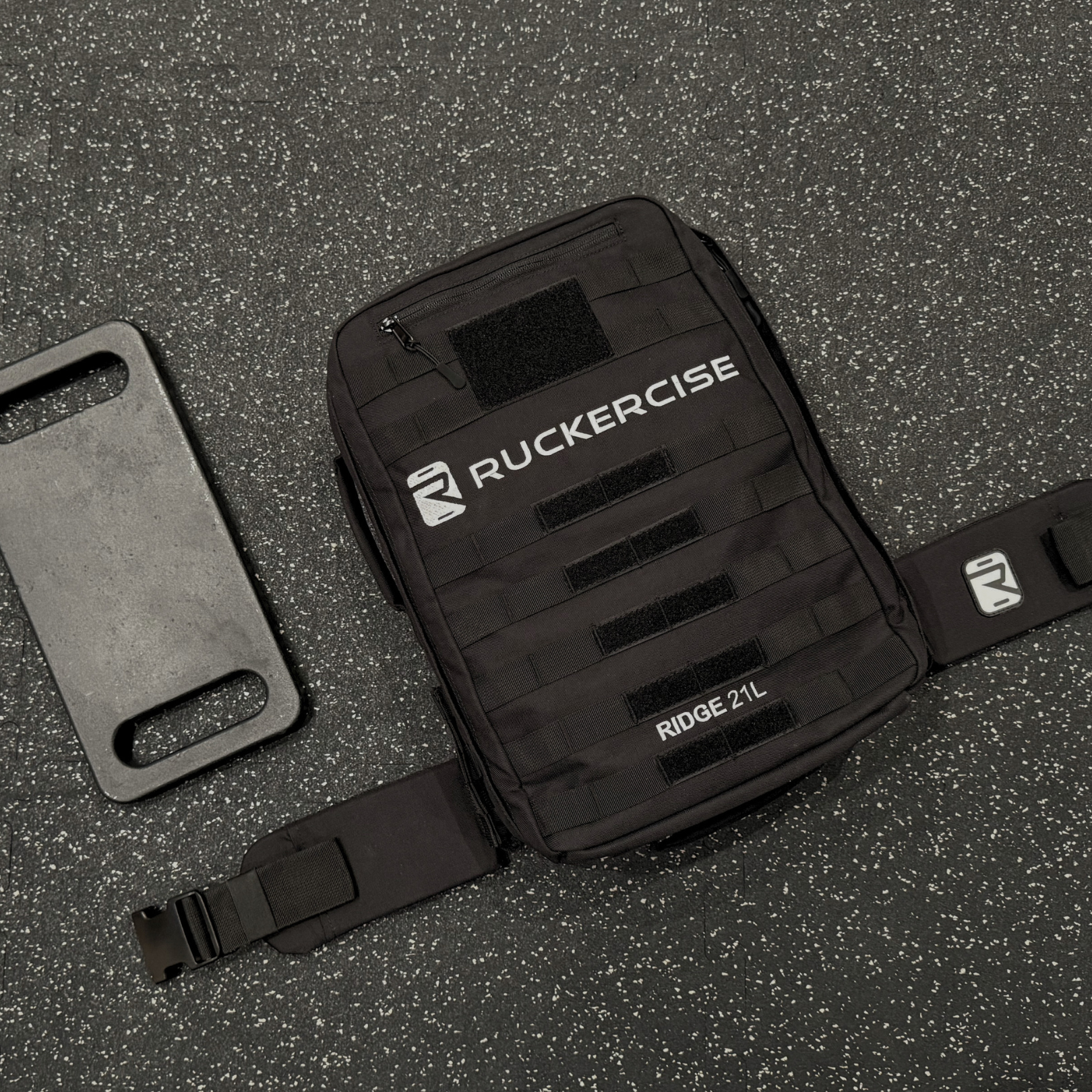
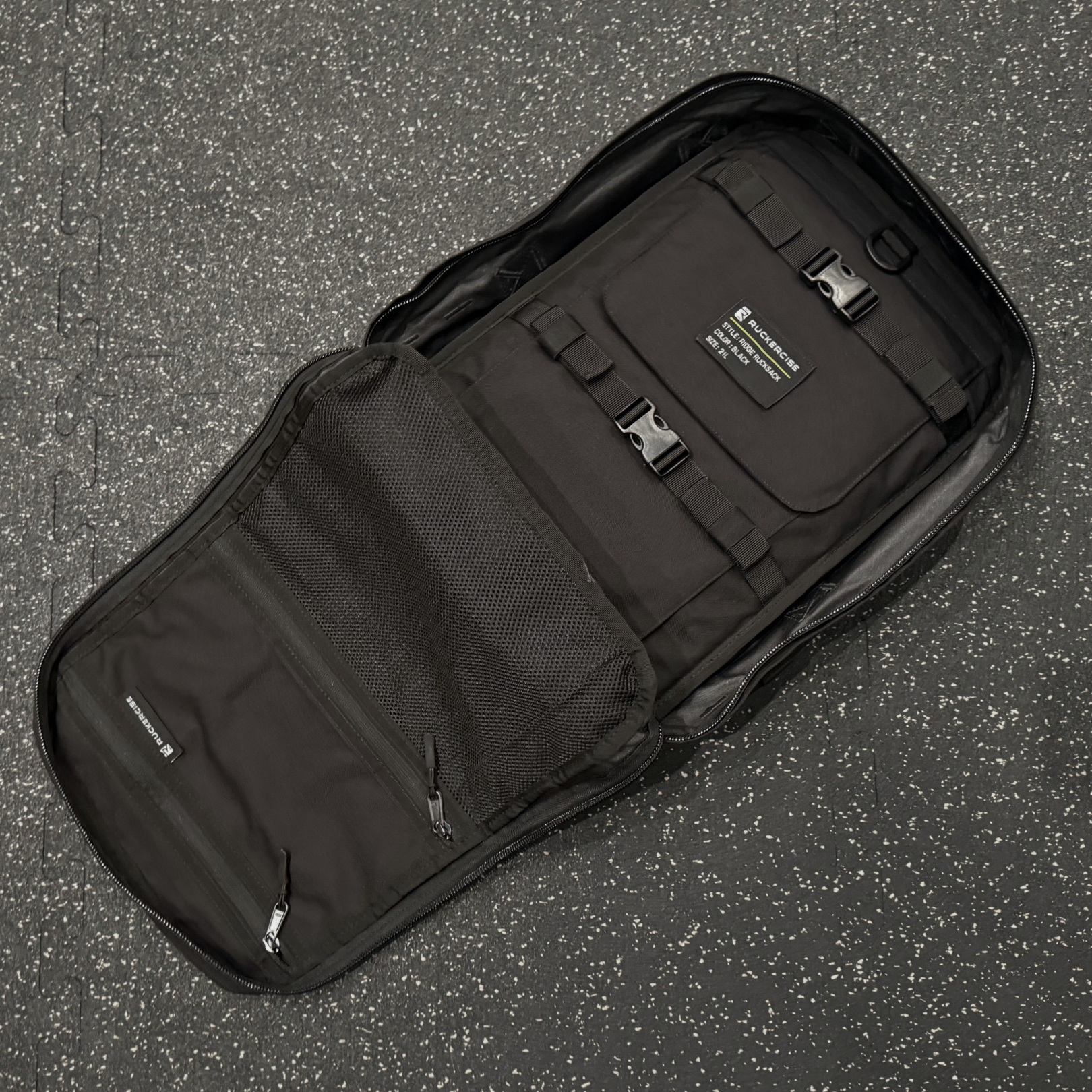
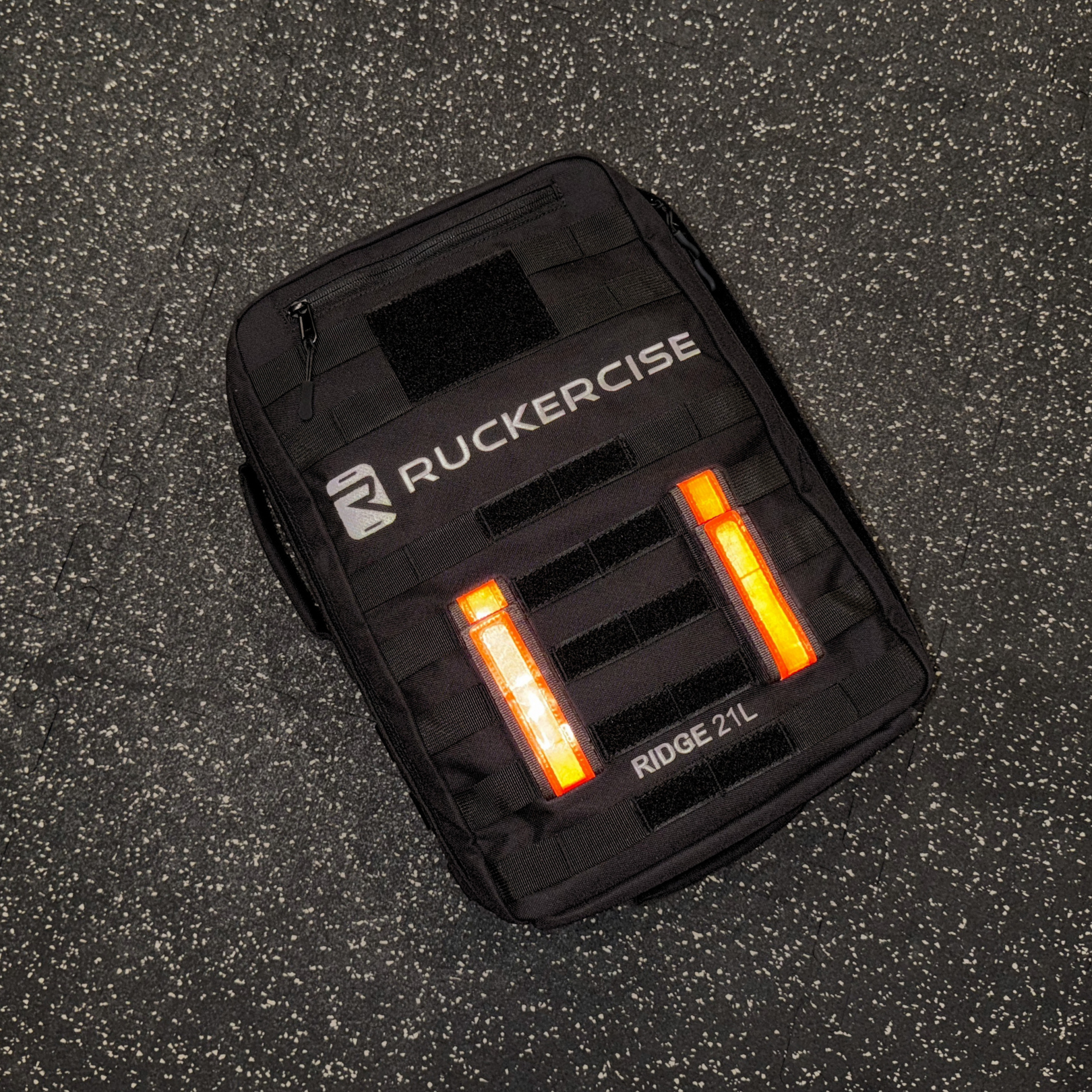
You only need one key piece of equipment: a rucksack. While any backpack can work, a dedicated rucking backpack is engineered for performance, comfort, and durability.
Explore Rucking Backpacks
02. Choose your weight
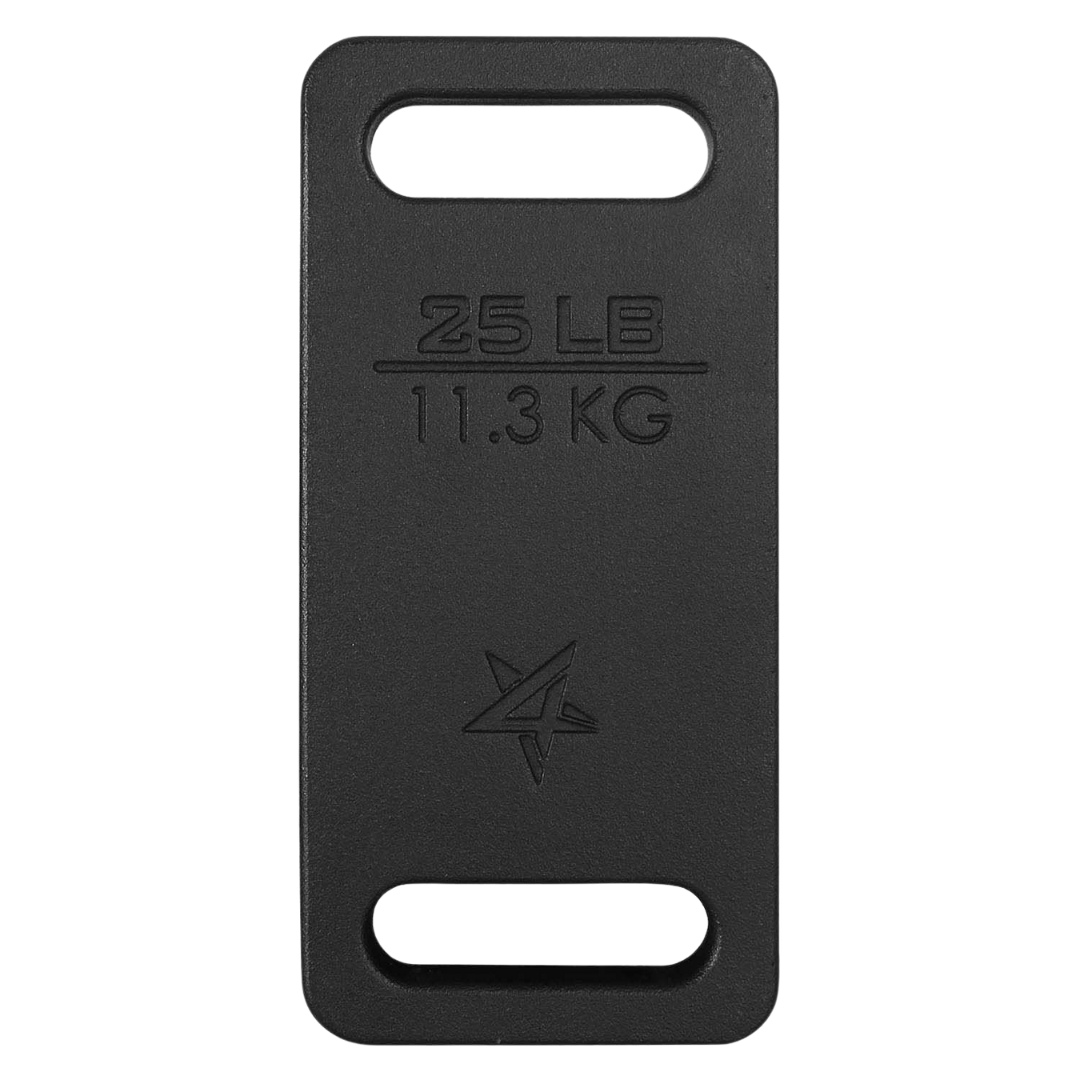
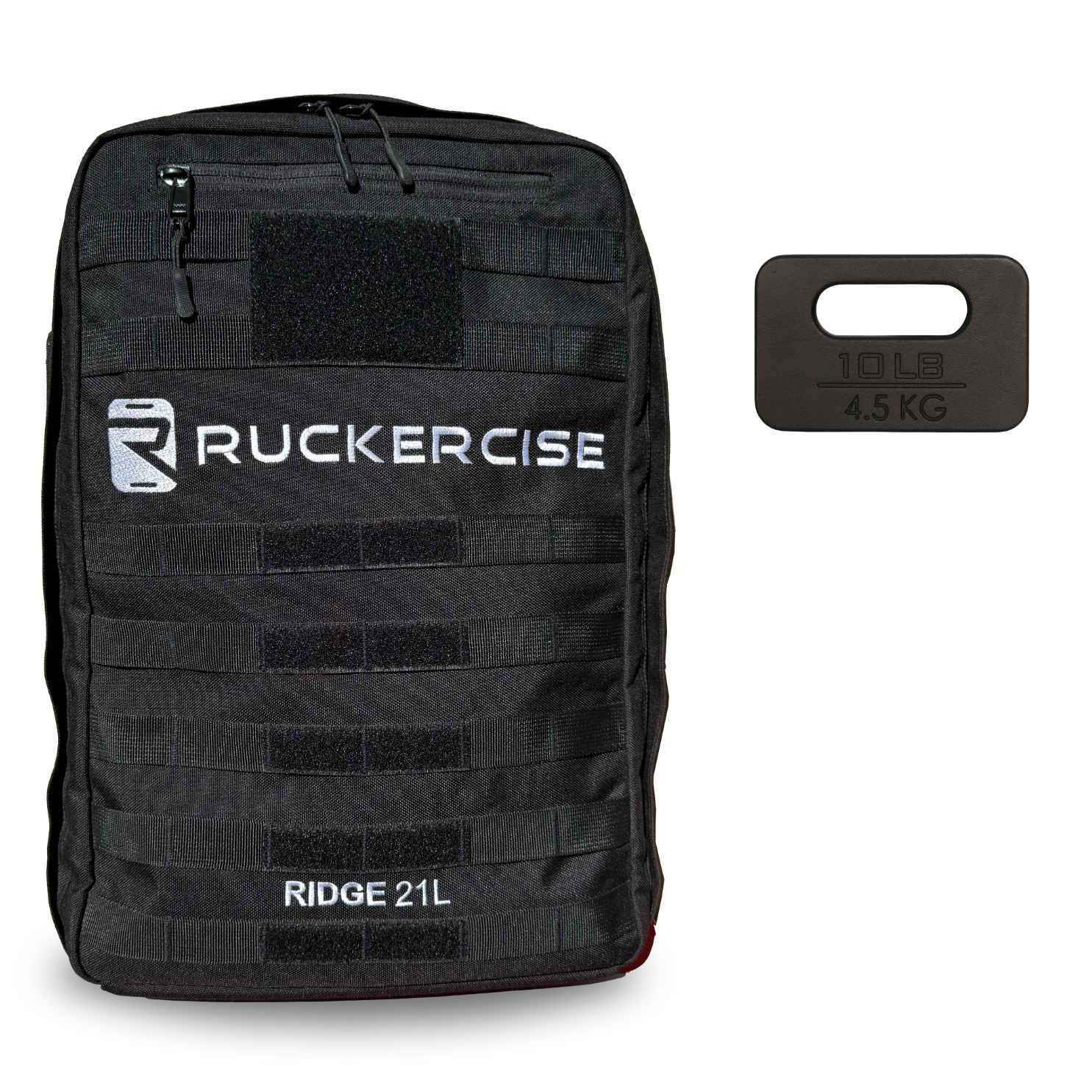
Start light. We recommend starting with 10-20 lbs or roughly 10% of your body weight. Your body needs time to adapt to the new load. It’s easy to add more weight later.
Explore weights
03. Get out and ruck
Put on your ruck and go for a walk. That's it.
For Your First Ruck, aim for 20-30 minutes at a comfortable pace.
Learn Moreultimate full body workout
Benefits of rucking
__________
Builds Full-Body Strength
Rucking engages your legs, core, back, and shoulders as they work to carry and stabilize the load.
__________
High-Performance Cardio
It elevates your heart rate more than walking, building endurance and cardiovascular health without the high-impact stress of running.
__________
Boosts Calorie Burn
Rucking can burn up to 3x the calories of walking alone. It's an efficient tool for weight management and metabolic health.
__________
Strengthens Bones
As a weight-bearing exercise, rucking helps improve bone density and resilience.
__________
Low-Impact Durability
It's easier on your joints than running. You get the intensity of a hard workout with the low-impact mechanics of walking.
__________
Get Outside
It’s a simple way to get outdoors, clear your head, and build mental toughness.
get started
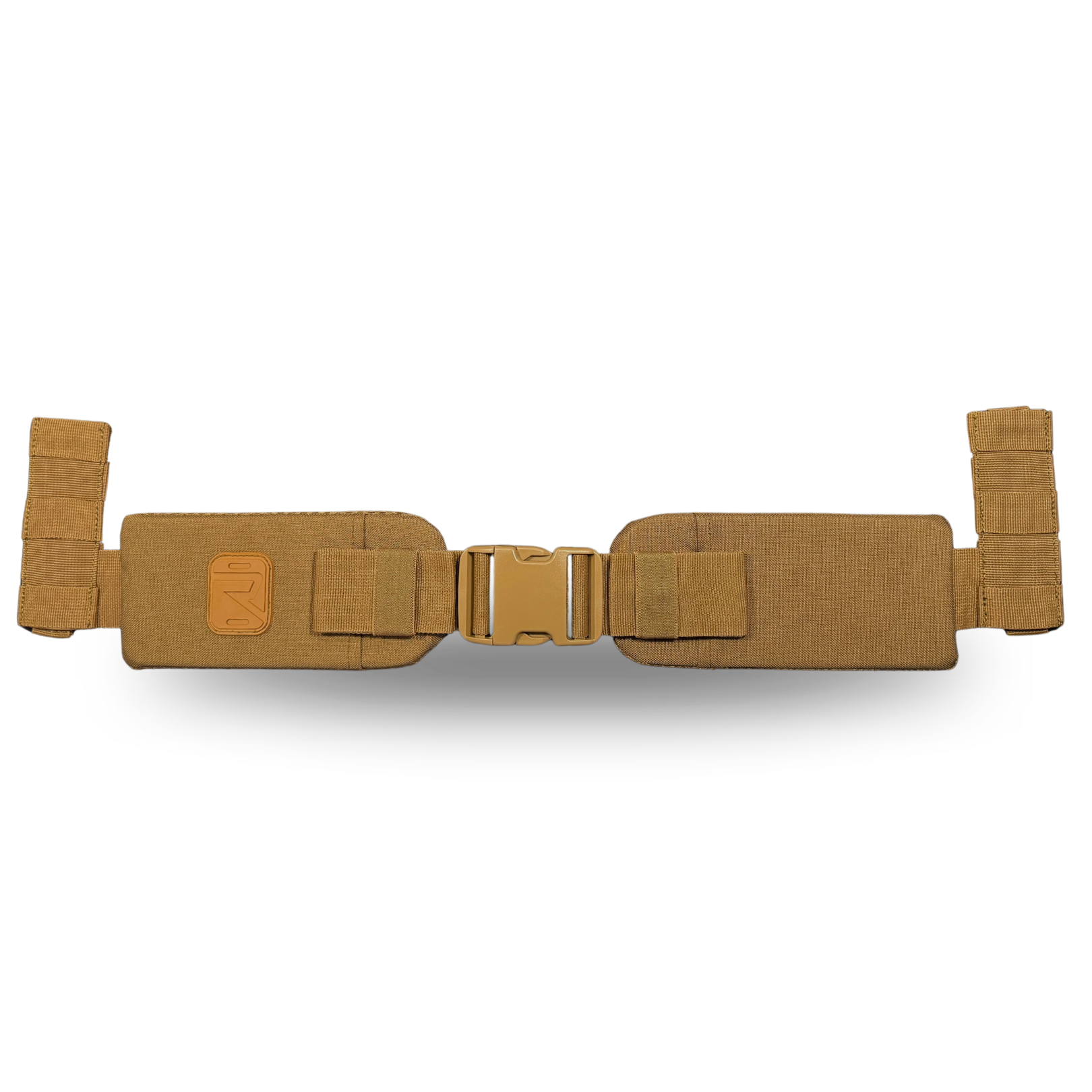
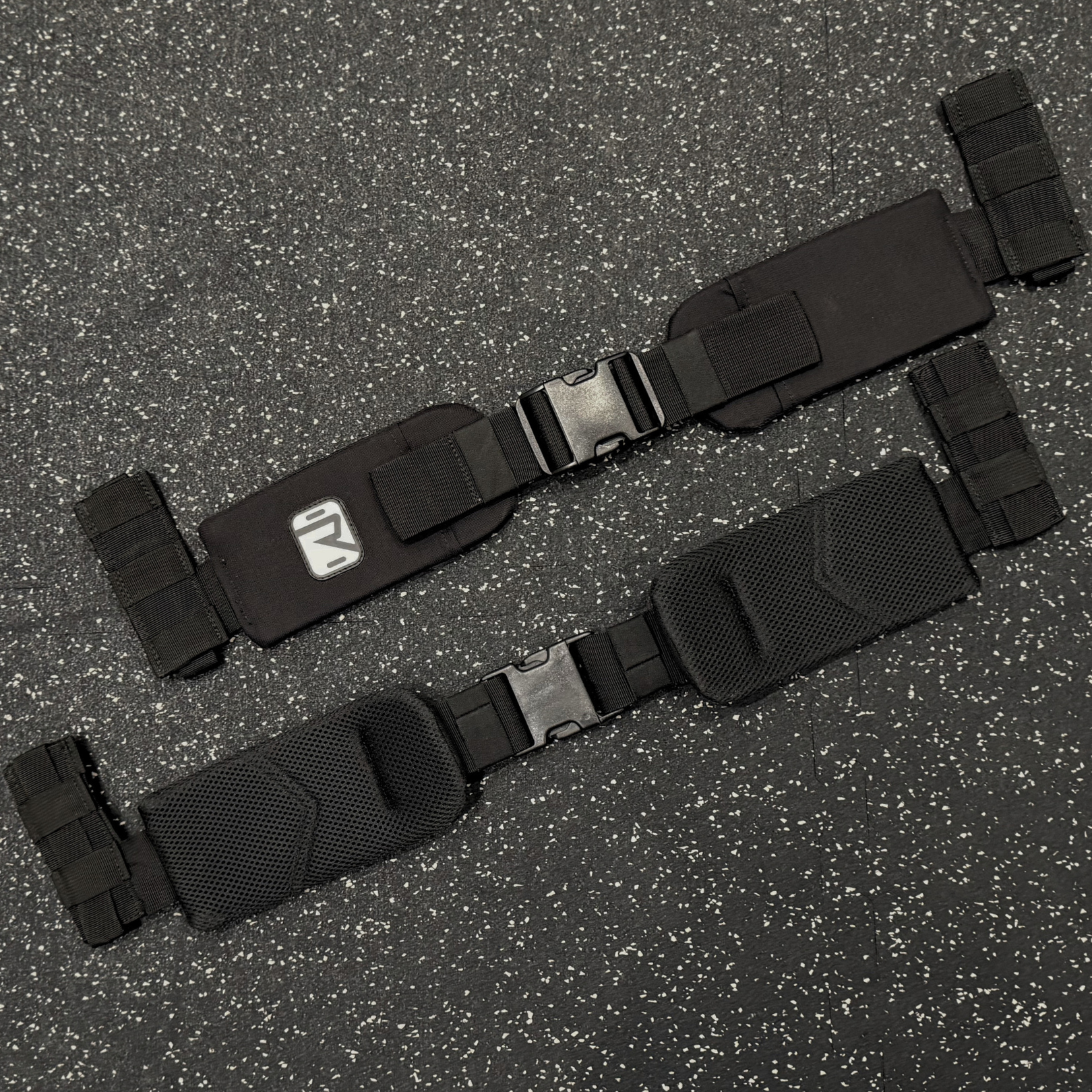
Rucking Gear
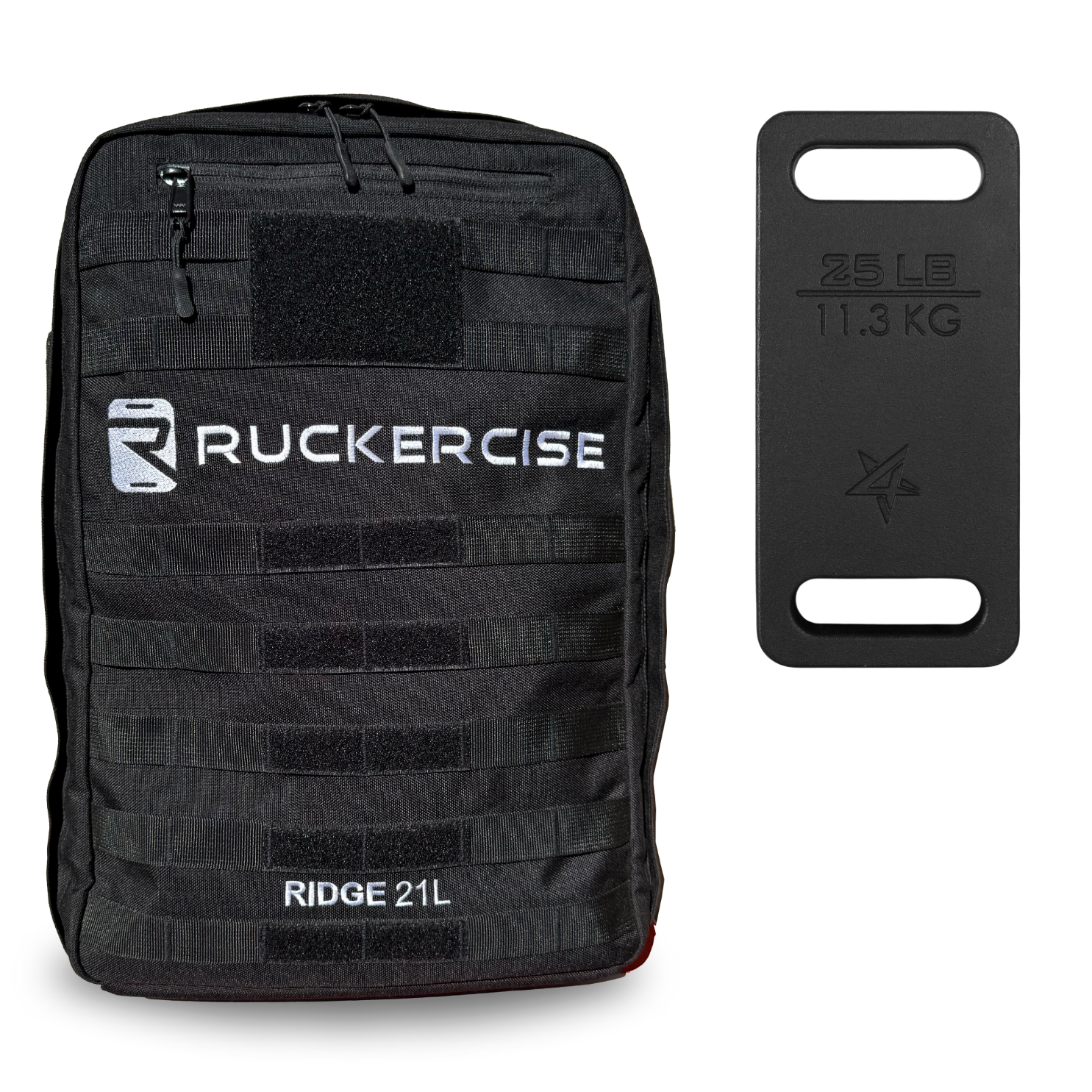
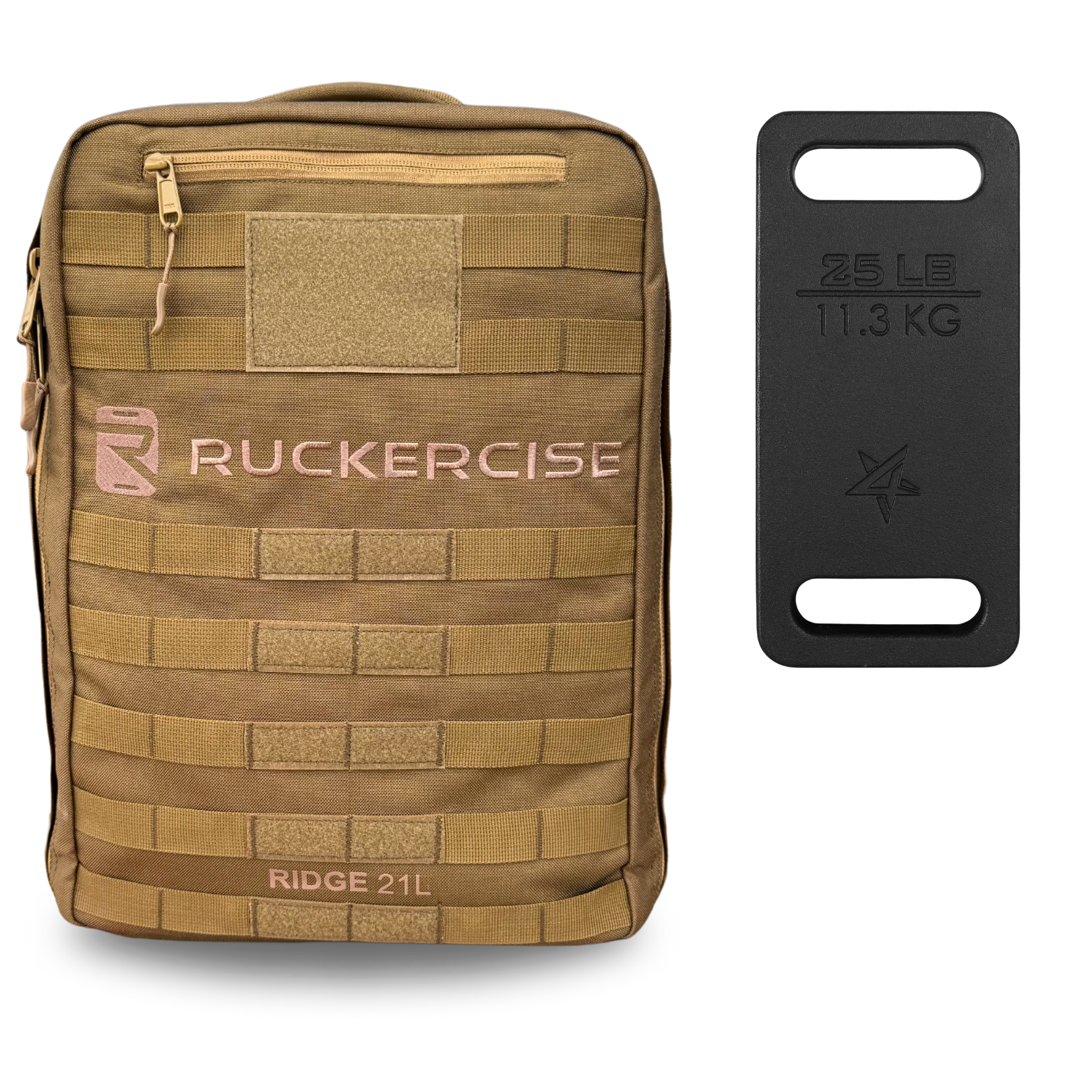
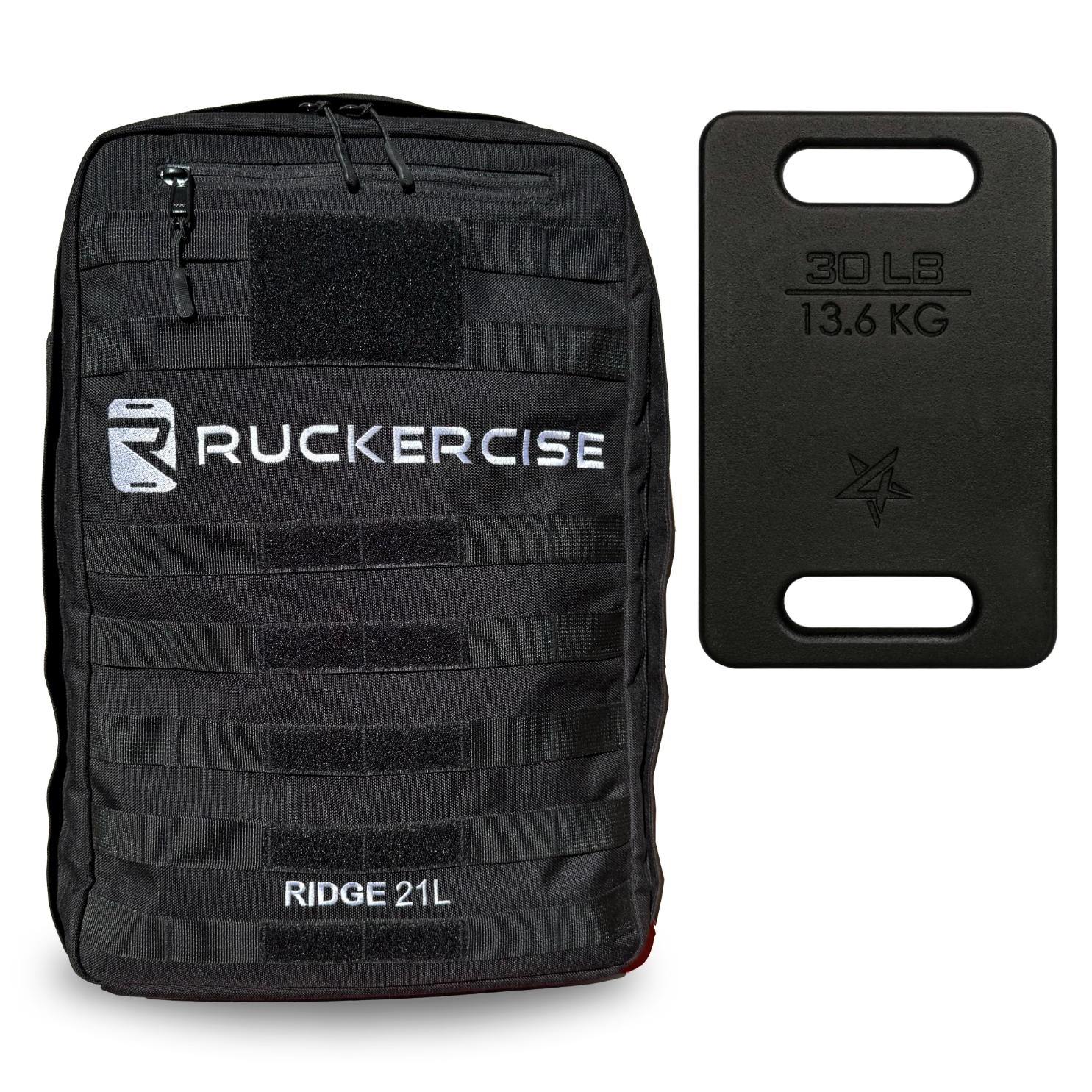
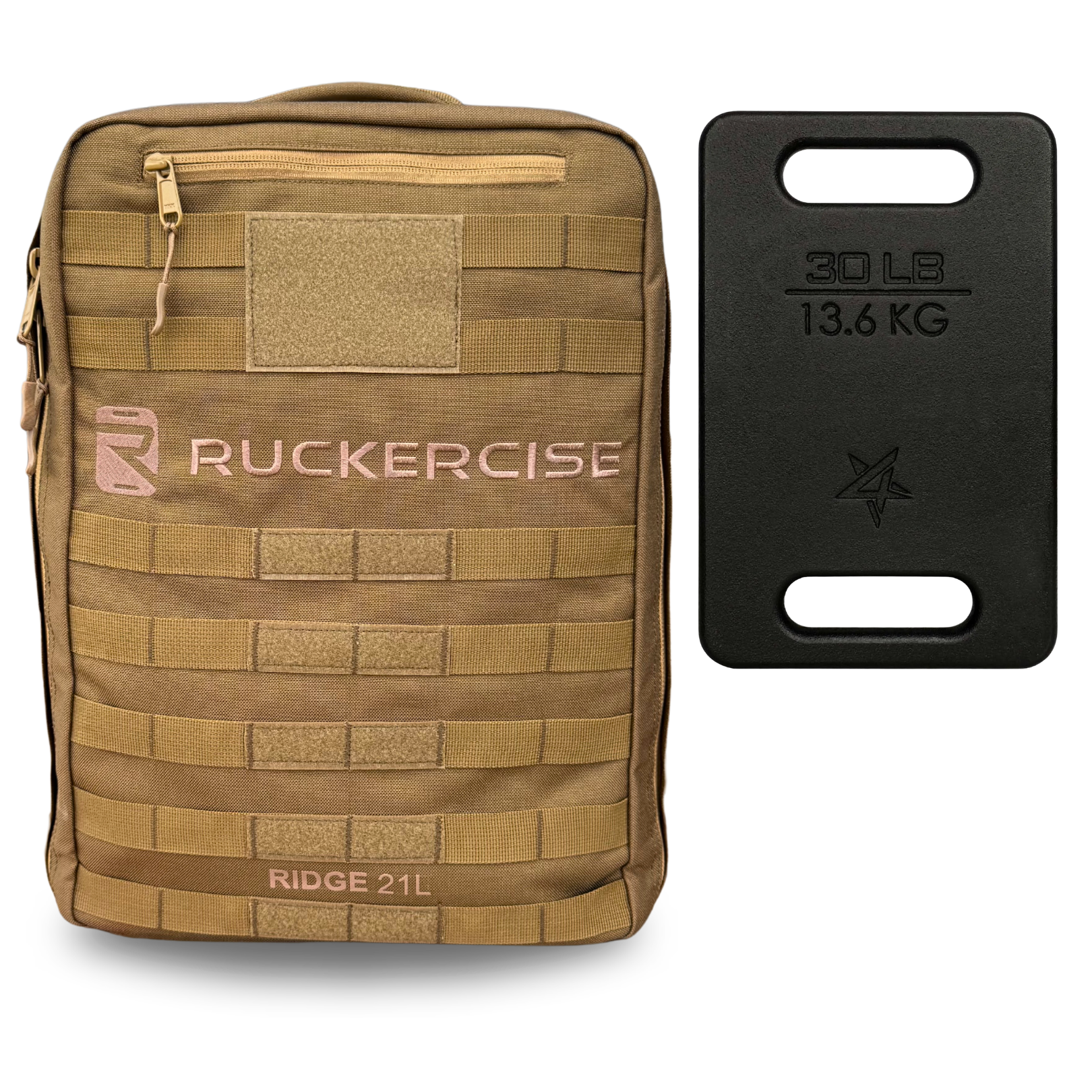




Let customers speak for us
FAQs
Frequently asked questions about starting rucking
No questions match your search.
More info
How to Start Rucking: The Ultimate Beginner's Guide
You've heard the term, seen people walking with weighted backpacks, and now you're wondering, "How do I begin rucking?" You're in the right place. Rucking is one of the most accessible, effective, and scalable forms of fitness you can do. This guide will cover exactly what to do to begin rucking, from your very first piece of gear to your very first mile.
What is Rucking, Anyway?
Rucking is, quite simply, walking with weight on your back. It has its roots in military training (from the "rucksack" soldiers carry), but it's evolved into a global fitness movement. It builds strength, endurance, and character all at the same time. If you can walk, you can ruck.
Why Begin Rucking? The Simple Benefits
People are searching for "how to start rucking" for a reason. The benefits are impressive. It's a low-impact exercise that torches calories (up to 3x more than walking), builds full-body strength, and improves your posture. Plus, it gets you outside. It’s cardio and strength training combined into one simple activity. For a complete breakdown, check out our in-depth article on the health benefits of rucking.
How to Start Rucking: Your 3-Step Plan
This is the core of what to do to begin rucking. Don't overcomplicate it. Follow these three simple steps, and you'll be rucking today.
Step 1: Get Your Gear
You only need two things: a backpack and some weight. While you *can* start with an old school bag and some dumbbells, you'll quickly want a dedicated setup for comfort and safety. A specialized rucking backpack is designed to hold weight securely and high on your back, which is critical for good posture and avoiding injury. You'll also need good shoes, but your favorite pair of walking or running shoes will work perfectly when you're just starting out.
Step 2: Load Your Ruck
If you're wondering how to begin rucking, the most common question is, "How much weight?" The answer is: start light. A good rule of thumb is 10% of your body weight for your first few rucks. If you weigh 150 lbs, start with 15 lbs. The goal is to finish your first ruck feeling good, not completely exhausted. Secure the weight inside your pack so it doesn't shift around.
Step 3: Go for Your First Ruck
Your first workout should be simple. Aim for 1-2 miles at a comfortable walking pace. Focus on your posture: stand tall, pull your shoulders back and down, and engage your core. Let your legs do the work. That's it! You just completed your first ruck.
Common Mistakes to Avoid When You Begin Rucking
- Going too heavy, too soon: This is the #1 mistake. Be patient. Let your body adapt.
- Using the wrong gear: A flimsy backpack will cause shoulder pain and shift the weight to your lower back.
- Poor posture: Don't hunch over. Keep your chest proud. This engages your core and protects your spine.
Ready to Start Your Rucking Journey?
Now you know exactly how to start rucking. The next step is to get out the door. It's a journey of a thousand miles, and it starts with a single step.
To make it even easier, we've put together everything you need in one place. The Ruckercise Rucking Bundle includes our purpose-built rucking backpack and a set of weights, so you can start your journey with the right gear from day one. Stop wondering what to do to begin rucking, and just begin.