
So, you’re ready to take your daily walk to the next level? Welcome to the world of rucking.
Whether you’re looking to burn more calories, build functional strength, or improve your cardiovascular endurance without the joint impact of running, rucking is the ultimate "cheat code." But you shouldn't just throw 50 pounds in a bag and head for the hills on day one.
At Ruckercise, we believe in training smart. This beginner rucking workout plan is designed to help you build a solid foundation, prevent injury, and turn rucking into a lifelong habit.
What is Rucking?
Simply put, rucking is walking with a weighted pack (a rucksack). It originated in the military, but it has exploded in popularity among civilian fitness enthusiasts because it bridges the gap between cardio and strength training.
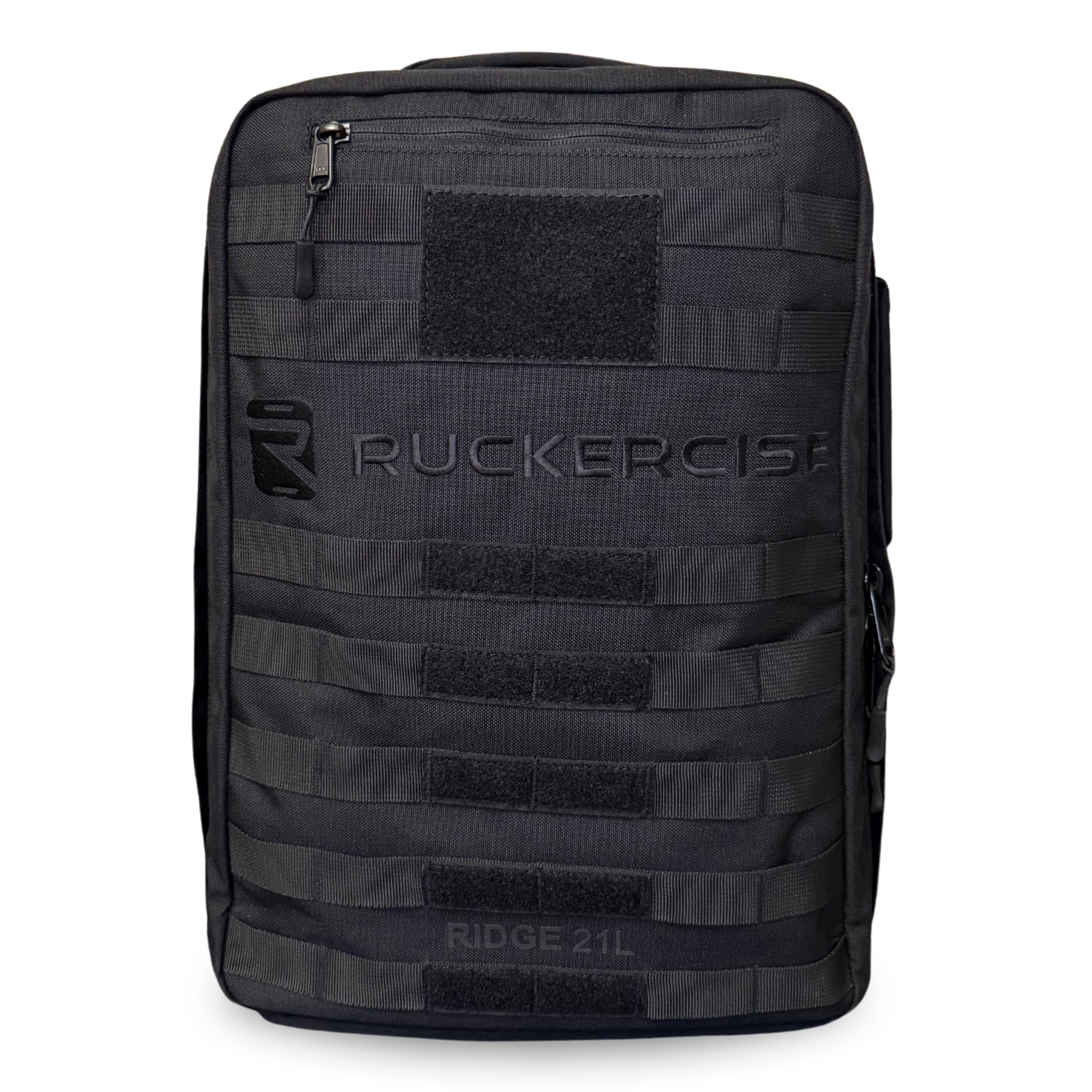
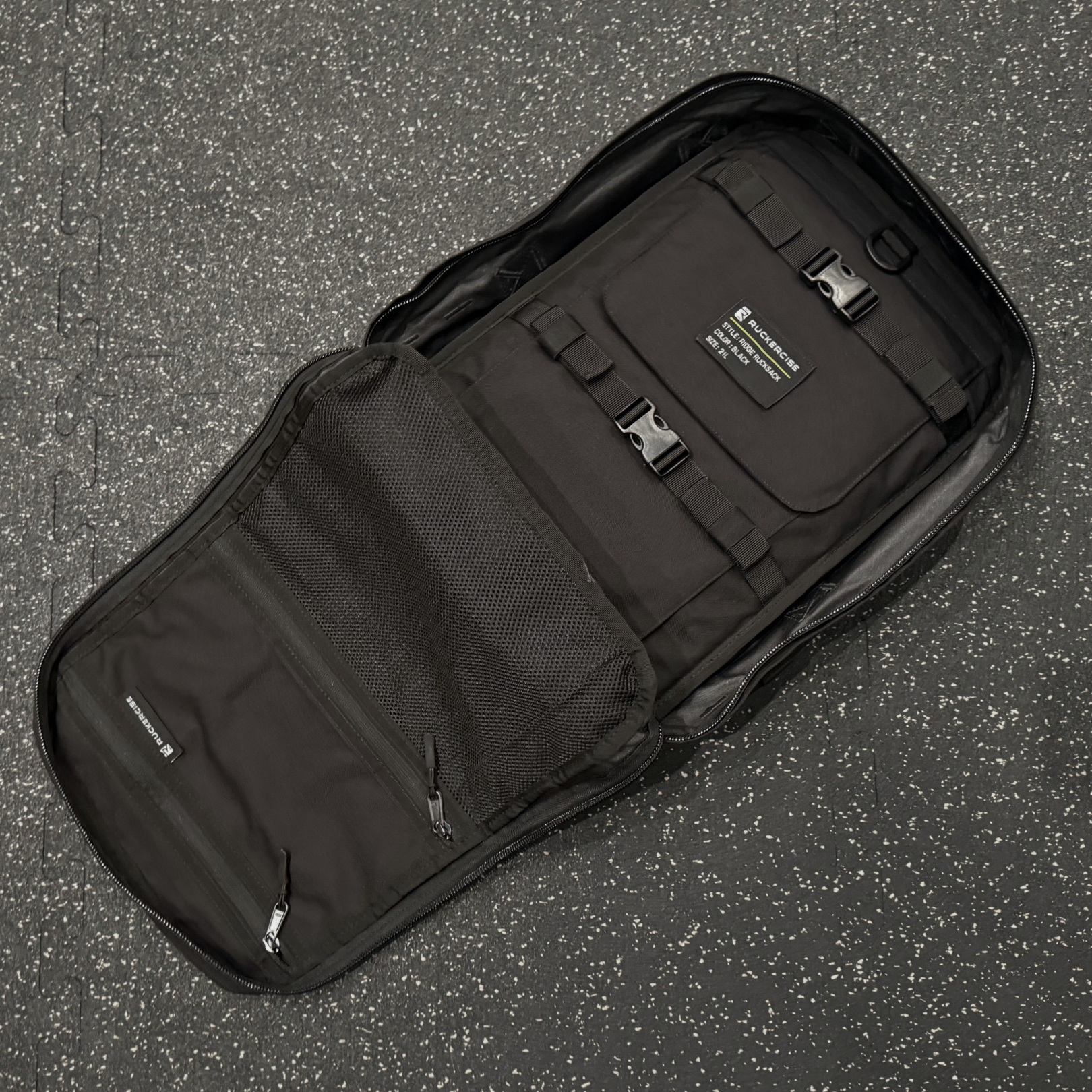
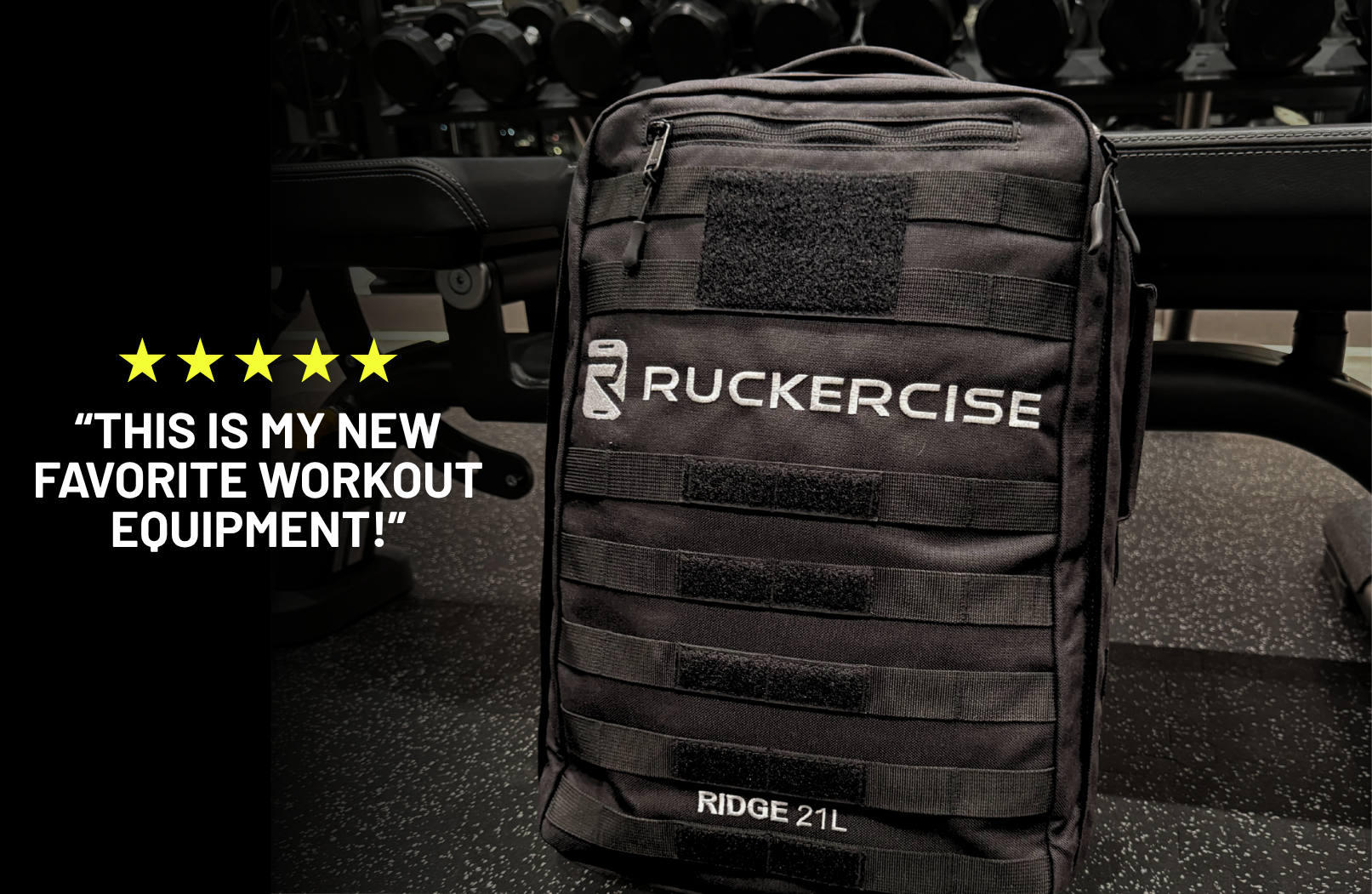
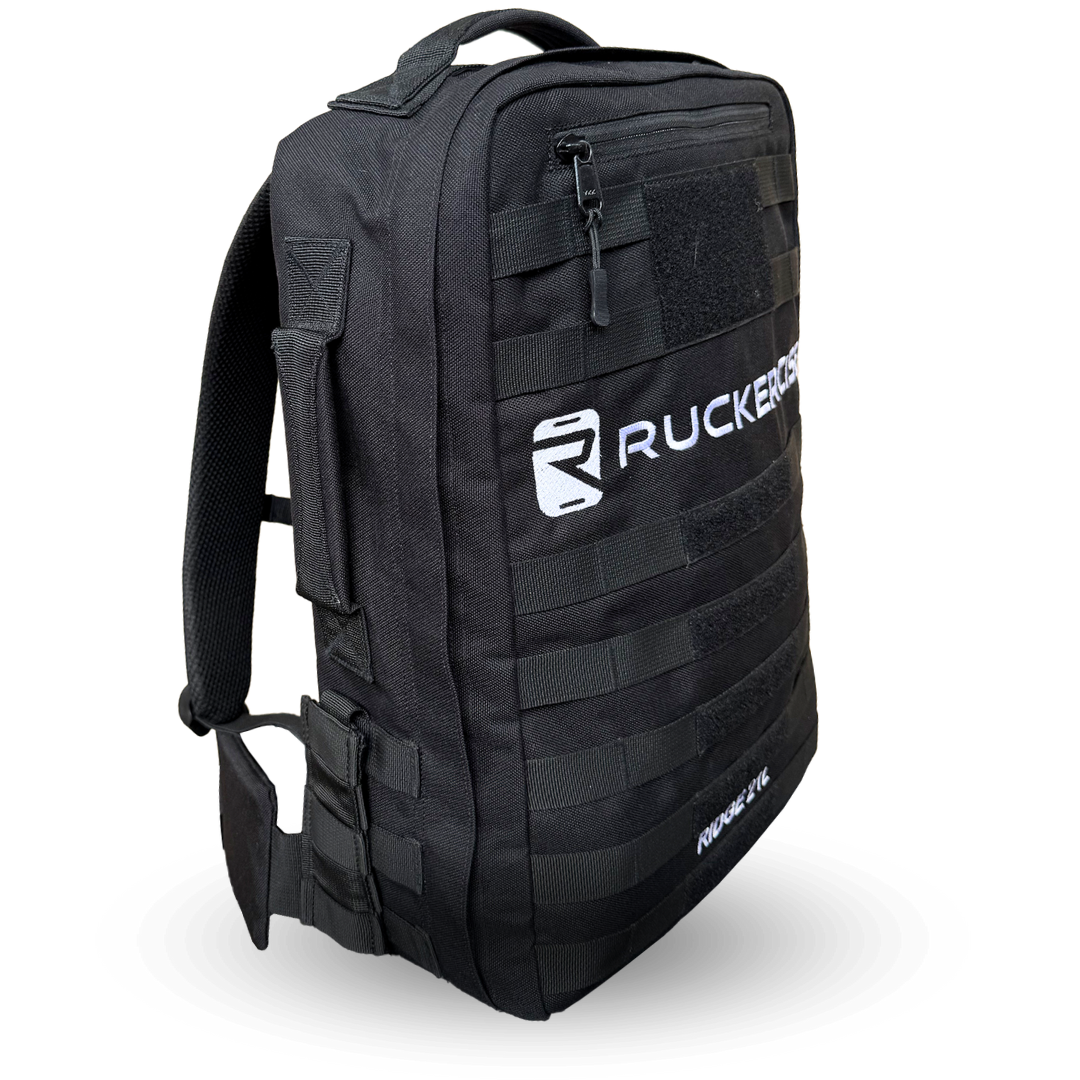
Before diving into the plan, ensure you have the right gear. If you aren't sure whether to use a traditional pack or a vest, check out our guide on Rucking Backpack vs. Weighted Vest.
The 4-Week Beginner Rucking Plan
The goal of this first month is acclimation. We want to get your shoulders, core, and feet used to the added resistance.
Week 1: The Foundation
-
Frequency: 2 sessions per week.
-
Weight: 10% of your body weight (or a flat 10–15 lbs).
-
Distance: 1–2 miles on flat terrain.
-
Goal: Focus on posture. Keep your shoulders back and your core engaged. Do not rush; maintain a steady "Zone 2" heart rate where you can still hold a conversation.
Week 2: Building Volume
-
Frequency: 2–3 sessions per week.
-
Weight: Same as Week 1.
-
Distance: 2–3 miles.
-
Goal: Consistency. Aim to finish your sessions feeling like you could have done a little more. We are building "time on feet."
Week 3: Adding Resistance
-
Frequency: 3 sessions per week.
-
Weight: Add 5 lbs (e.g., if you started at 15 lbs, move to 20 lbs).
-
Distance: 2–3 miles.
-
Goal: Notice how the extra weight changes your center of gravity. Focus on taking smaller, more frequent steps rather than long strides to protect your knees.
Week 4: Testing Your Pace
-
Frequency: 3 sessions per week.
-
Weight: Same as Week 3.
-
Distance: 3–4 miles (on one of the sessions).
-
Goal: Introduce light elevation if possible. A few small hills will significantly increase the caloric burn and build lower-body power.
3 Pro-Tips for Beginner Ruckers
1. Load the Weight High and Tight
The most common mistake beginners make is letting the weight sag to the bottom of the bag. Use a Ruckercise Rucking Backpack or a yoga block to keep the weight high and centered between your shoulder blades. This prevents lower back strain.
2. Prioritize Footwear
Don't ruck in flimsy sneakers. You need shoes or boots with good arch support and a solid outsole. Since your feet will swell slightly under the extra load, ensure your socks are moisture-wicking to prevent blisters.
3. Don’t Run (Yet)
Rucking is a "weighted walk." For beginners, "shuffling" or running with a ruck can be high-impact on the joints. Master the walk first. If you want more intensity, add more weight or find a steeper hill—don't increase your speed to a run.
Final Thoughts
Rucking is about the journey, not just the destination. By following this beginner rucking workout plan, you’re building a metabolic engine that burns fat and builds muscle simultaneously.
Ready to gear up? Explore our collection of Rucking Gear and start your journey today.
Keep reading
- How much weight should you ruck with? A chart by bodyweight
- 4 ruck workouts for stronger conditioning
- The mental and physical benefits of rucking
- How rucking can upgrade your HYROX training
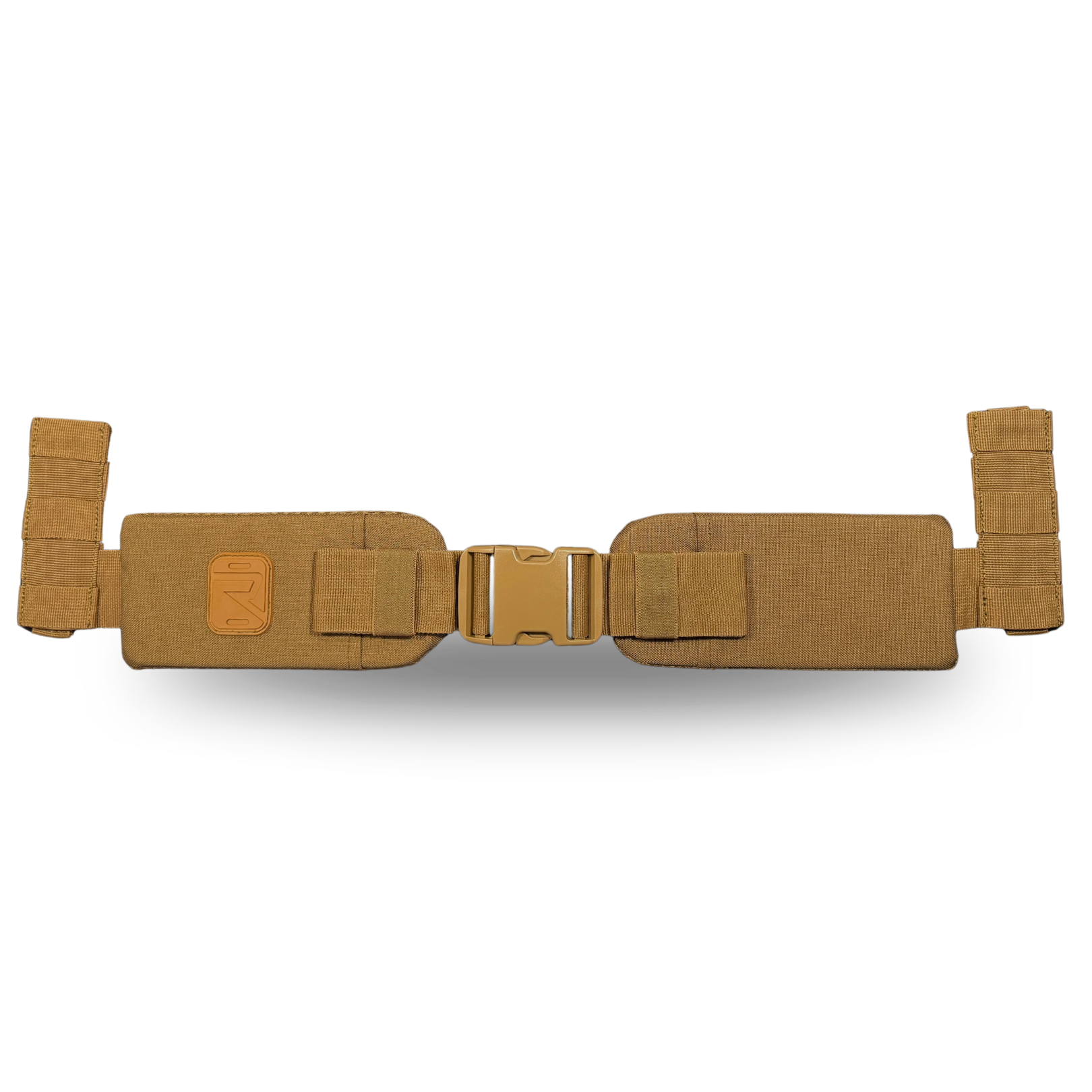
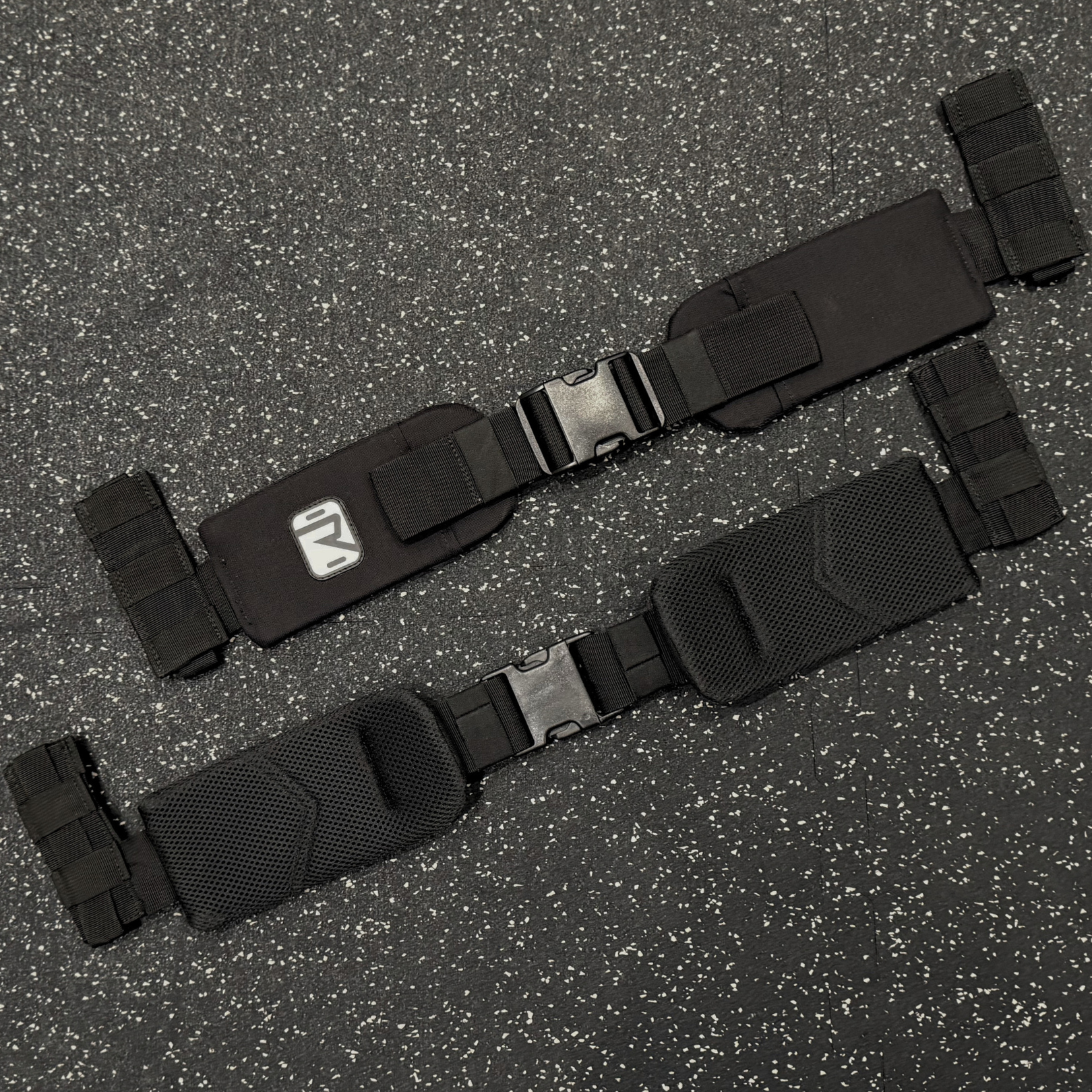
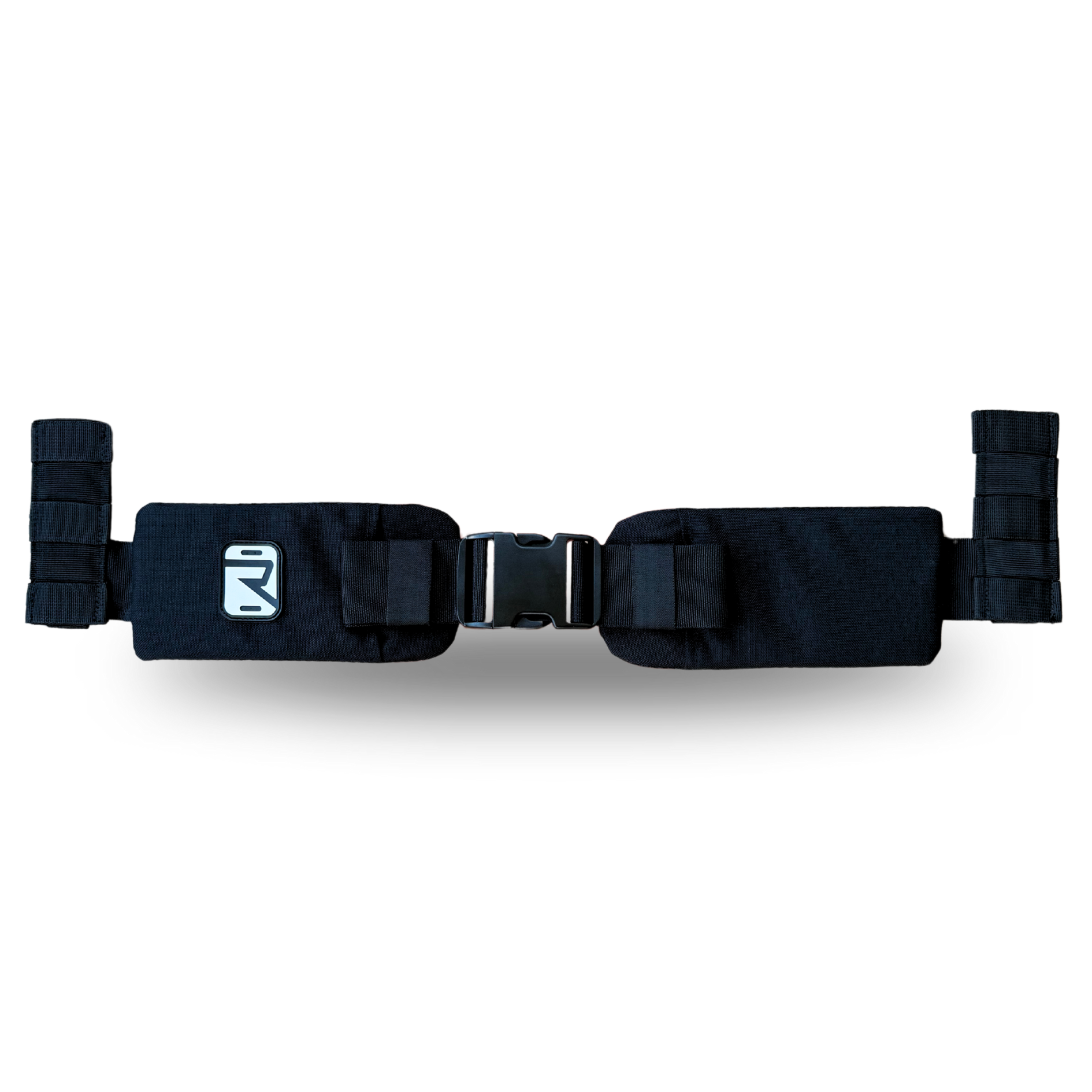
New to rucking? Begin with the Start Rucking guide. For your first load, most people start with a 10 lb or 15 lb Ruck Weight; the Complete Rucking Bundle includes pack, weight and hip belt.