
Quick Summary: Ruck workouts challenge the whole body by combining loaded walking with cardio, strength, and endurance. The article ranks four main types: steady base rucks for beginners, intervals for faster conditioning, hill repeats for leg strength, and combined circuits for full-body fitness. Choosing the right workout depends on your goals, recovery, and skill level, with most people starting with 2-3 sessions weekly.
A good ruck should test more than your legs. The best ruck workouts challenge posture, lungs, grip, and grit all at once. Most people know ruck workouts work, but they are not sure which ones fit fat loss, endurance, or strength endurance. This guide ranks 4 proven ruck workouts so you can train with purpose. We chose each session for full-body demand, cardio load, scaling options, lower injury risk, and real-world carryover for new and advanced ruckers.
Quick Comparison
| Workout | Best for | Intensity | Load | Terrain |
|---|---|---|---|---|
| Steady Base Ruck | Beginners, base building, and low-impact cardio | Low to moderate | Light to moderate | Flat paths, trails, or neighborhood routes |
| Ruck Intervals | Faster conditioning gains and performance improvement | Moderate to high | Light to moderate | Flat routes, rolling hills, or treadmills |
| Hill Ruck Repeats | Leg strength endurance and uphill capacity | High | Light to moderate | Inclines, trails, stairs, or bridges |
| Ruck + Bodyweight Circuit | Total-body conditioning and hybrid fitness | Moderate to high | Light to moderate | Parks, open spaces, trails, or fitness routes |
What to know about ruck workouts
Ruck workouts mean walking or hiking with weight on your back. They build cardio fitness, leg endurance, and trunk strength at the same time, without turning every session into a run.
That mix makes rucking useful for full body fitness right now. You can scale it from an easy recovery walk to hard conditioning, just by changing load, pace, hills, or time.
Good ruck training feels practical, not fancy. It carries over to fat loss, work capacity, and real-world strength.
1. Steady Base Ruck
A steady base ruck is the easiest way to build full-body conditioning without beating up your joints. You walk with a light to moderate load, keep posture tall, and stack simple sessions over time. Research on weighted walking and load carriage supports the aerobic and whole-body demand.
Highlights
- Great for beginners and consistency-focused training
- Supports Zone 2-style aerobic conditioning
- Easy to repeat 1-3 times per week
- Builds posture, trunk stability, and leg endurance
Specs
- Best for: Beginners, base building, and low-impact cardio
- Intensity: Low to moderate
- Load: Light to moderate
- Terrain: Flat paths, trails, or neighborhood routes
Pros & Cons
Pros: Easy to recover from | Highly scalable | Excellent for habit building
Cons: Less explosive than interval-based sessions | Can feel too easy for advanced athletes
It ranks first because it gives the biggest conditioning return for the lowest barrier to entry.
2. Ruck Intervals
Ruck intervals mix hard pushes with easy recovery segments. You get a bigger cardio hit without losing the low-impact feel of loaded walking, and uphill grades raise cardiorespiratory demand even more, according to load carriage research.
Highlights
- Improves pace and conditioning fast
- Stays engaging on roads, tracks, trails, or treadmills
- Easy to scale by time, distance, or incline
Specs
- Best for: Faster conditioning gains and performance improvement
- Intensity: Moderate to high
- Load: Light to moderate
- Terrain: Flat routes, rolling hills, or treadmills
Pros & Cons
Pros: Strong cardio stimulus | Easy to progress | Great time efficiency
Cons: Harder to recover from than steady rucks | Heavy loads can worsen posture and fatigue, especially as load carriage stress rises
It ranks second because it helps you move past basic distance work and build conditioning quickly.
Also read: How much weight should you ruck with? A chart by bodyweight
3. Hill Ruck Repeats
Hill repeats turn each climb into a strength-endurance drill for your legs and lungs. Uphill loaded walking raises cardiorespiratory demand with grade, and slope plus pack load also increases hip and leg work, according to U.S. Army load-carriage research.
Highlights
- Builds climbing strength and stamina
- Hits glutes and calves hard
- Great for tactical and outdoor athletes
- Makes flat-ground rucking feel easier
Specs
- Best for: Leg strength endurance and uphill capacity
- Intensity: High
- Load: Light to moderate
- Terrain: Inclines, trails, stairs, or bridges
Pros & Cons
Pros: Very effective for conditioning | No special equipment required | Strong carryover to hiking and tactical movement
Cons: Can overload calves and Achilles if rushed | Not ideal for brand-new ruckers
It ranks third because hills boost conditioning fast and build durable leg strength without a gym.
Also read: How rucking can upgrade your HYROX training
4. Ruck + Bodyweight Circuit
This bodyweight ruck workout mixes loaded walking with pushups, squats, lunges, and core work. It keeps your heart rate up while training major muscle groups, which fits CDC adult activity guidance and the full-body feel many ruck workouts miss.
Highlights
- Combines cardio and strength endurance
- Adds upper-body and core stress
- Great for coaches and group training
Specs
- Best for: Total-body conditioning and hybrid fitness
- Intensity: Moderate to high
- Load: Light to moderate
- Terrain: Parks, trails, and open routes
Pros & Cons
Pros: Full-body emphasis | Easy to customize
Cons: More fatiguing than a pure ruck | Needs crisp form, since bodyweight work counts toward muscle strengthening
It ranks fourth because it delivers the clearest all-around training effect.
How to choose the right ruck workout
Pick the workout that matches your goal, recovery, and skill under load. For most people, the steady base ruck is the safest starting point because it supports steady progress and repeatable training.
- Choose a steady base ruck for aerobic fitness, habit building, and low-impact calorie burn.
- Pick ruck intervals if you recover well and want faster conditioning gains.
- Use hill repeats for climbs, leg strength, and uphill stamina.
- Go with a ruck + bodyweight circuit for the clearest full-body effect.
- Save tempo or heavy-load work until posture, breathing, and footwork stay solid.
Best rule: pair one easier ruck with one harder ruck each week.
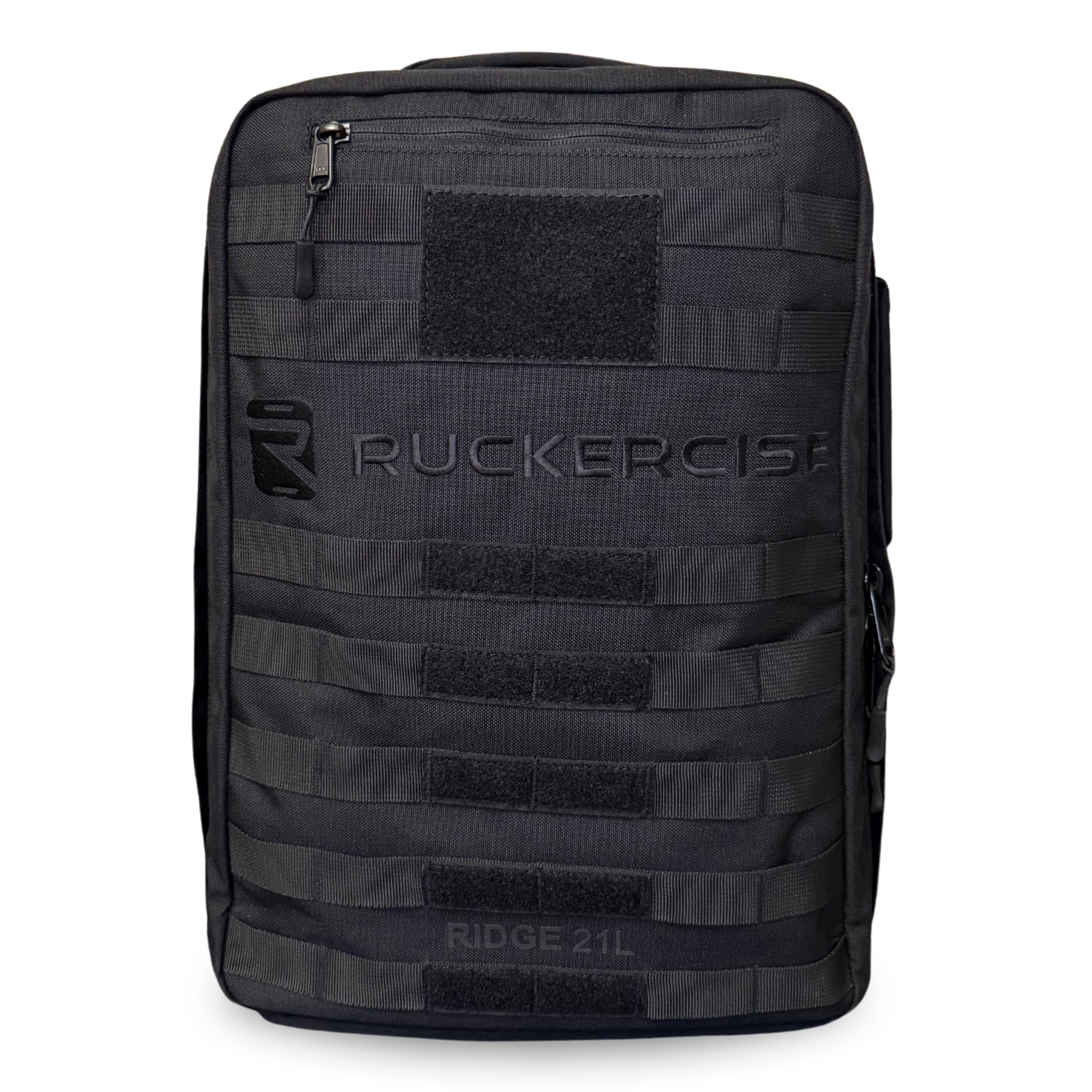
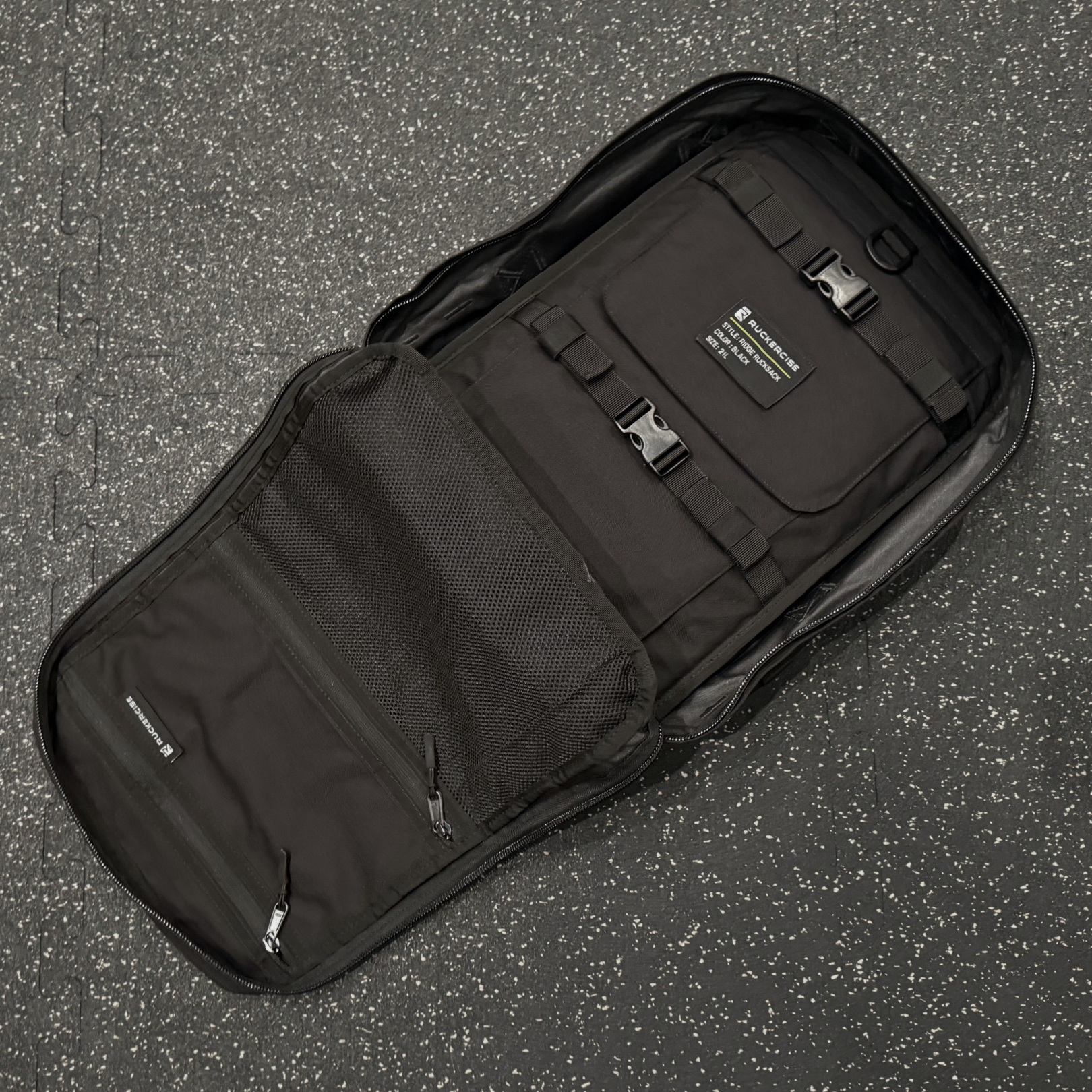
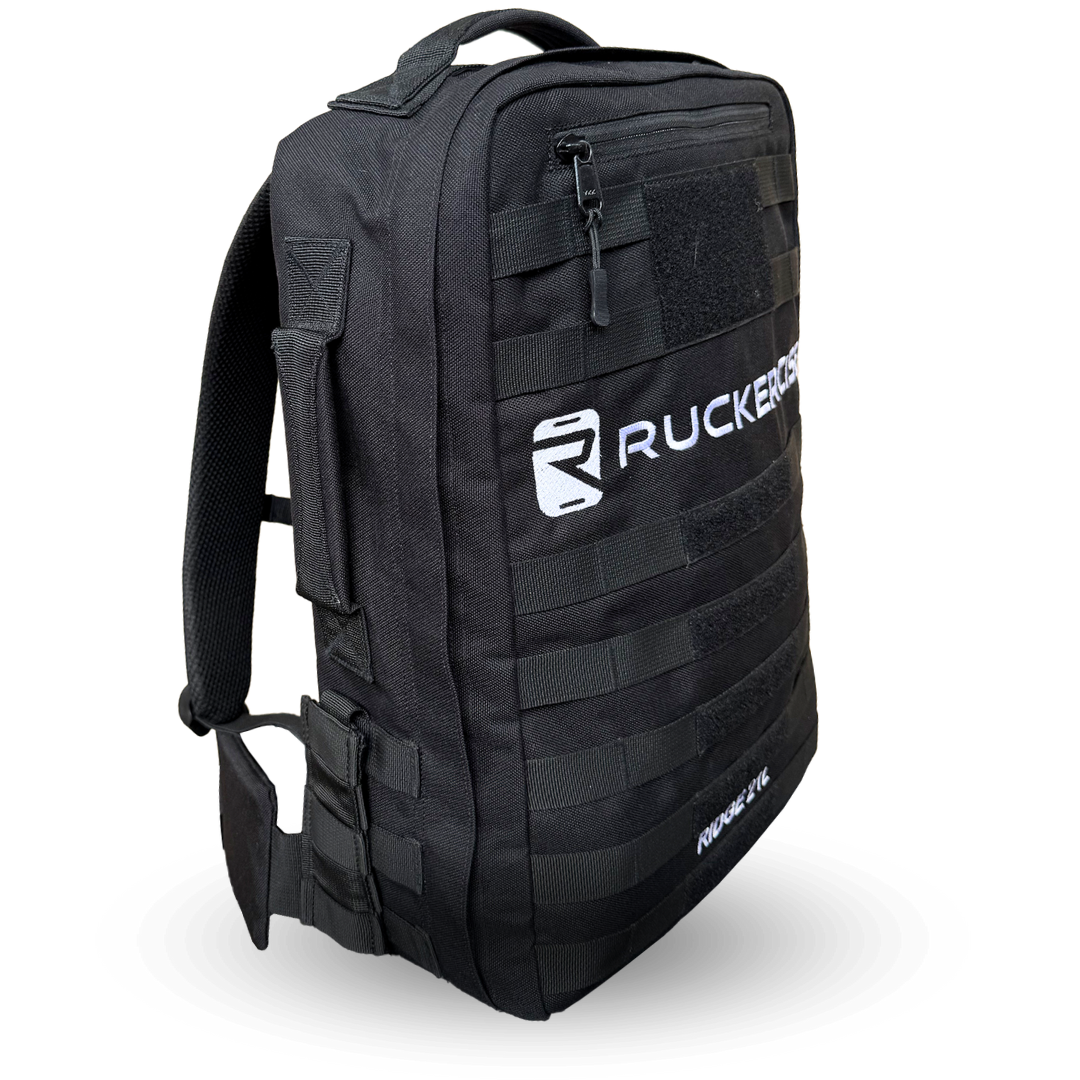
Pick one workout, load smart, and train with gear that lasts. The Ridge Rucking Backpack, a flat Ruck Weight and the Complete Rucking Bundle are built for exactly this kind of training.
Keep reading
- The mental and physical benefits of rucking
- Rucking backpack vs. weighted vest
- 3 simple steps to start rucking
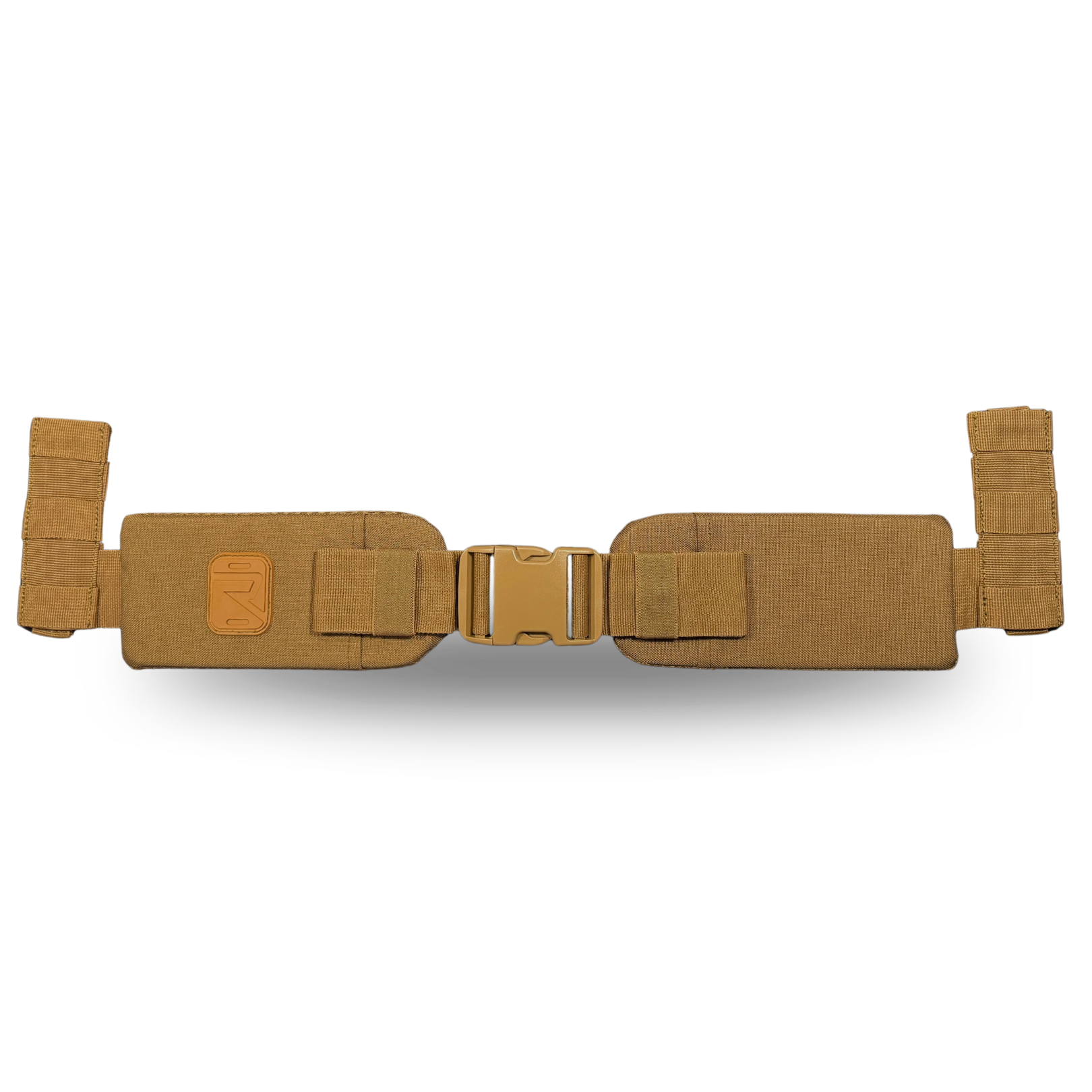
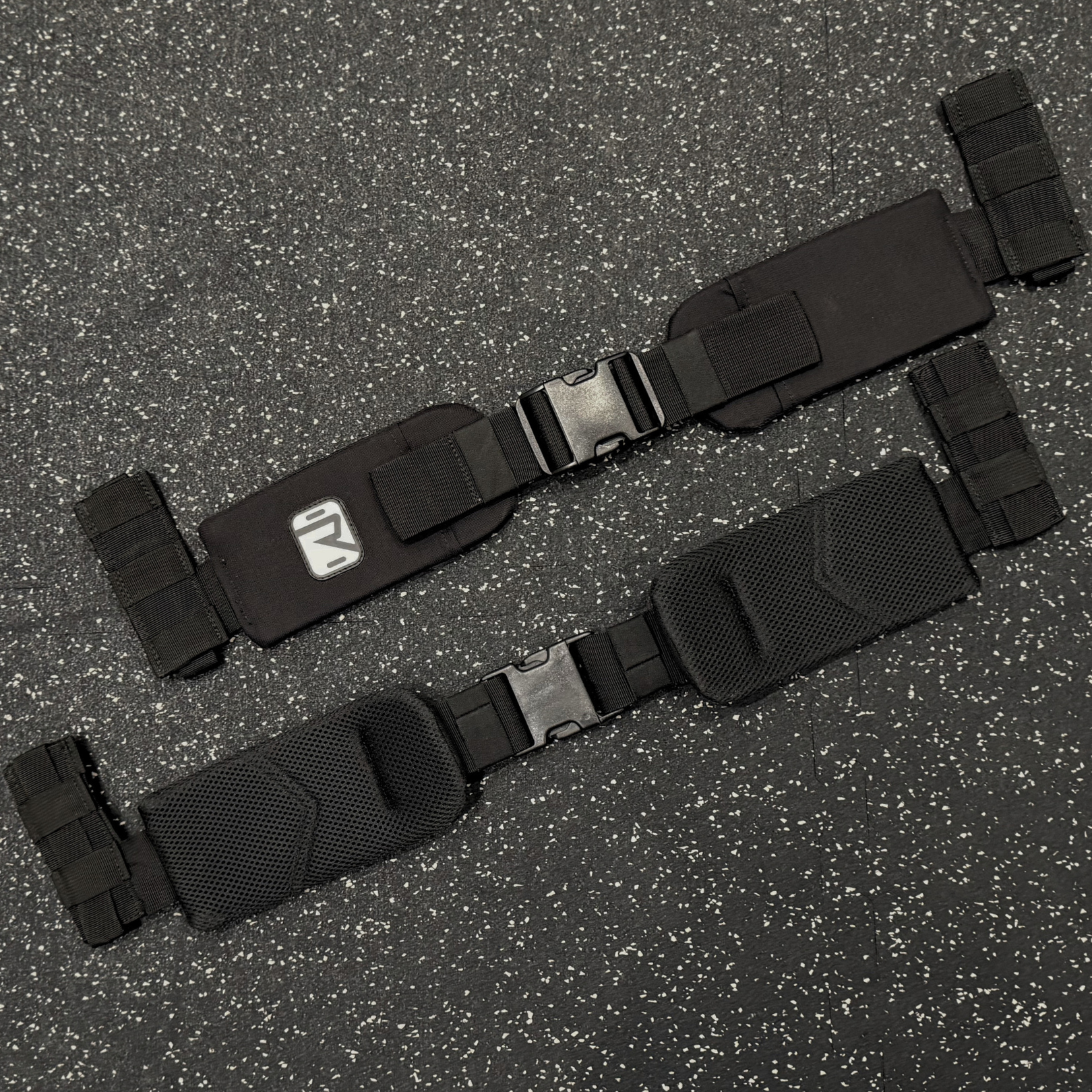
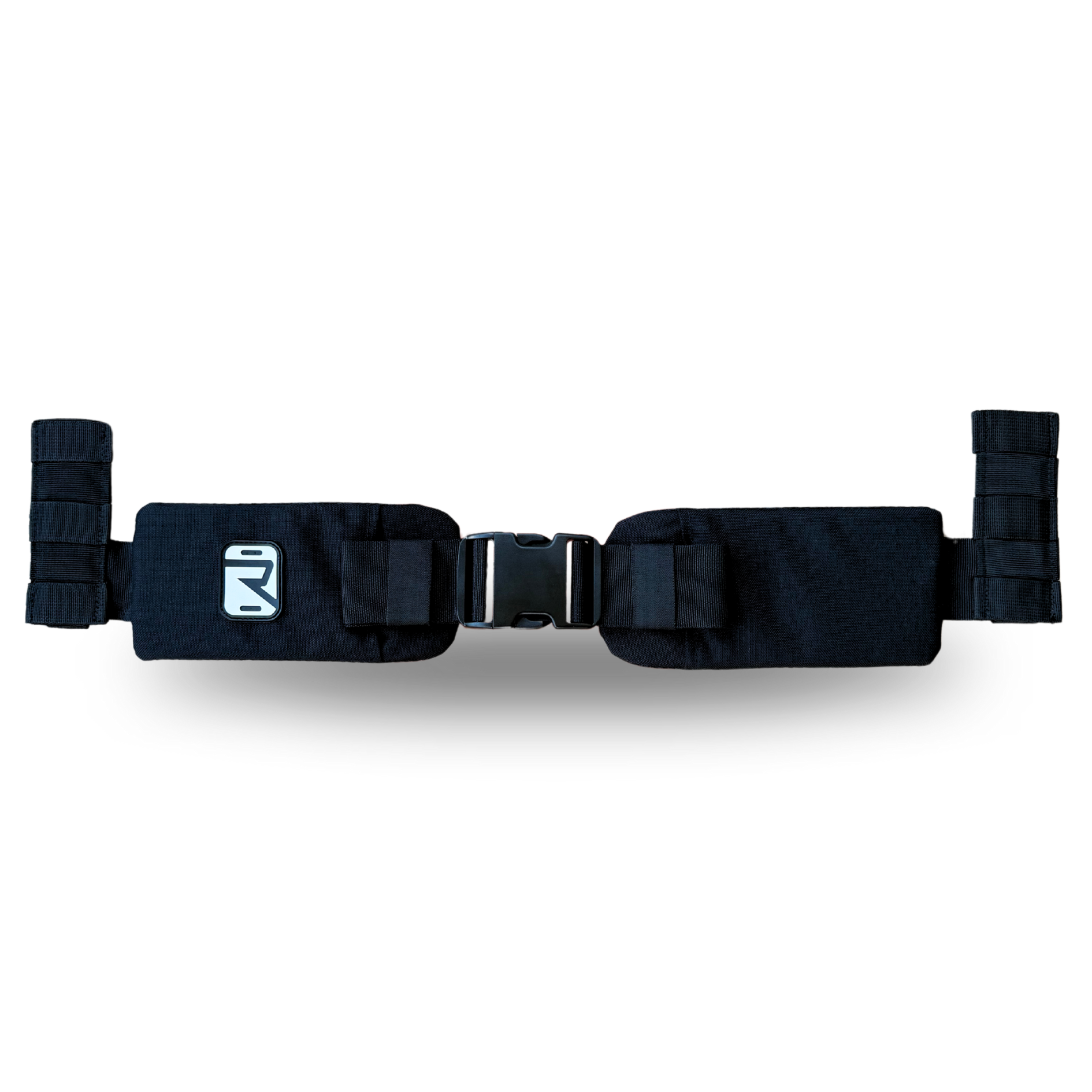
New to rucking? Begin with the Start Rucking guide. For hill repeats and longer sessions, a padded hip belt keeps the load off your shoulders.