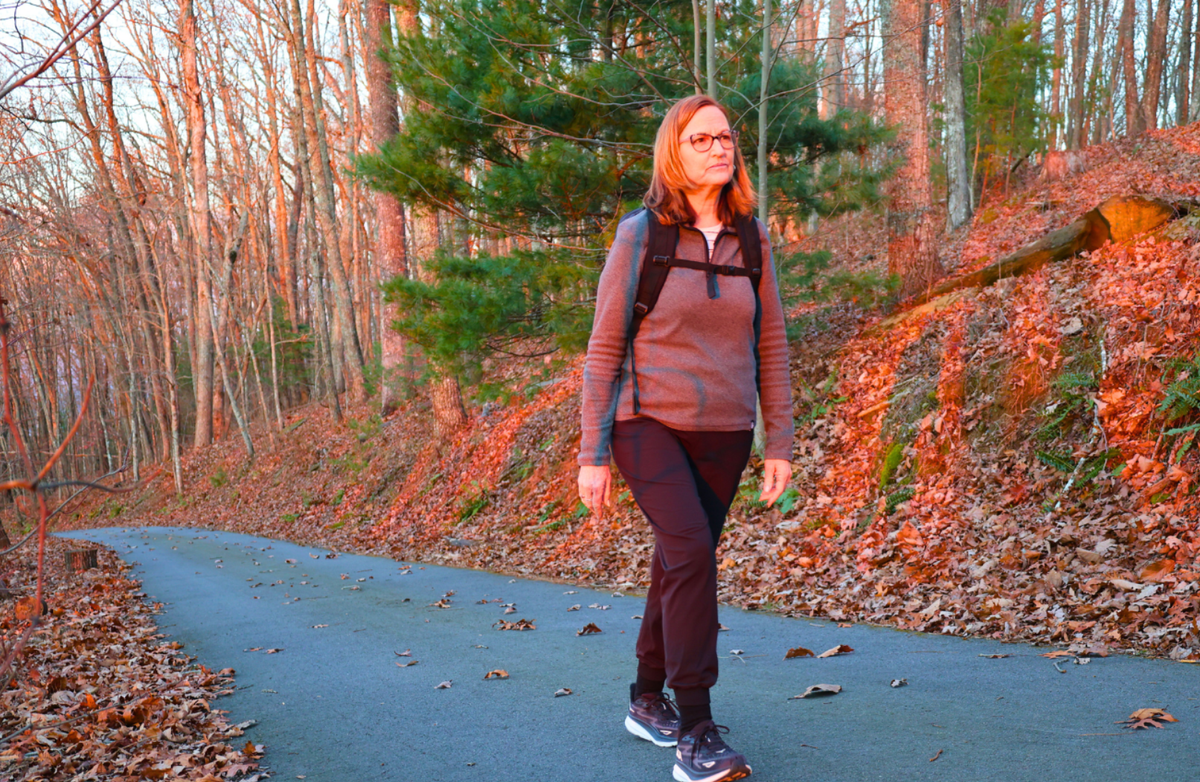
Walking with a weighted backpack on a neighbourhood path
Beginner

What Is the Weighted Backpack Method? How to Do It Right

The weighted backpack method is walking with a loaded pack. Here is how much weight to use, how often to walk and how to progress safely.
Ruckercise cast iron Ruck Weight on a gym floor
Beginner

How Much Weight Should You Ruck With? A Chart by Bodyweight

Start with about 10% of your bodyweight. Use the chart to find your starting, building and experienced loads, then learn how fast to add weight and the signs your ruck is too heavy.
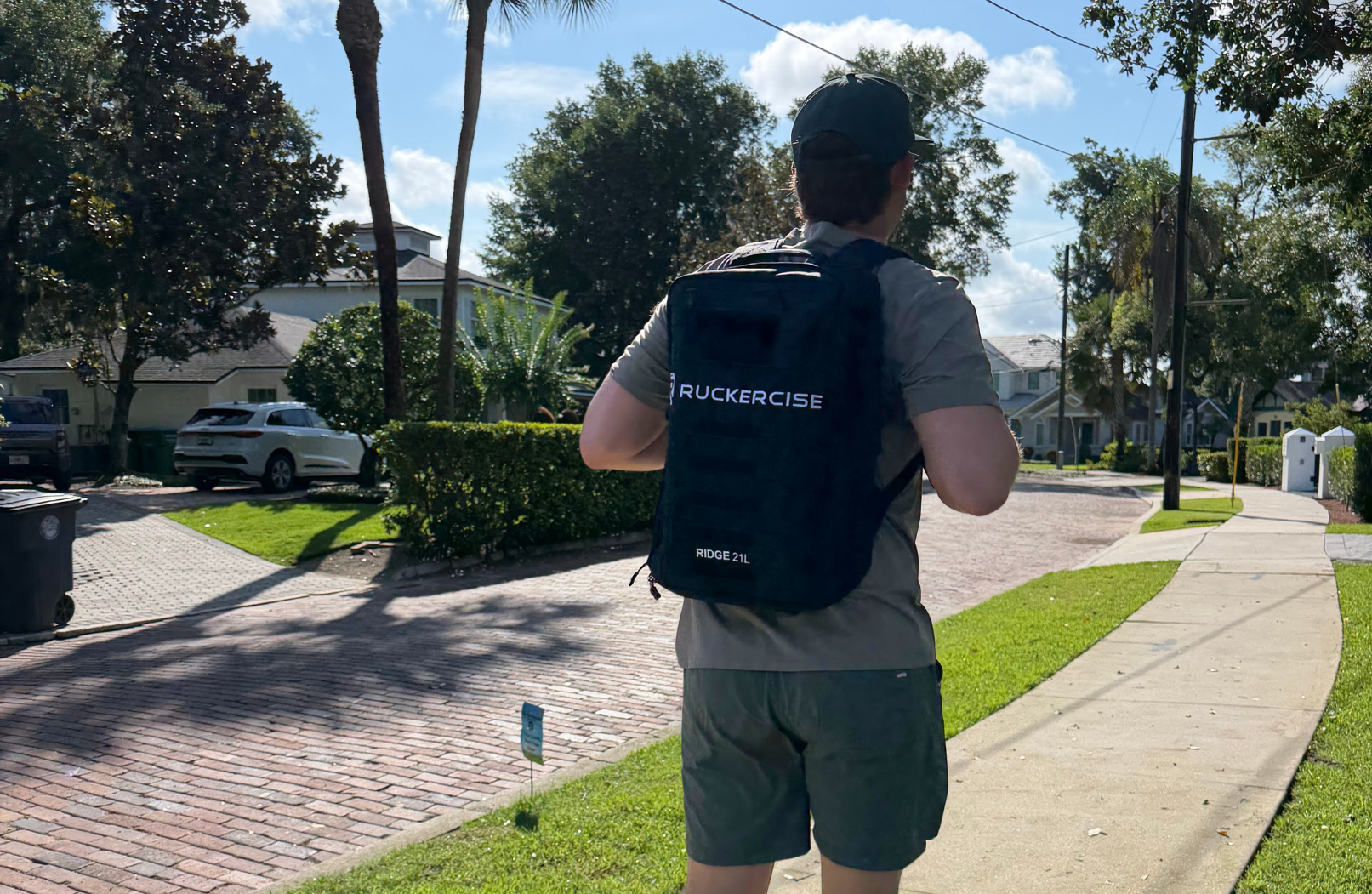
Full Body Fitness: 4 Ruck Workouts for Stronger Conditioning
Workouts

Full Body Fitness: 4 Ruck Workouts for Stronger Conditioning

Four ruck workouts ranked for full-body conditioning: steady base rucks, intervals, hill repeats and a ruck + bodyweight circuit, with who each one suits.

How Rucking Can Upgrade Your HYROX Training (And Build Unstoppable Endurance)
HYROX

How Rucking Can Upgrade Your HYROX Training (And Build Unstoppable Endurance)

Rucking builds the low-impact Zone 2 base, load-bearing strength and posture that HYROX demands. Here is why it works and how to fit it into your week.
Beginner Rucking Workout Plan: How to Start Your Weighted Walking Journey
Beginner

Beginner Rucking Workout Plan: How to Start Your Weighted Walking Journey

The beginner rucking workout plan is designed to help you build a solid foundation, prevent injury, and turn rucking into a lifelong habit.
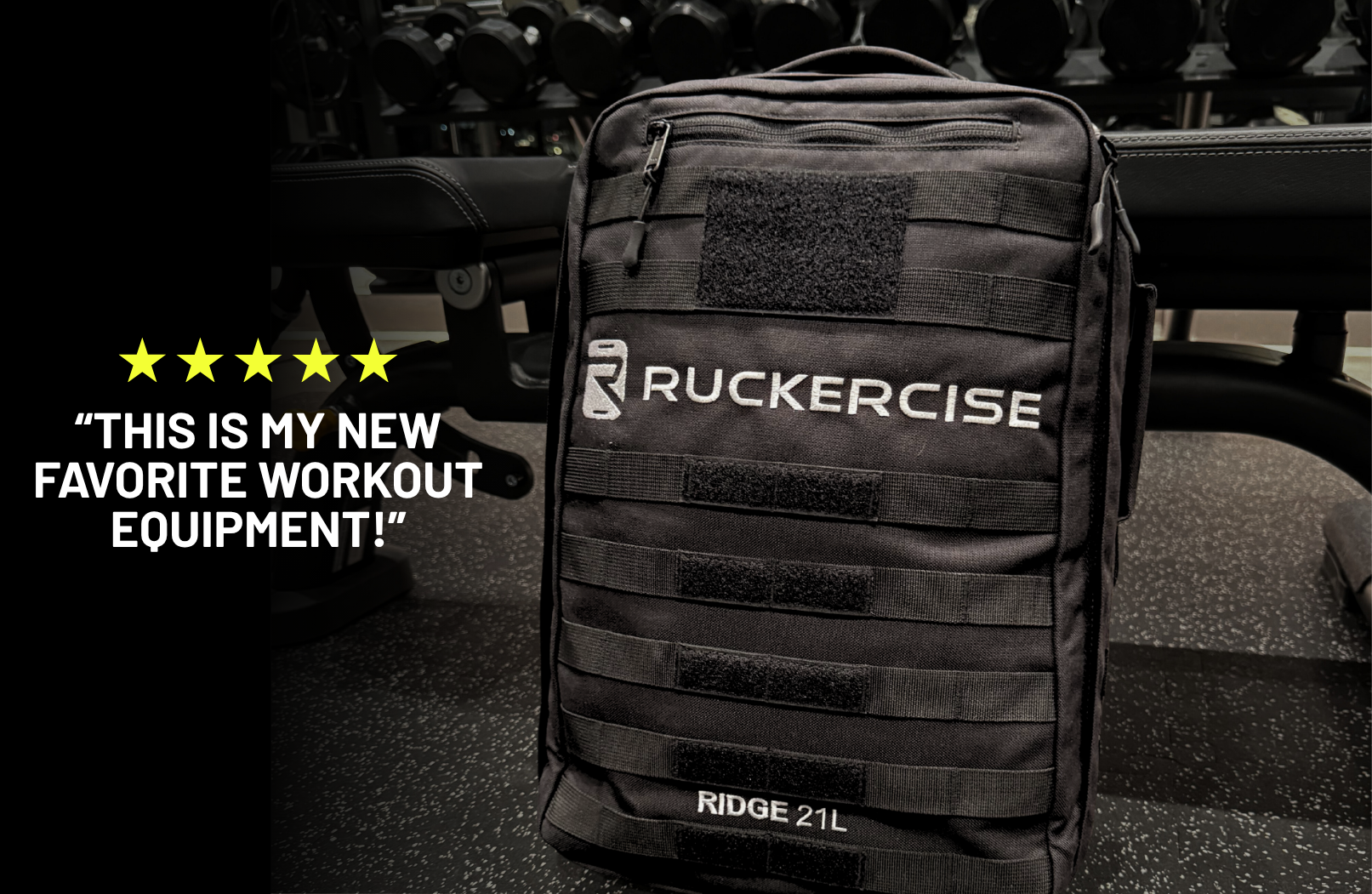
Weighted Backpack vs. Weighted Vest: Which Is Better for Walking?
Backpacks

Weighted Backpack vs. Weighted Vest: Which Is Better for Walking?

While both allow you to carry extra load, they are engineered for different purposes, with distinct impacts on your body, training, and overall experience.
The Surprising Mental and Physical Benefits of Rucking You Need to Know
Beginner

The Surprising Mental and Physical Benefits of Rucking You Need to Know

Rucking, the simple act of walking with a weighted backpack, is gaining popularity as a versatile and effective fitness activity
How to Ruck Properly: Gear, Form and Pace
Beginner

How to Ruck Properly: Gear, Form and Pace

How to ruck the right way: choose your gear, set up your form and footwear, and build time and distance before you add weight.
Train

Rucking Training: Workouts, Plans and the Benefits of Walking with Weight

Rucking is walking with a weighted backpack, and it is one of the simplest ways to build strength, endurance and better posture at the same time. The Train blog is where Ruckercise publishes rucking workouts, beginner training plans, ruck weight guidance and the research behind the benefits of rucking, so you can start safely and keep progressing.

Start Here: Rucking for Beginners

If you are new to rucking, build the habit before you build the load. Walk with an empty or lightly loaded pack for two to three sessions a week, add time and distance first, and only then add weight. Our guide on how to ruck properly covers gear, form, footwear and pace, and the beginner rucking workout plan lays out a four-week progression you can follow from day one.

How Much Weight Should You Ruck With?

Most people should start at around 10% of their bodyweight and work up to 20% to 30% over several months. Use the ruck weight chart by bodyweight to find your starting, building and experienced loads, or get a personalized number from the Ruck Weight Calculator. If your shoulders go numb, your stride shortens or your posture collapses forward, the ruck is too heavy for today.

Rucking Workouts and Training Plans

A rucking workout can be as simple as a steady 45-minute base ruck or as demanding as hill repeats under load. Our four ruck workouts for full-body conditioning cover base rucks, intervals, hill repeats and a ruck plus bodyweight circuit, with guidance on who each one suits. Training for an event? See how rucking upgrades HYROX training for the Zone 2 base and load-bearing strength the race demands.

The Benefits of Rucking

Walking with weight does more than burn extra calories. The research-backed benefits of rucking include:

  • Higher calorie burn than walking at the same pace, without the joint impact of running.
  • Stronger posture and core from carrying a load close to the spine.
  • Better cardiovascular fitness through long, low-intensity Zone 2 sessions.
  • Mental health gains from time outdoors and a simple, repeatable routine.

Weighted Backpack vs Weighted Vest

Both tools add load, but they train differently. A rucking backpack keeps weight high and close to the back, which encourages an upright posture and scales to heavier loads; a vest spreads weight across the torso. Read the full weighted backpack vs weighted vest comparison to choose the right tool for your goals.

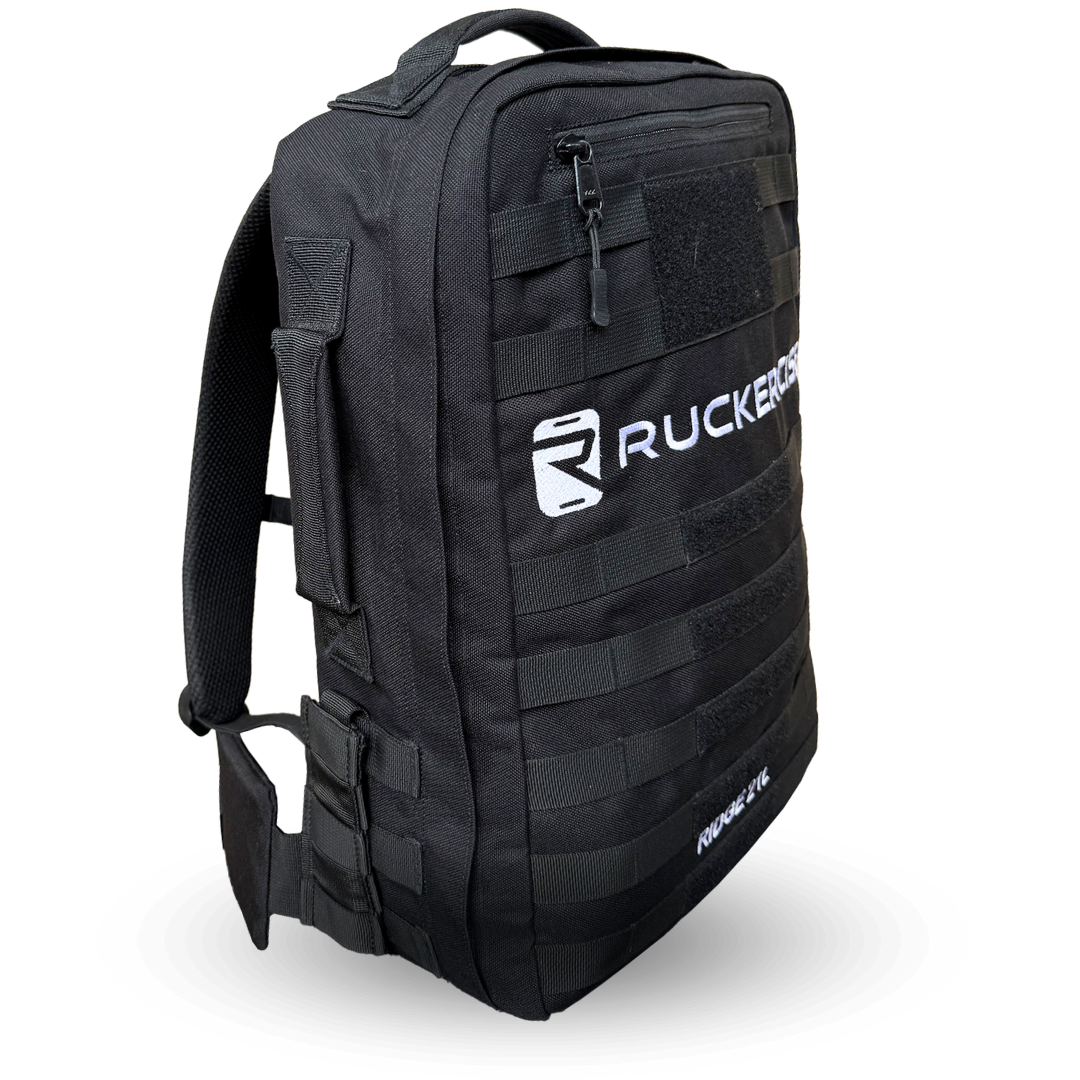
Ready to train? Pair these plans with a pack built for the job: shop rucking backpacks engineered for walking with weight.