


Calculator
Ruck Weight calculator
Quick answer: Start with about 10% of your bodyweight, which for most people means a 10 lb or 15 lb Ruck Weight. Build toward 15–20% over a few months, and treat 30% as the ceiling for fitness rucking. The calculator below does the math for your bodyweight and experience, then rounds down to a Ruck Weight you can buy, so you always start a little lighter, never heavier.
Enter your bodyweight to see your Ruck Weight.
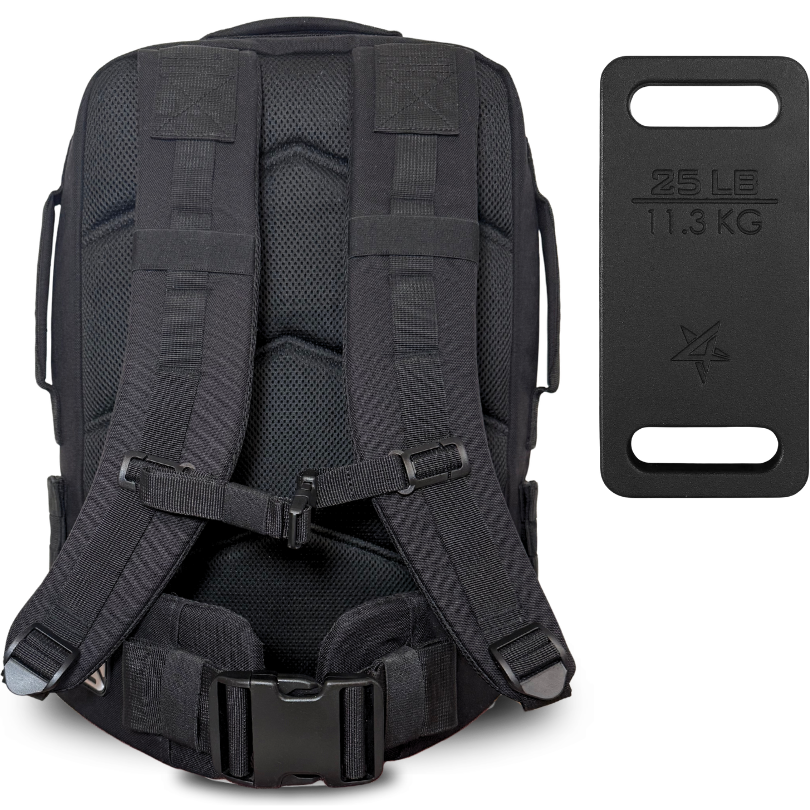
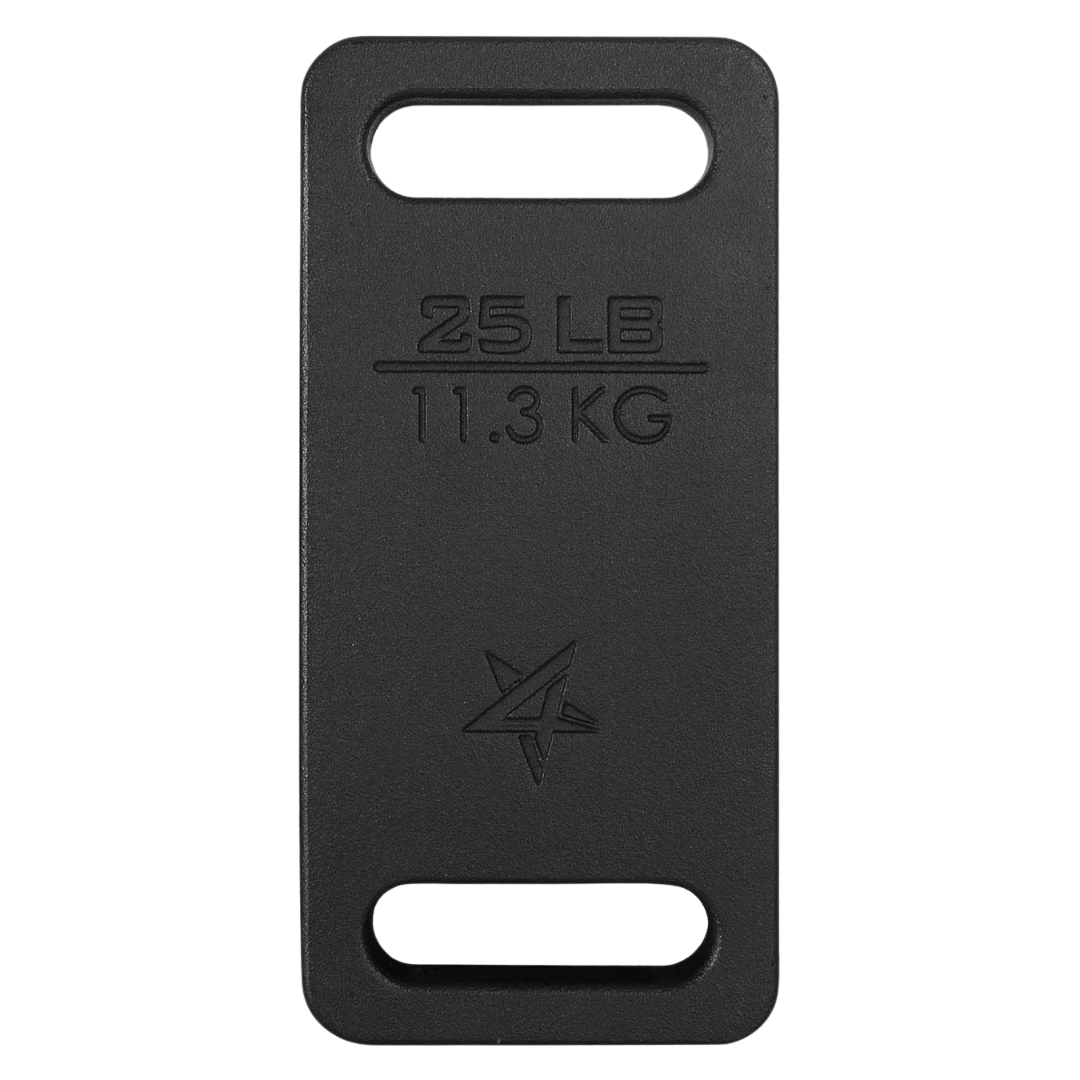
Ruck Weights come in 10, 15, 20, 25, 30, 35 and 45 lb. Loads over 45 lb combine two Ruck Weights in the Ridge Rucking Backpack's two pockets (for example 45 + 10 = 55 lb). The percentages are practical coaching ranges, not limits set by research; let your posture and recovery decide.
Rucking weight chart by bodyweight
The small grey number is the exact weight at that percentage. The bold number is the Ruck Weight we recommend, rounded down to a size you can buy.
| Bodyweight | Starting (10%) | Building (15%) | Experienced (20%) | Ceiling (30%) |
|---|
Shortcut:
Under 150 lb, start with the 10 lb Ruck Weight.
From 150 to 199 lb, start with the 15 lb.
From 200 lb up, start with the 20 lb.
Where the percentages come from
The 10% starting point is the figure most coaches and sports-medicine physicians give beginners; Cleveland Clinic sports medicine physician Dr. Matthew Kampert suggests starting a first ruck with about 5 pounds for people new to exercise and building from there. The 30% ceiling has military roots: a U.S. Army Research Institute of Environmental Medicine review of soldier load carriage reported Army Infantry School guidance of 30% of bodyweight as an optimal load and 45% as a maximal load. Soldiers train under load for months with supervision; for fitness rucking there is little reason to pass 30%. If you want a harder session, add pace, hills or distance before you add weight. Our calorie calculator shows why: pace and grade raise the burn far more than load does.
How to progress
-
01
Time first.
Work up to 45–60 minutes at your starting load with upright posture the whole way.
-
02
Then distance and pace.
Aim for about 3 miles at a 15–20 minute mile before you add weight.
-
03
Then weight, in small steps.
Add 5–10 lb at a time and no more often than every 2–4 weeks. Drop the distance for the first session or two at the new load.
-
04
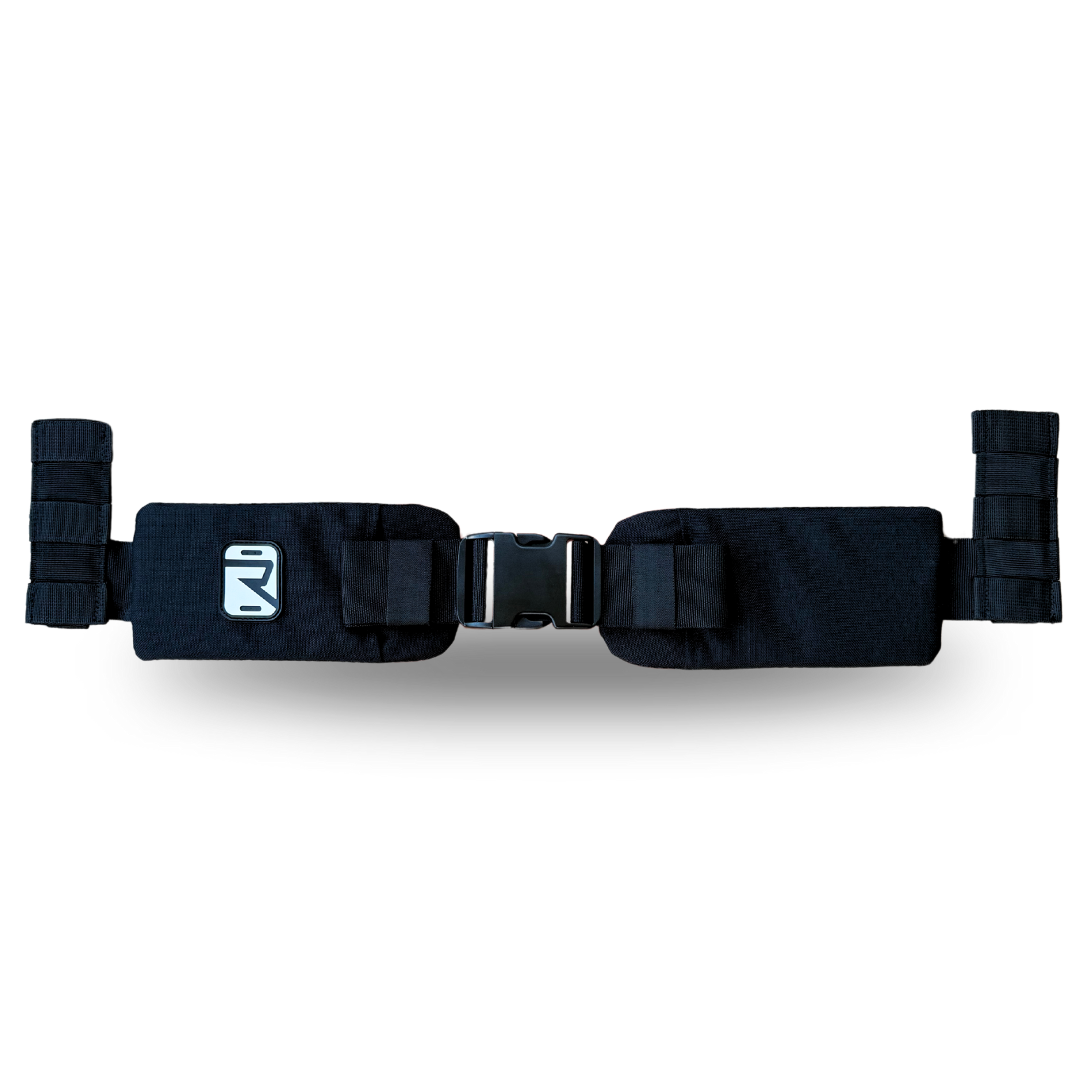
Add a hip belt past 20 lb or 30 minutes.
A padded hip belt moves part of the load to your hips and takes pressure off your shoulders and lower back.


FAQs
About 10% of bodyweight, usually a 10 lb or 15 lb Ruck Weight. If you are new to exercise, start with an empty pack or about 5 lb for the first few sessions.
For most people between 150 and 200 lb, 20 lb is a good first or second load. Under 150 lb it is a building load rather than a starting one. Over 200 lb it is a sensible starting load.
45 lb is 30% of bodyweight for a 150 lb person and 20% for a 225 lb person. It is an experienced-rucker load, not a starting one. Work up to it over months and use a hip belt.
Army guidance cited in the USARIEM review puts the optimal training load at 30% of bodyweight and the maximum at 45%. Standard ruck-march assessments typically specify a fixed load (often 35 lb dry) over a set distance; check your unit's current standard.
High and close to your back. The Army review notes the load should sit as near as possible to your body's center of mass. A dedicated weight pocket holds a Ruck Weight flat against your back so it doesn't swing.
You can start that way, wrapped in a towel so nothing digs into your spine. Loose objects shift and change how you walk, which is the main reason people quit. A flat Ruck Weight (also called a ruck plate) stays put.
No questions match your search.
More info