

Quick answer: The weighted backpack method is walking with a loaded backpack to turn an ordinary walk into a strength and cardio workout. It is the same thing as rucking. Start with about 10% of your bodyweight, walk 30 to 45 minutes two or three times a week, and add 5–10 lb no more often than every 2–4 weeks.
You may have seen it on social media as the "weighted backpack method": put weight in a backpack, go for a walk, repeat. There is no secret protocol behind the name. It is rucking, a training style borrowed from the military and adapted for everyday fitness. This guide covers how to do it, how much weight to use, what it does for weight loss and how to set up your pack so it stays comfortable.
What is the weighted backpack method?
The weighted backpack method means adding load to a walk you would take anyway. The extra weight makes your legs, glutes, core and upper back work harder and raises your heart rate, without the pounding of running.
The method has three parts:
- A backpack that holds weight close to your back. A pack that sags or lets the load swing will pull you off balance.
- A load that fits your bodyweight and experience. Most people start around 10% of bodyweight.
- Gradual progression. You build time and distance first, then add weight in small steps.
How to do the weighted backpack method
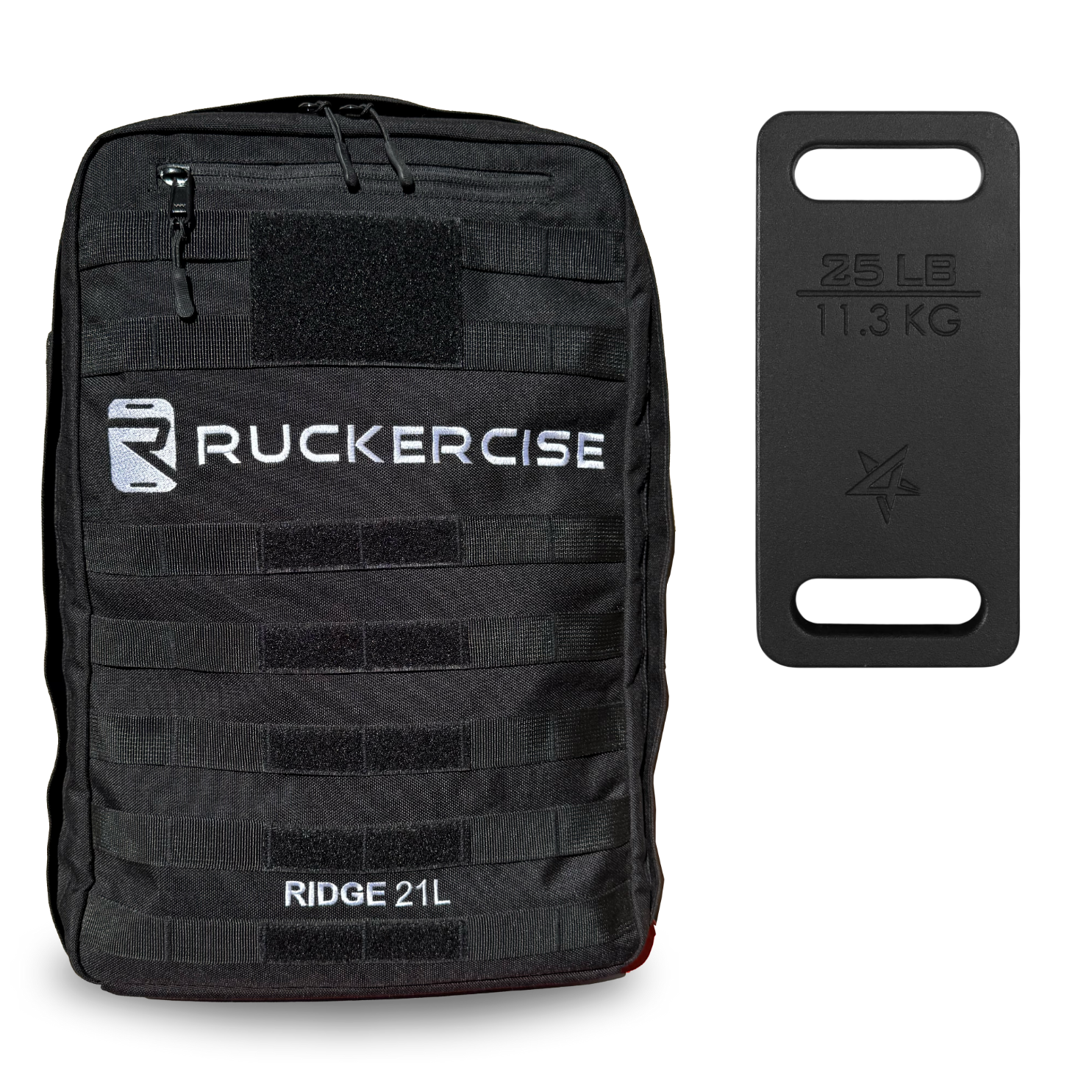
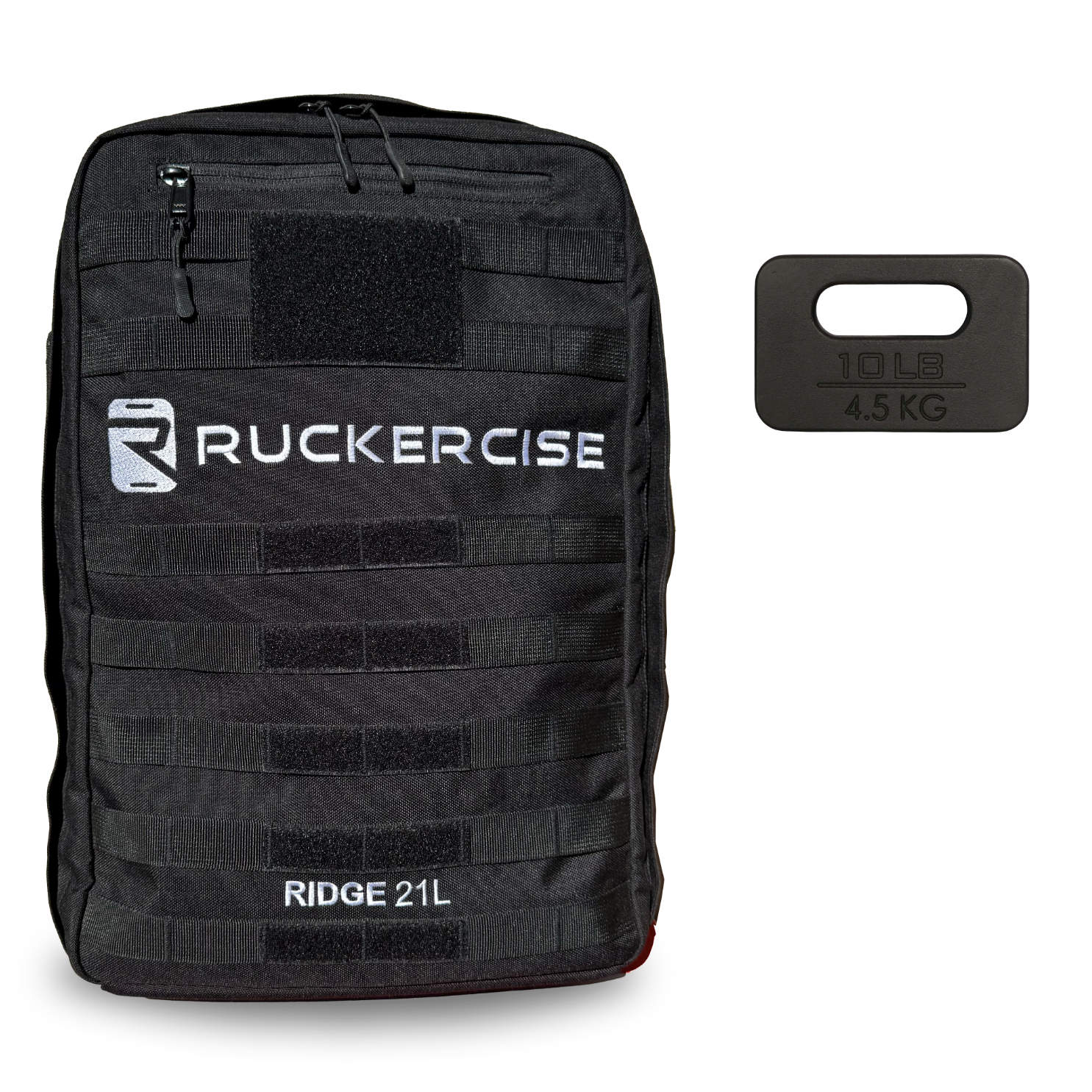
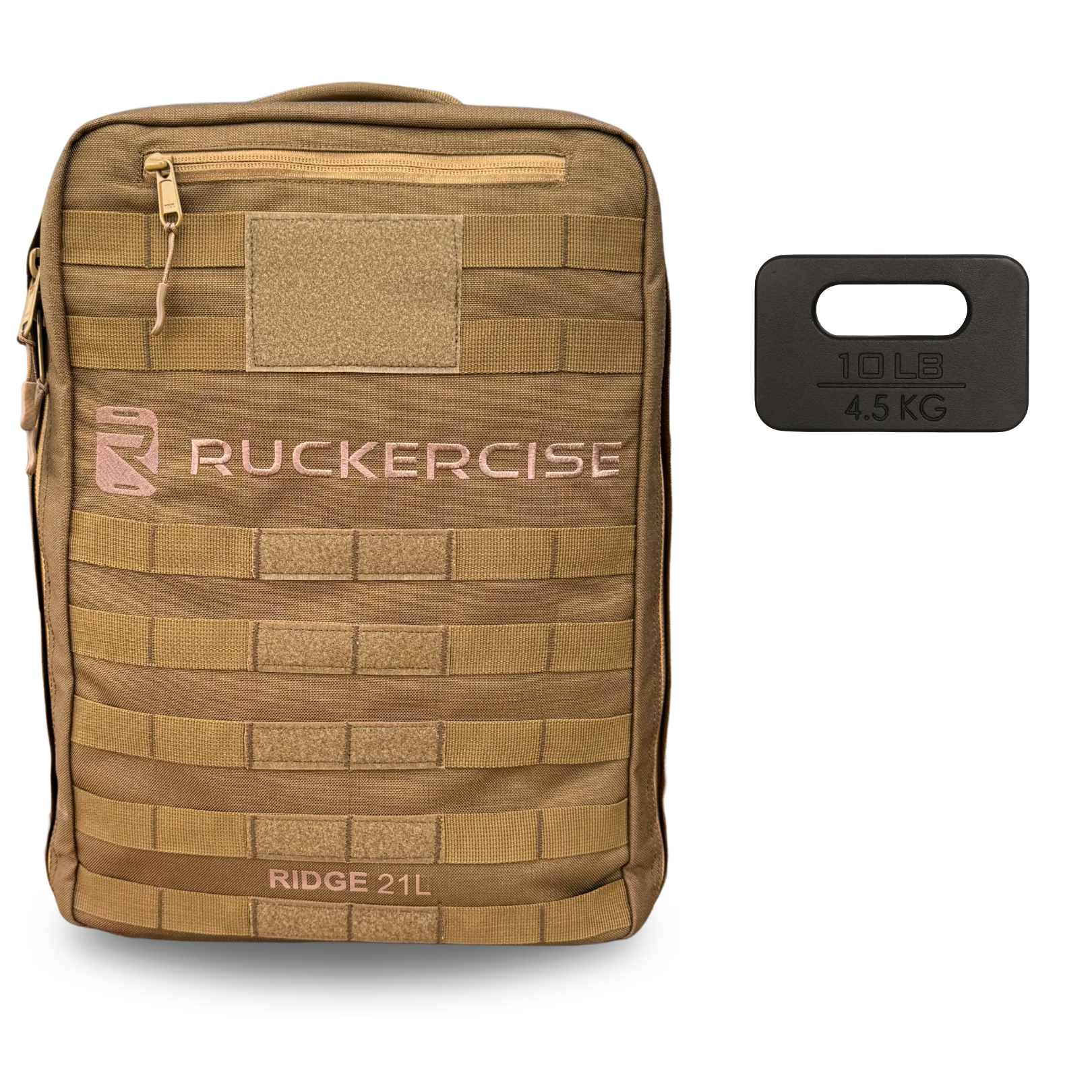
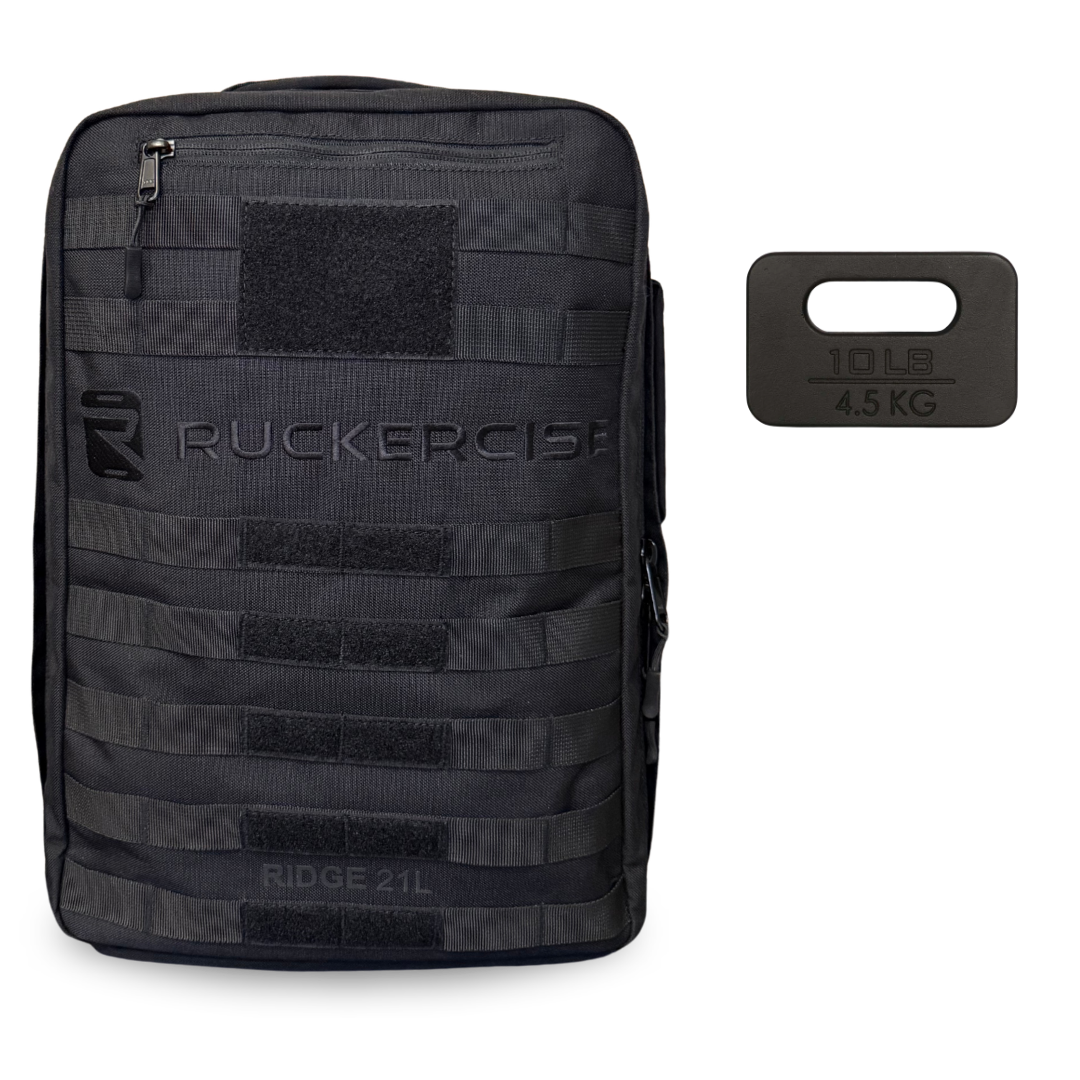
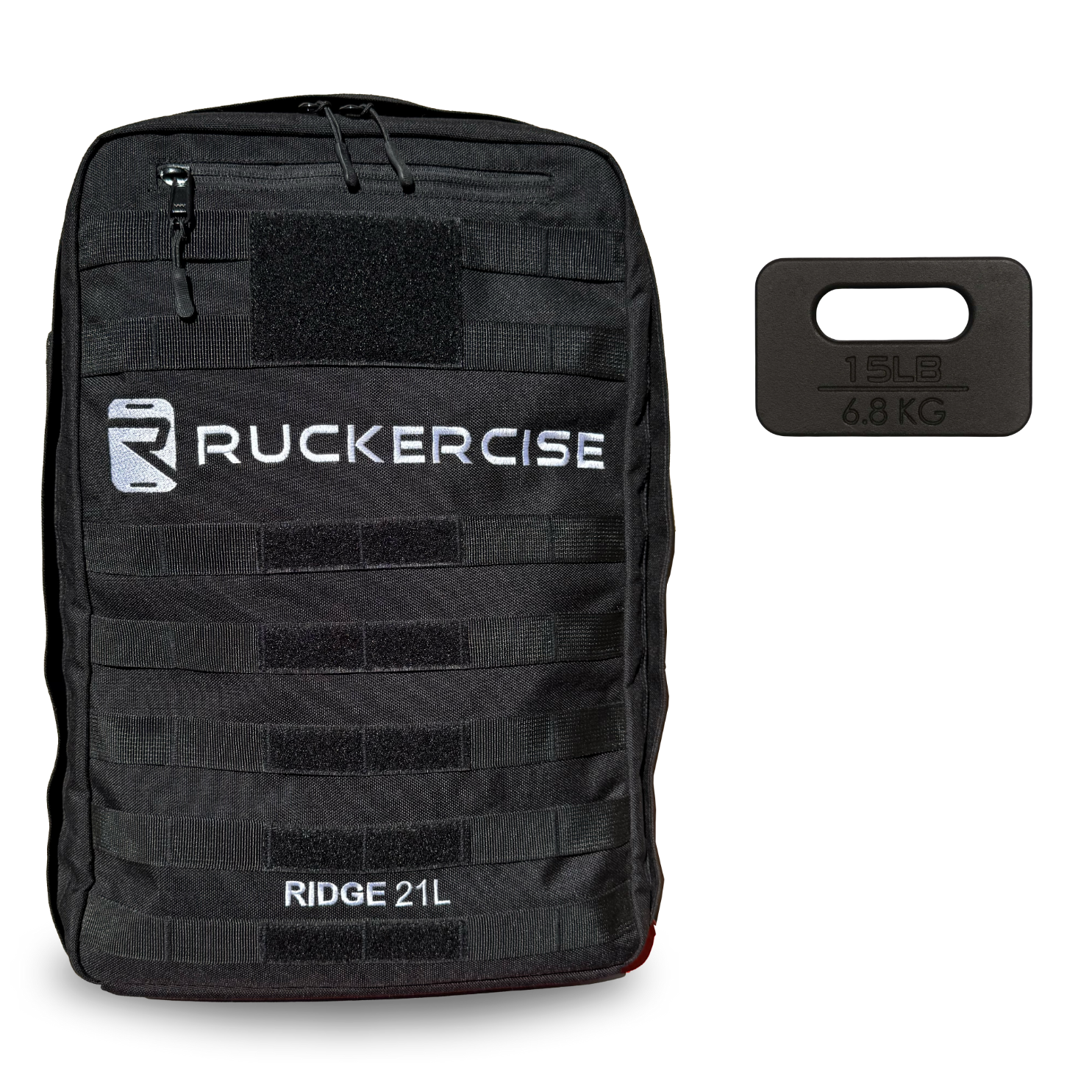
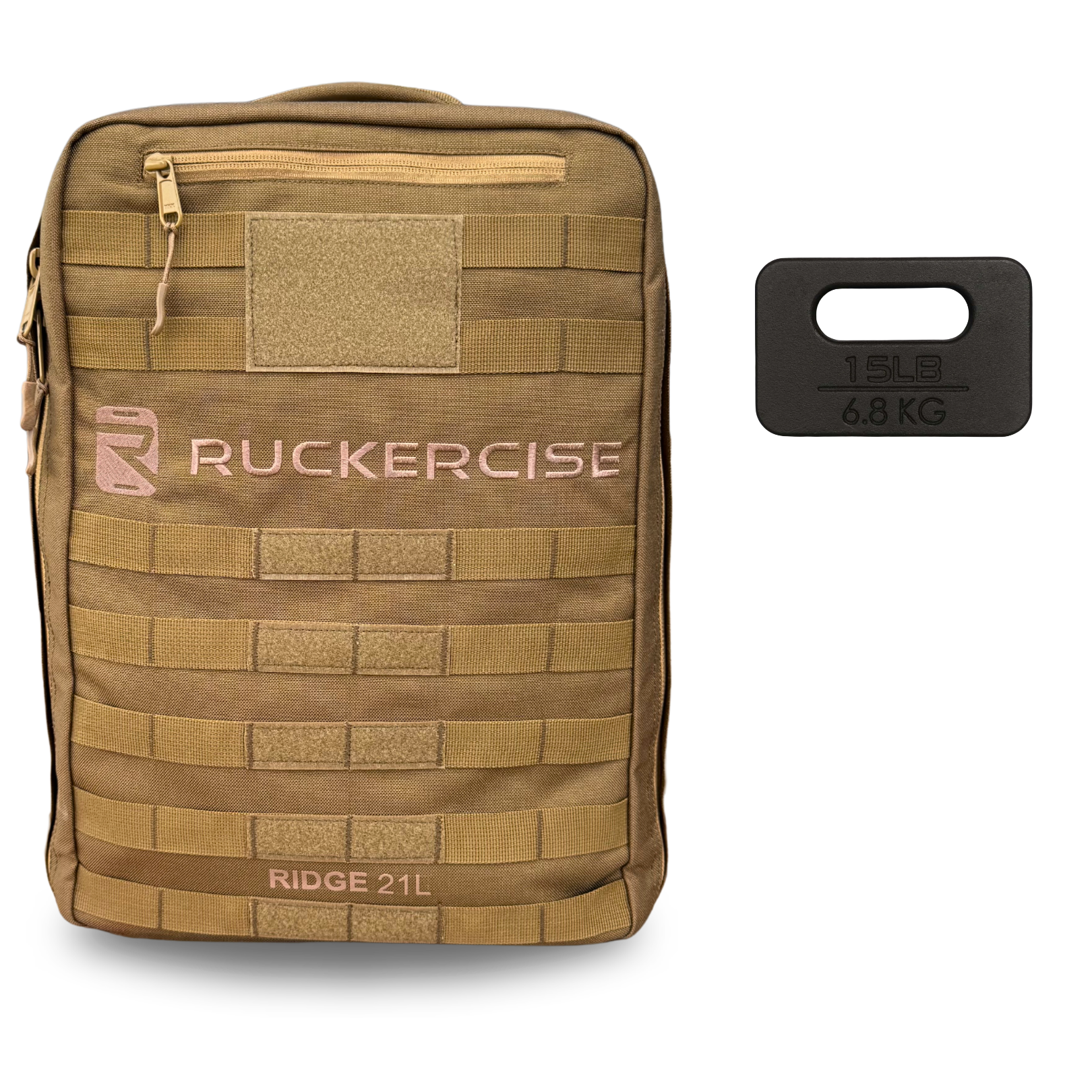
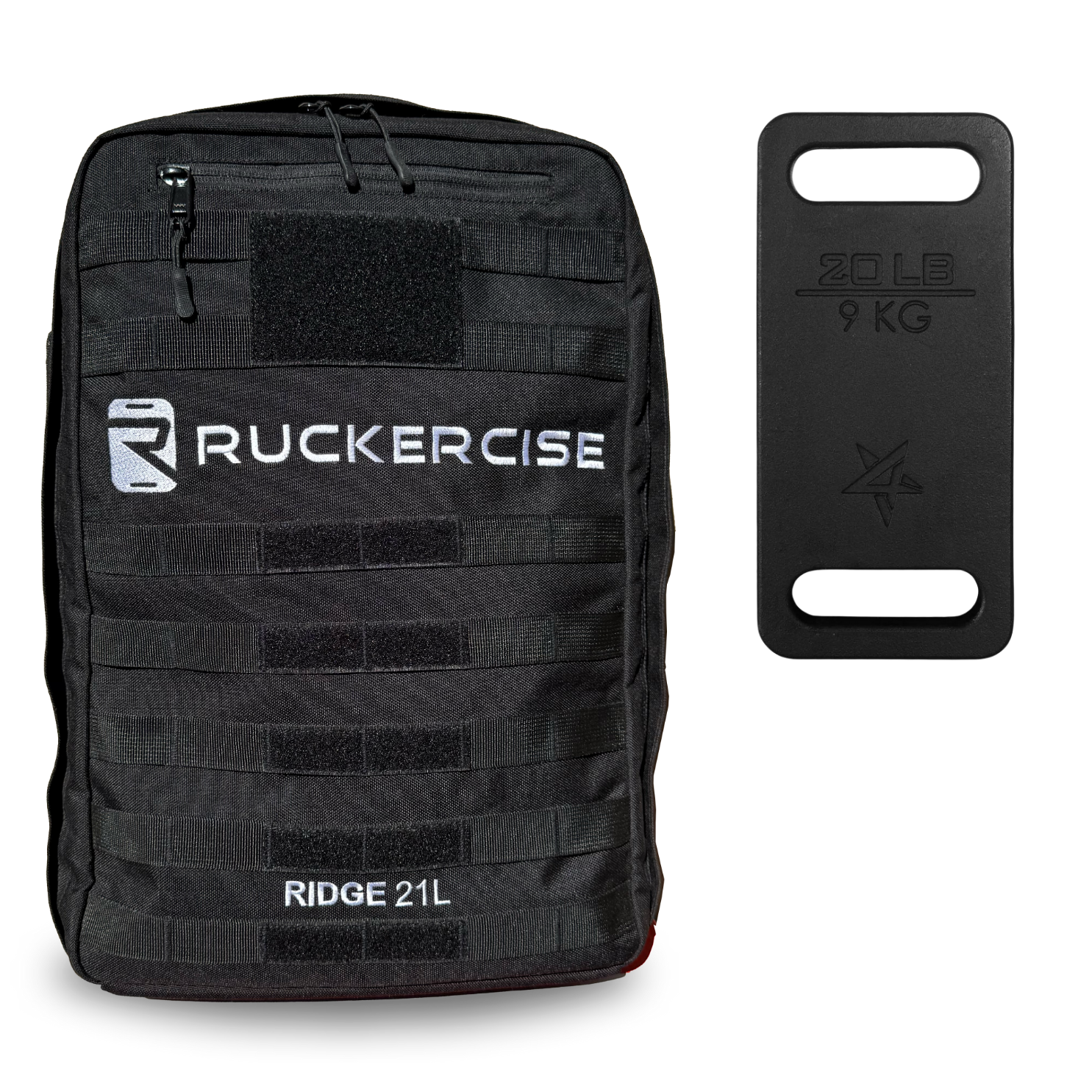
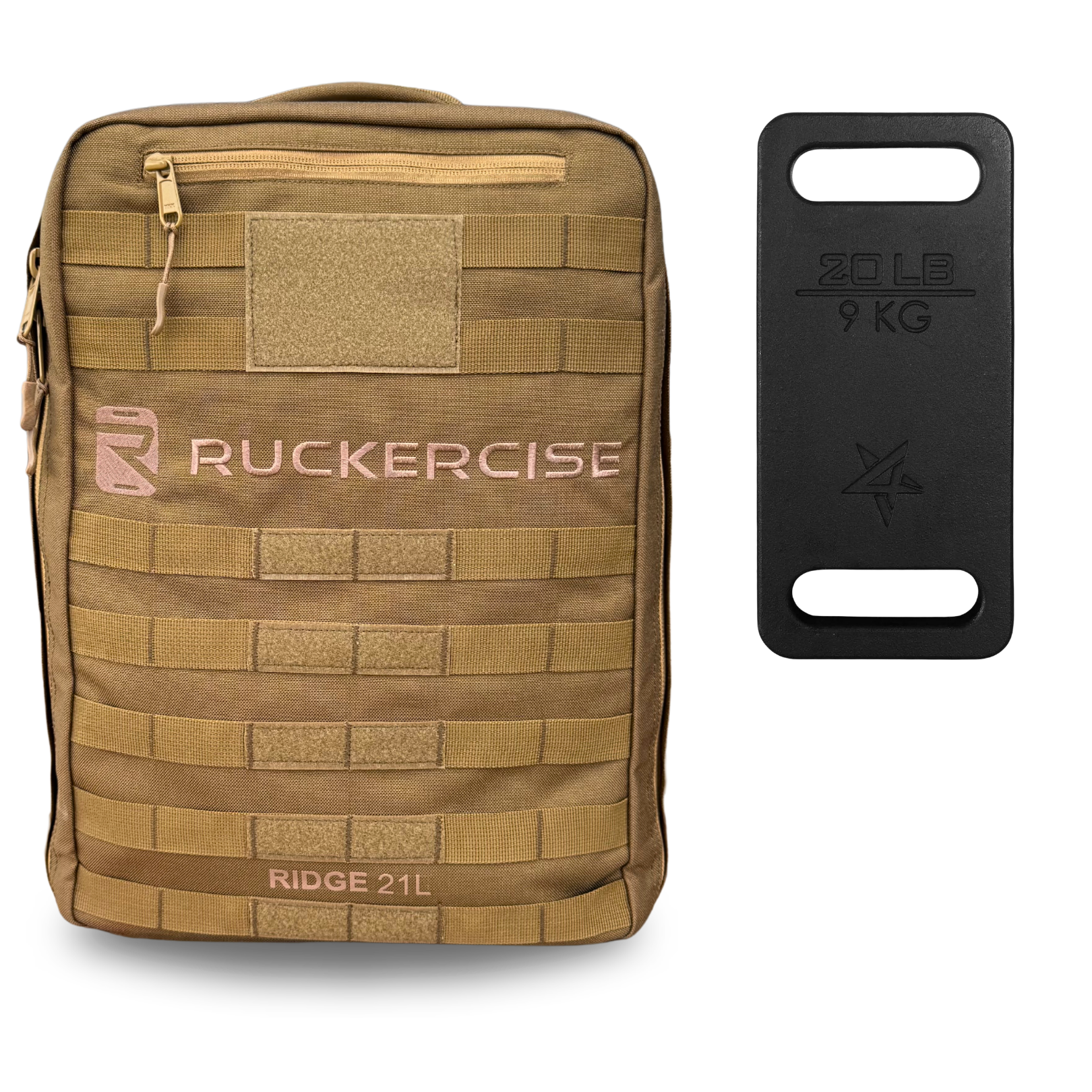
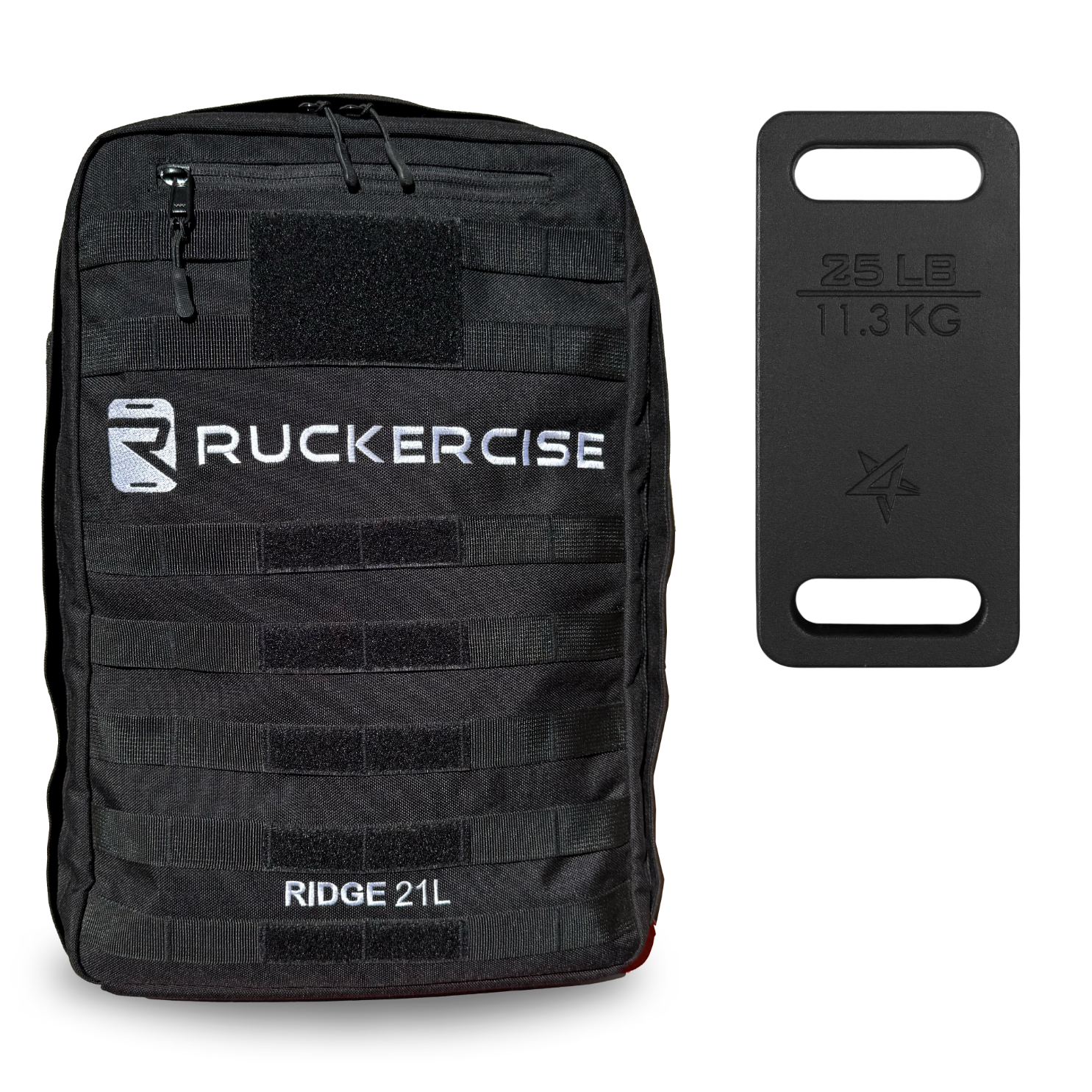
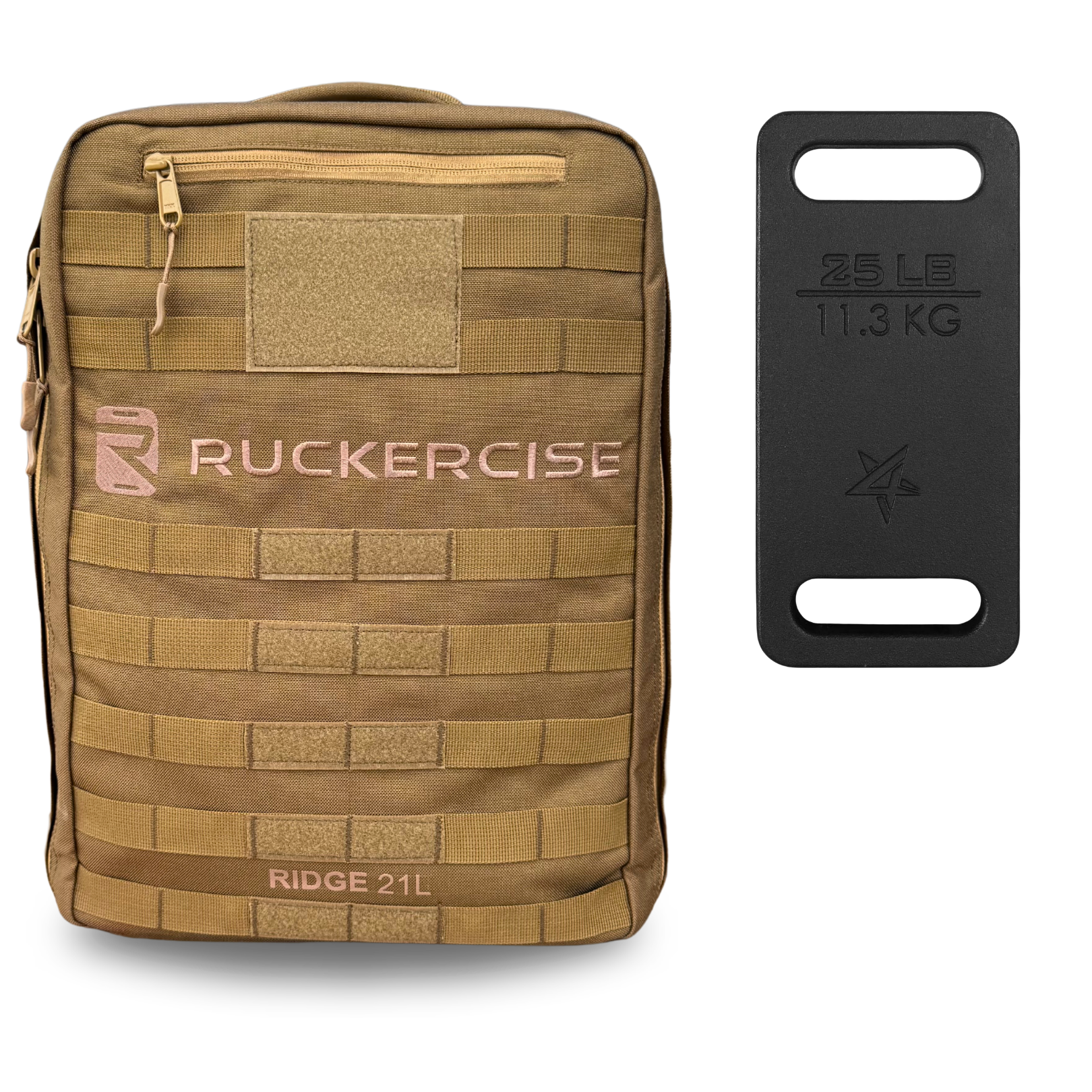
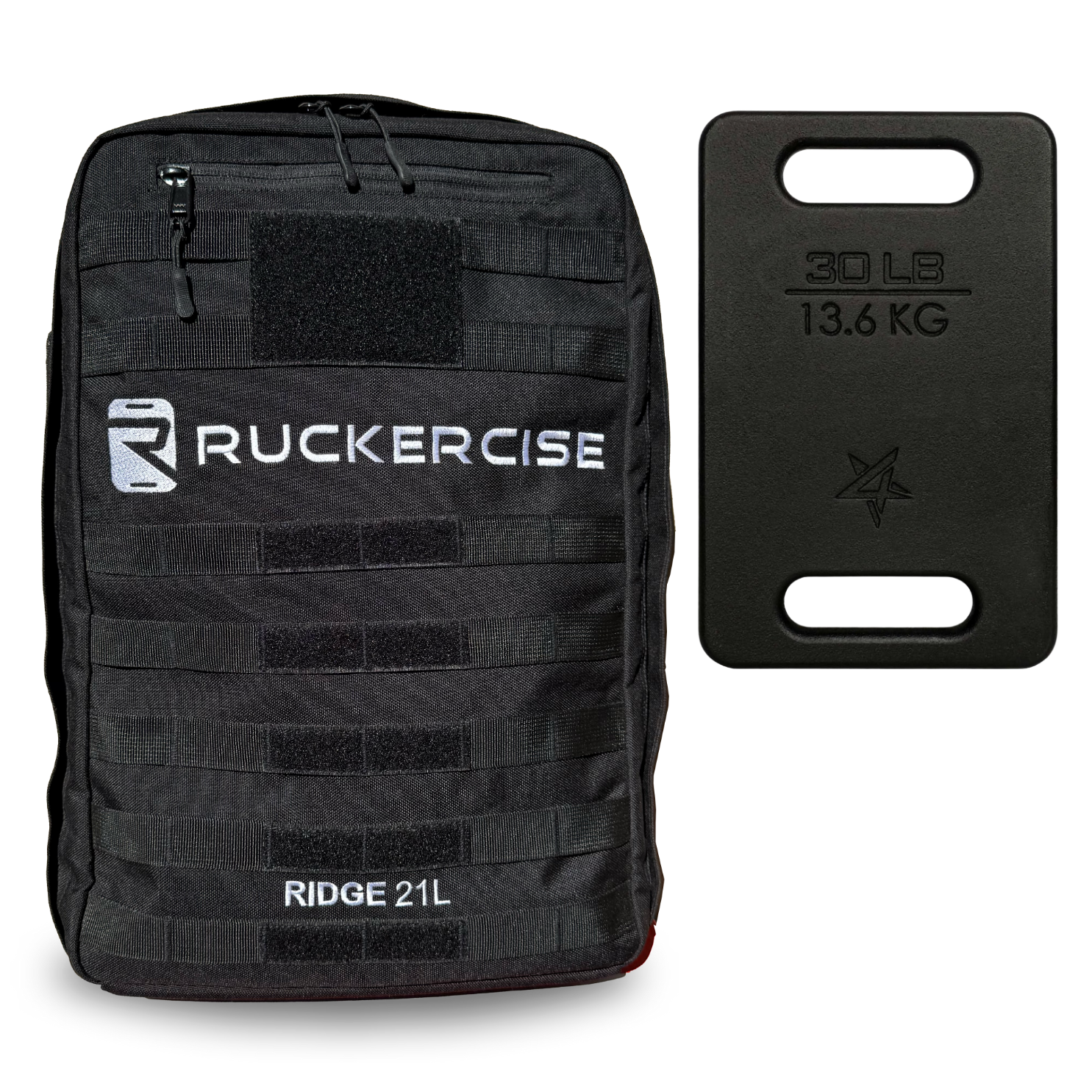
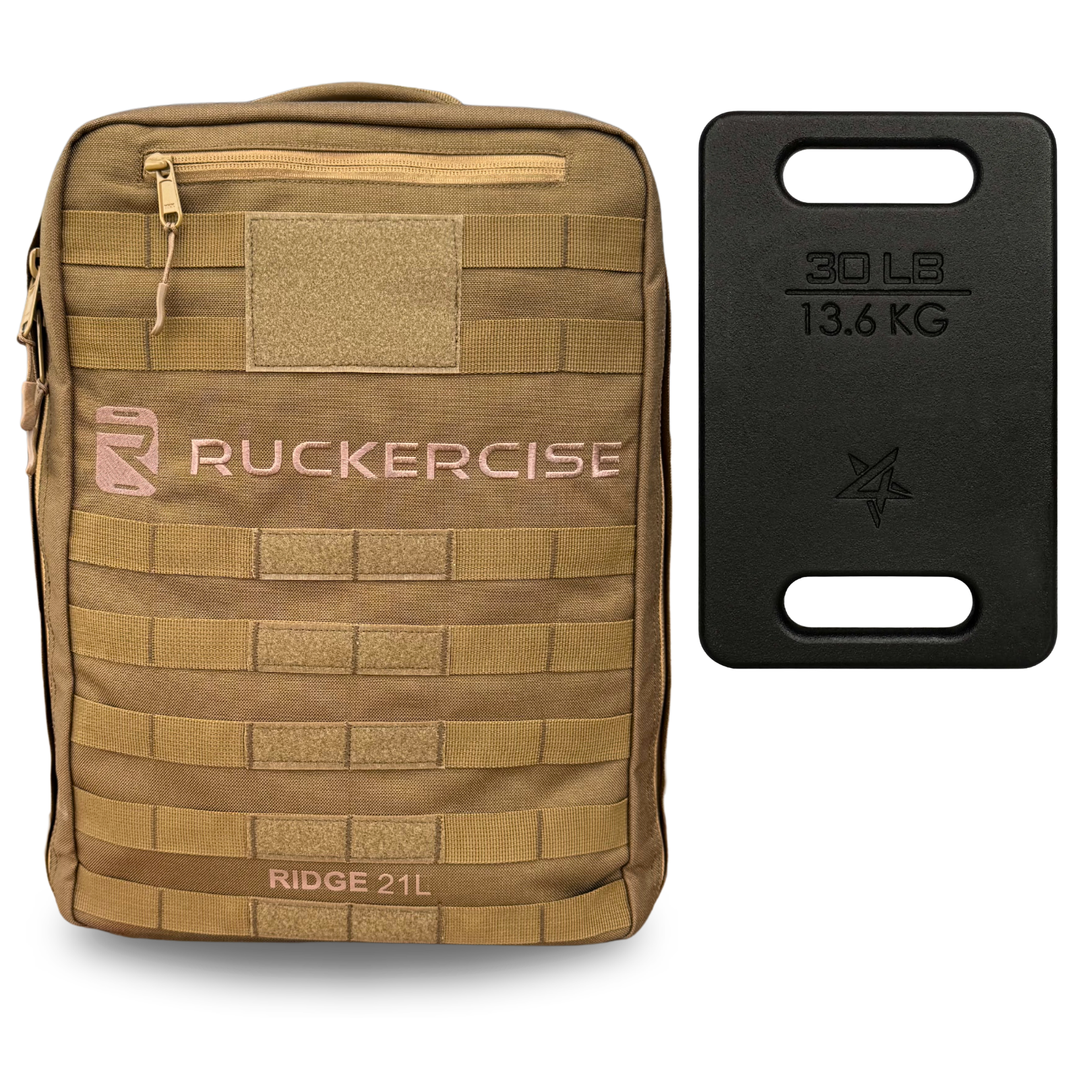
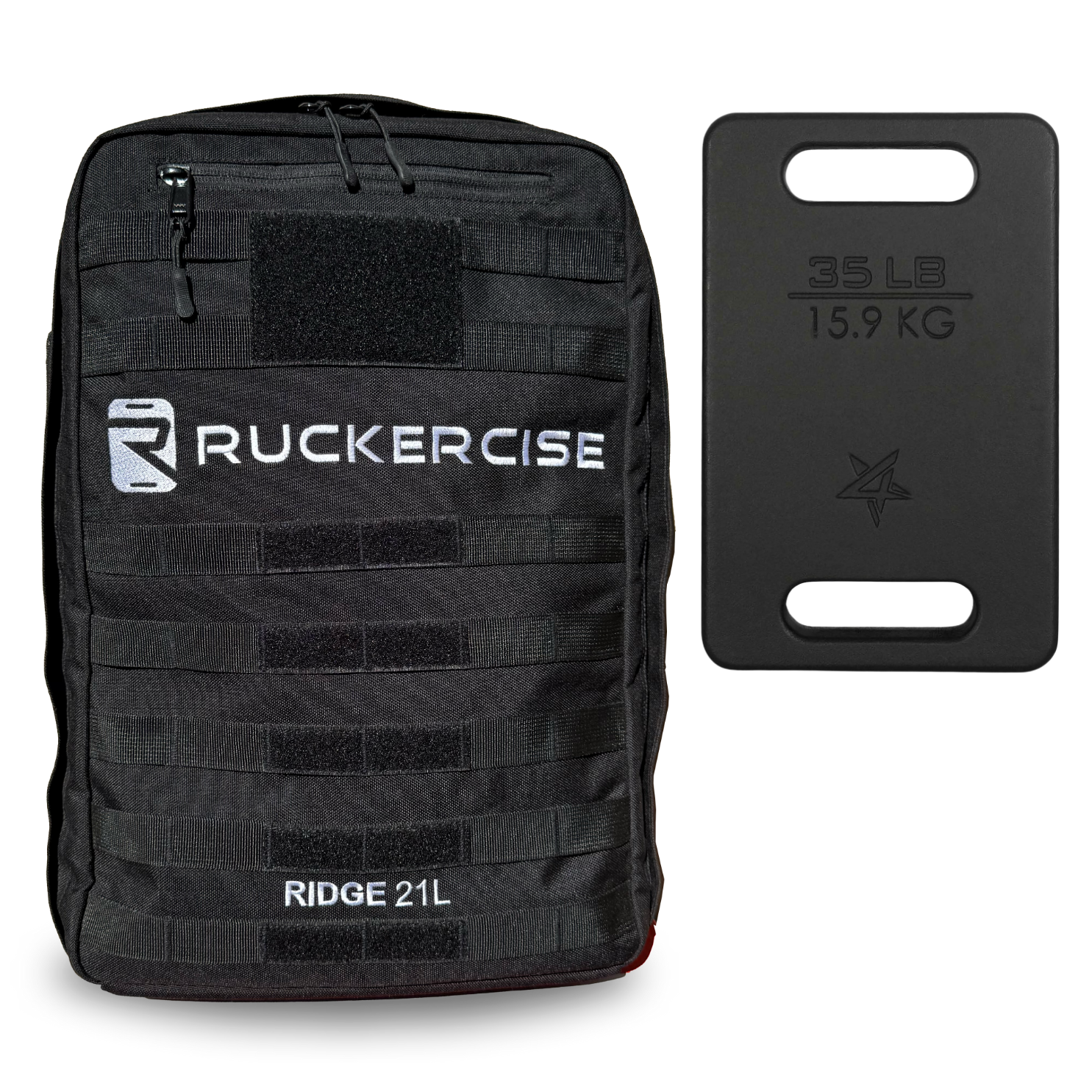
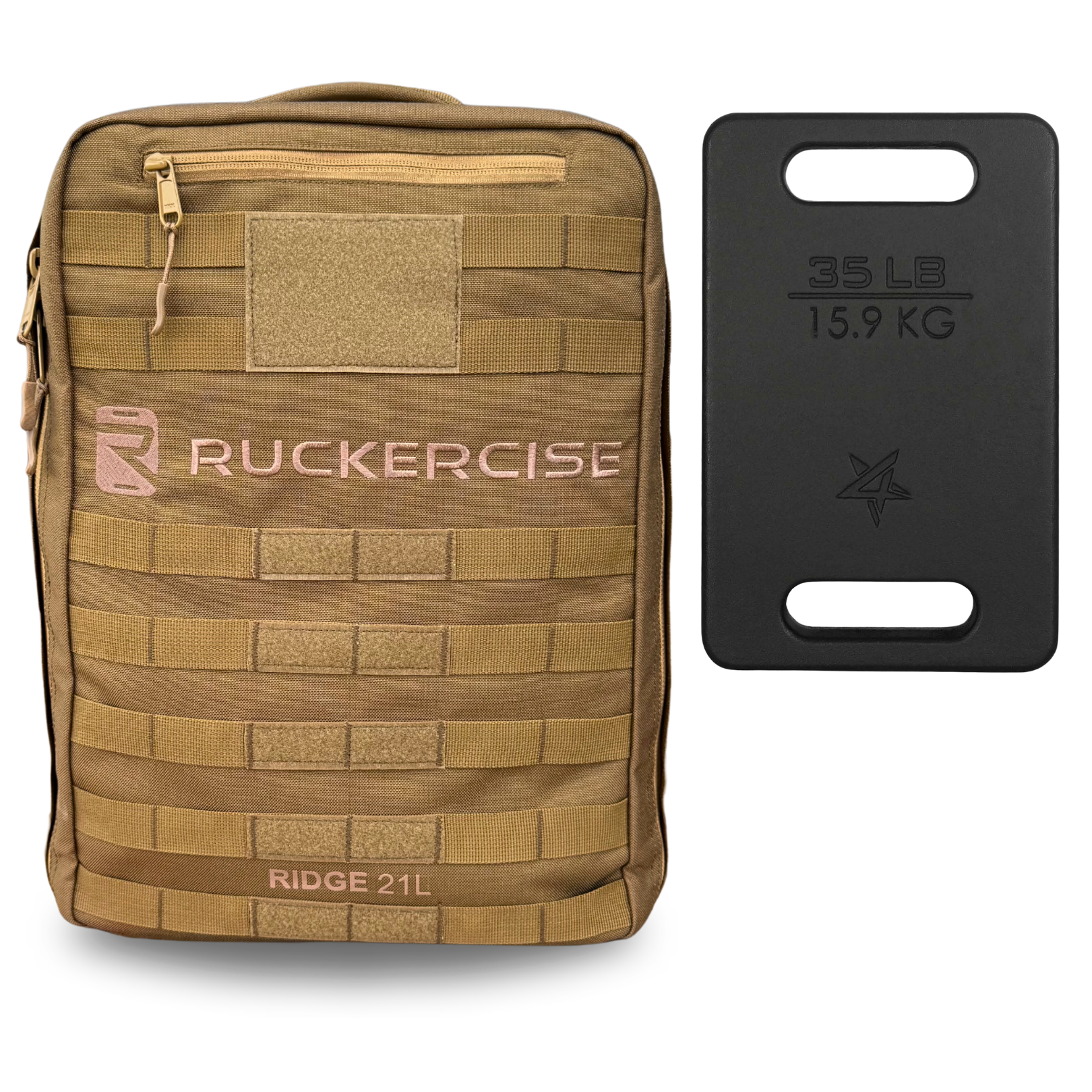
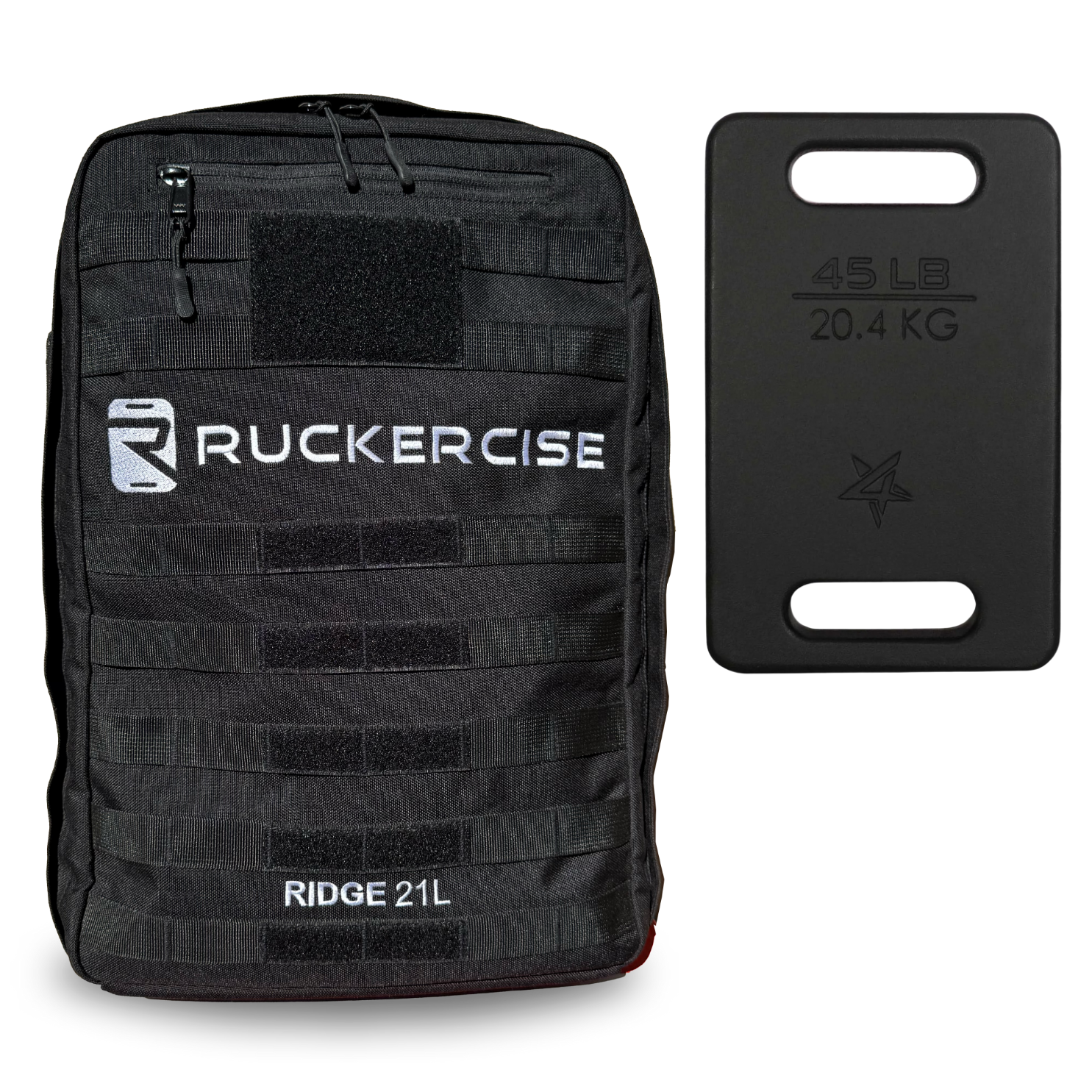
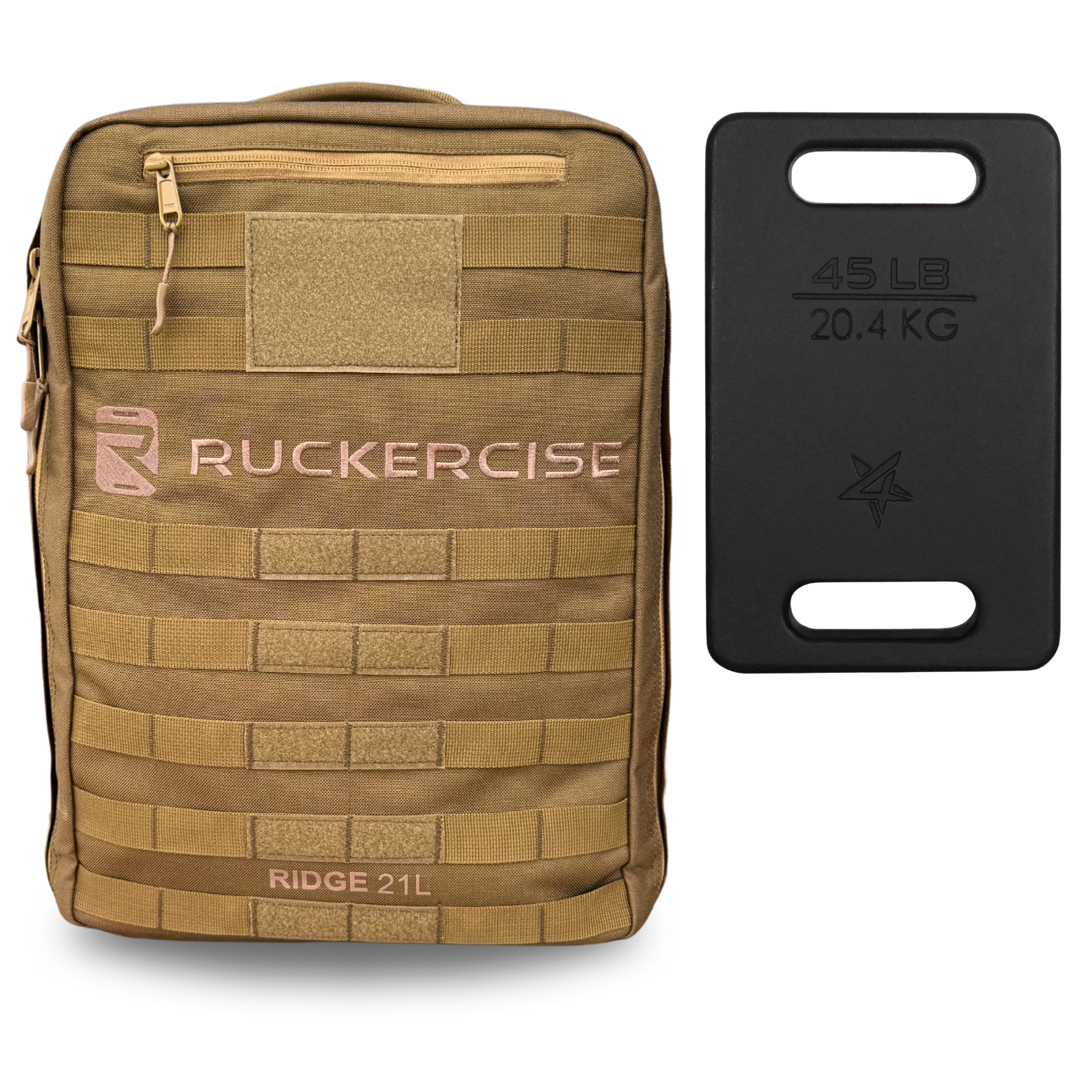
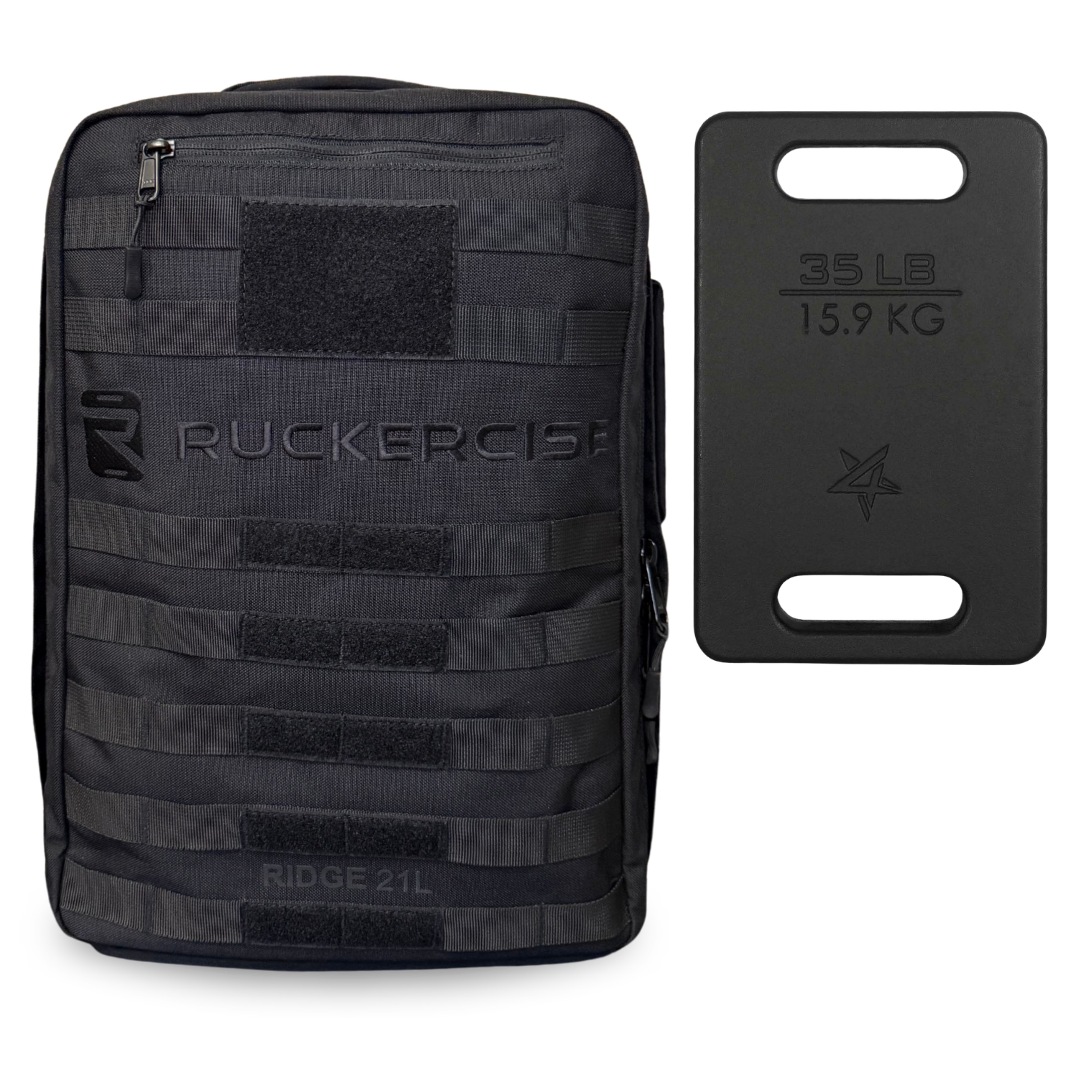
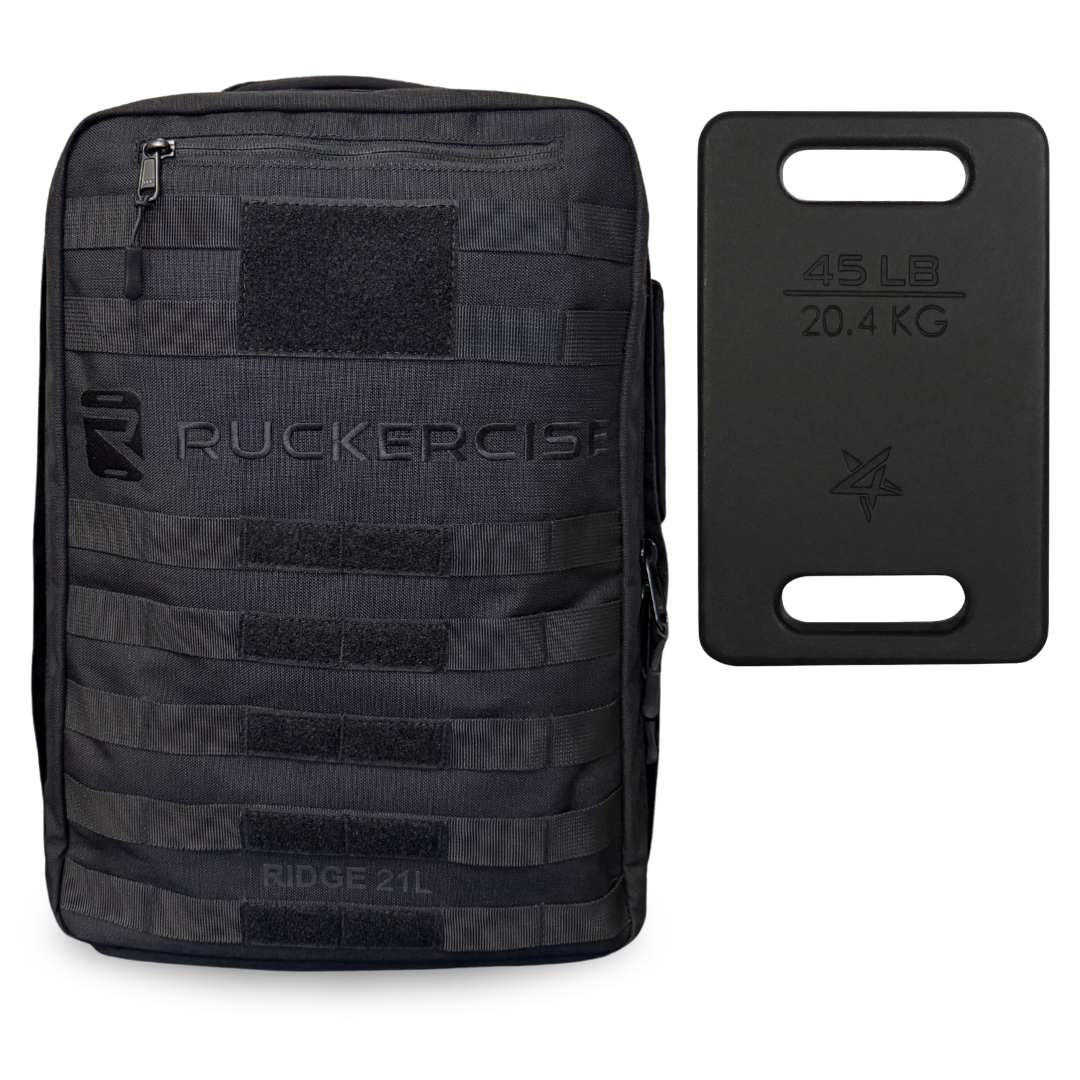
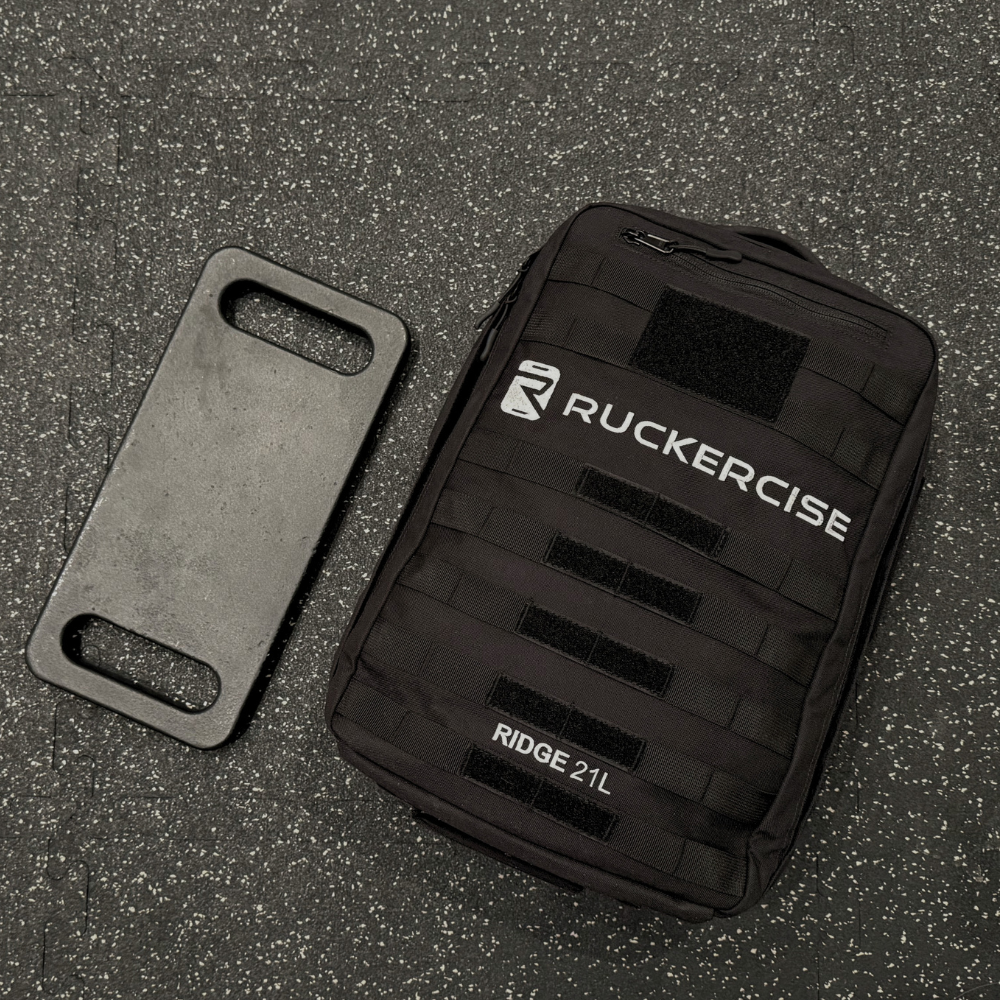
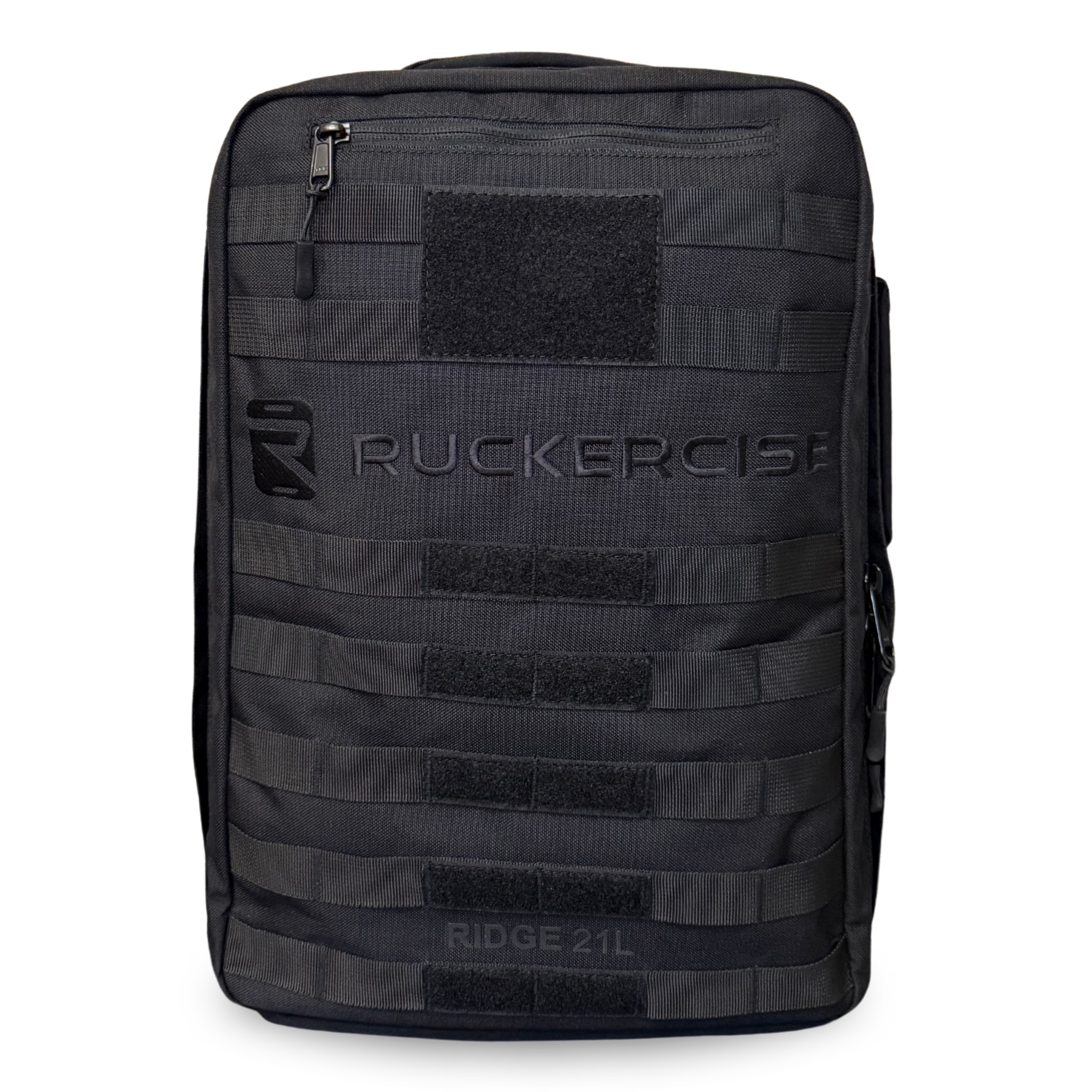
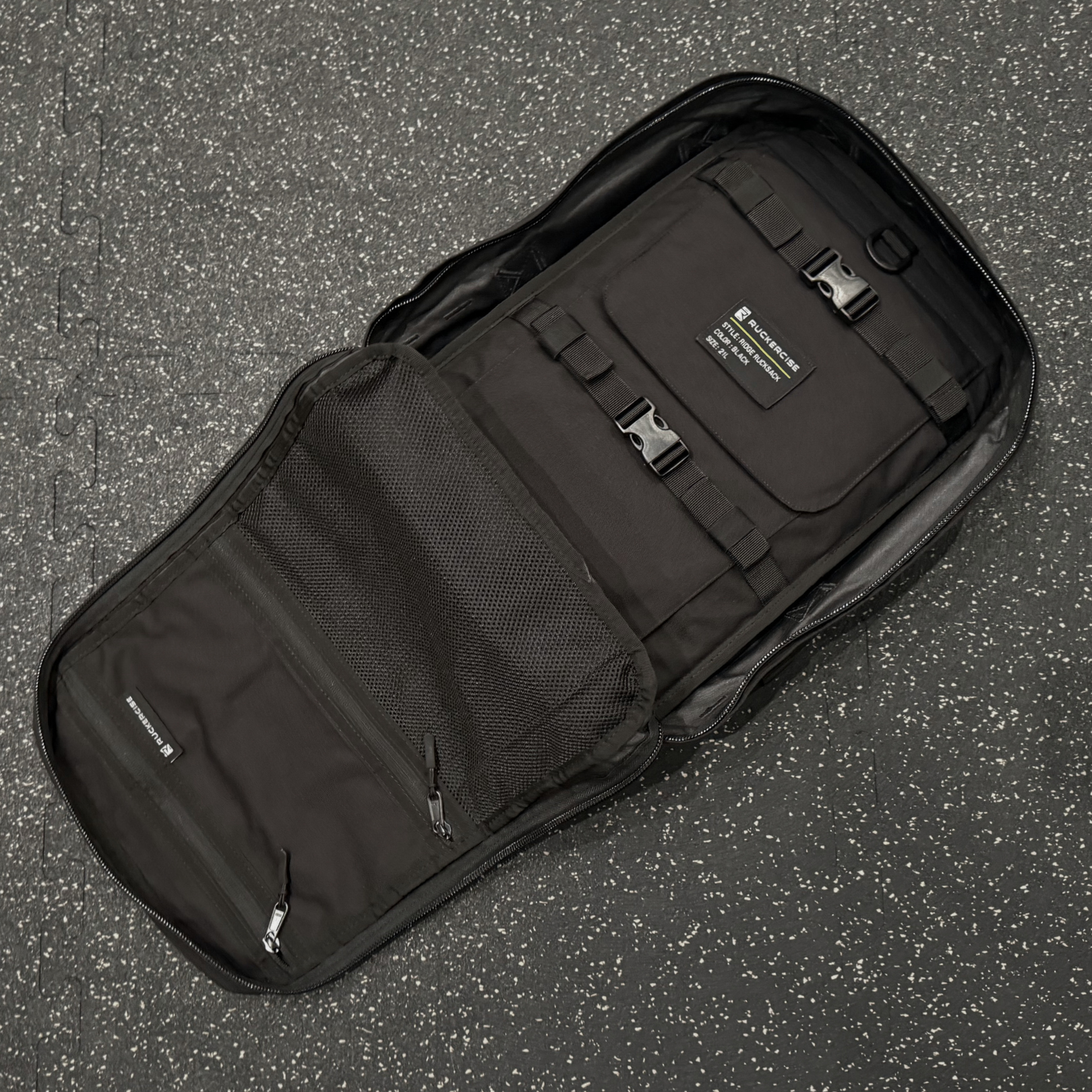
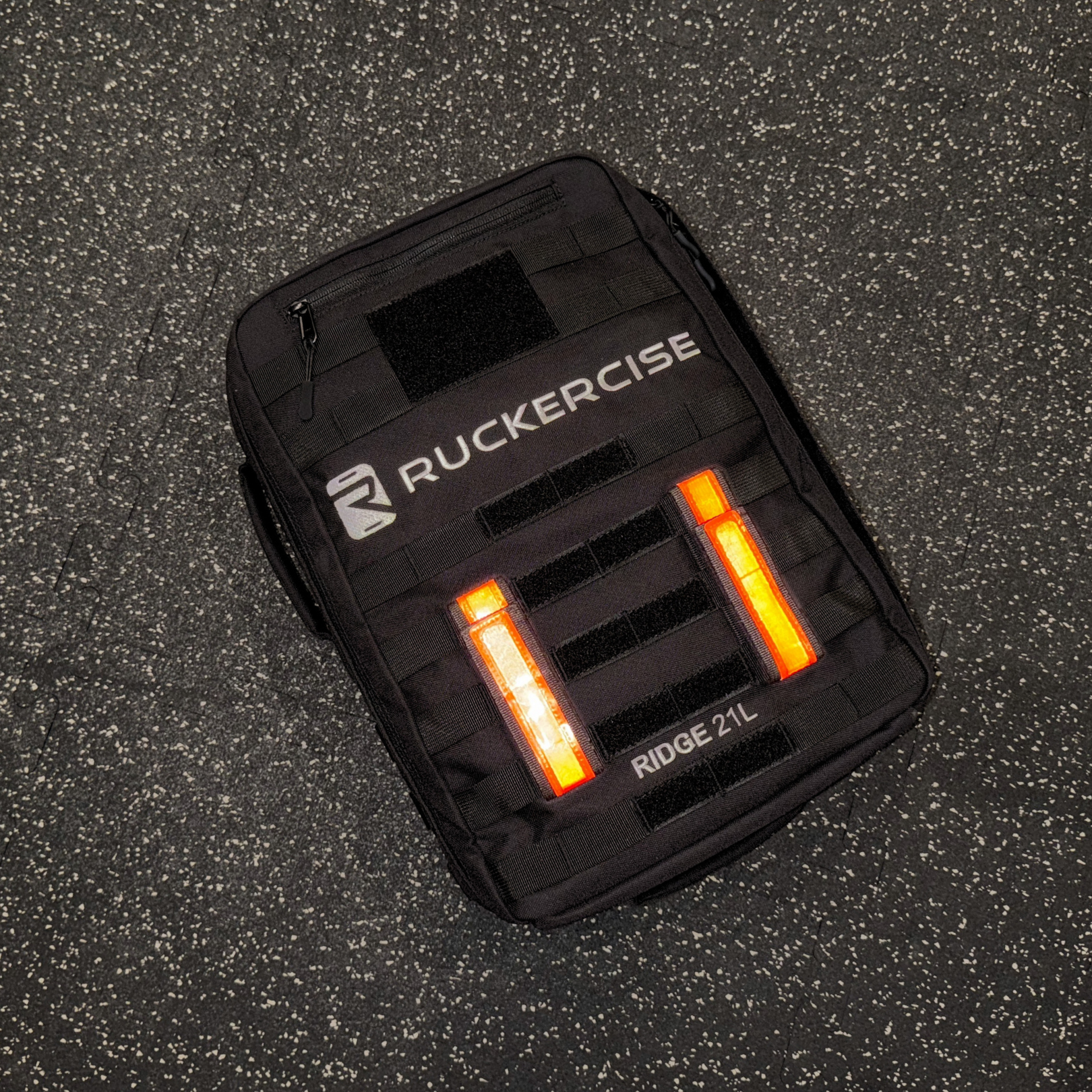
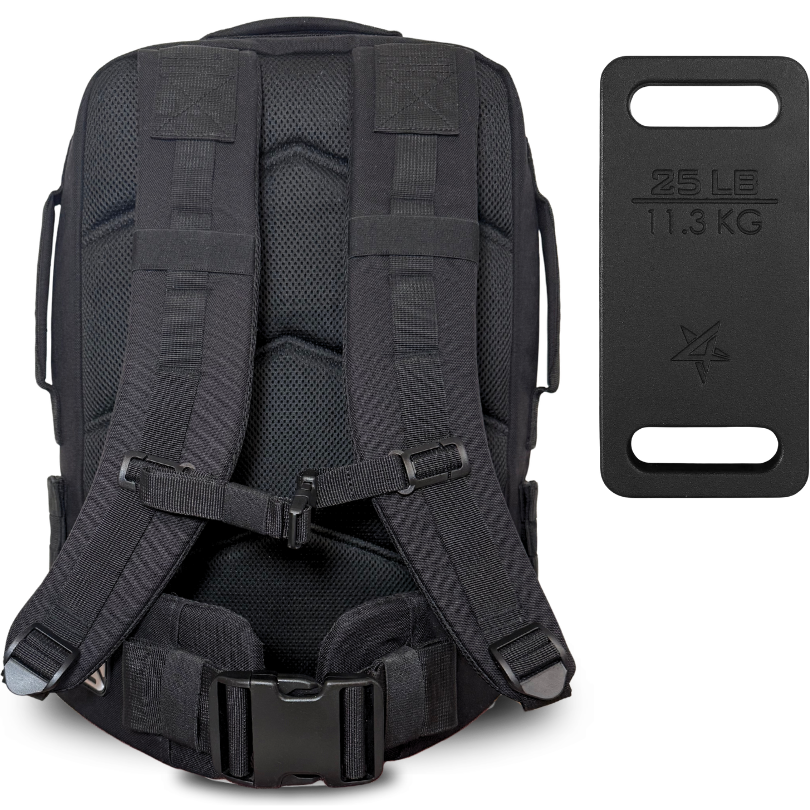
- Pick your pack. Use a sturdy backpack with padded shoulder straps and a sternum strap. A dedicated weight pocket, like the two in the Ridge Rucking Backpack, keeps the load high and stops it from shifting.
- Choose your starting weight. Start with about 10% of your bodyweight. If you are new to exercise, start with an empty pack or about 5 lb. The Ruck Weight calculator gives you an exact number.
- Pack it high and tight. Put the weight against your back, between your shoulder blades. Tighten the straps so the bottom of the pack sits above your beltline.
- Walk 30 to 45 minutes. That is roughly 1.5 to 2.5 miles at a steady pace. Stand tall, keep your chest up and take your normal stride.
- Repeat two or three times a week. Leave a rest day between sessions while your feet, shoulders and back adapt.
- Progress one thing at a time. Build time first, then distance, then weight. Add 5–10 lb no more often than every 2–4 weeks, and only when you can finish your route with upright posture.
How much weight should you put in the backpack?
| Stage | Load | Example at 180 lb bodyweight |
|---|---|---|
| New to exercise | Empty pack to about 5 lb | 0–5 lb |
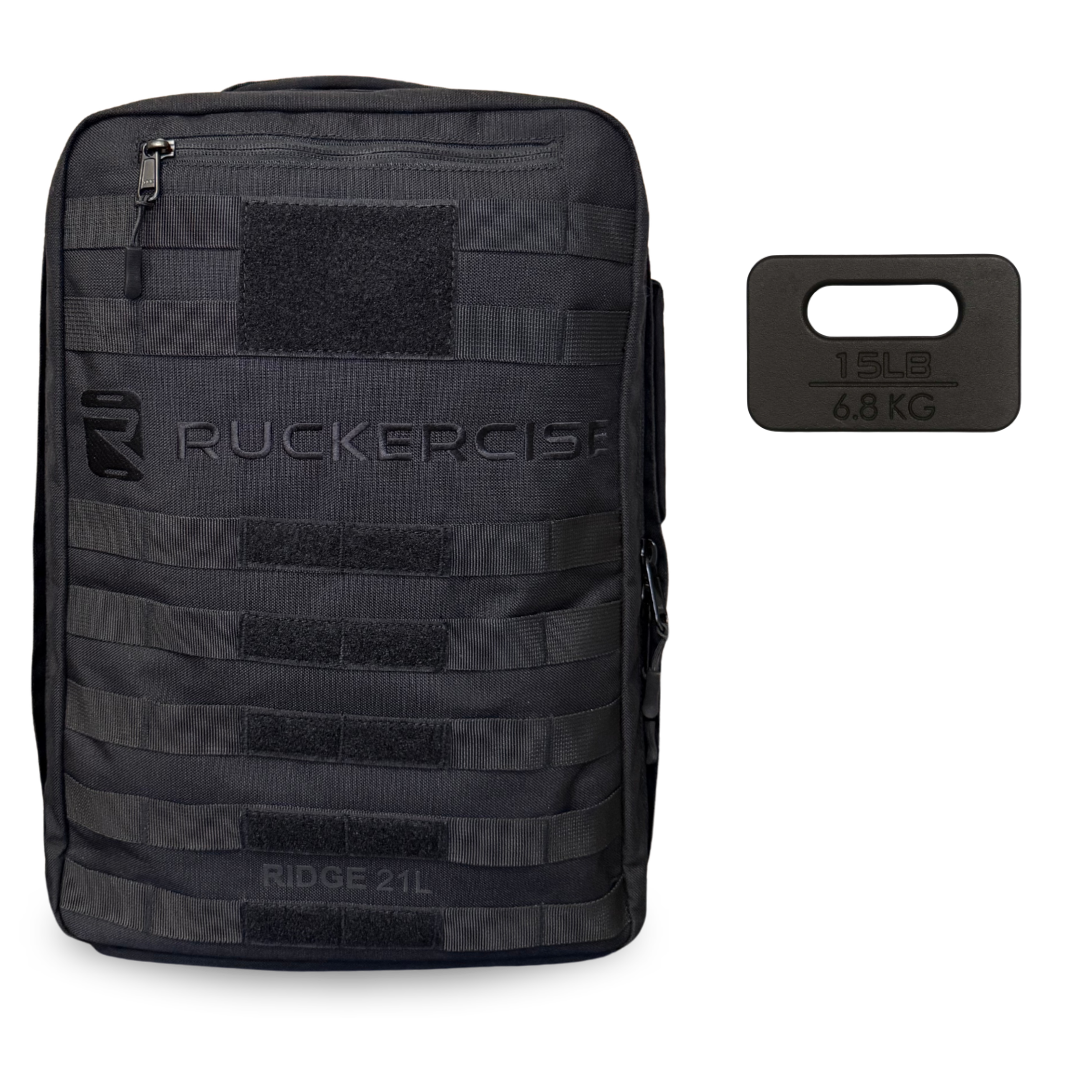
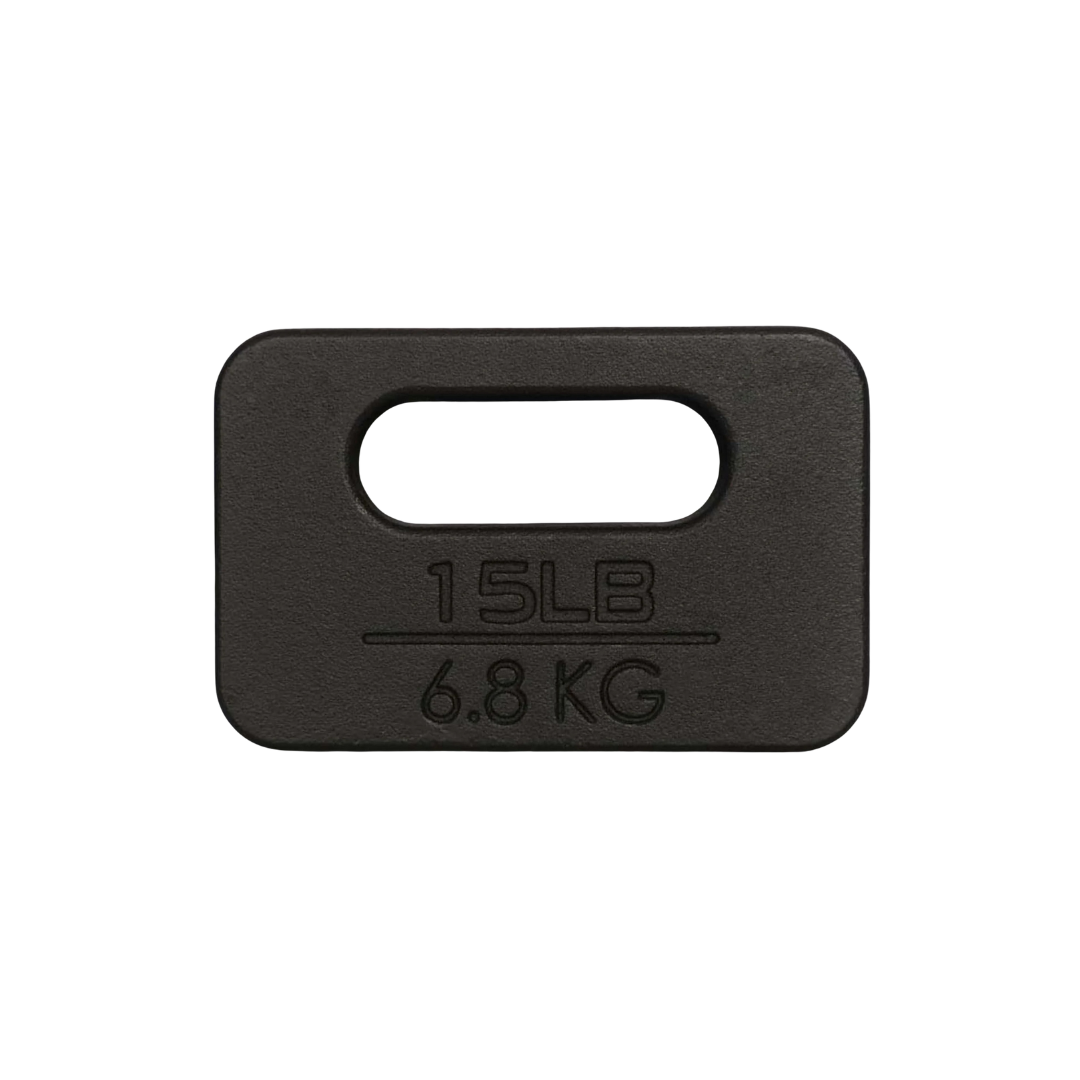
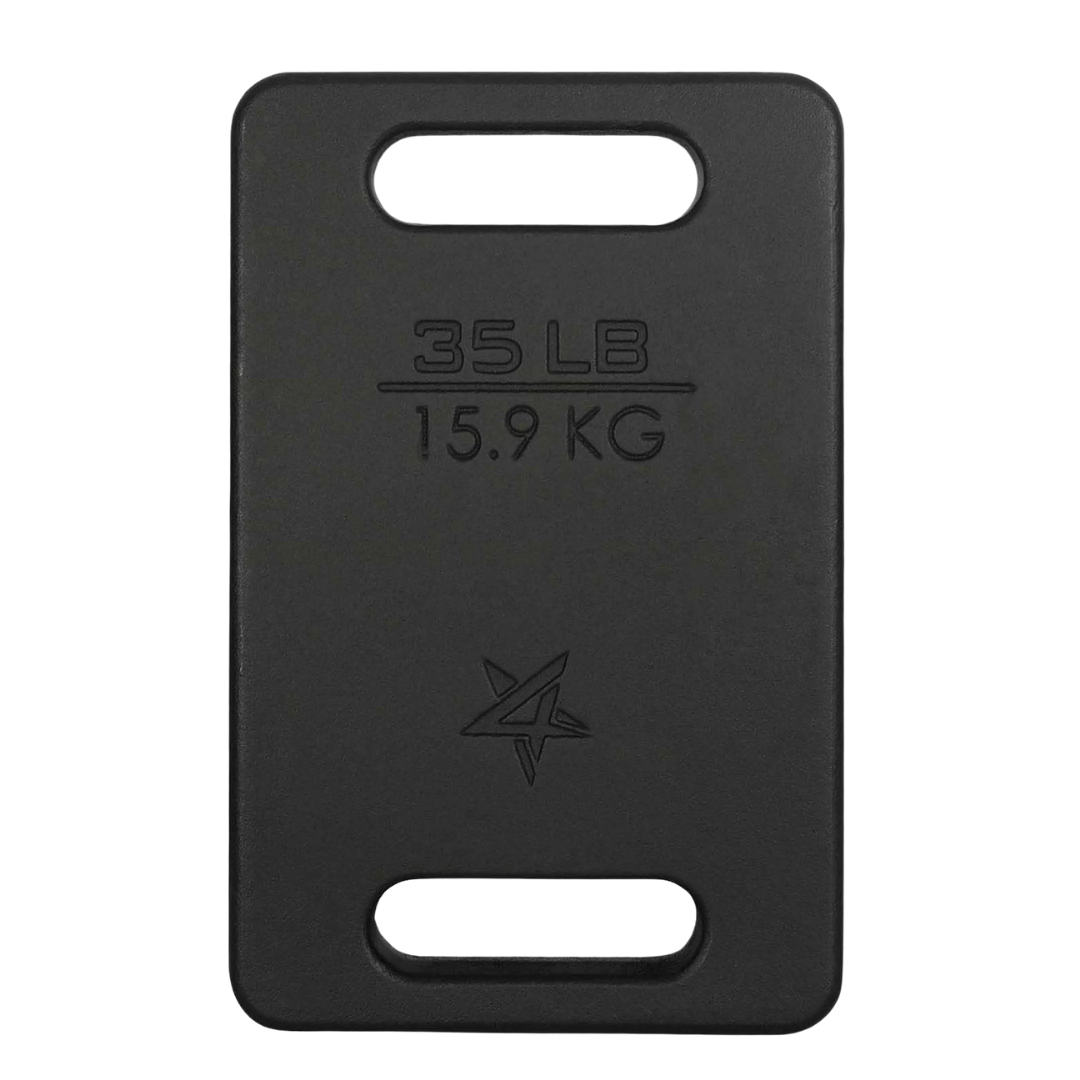
| Starting | About 10% of bodyweight | 15 lb Ruck Weight |
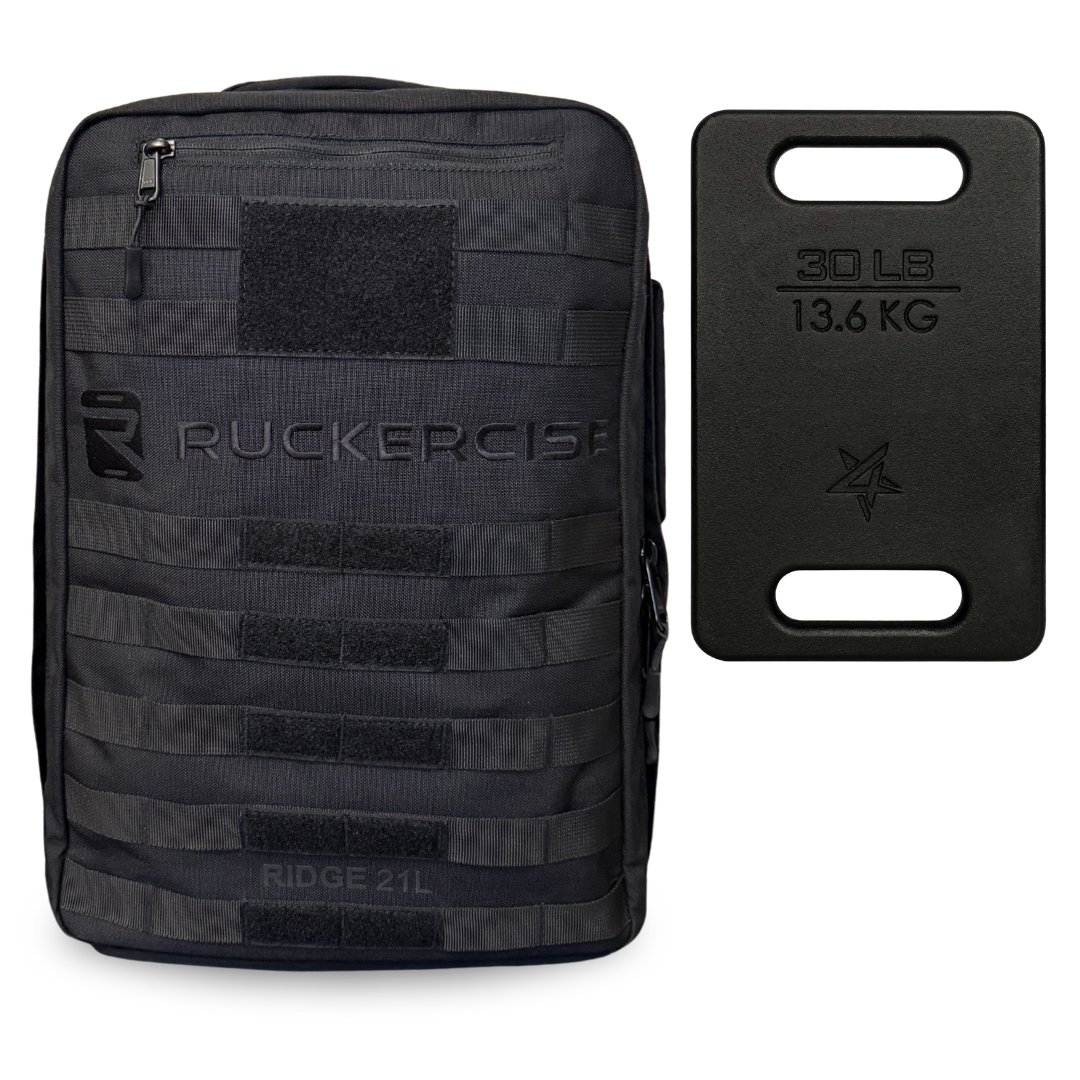
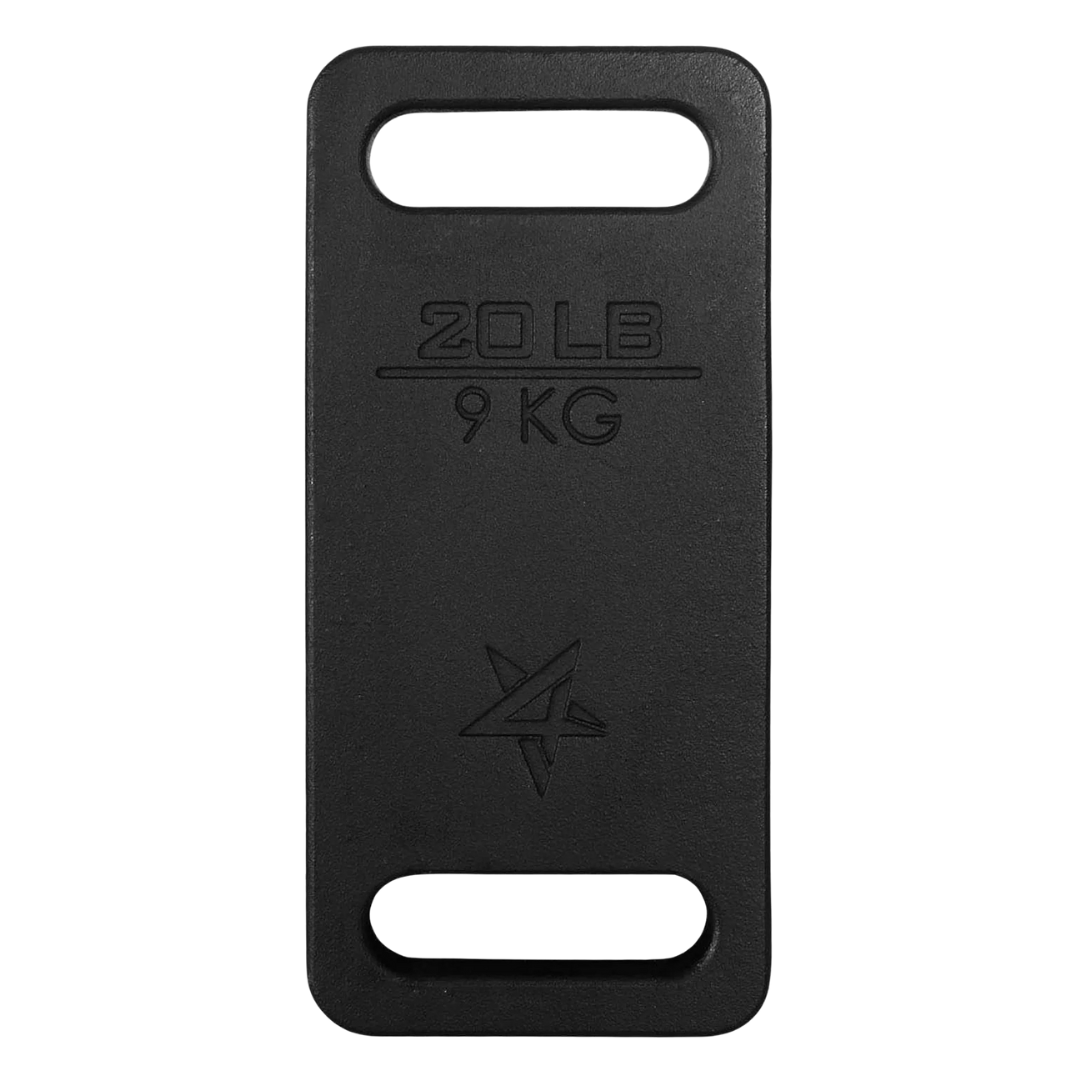
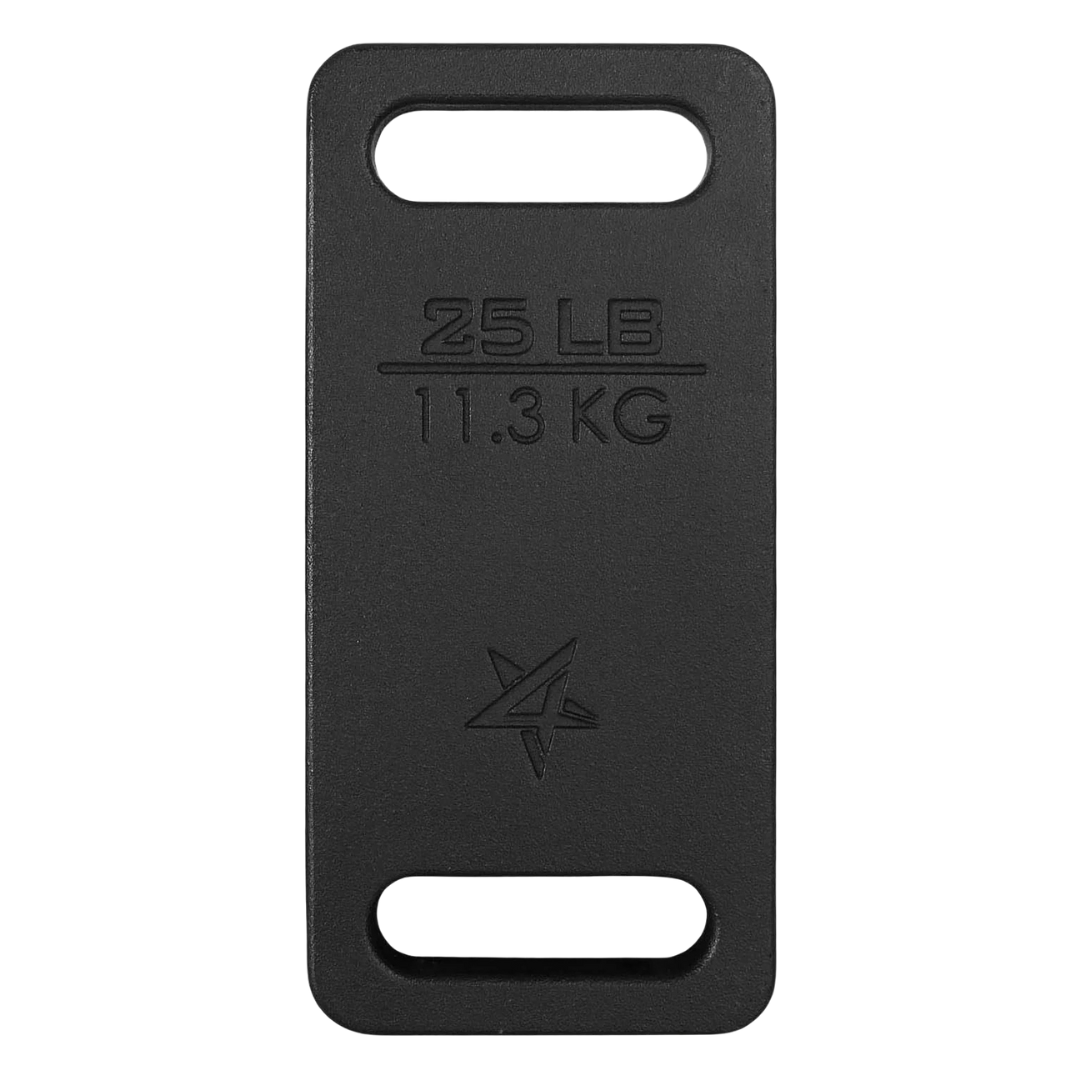
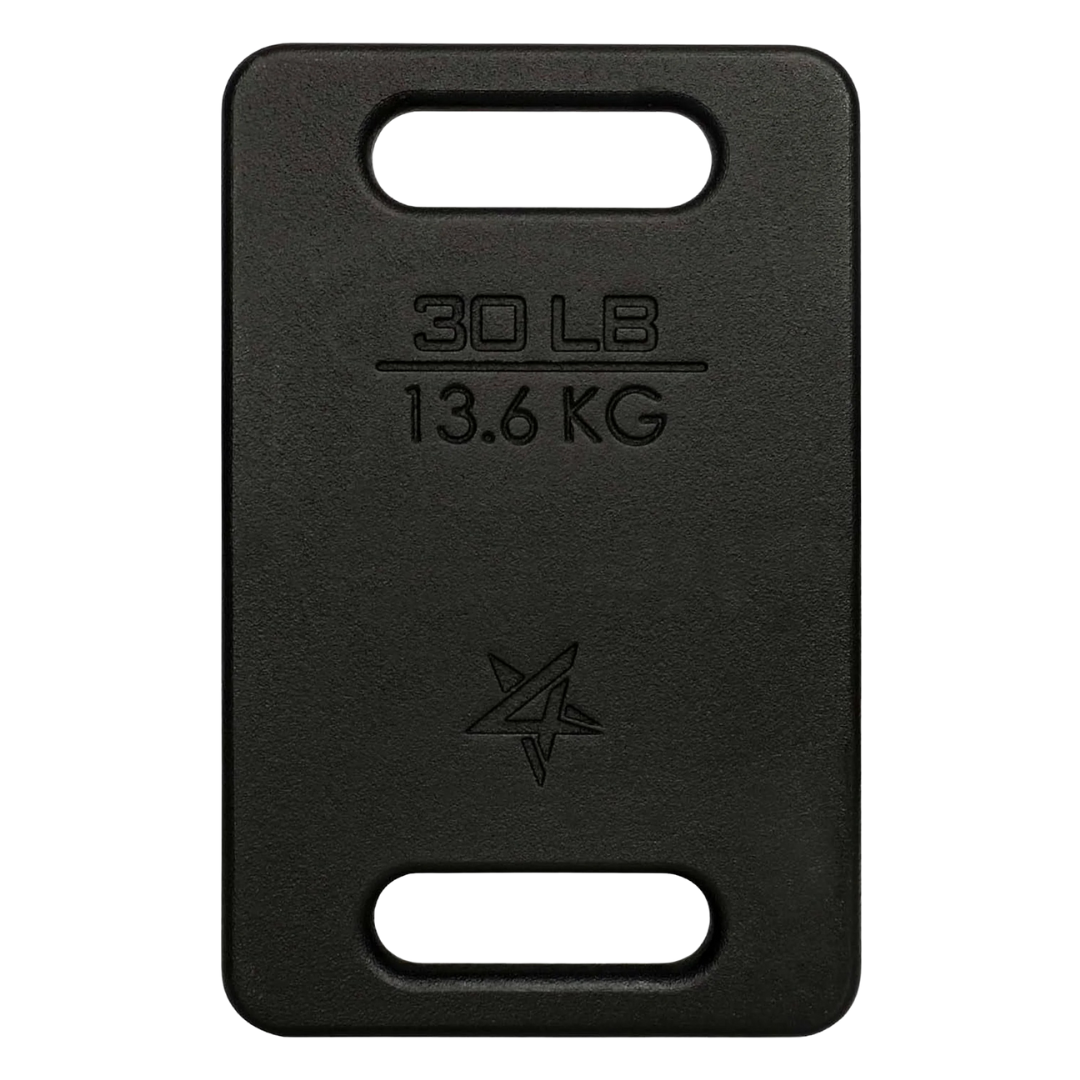
| Building | 15–20% of bodyweight | 30 or 35 lb Ruck Weight |
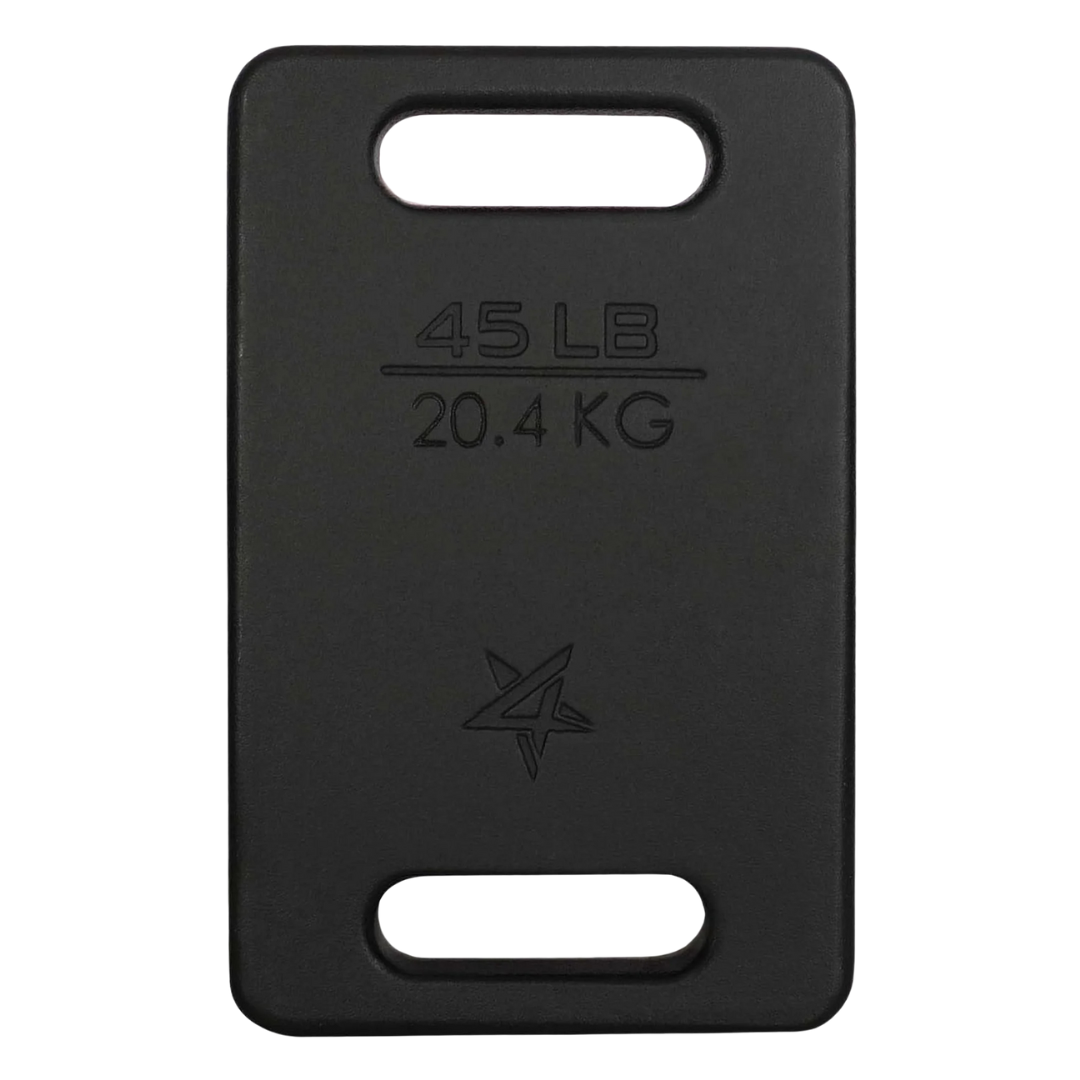
| Experienced | 20–30% of bodyweight | 45 lb Ruck Weight |
Most people never need to go past 30% of bodyweight. Some highly trained athletes work up to about 35%, but for fitness and health, hills, pace and distance are better ways to make a session harder. See the full rucking weight chart by bodyweight for every size.
Does the weighted backpack method help you lose weight?
It can help, because it burns more calories than walking the same route without weight. A ruck can burn up to 2.5 times the calories of an unloaded walk once you add load, pace and hills. The rucking calorie calculator estimates your burn from your bodyweight, pack weight, pace and time.
The bigger advantage is that it is easy to keep doing. It is low impact, it uses walks you already take, and it builds strength in your legs, core and back at the same time. Weight loss still depends mostly on your overall diet, so treat rucking as the exercise half of the plan, not the whole plan.
What to put in a weighted backpack
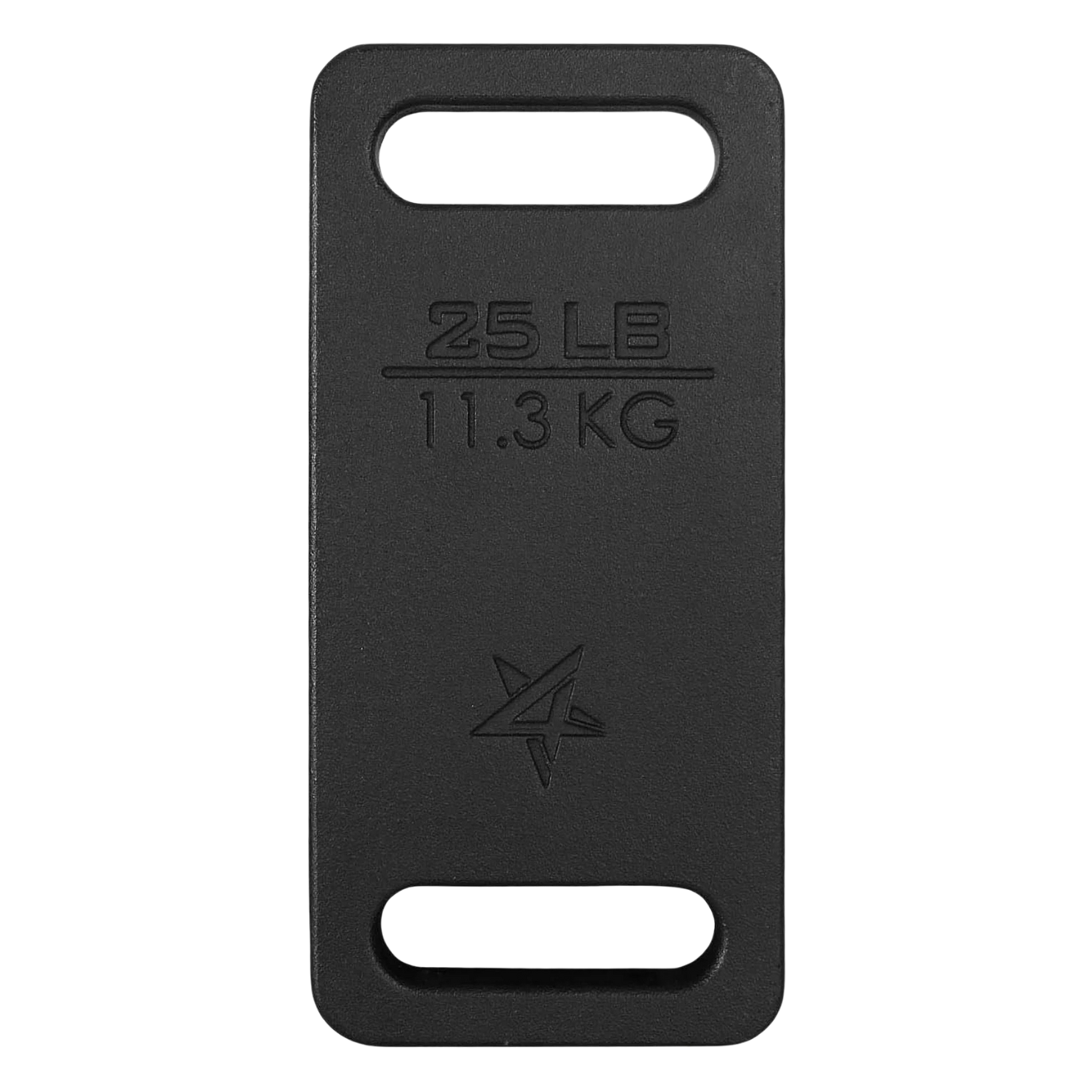
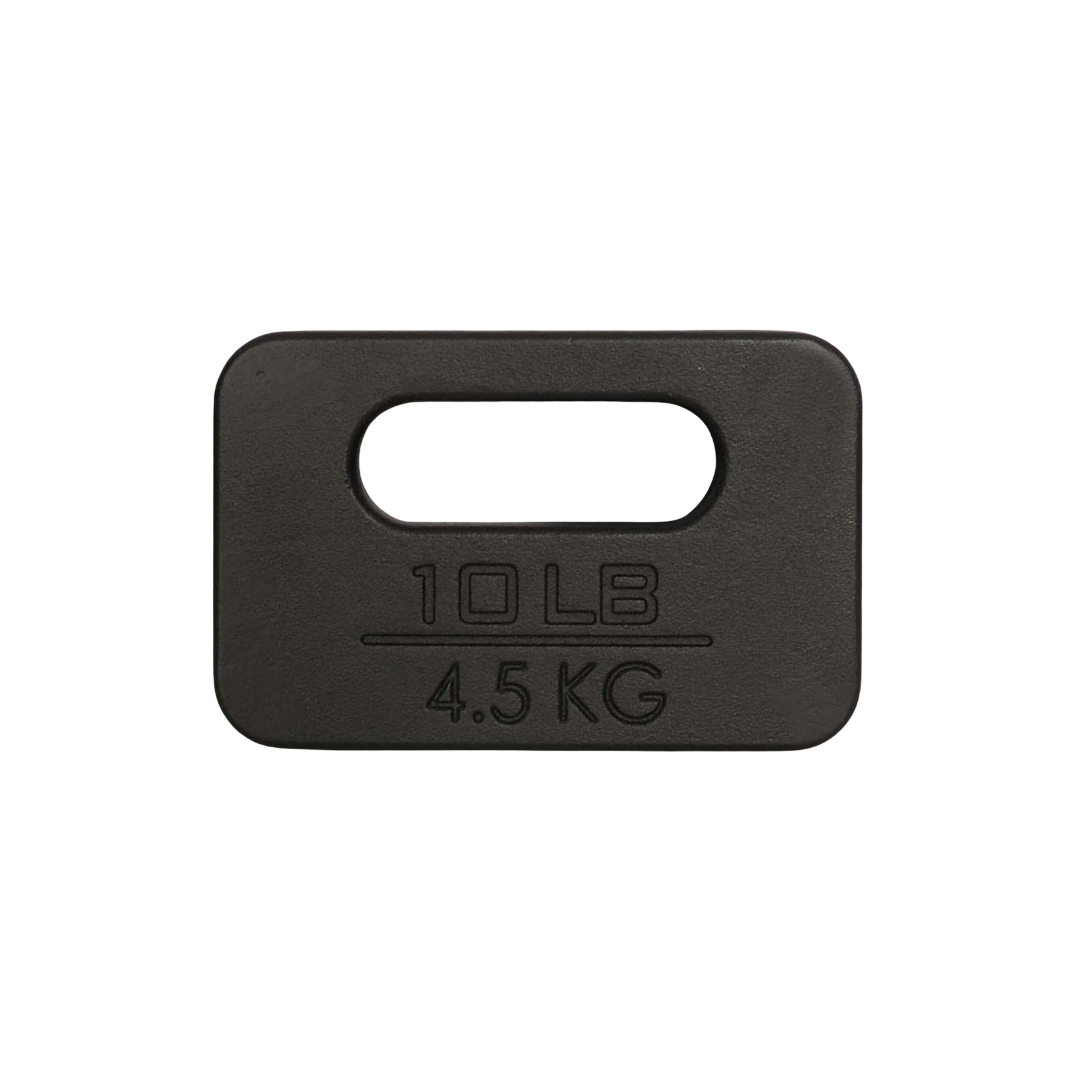
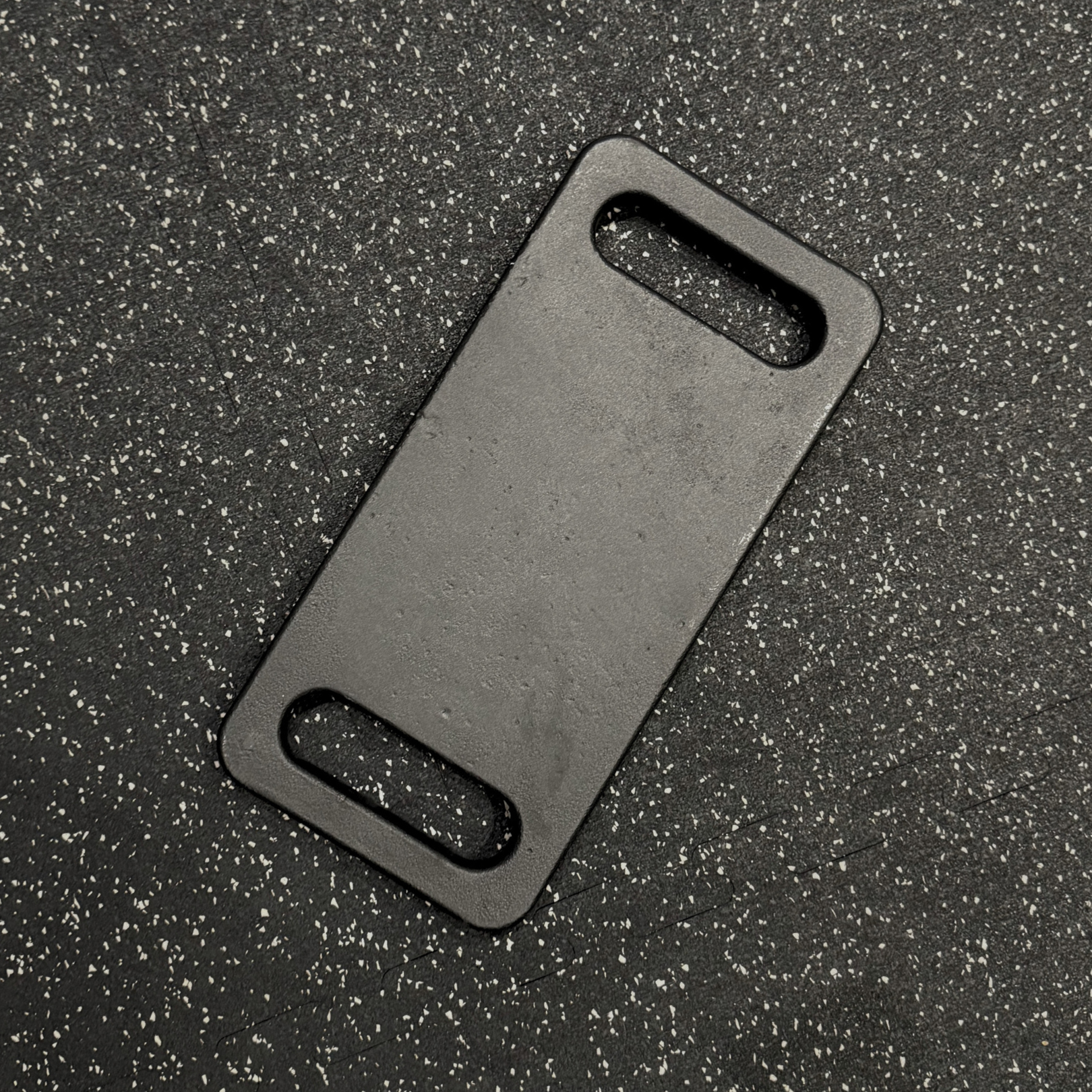
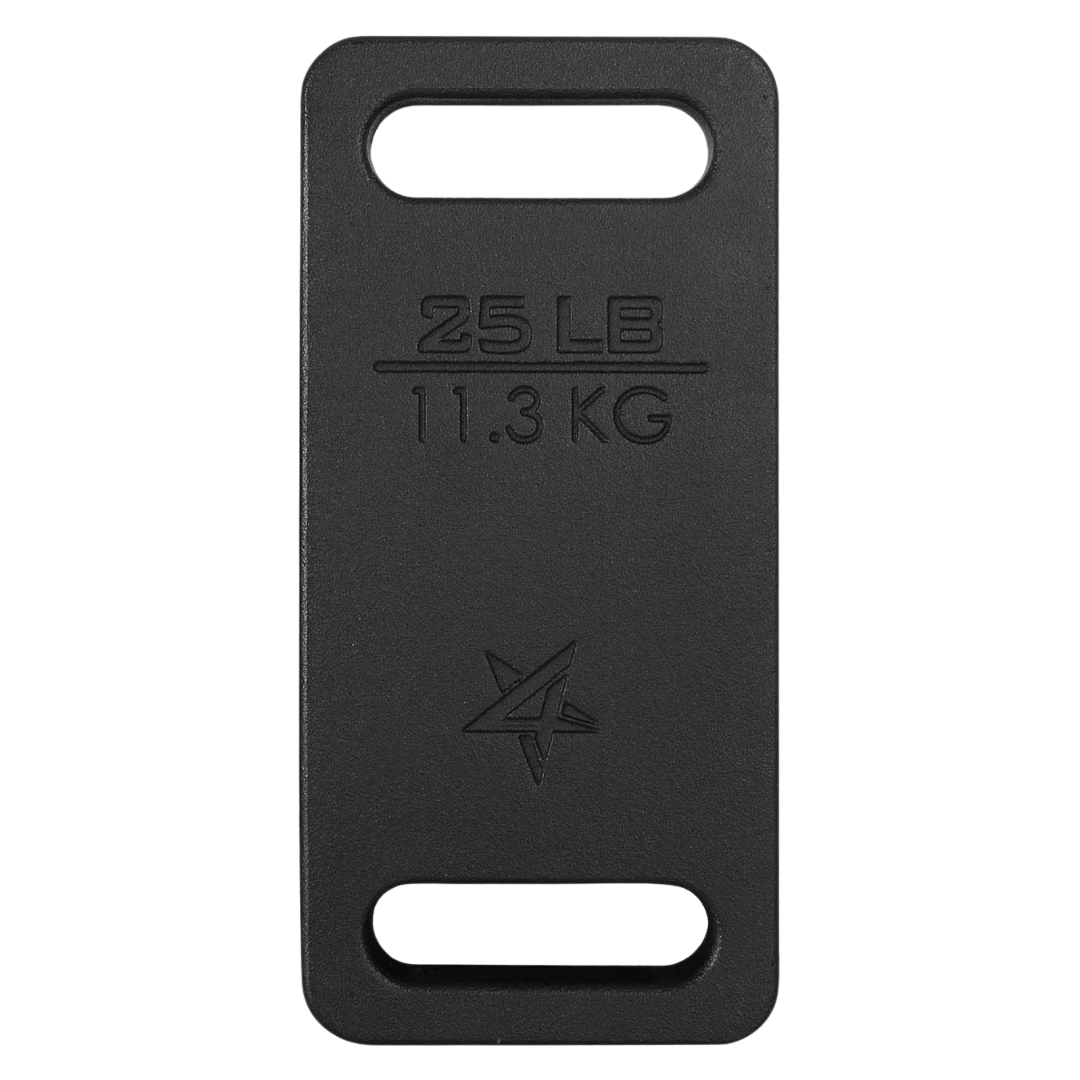
- A purpose-made weight. A flat cast iron Ruck Weight (also called a ruck plate) sits flat against your back and does not shift.
- Household items, to try it out. Books, water bottles or a bag of rice work for a first walk. Wrap them in a towel and pack them tight so nothing digs into your spine.
- Avoid dumbbells and kettlebells. Their shape makes them roll and press into your back.
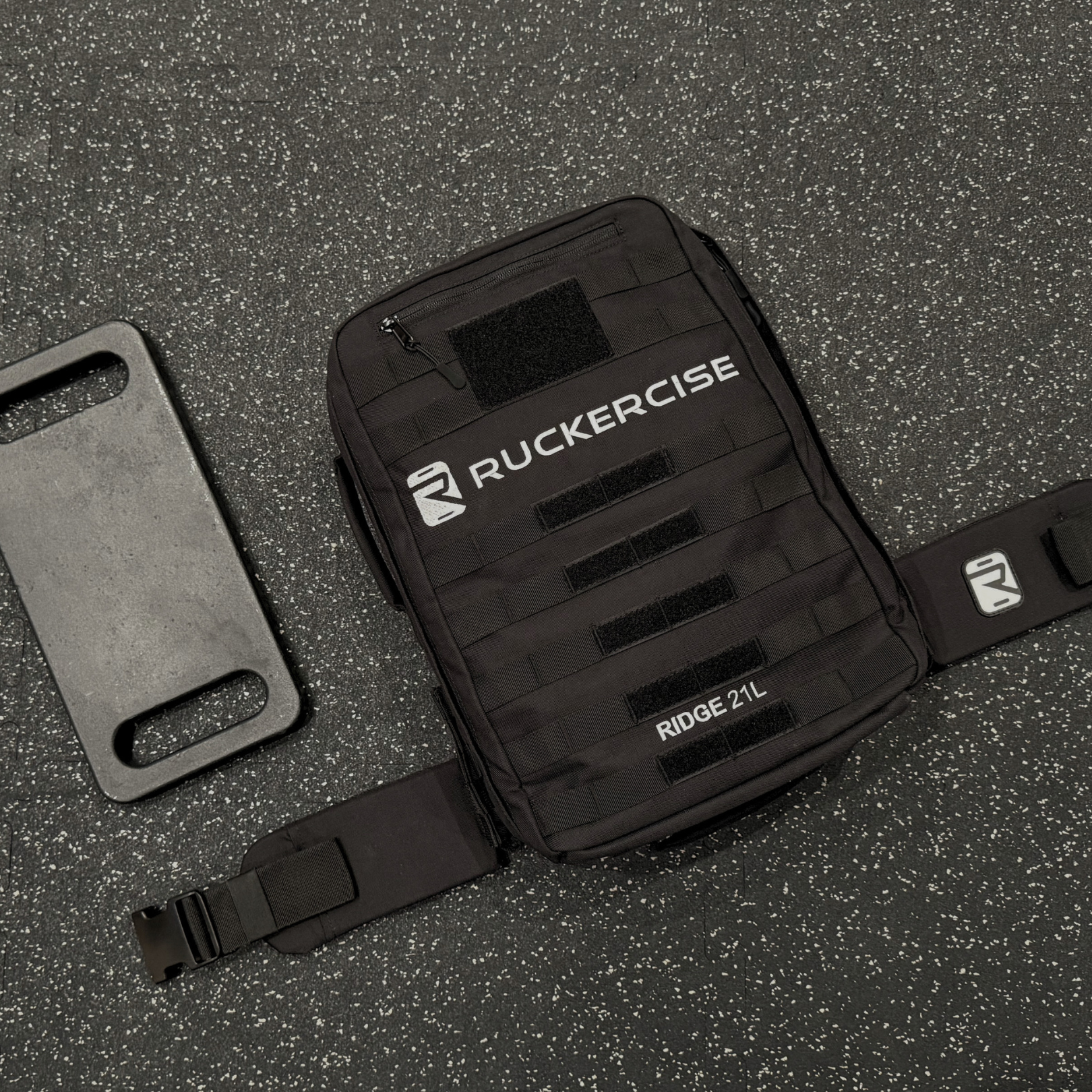
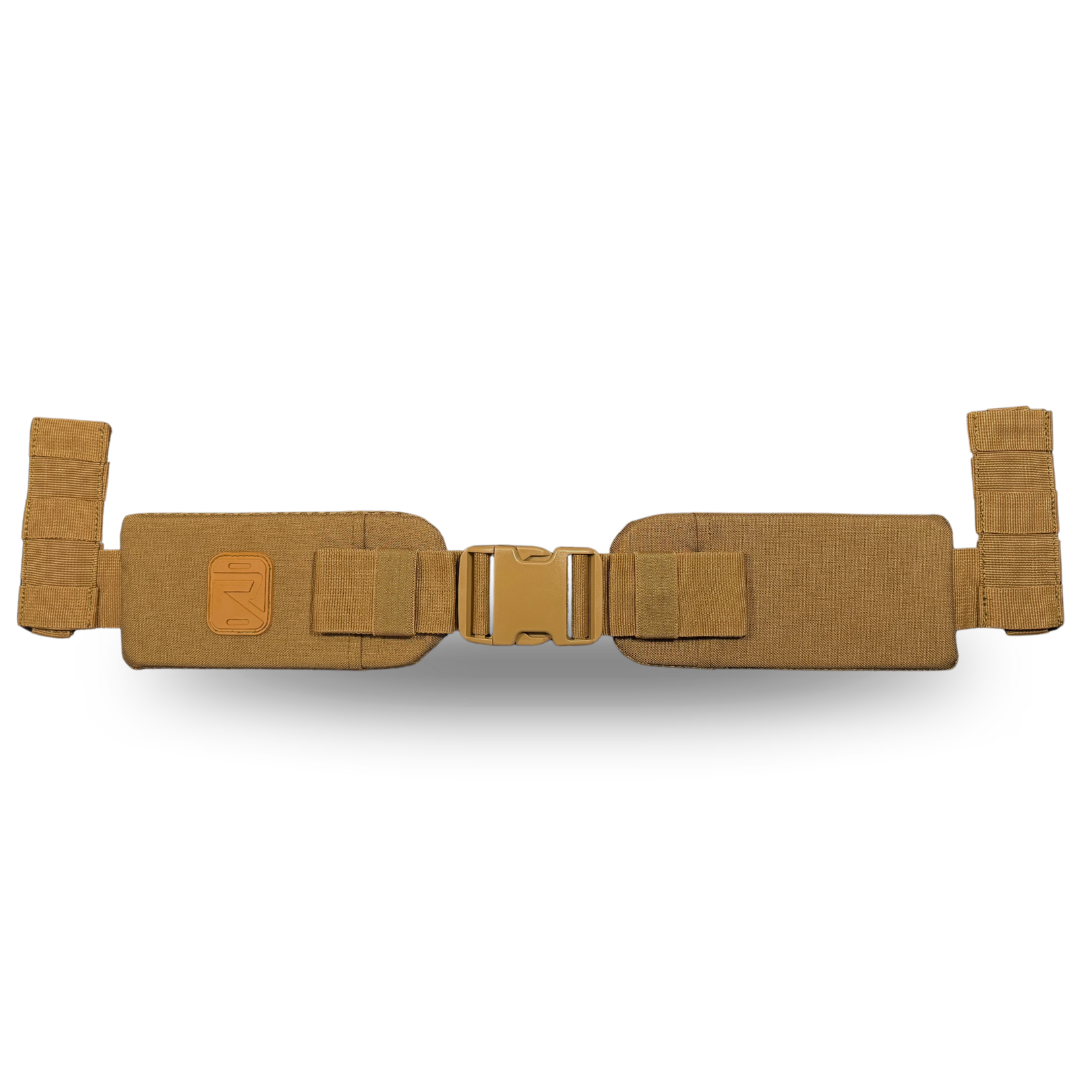
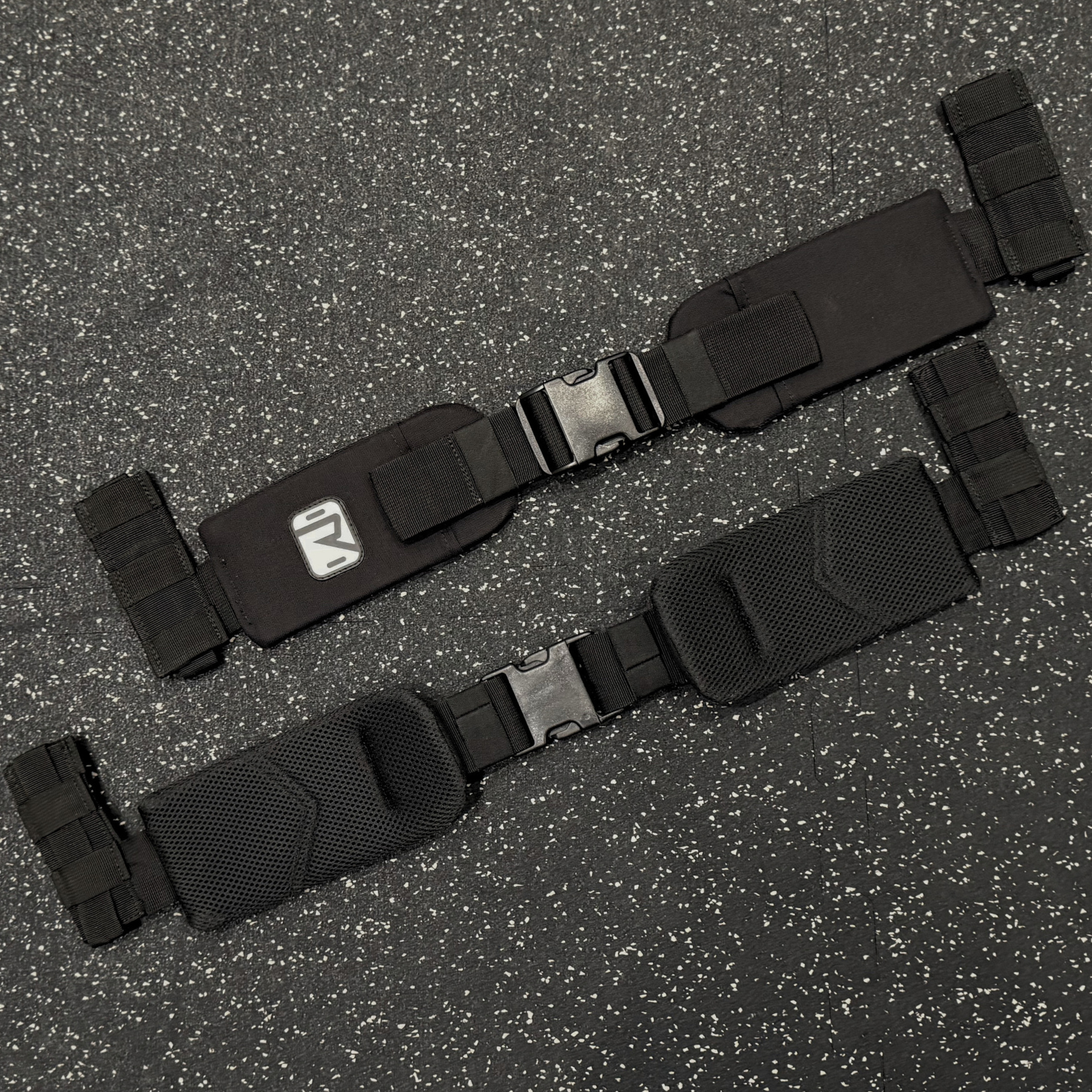
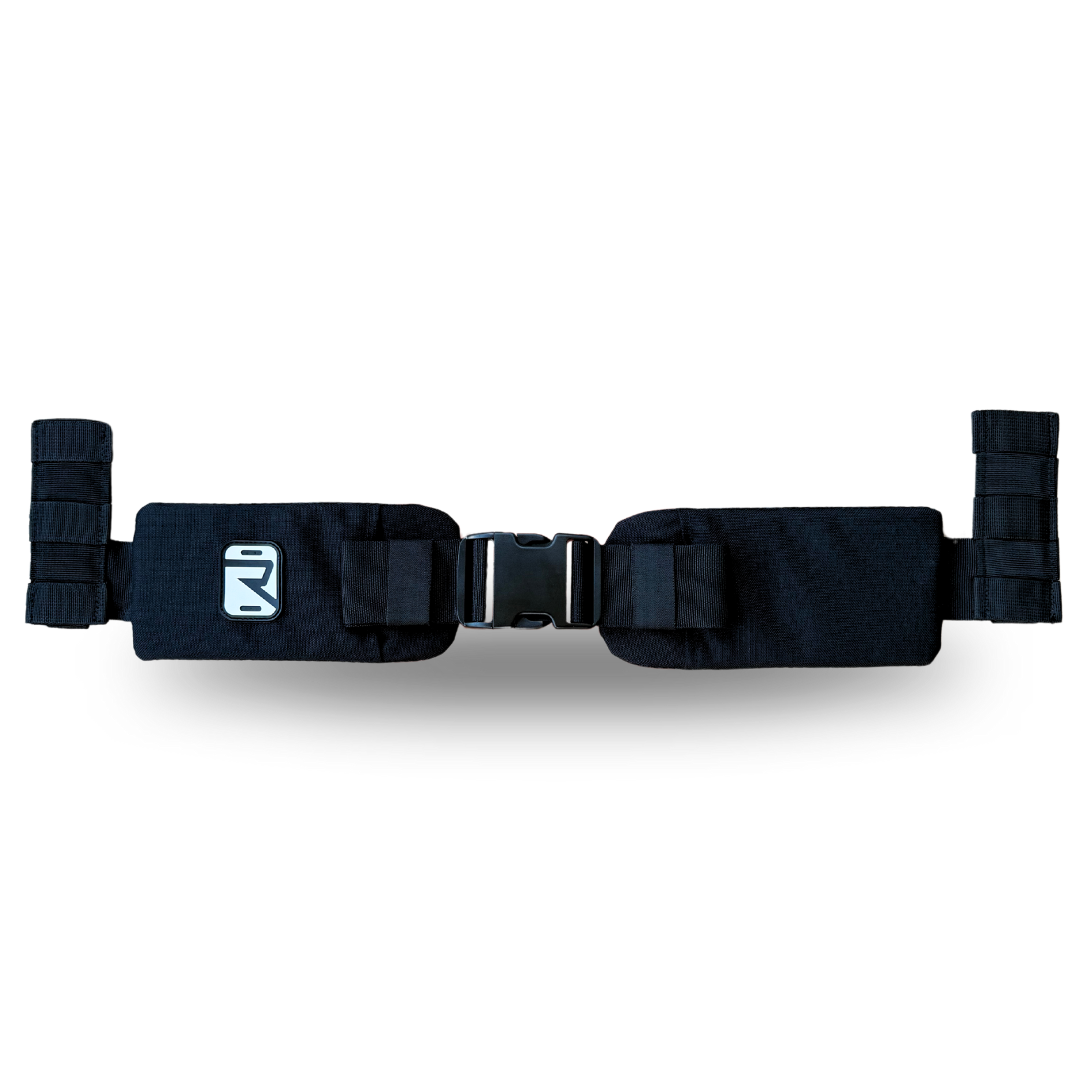
- Add a hip belt as loads climb. A padded hip belt moves part of the weight onto your hips. We recommend one for loads over 20 lb or walks longer than 30 minutes.
Deciding between a pack and a vest? Read weighted backpack vs. weighted vest.
Signs to lighten the load
- You lean forward from the waist or your head drops to balance the pack.
- Your stride gets short and choppy.
- Your feet, shins, knees or back still ache the next day.
- Your hands or arms tingle or go numb. Stop, loosen the straps and reduce the weight.
Talk to your healthcare provider before starting any new fitness routine, especially if you have back, joint or heart problems.
Keep reading
- What is rucking?
- How much weight should you ruck with? A chart by bodyweight
- Beginner rucking workout plan: a 4-week start
- How to ruck properly: gear, form and pace
Ready to start? The Complete Rucking Bundle includes the Rucking Backpack, Ruck Weight and Hip Belt together.