
If you’ve stepped foot into a functional fitness gym over the last couple of years, you already know that HYROX is taking the fitness world by storm. Combining 8 kilometers of running with 8 intense workout stations from heavy sled pushes and sandbag lunges to farmers carries HYROX tests every ounce of your stamina, core strength, and grit.
Whether you're aiming for a podium finish or simply trying to survive your first race without hitting the wall, one question always surfaces: How do you build the massive aerobic base and legs-of-steel capacity required for HYROX without burning out your joints from endless running?
The secret weapon elite competitors and smart athletes are adding to their race prep isn't a high-tech machine, it's rucking.
Why HYROX Athletes Need More Than Just Running
HYROX is unique because it forces you into compromised running: the feeling of trying to maintain a steady run pace immediately after your legs and lungs have been crushed by sled pushes, wall balls, or burpee broad jumps.
Traditional high-mileage running programs are great for cardiovascular efficiency, but they fall short in two key areas:
- Lack of load-bearing muscular strength: Running alone doesn’t prepare your posterior chain for carrying, dragging, or pushing heavy loads.
- High joint impact: Pounding the pavement for hours every week places severe strain on your knees, ankles, and lower back, leaving you vulnerable to overuse injuries.
This is precisely where adding a Complete Rucking Bundle to your regimen changes the game.
4 Reasons Rucking is the Ultimate HYROX Cross-Training Tool
1. Builds Low-Impact Zone 2 Endurance
Aerobic capacity (Zone 2 cardio) is the foundation of long-duration endurance events like HYROX. Rucking, walking with weight on your back, elevates your heart rate into that optimal Zone 2 burning zone while delivering a fraction of the joint impact of running. You can rack up hours of aerobic volume without fatiguing your connective tissue.
2. Conquers "Compromised Running" Fatigue
When you carry a weighted pack, your glutes, hamstrings, calves, and core work continuously under load. By training your mind and muscles to move efficiently while carrying extra weight, running without a pack on race day suddenly feels weightless and effortless.
3. Fortifies Your Core, Traps, and Posture
Stations like the Sandbag Lunge and Farmers Carry fail not because of cardiovascular weakness, but because of postural fatigue. Rucking forces your upper back, traps, and core to maintain an upright position under tension. If you've read our guide on the mental and physical benefits of rucking, you know that load-bearing movement builds bulletproof trunk stability.
4. Speeds Up Active Recovery Days
Hard HYROX strength sessions take a heavy toll on the nervous system. A light 30-to-45-minute rucking session promotes blood flow and keeps your body moving without adding central nervous system stress.
How to Integrate Rucking Into Your HYROX Weekly Plan
You don't need to overcomplicate your schedule. Here is a simple, effective blueprint to integrate weighted walking into your weekly routine:
Sample HYROX Rucking Integration Schedule
- Mid-Week Active Recovery: 45-minute steady walk carrying 10-20% of your body weight. Focus on upright posture and steady nose breathing.
- Weekend Finisher: At the end of a strength or functional workout, strap on your rucksack for a 20-minute power walk or steep incline treadmill climb to simulate heavy-leg fatigue.
- Zone 2 Base Day: Swap one long run per week with a 60-to-90-minute ruck through hills or outdoors with friends.
If you're brand new to rucking and aren't sure how to start structuring your loads, check out our step-by-step Start Rucking Guide or take a look at our Beginner Rucking Workout Plan.
Gear Up for Race Day Success
When training for HYROX, comfort, durability, and weight distribution are critical. You need gear built to handle high intensity without bouncing, shifting, or causing chafing.
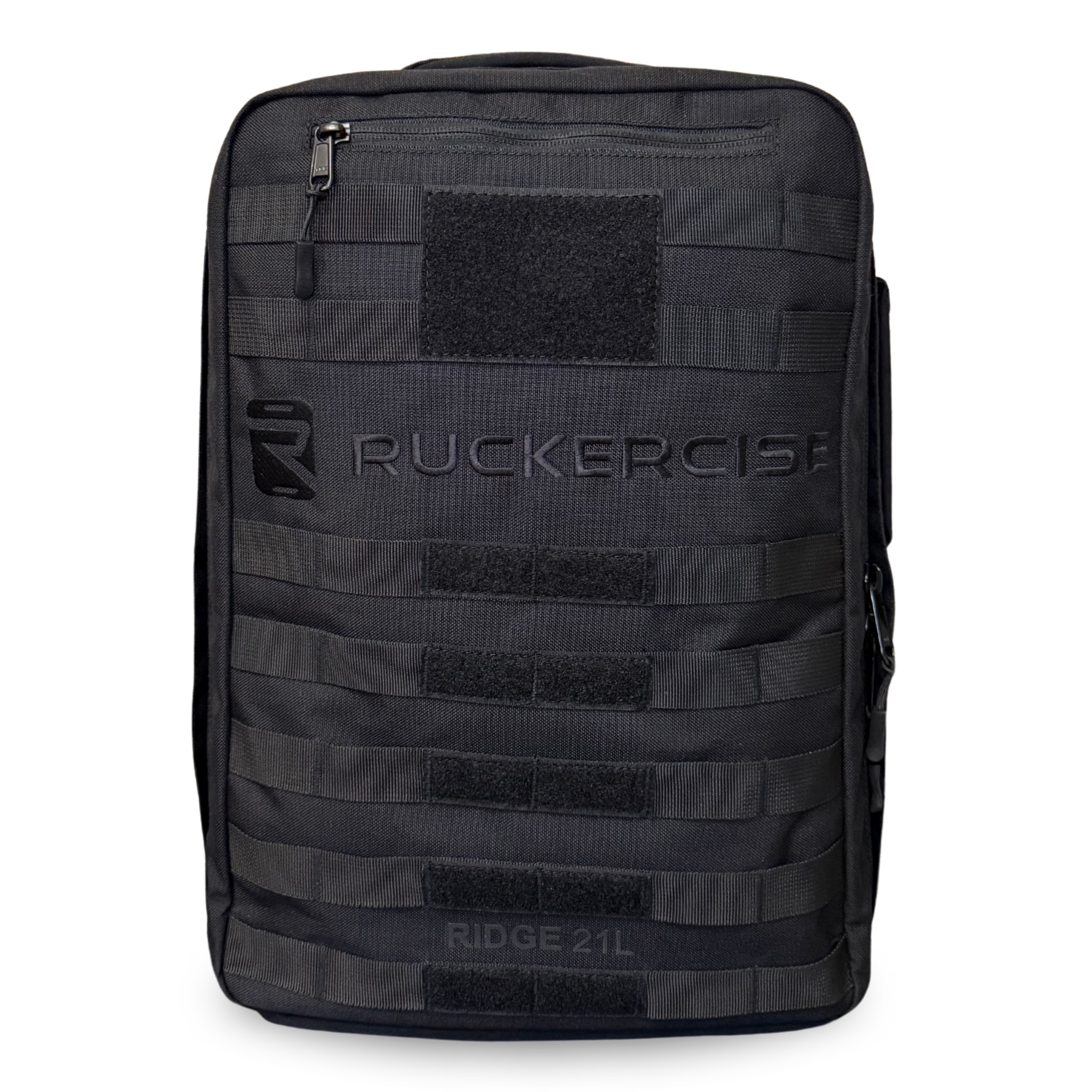
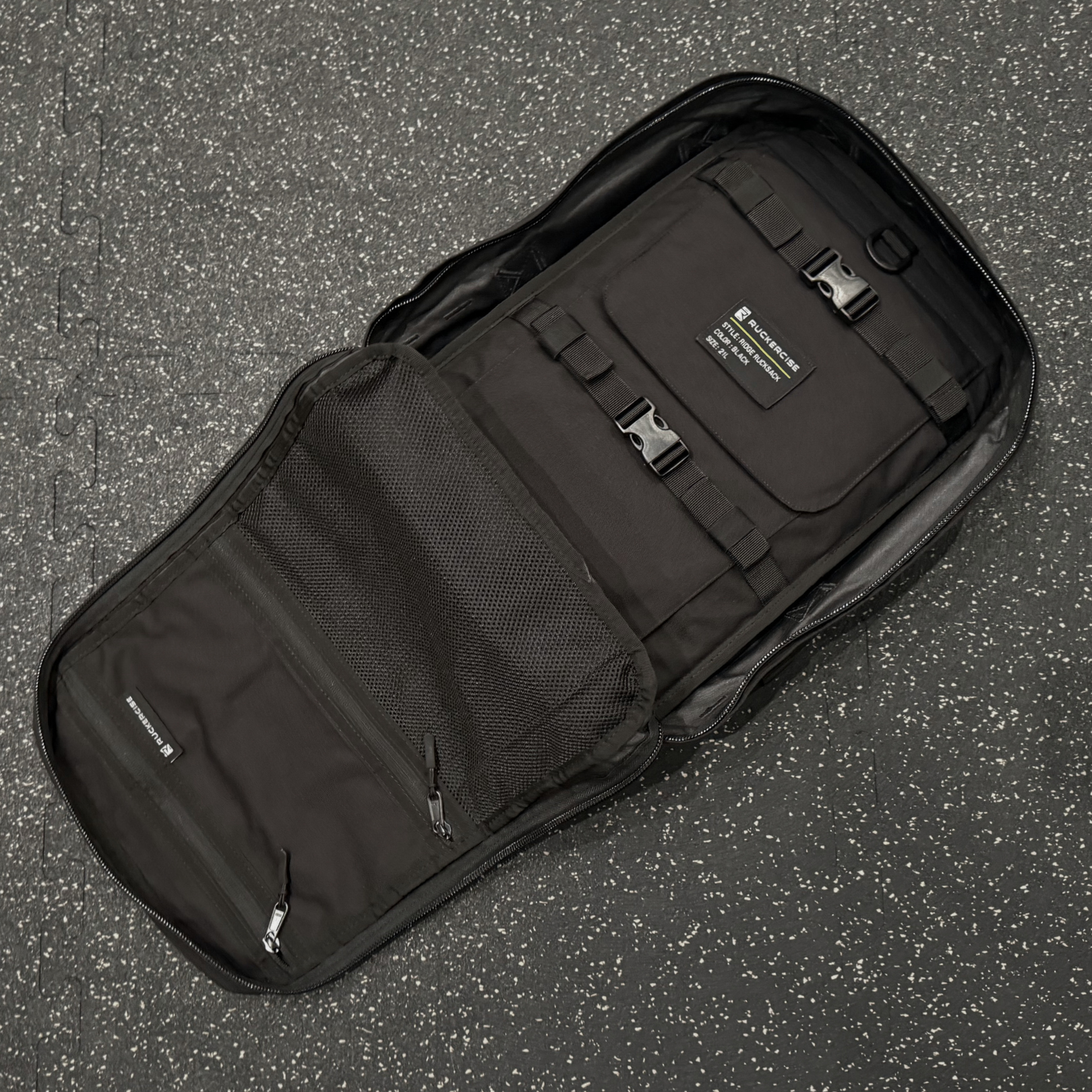
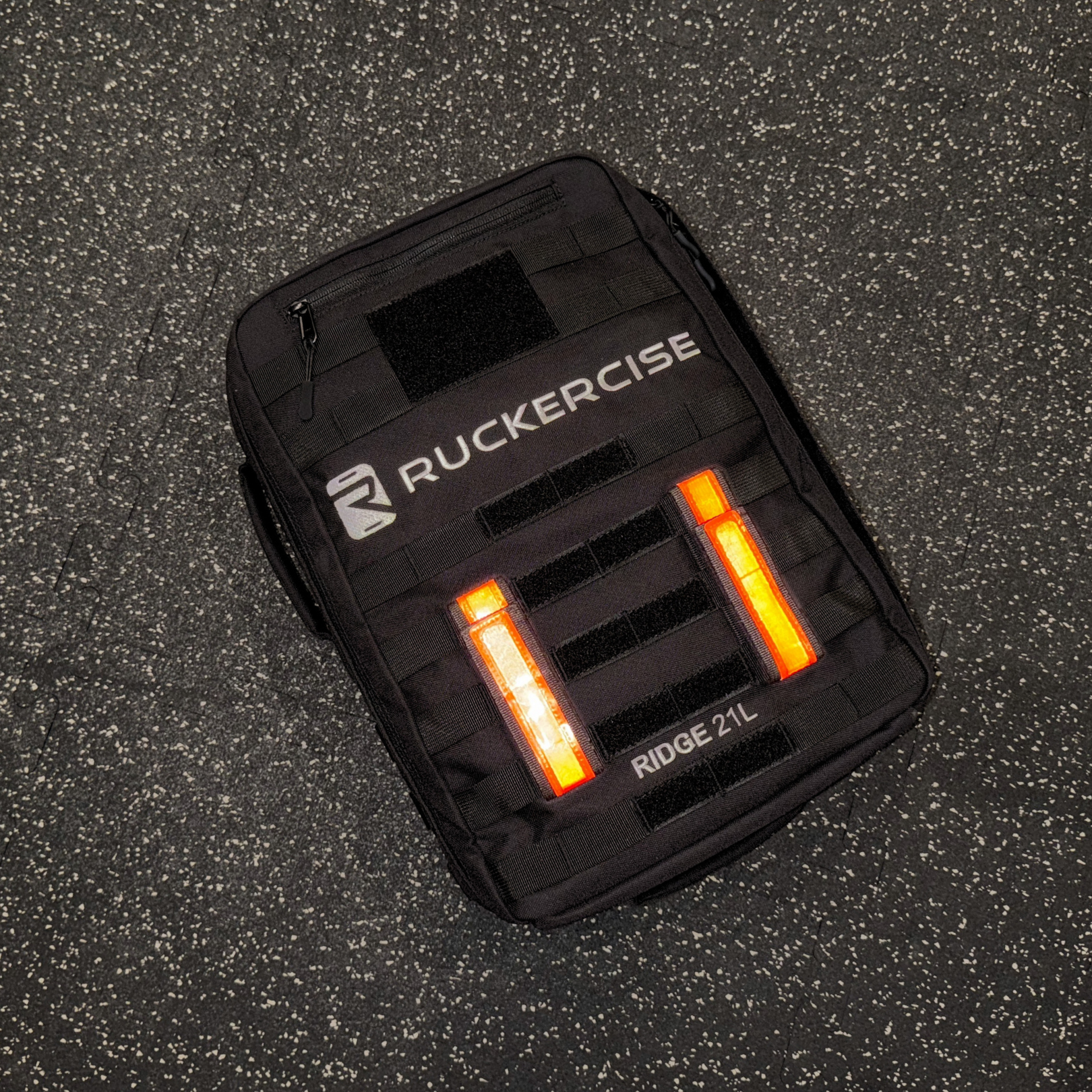
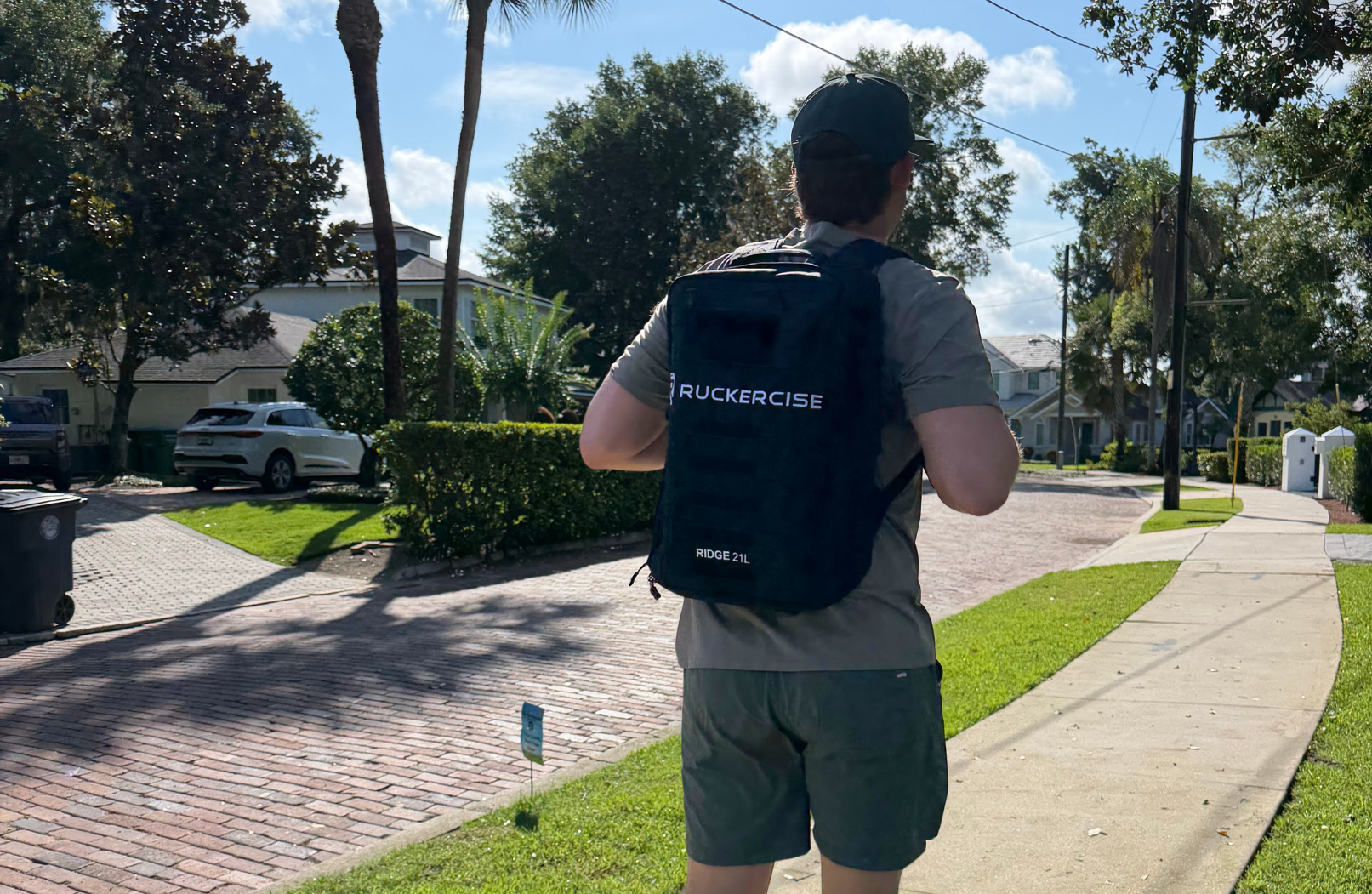
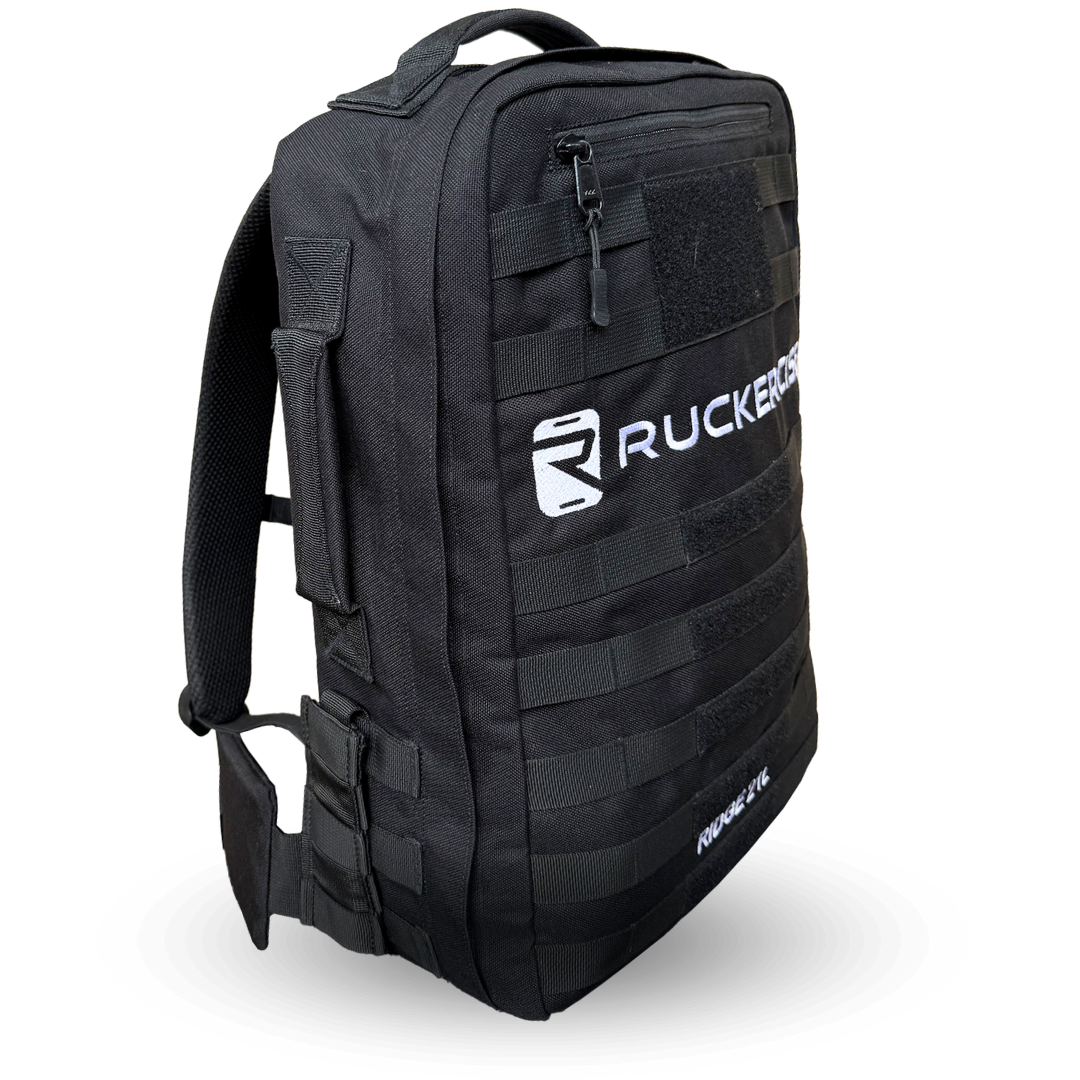
Our flagship Ridge Rucking Backpack is ergonomically designed to keep weight snug against your upper spine, protecting your lower back while maximizing power output.
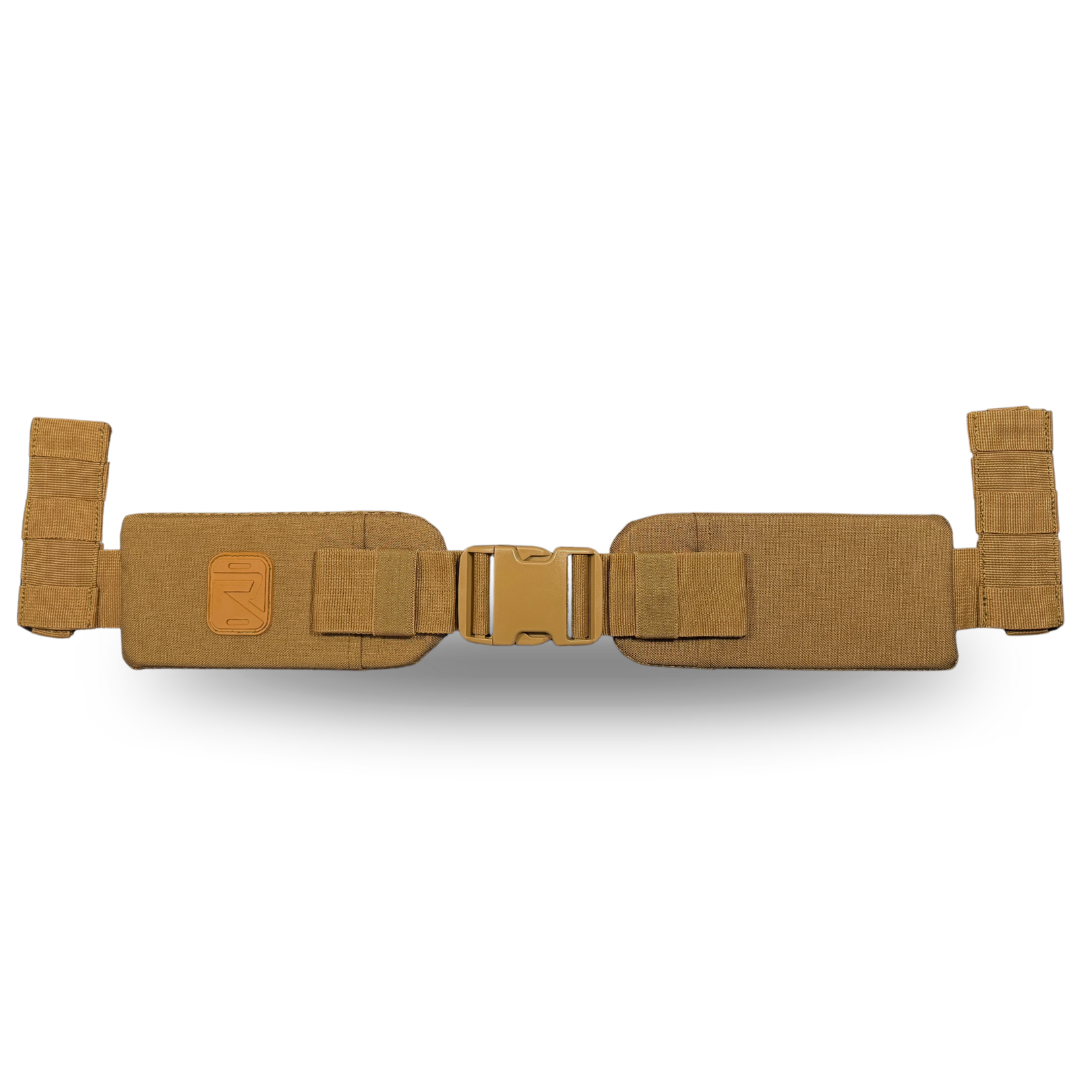
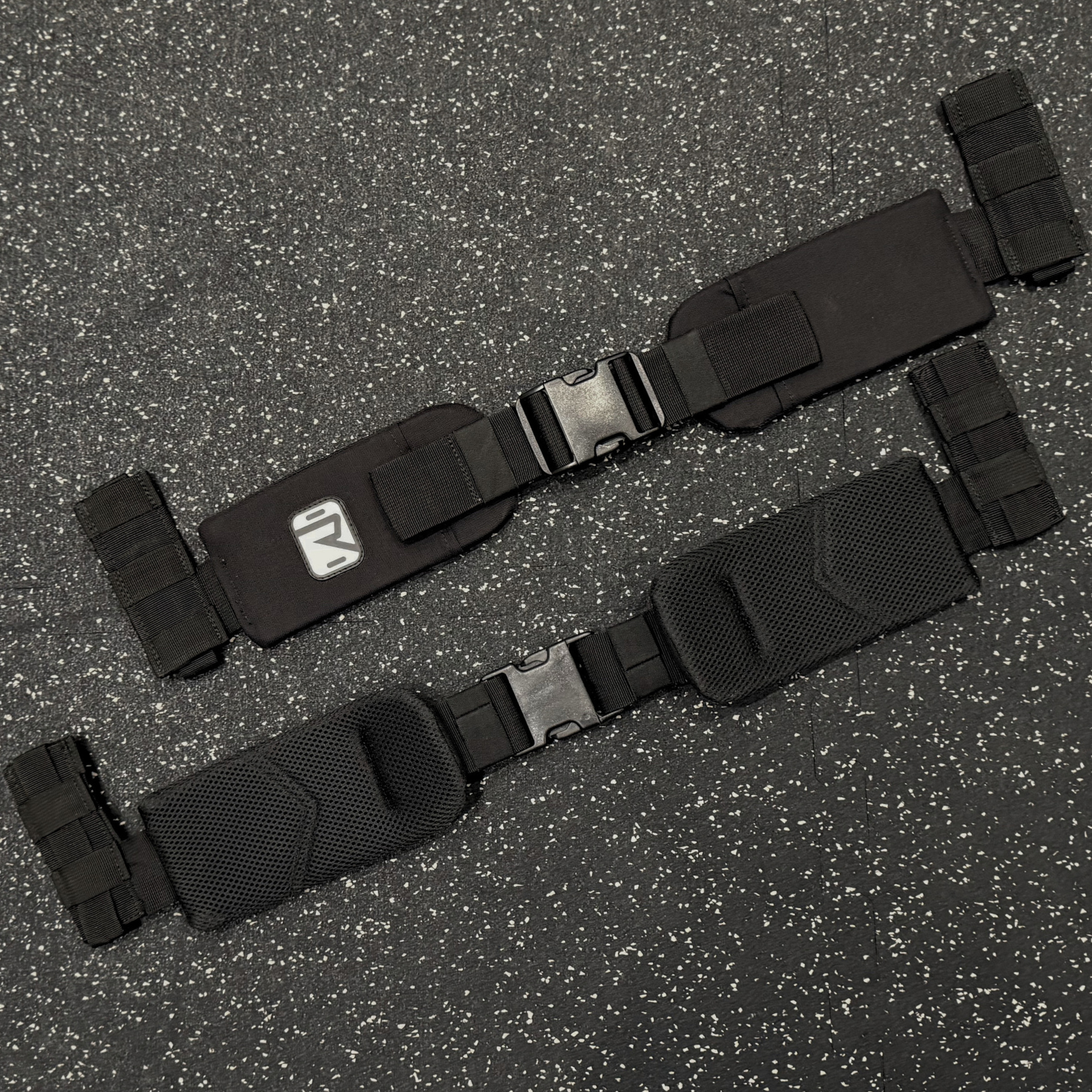
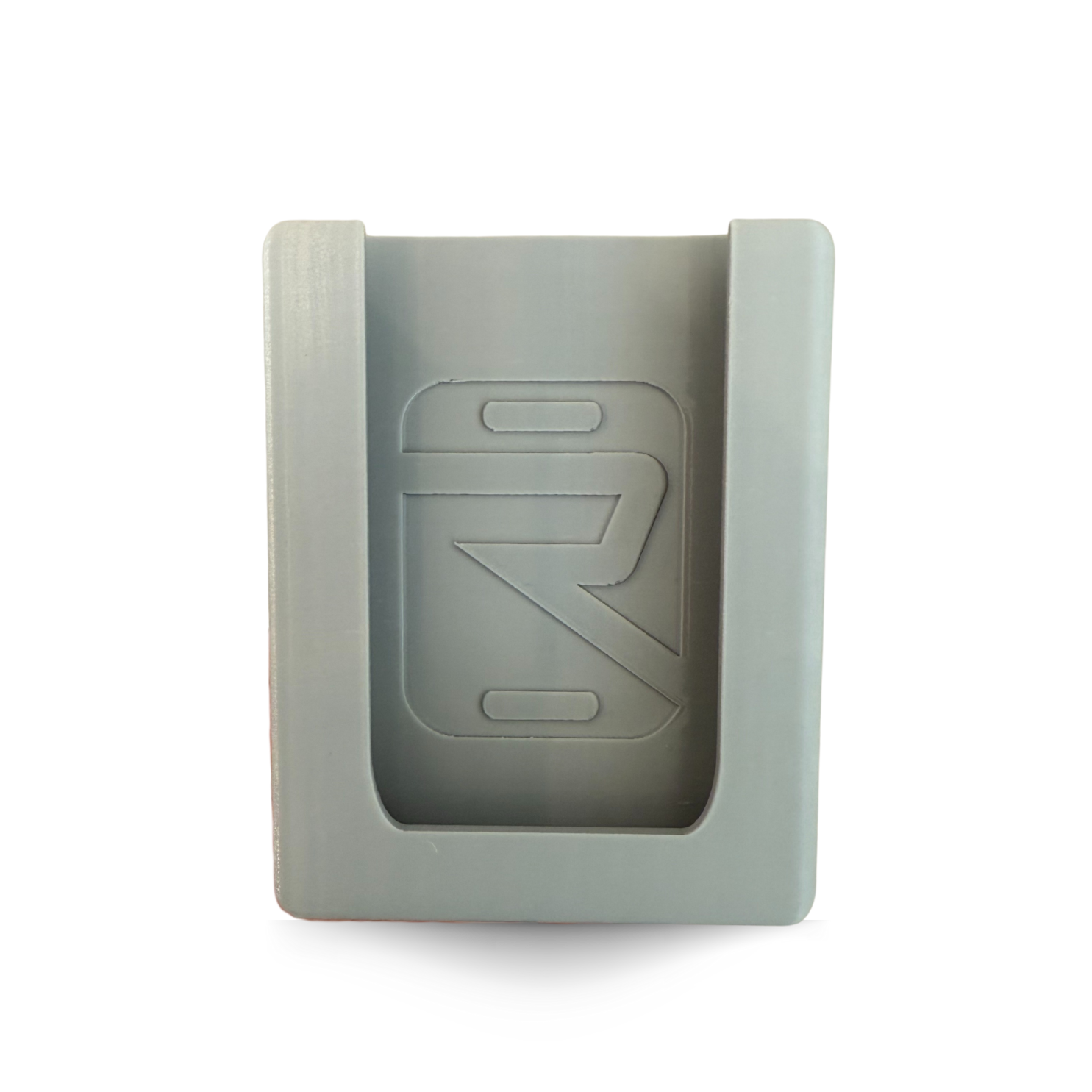
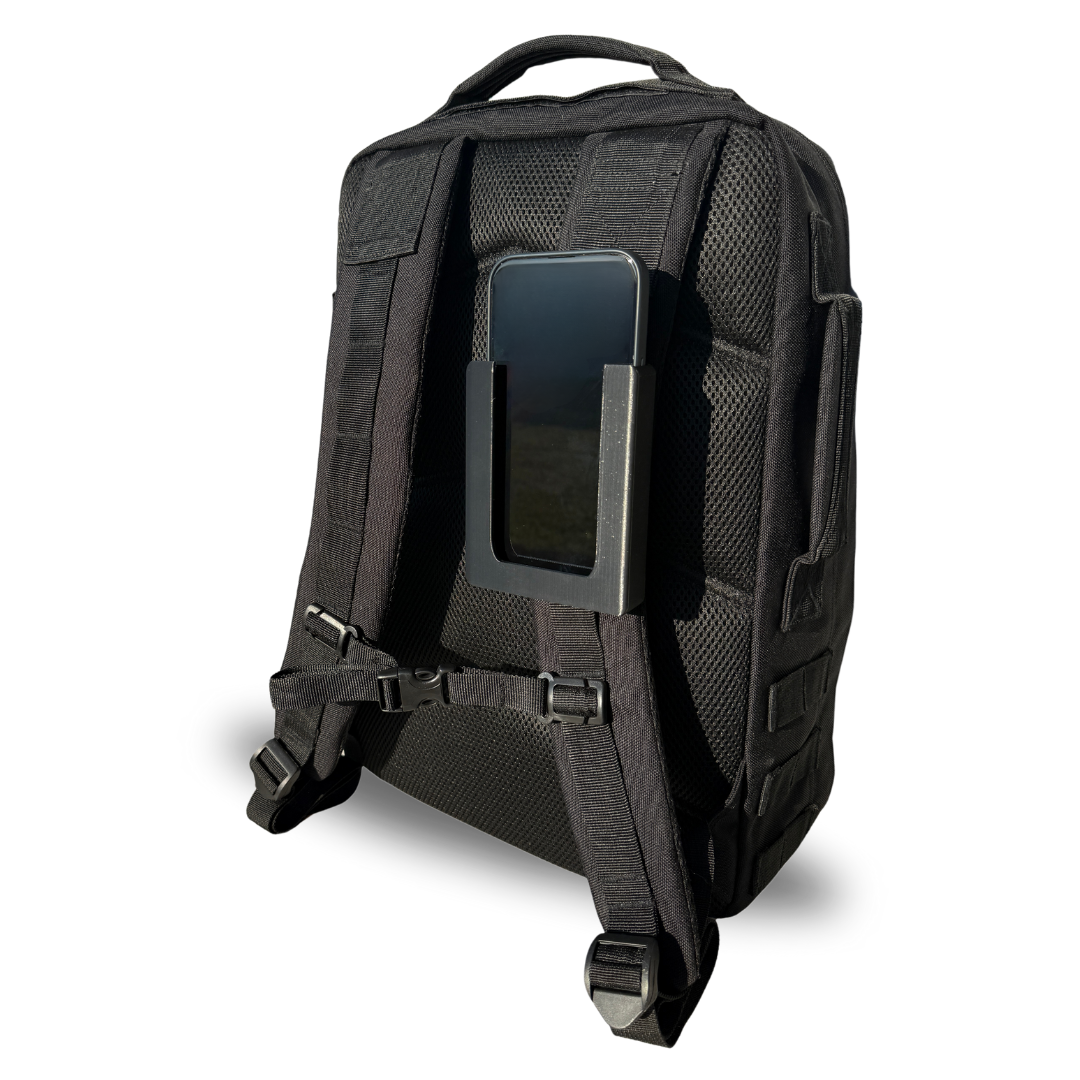
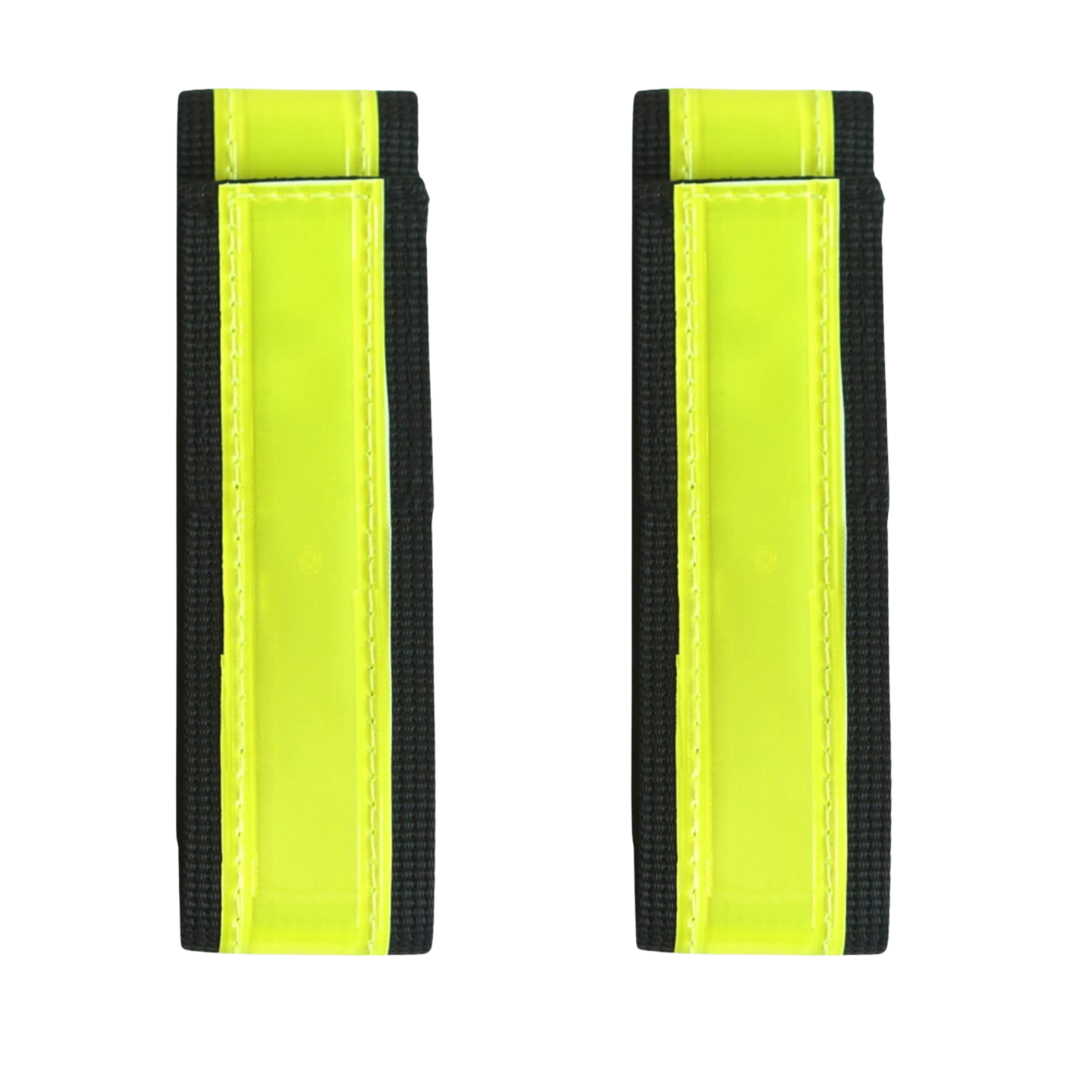
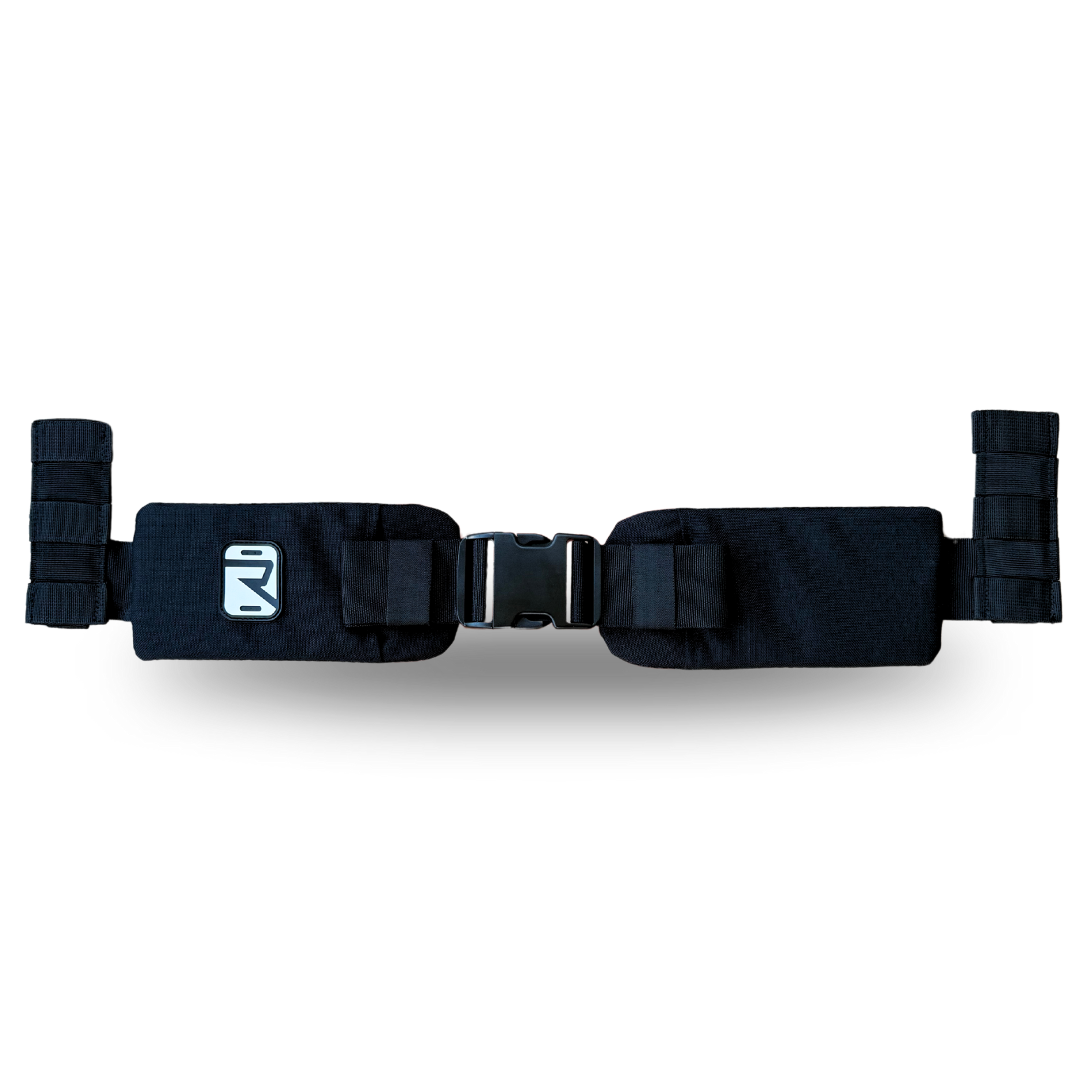
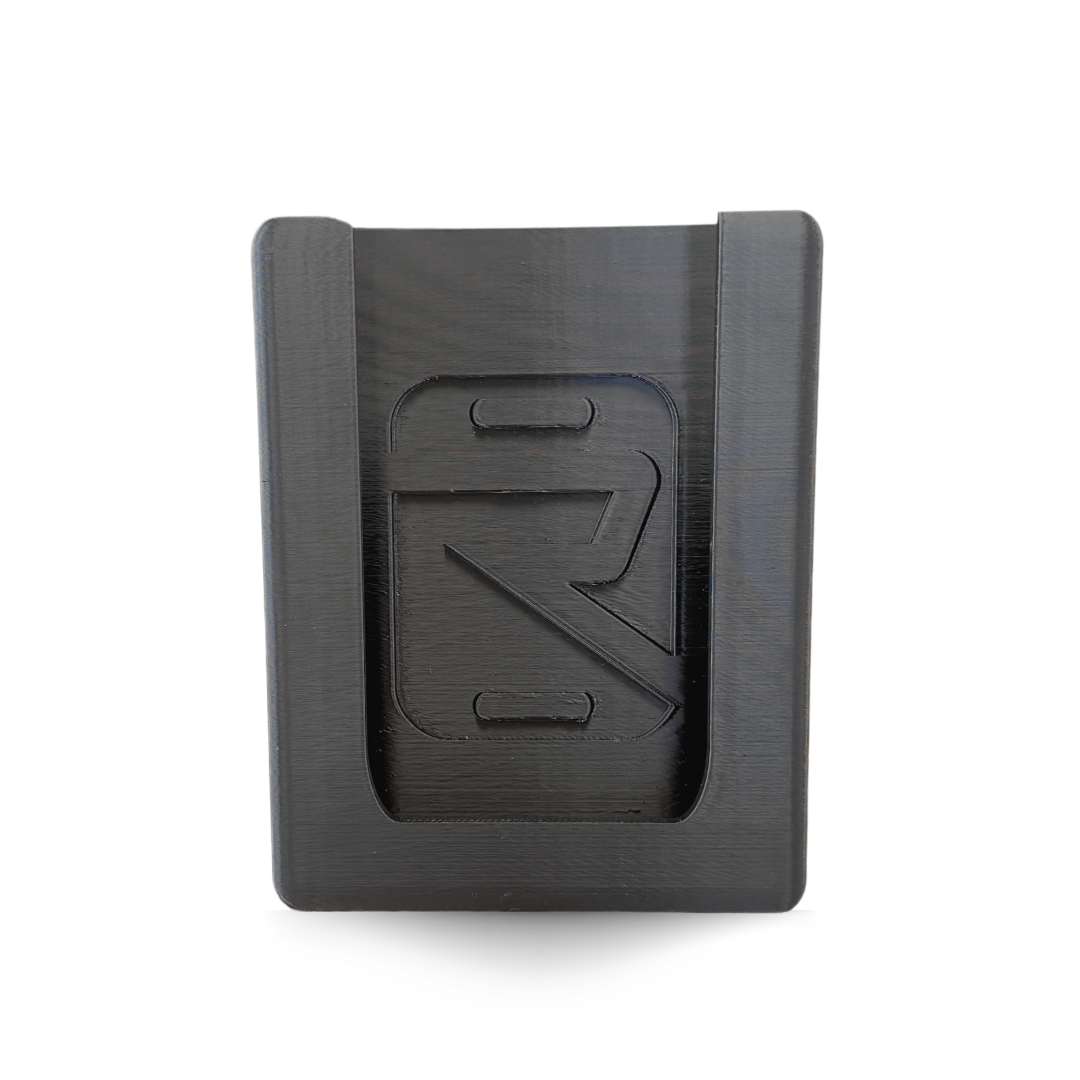
Ready to level up your functional fitness and dominate your next race? Get everything you need in one place with the Complete Rucking Bundle—including our ergonomic backpack, Ruck Weight, adjustable hip belt, and essential accessories.
"Rucking bridges the gap between raw cardiovascular endurance and load-bearing strength. If you want to finish HYROX feeling strong from start to finish, put a pack on your back and start moving."
Keep reading
- 4 ruck workouts for stronger conditioning
- How much weight should you ruck with? A chart by bodyweight
- Rucking backpack vs. weighted vest
New to rucking? Begin with the Start Rucking guide. Race-week loads call for a padded hip belt once you pass about 30 lb.