

Calculator
Rucking calorie calculator
Quick answer: A 180 lb person carrying a 20 lb Ruck Weight at 3 mph on flat ground burns about 320 calories an hour. Add rolling hills and the same ruck reaches about 500. Enter your own numbers below for an estimate built on the Pandolf load-carriage equation, the formula U.S. Army researchers published in 1977 to predict the energy cost of carrying a pack. One thing it makes clear: pace and hills raise the burn far more than the weight itself does.
Enter your bodyweight to see your estimate.
Estimates from the Pandolf equation (Pandolf, Givoni and Goldman, 1977). Best for walking paces between 2 and 4 mph on level or uphill ground; it does not model downhill walking. Your real burn varies with fitness, body composition and heat.
Rucking calories burned per hour: a quick table
Flat pavement, 3 mph (a 20-minute mile). The exact figure sits in grey; the bold figure is rounded to the nearest 10.
| Bodyweight | No load | 10 lb | 20 lb | 30 lb | 45 lb |
|---|
How the calculator works
The estimate uses the Pandolf equation, published in the Journal of Applied Physiology in 1977 by researchers at the U.S. Army Research Institute of Environmental Medicine. It predicts the energy you spend from five things: your bodyweight, the load you carry, your walking speed, the grade of the ground and a terrain factor for the surface. Carrying load costs energy in two ways. There is a fixed cost just to support the weight, and a cost that rises with the square of your speed, so going from 3 mph to 4 mph adds much more than going from 2 mph to 3 mph. Hills add a third cost that scales with speed and grade together.
The equation was built from soldiers walking on treadmills and tracks, and later studies found it underestimates the cost of heavy loads carried for a long time, and that it does not handle downhill walking. Treat the result as a solid estimate rather than a measurement. A heart-rate monitor or fitness watch that knows your load will get closer for you personally.
Five ways to burn more calories rucking
-
01
Add distance or time before weight.
An extra mile at the same load adds roughly a third more calories than the first three miles did, with no extra strain on your shoulders and knees.
-
02
Pick up the pace.
Moving from a 20-minute mile to a 17-minute mile raises the hourly burn by about 25% at the same load, and a 15-minute mile raises it by about 50%.
-
03
Find hills.
A 5% average grade adds more than half again to the cost of walking with a pack. Treadmill incline does the same job indoors.
-
04
Add weight last, and slowly.
At a walking pace, 20 lb adds roughly 8% to the burn and 30% of your bodyweight adds roughly 25%. Load also raises the stress on your feet, shins and back, so follow the rucking weight chart and add 5–10 lb no more often than every few weeks.
-
05
Change the surface.
Trails, grass and sand cost more than pavement. Sand roughly doubles the cost of the walking part of the equation.
Ruck more comfortably as the load climbs
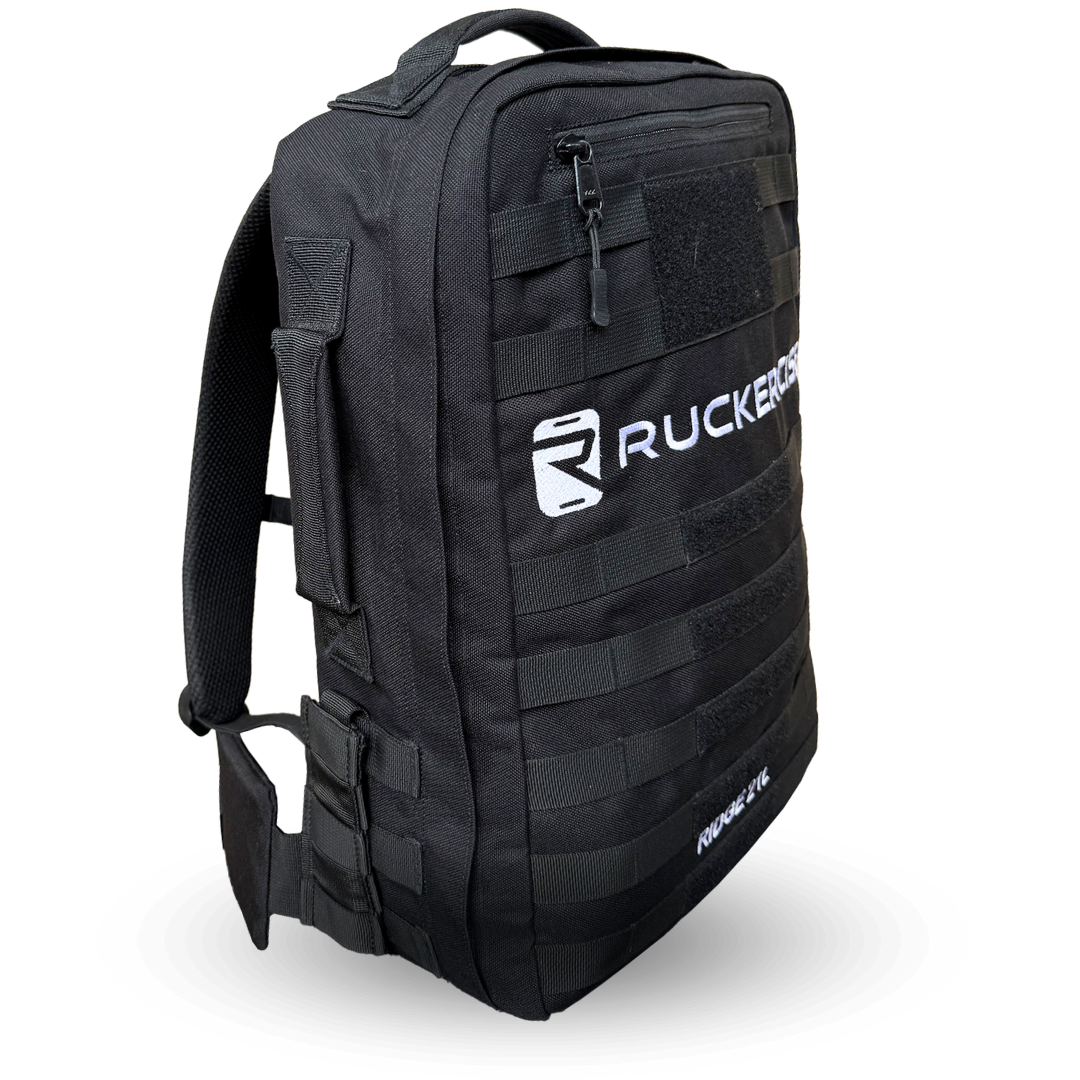
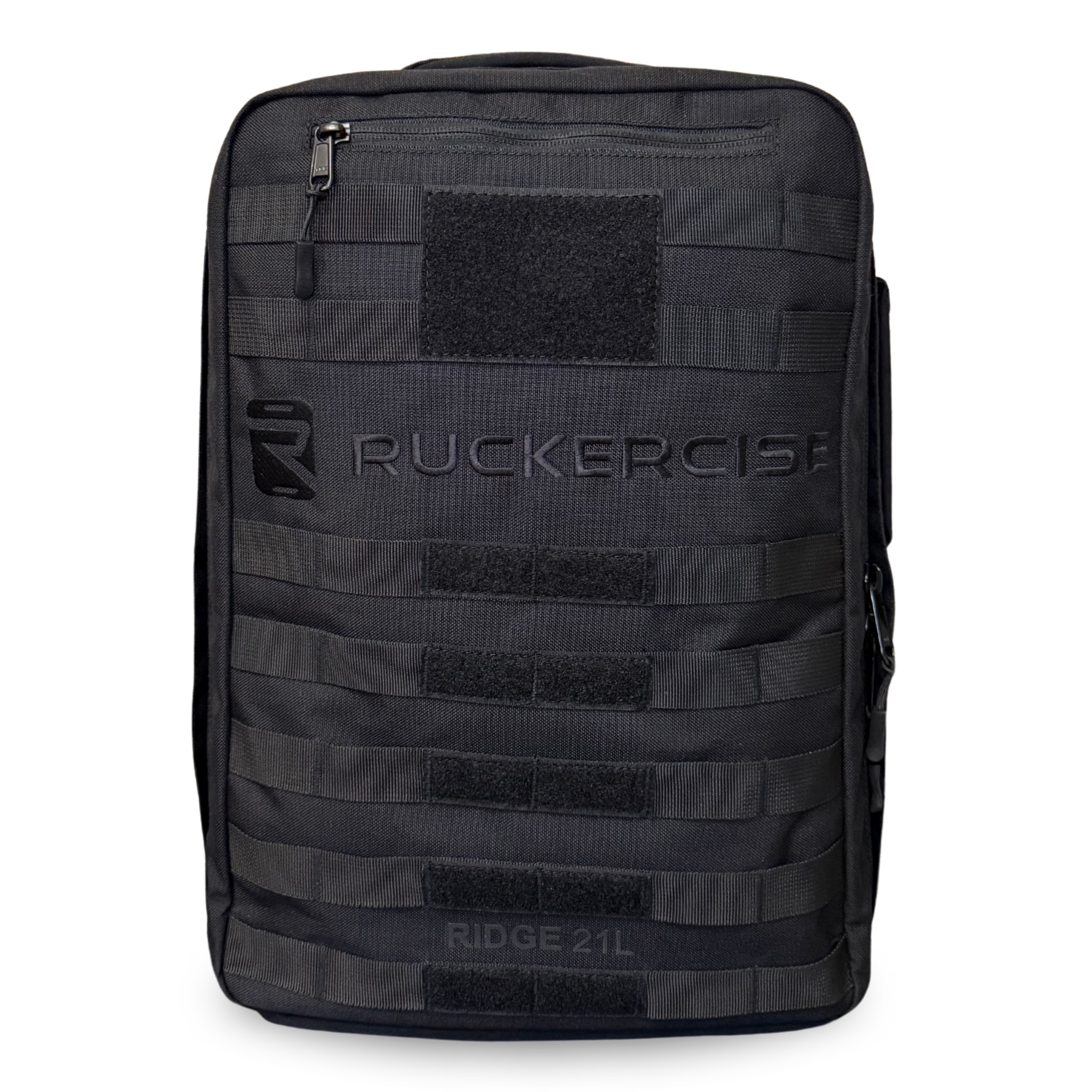
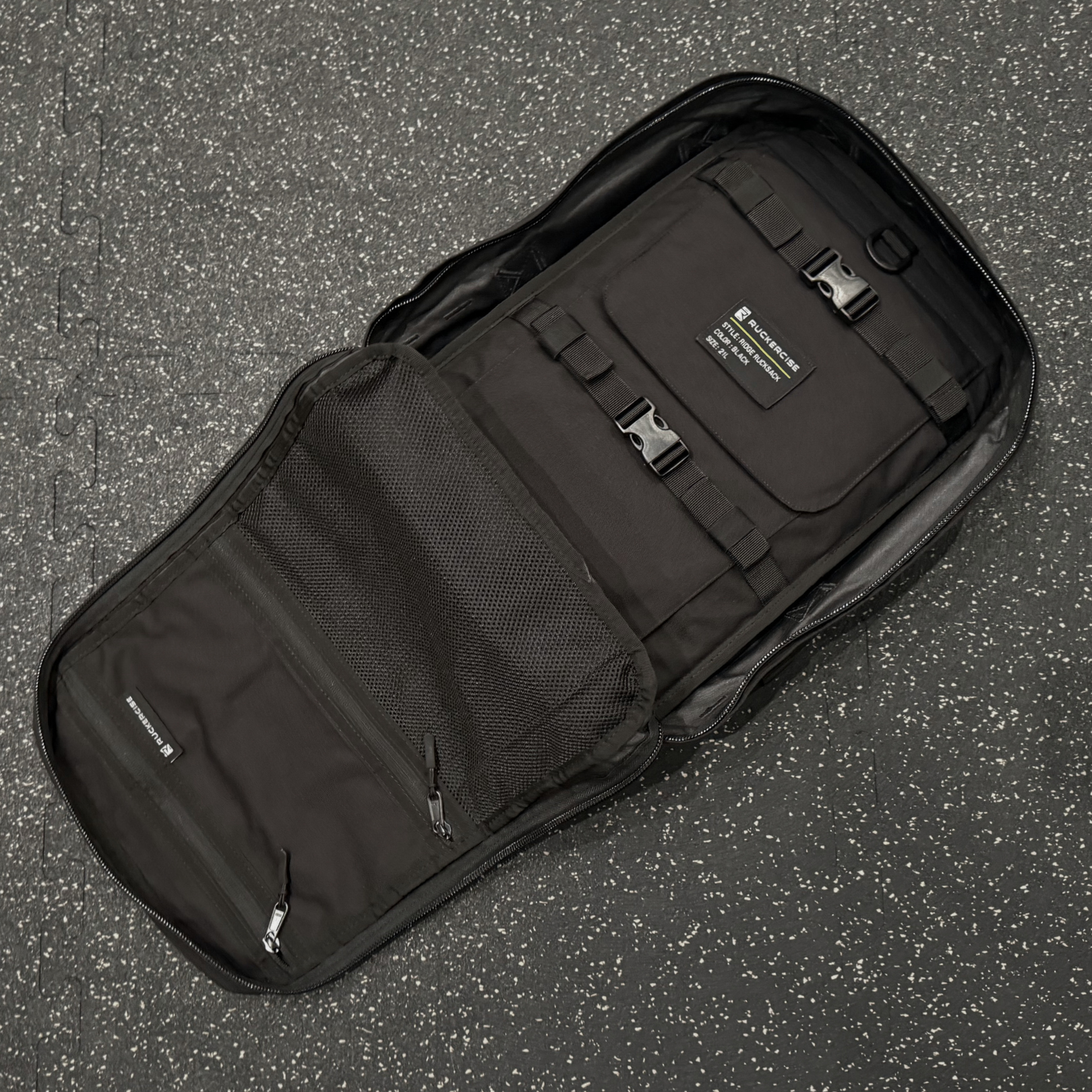
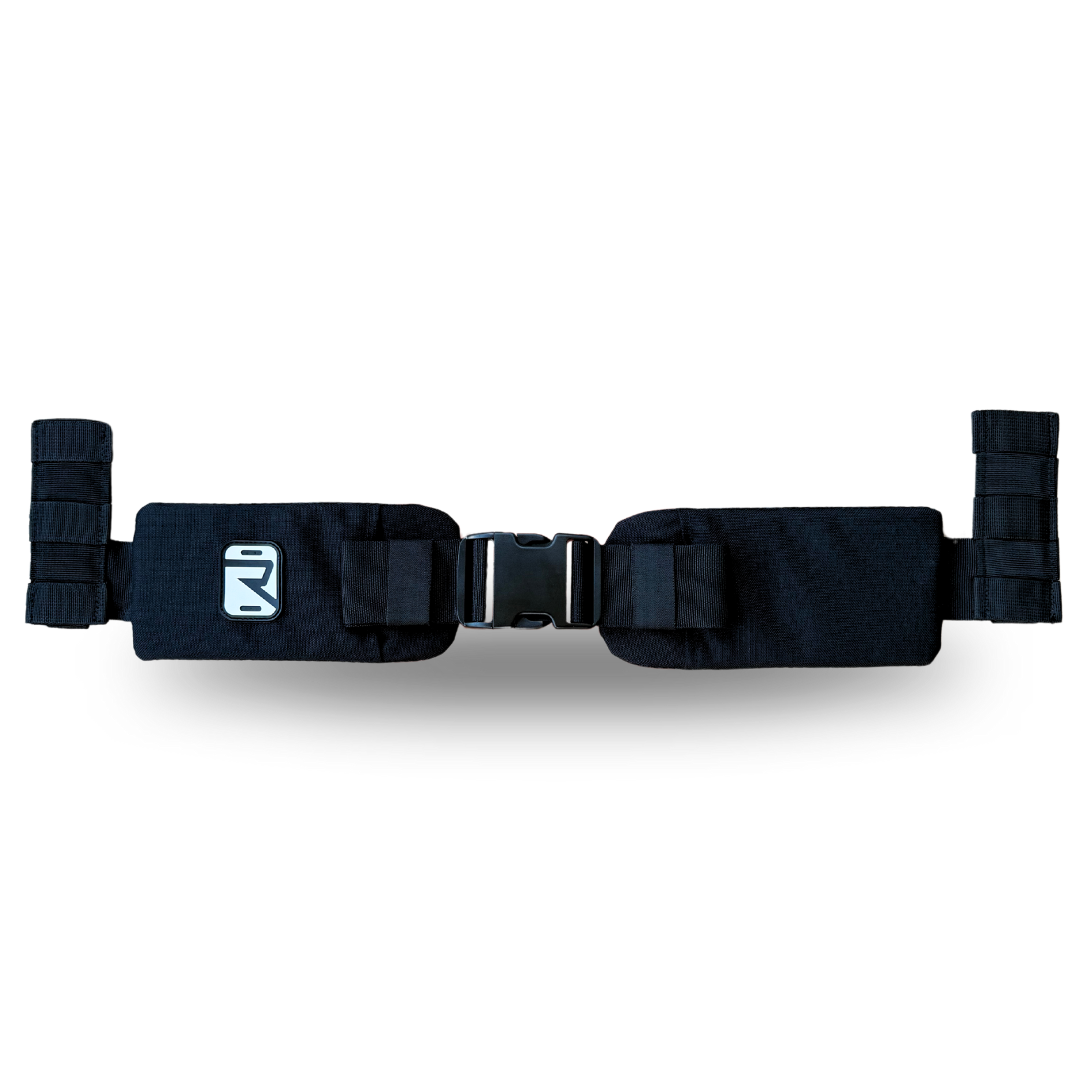
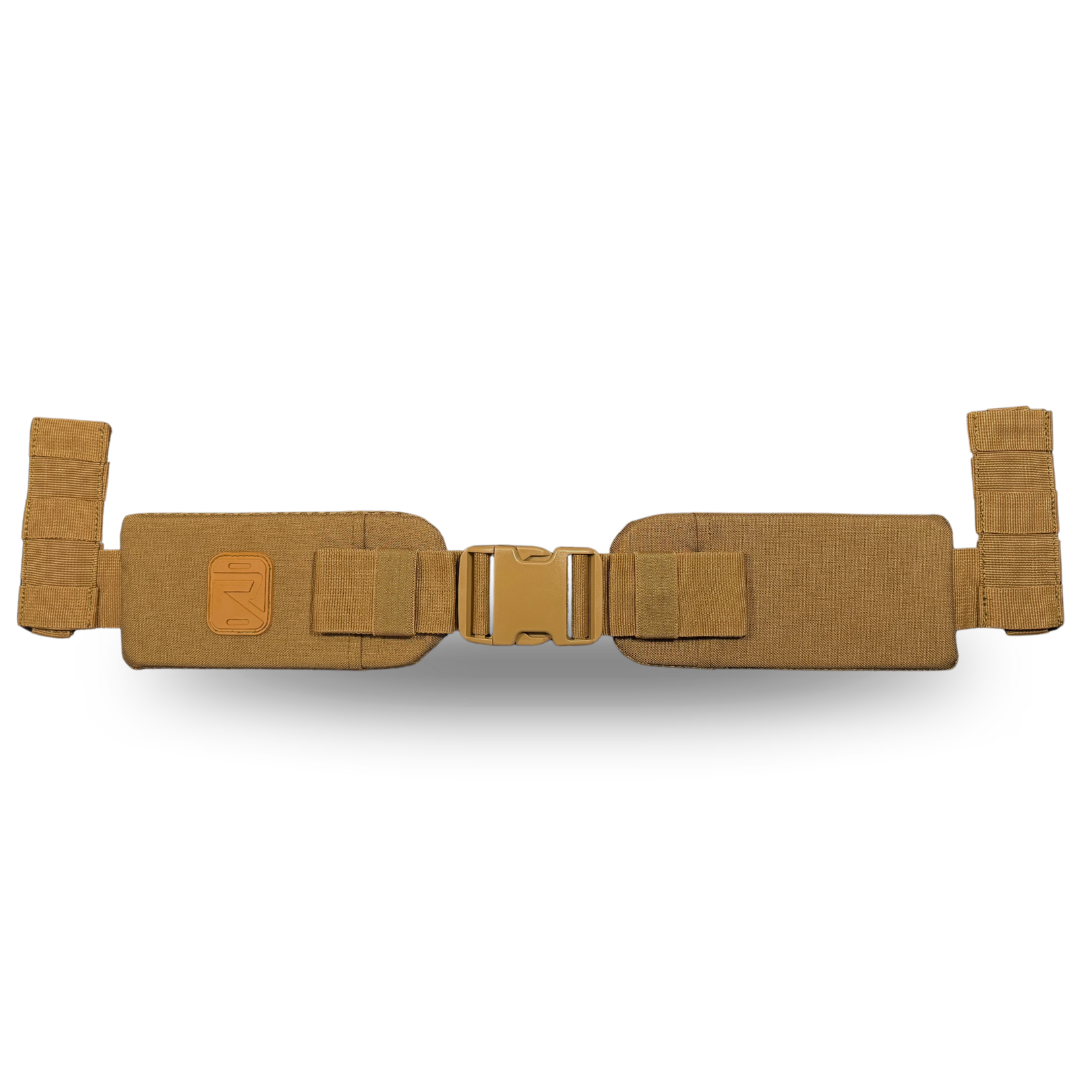
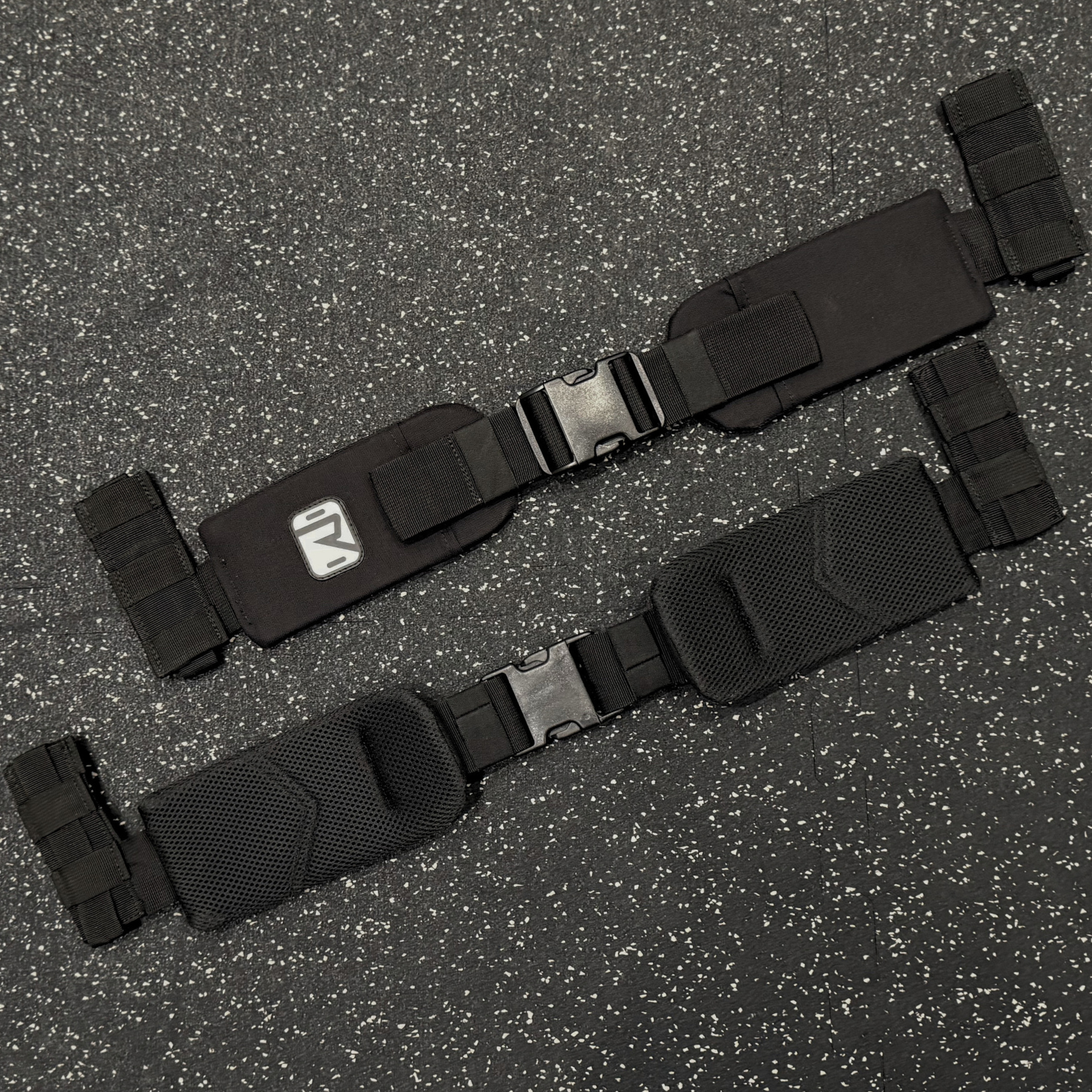
Calories go up with load, but so does strap pressure. A flat Ruck Weight (also called a ruck plate) that sits high and close to your back in a dedicated pocket costs less energy and less discomfort than the same weight loose in a pack. The Ridge Rucking Backpack is built around two dedicated weight pockets, and a padded hip belt moves part of the load to your hips on rucks over about 20 lb or longer than 30 minutes. The Complete Rucking Bundle has all three.


Frequently asked questions
For most people, 250 to 600 calories an hour, and more on hills. A 150 lb person with a 15 lb Ruck Weight at 3 mph on flat ground burns about 260 an hour; a 220 lb person with 45 lb at 3.5 mph on rolling hills burns about 800. Use the calculator above for your numbers.
Yes, though by less than most people expect at an easy pace. In the Pandolf equation, carrying 10% of your bodyweight raises the energy cost of a 3 mph walk by about 7%, 20% raises it by about 15%, and 30% by about 25%. Pace and hills matter more than the weight itself, which is why a brisk hilly ruck with a light load beats a slow flat one with a heavy load.
Usually not per hour. Running at 6 mph burns more per hour than rucking at 3 mph with a moderate load. Rucking burns more than walking at the same pace, with lower impact than running, which is why many people can do it longer and more often.
Start at about 10% of your bodyweight and let pace, hills and distance do most of the work. See how much weight you should ruck with or use the Ruck Weight calculator.
It can be, for the same reason any steady, repeatable exercise is: it burns a meaningful number of calories and most people can do it several times a week without getting hurt. The calories only count if the sessions keep happening, so start lighter than you think you need.
Yes. Set the surface to "Pavement or treadmill" and use the incline setting as the grade. Our training guides cover indoor rucking.
No questions match your search.
More info