

Rucking 101
What is rucking?
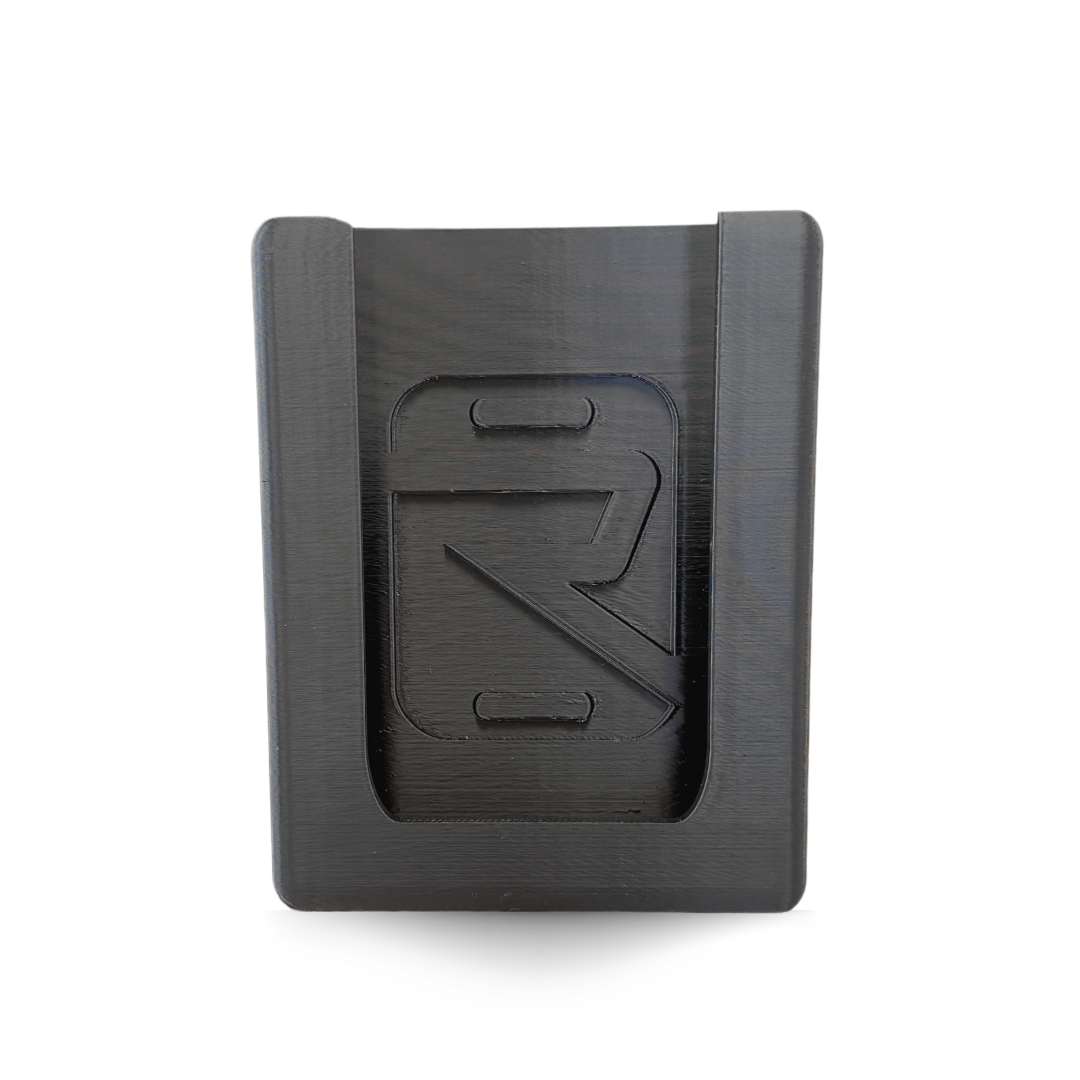
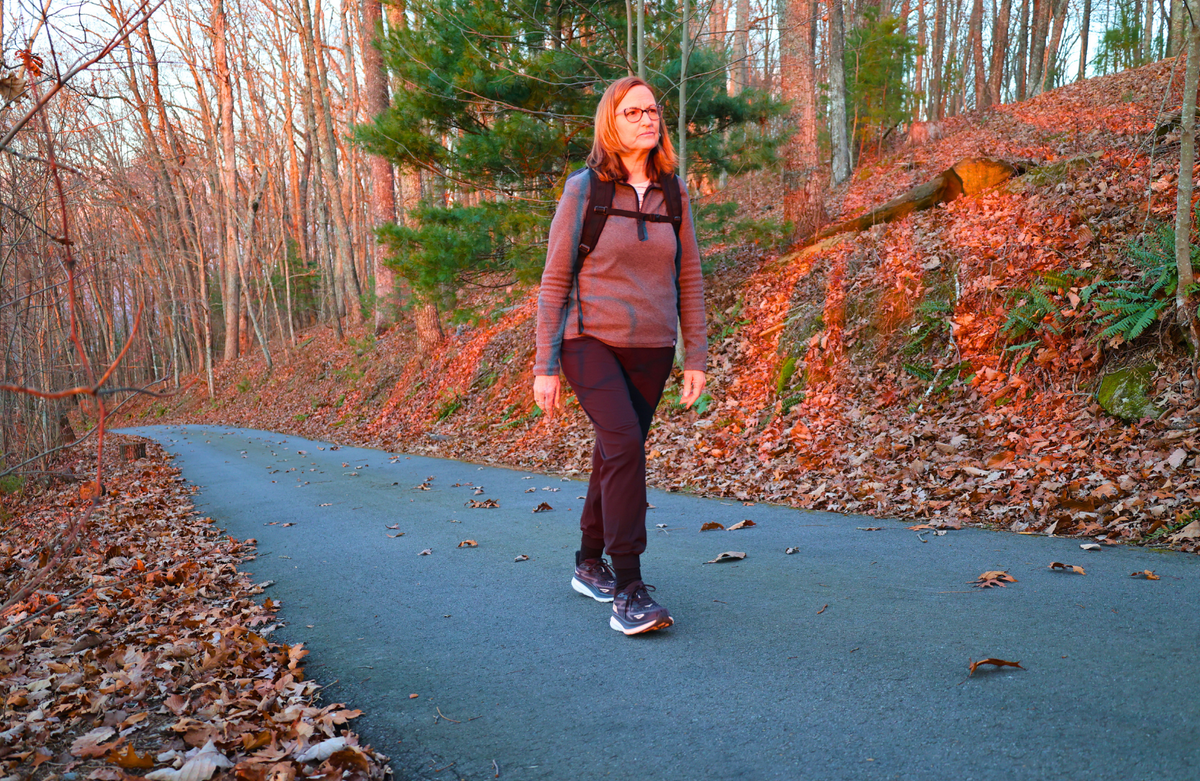
Rucking is walking with a weighted backpack. The word comes from "rucksack," the military term for a pack, and from the foot marches soldiers do under load. As a fitness activity it is simple: put a Ruck Weight in a pack that holds it high and close to your back, and walk. Most people start with about 10% of their bodyweight for 30 to 45 minutes, a few times a week.
Rucking, defined
Rucking means moving on foot while carrying a load on your back. In the military, a ruck march is a timed foot march with a loaded pack, used both for training and as a test; the U.S. Army's load-carriage research dates back decades. Civilian rucking borrows the method and drops the test: you choose the weight, the pace and the distance, and the goal is fitness rather than a standard.
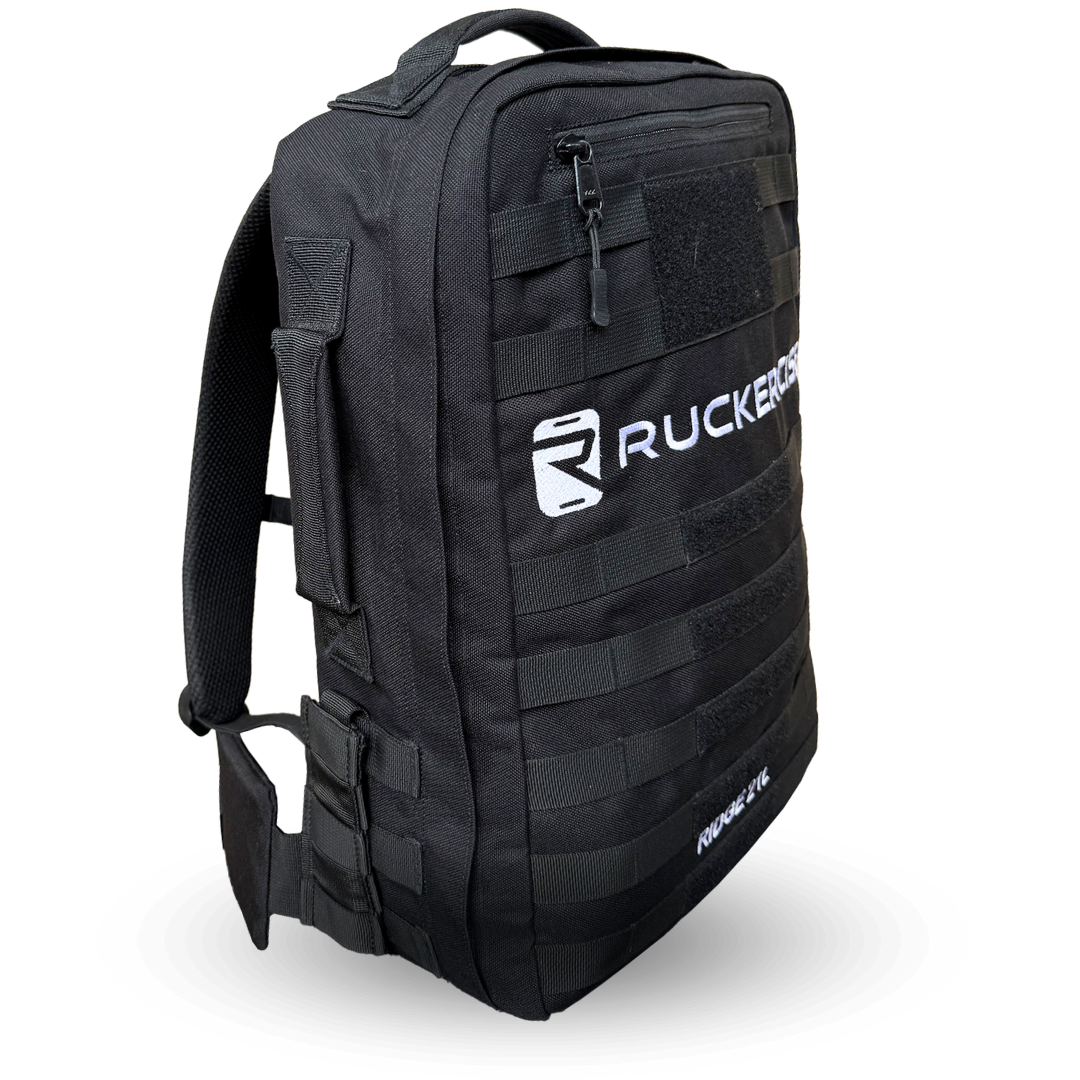
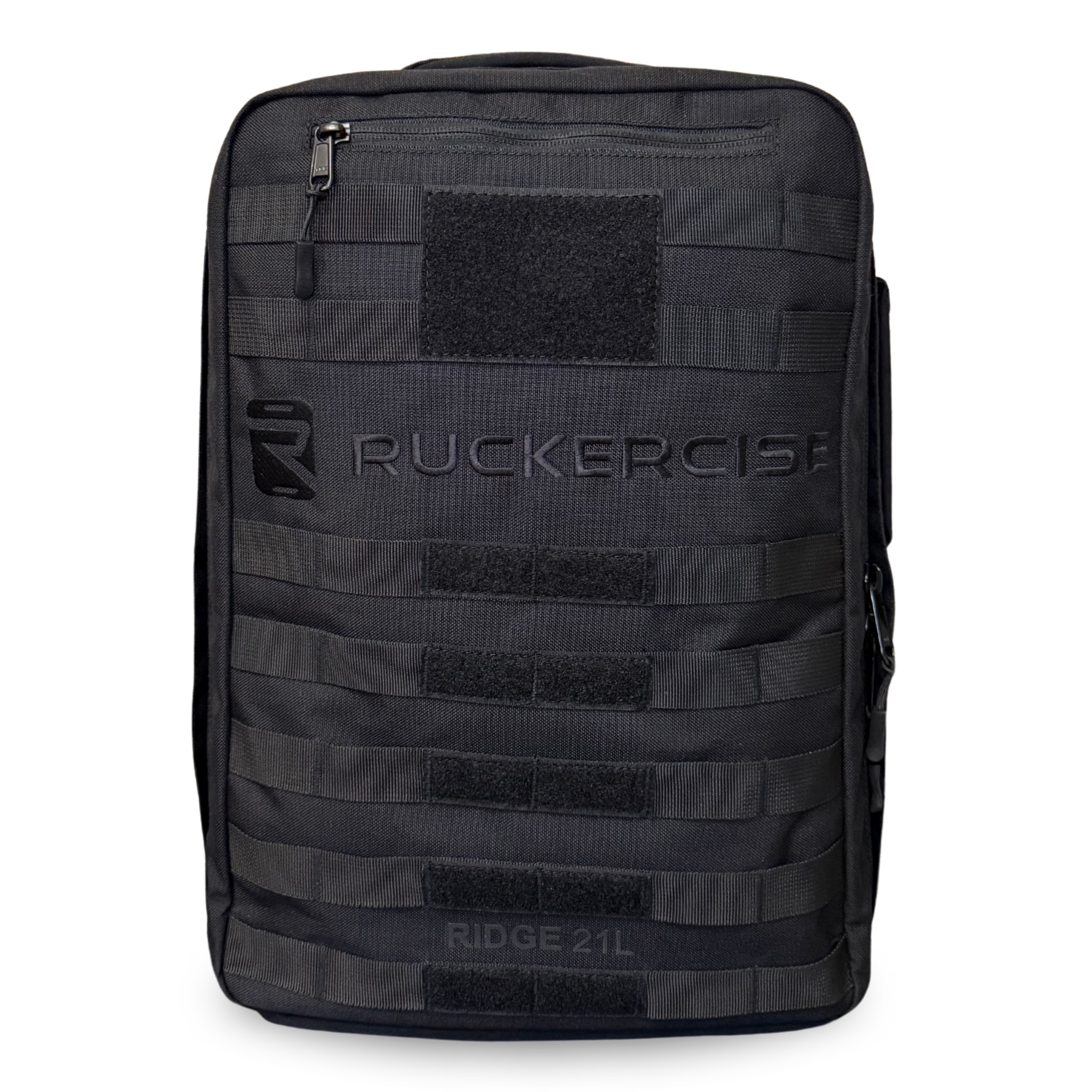
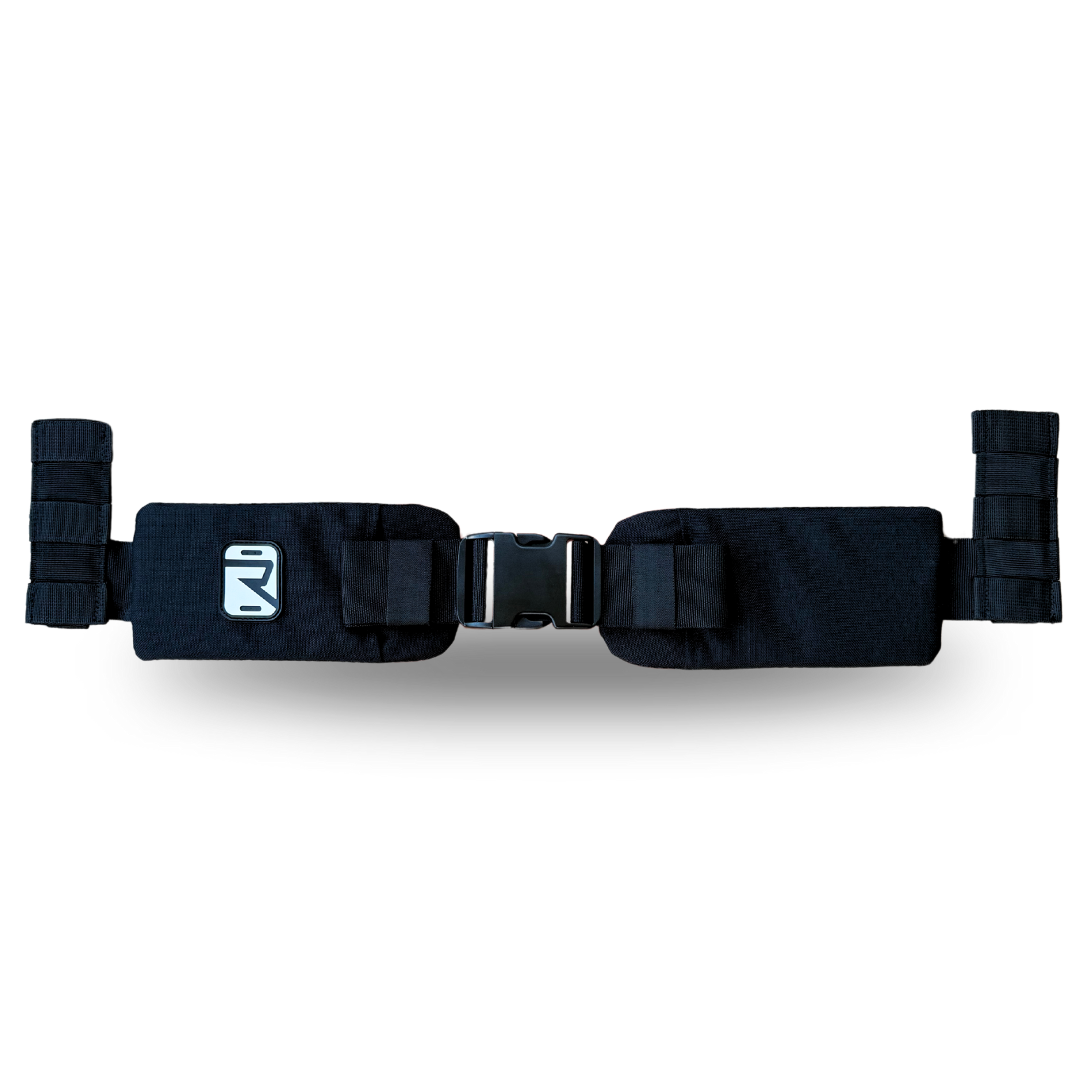
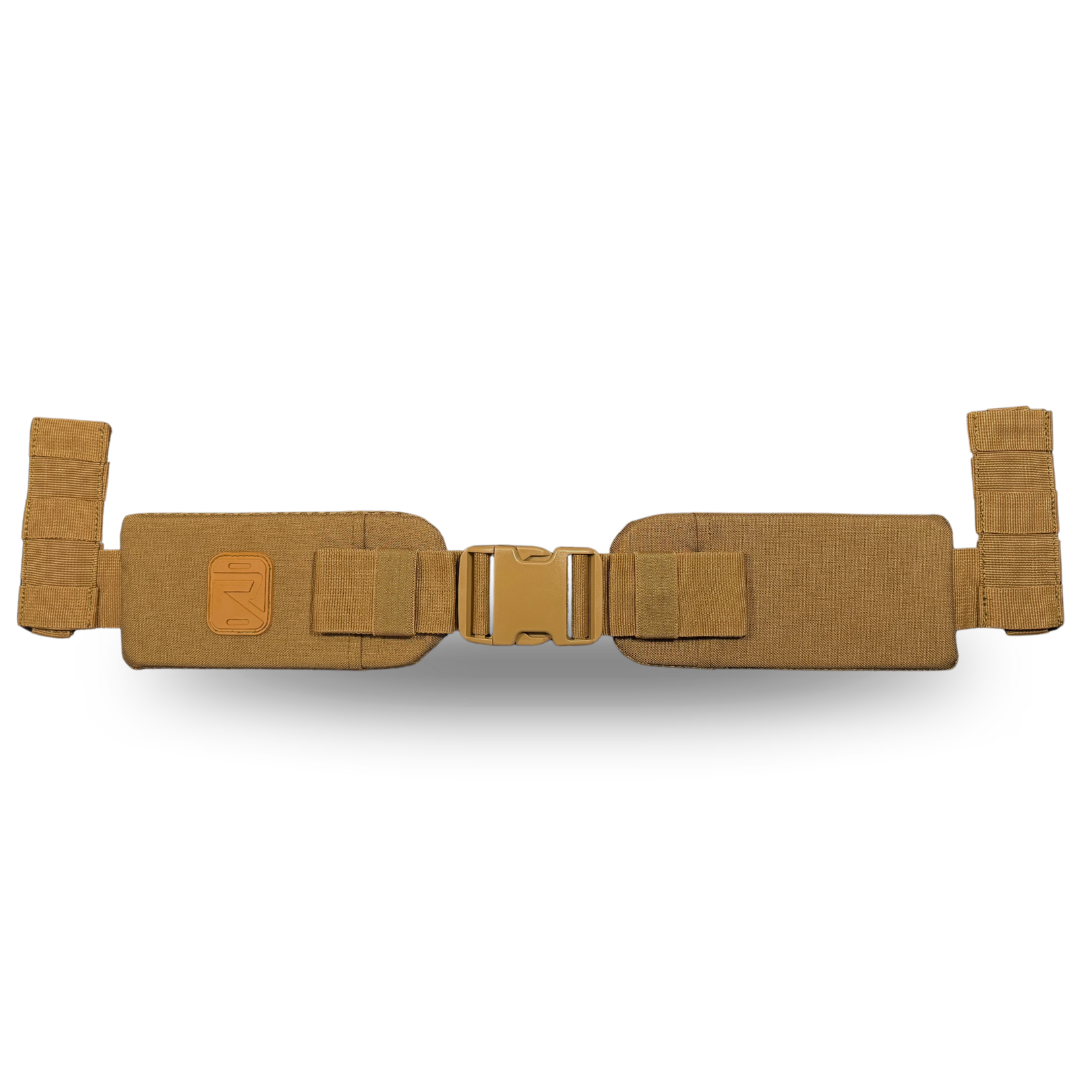
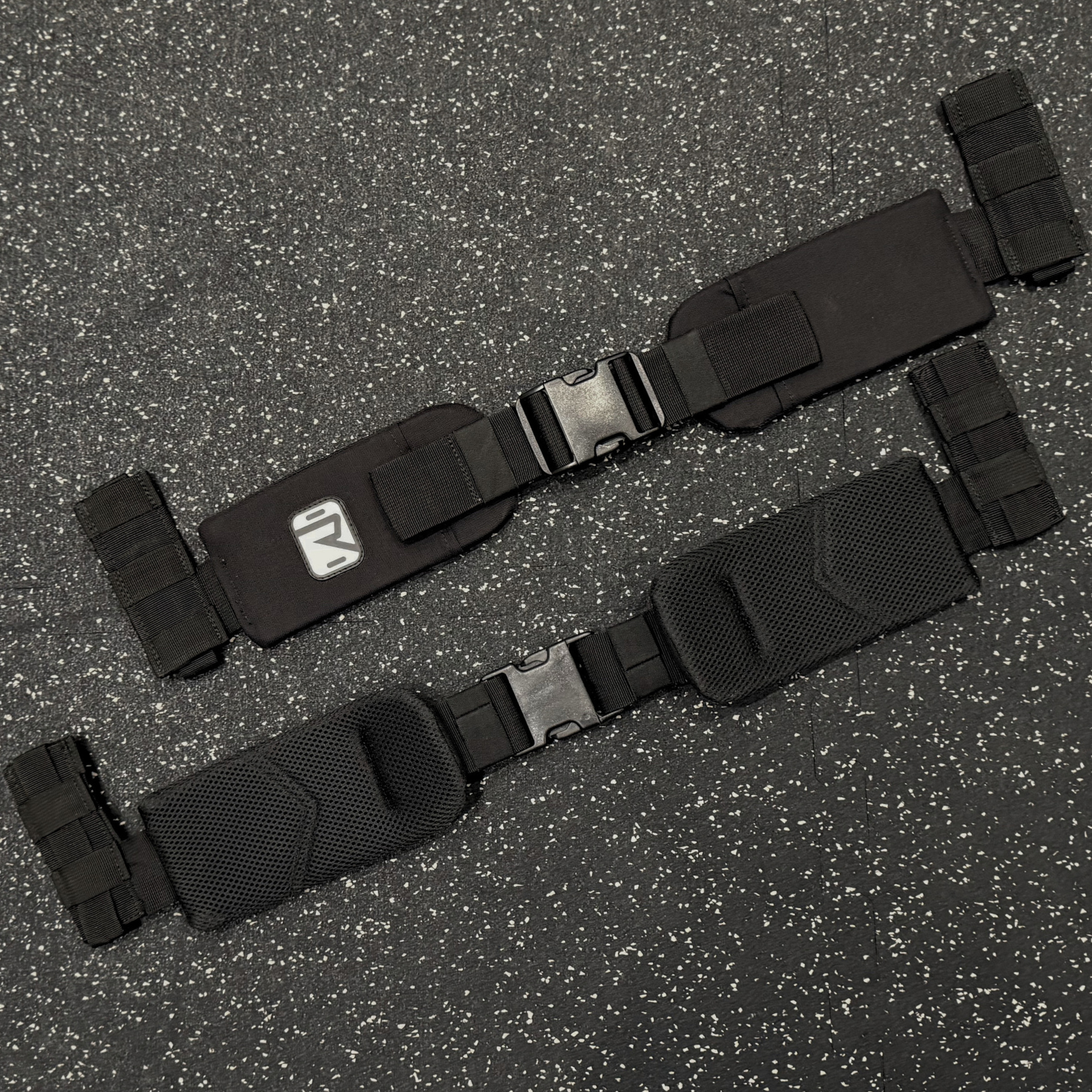
What separates rucking from carrying a heavy bag is the setup. The load is a dense, flat weight designed for the job, it sits in a pocket high against your back so it doesn't swing, and the straps and hip belt are built to carry it. That is why a purpose-built pack and a Ruck Weight (also called a ruck plate) feel so different from a school bag full of books.

Ultimate full body workout
Why people ruck
It turns a walk into a workout.
Carrying load raises the energy cost of walking, and the effect grows with pace and hills. The Pandolf equation, published by U.S. Army researchers in 1977 and still the standard way to predict the energy cost of load carriage, puts a 180 lb person with a 20 lb Ruck Weight at 3 mph at roughly 320 calories an hour on flat ground and about 500 on rolling hills. Our rucking calorie calculator runs the numbers for you.
It is weight-bearing exercise with low impact.
The National Institute of Arthritis and Musculoskeletal and Skin Diseases lists brisk walking among the weight-bearing exercises that make bones work harder and help keep them dense. Rucking adds load to that stimulus while keeping the movement a walk, which most people can repeat day after day without the pounding of running.
It works the muscles that posture depends on.
A pack on your back asks your upper back, shoulders, core and hips to hold you upright against the load, and your glutes, hamstrings and calves to drive each step. Ruckers often describe better posture within weeks; that is the trunk and upper back adapting to the work.
It is simple and social.
There is no technique to learn, it happens outdoors, and it is easy to do with other people. Ruck clubs meet weekly in many U.S. cities, and events from timed ruck marches to overnight challenges give people something to train for.
What muscles does rucking work?
Rucking is a whole-body carry on top of a walk. The legs do the walking: quads, glutes, hamstrings and calves, with more glute and calf work on hills. The trunk does the carrying: the muscles along the spine, the abdominals and obliques brace against the load, and the upper back, traps and rear shoulders hold the straps and keep your chest open. It is not a substitute for strength training, but it is a long, low-intensity dose of work for the muscles that keep you upright.
Rucking vs. hiking, walking and weighted vests
| Activity | Load | Where | Main difference |
|---|---|---|---|
| Walking | None | Anywhere | Rucking is walking plus load. Same movement, higher energy cost, more work for the trunk and upper back. |
| Hiking | Whatever the trip needs | Trails | Hiking is about the terrain and the destination; the pack is a means. Rucking is about the load; the route can be a city block. |
| Weighted vest | Spread over chest and back | Anywhere | A vest spreads weight across the torso and suits running and bodyweight work. A ruck puts the load on your back, holds more weight comfortably, and trains posture harder. See rucking backpack vs. weighted vest. |
| Ruck march (military) | Set by the standard, often 35 lb or more | Road or trail | A test of speed over distance under a fixed load. Fitness rucking uses the same method without the standard. |
What you need to know
How to start rucking
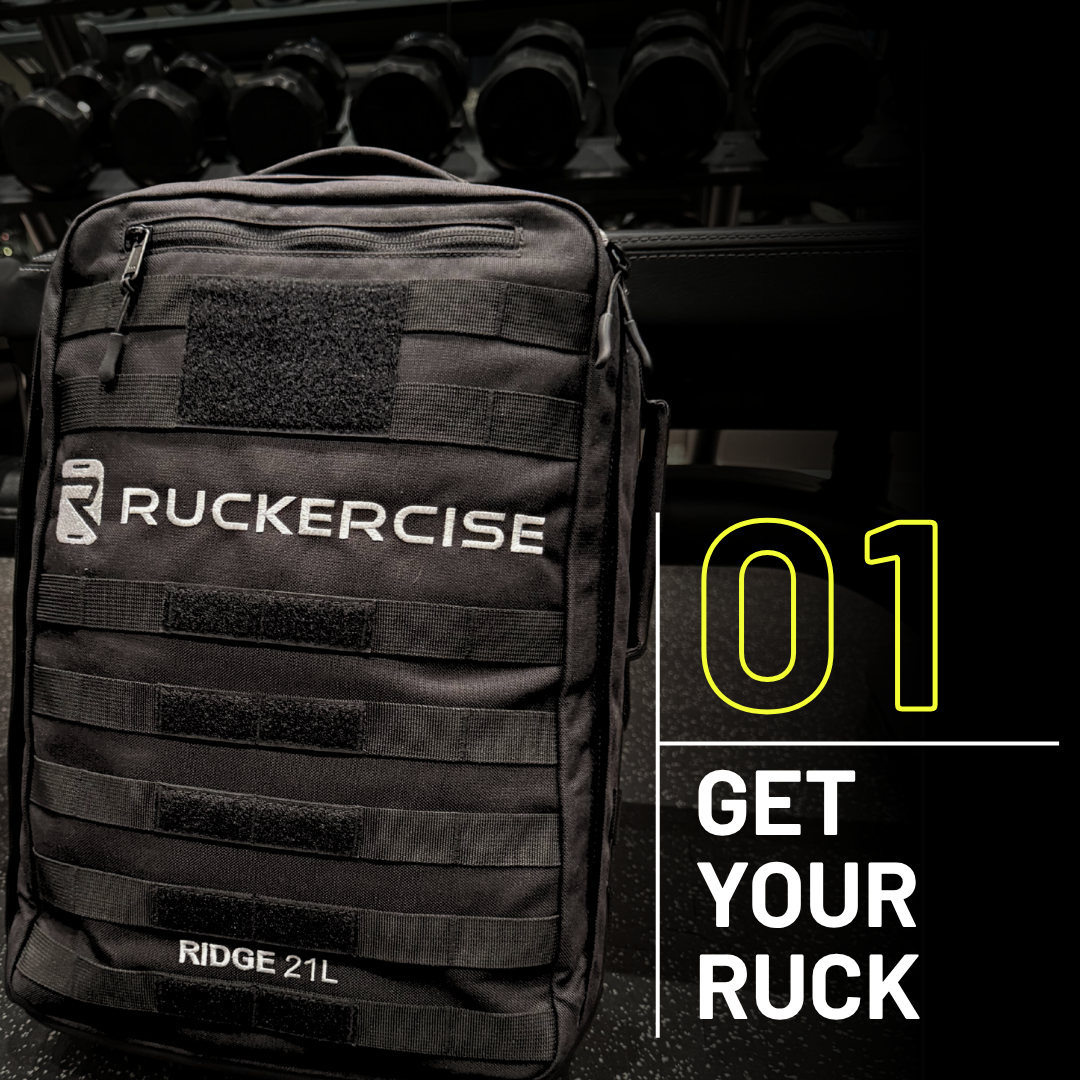
01. Get your ruck
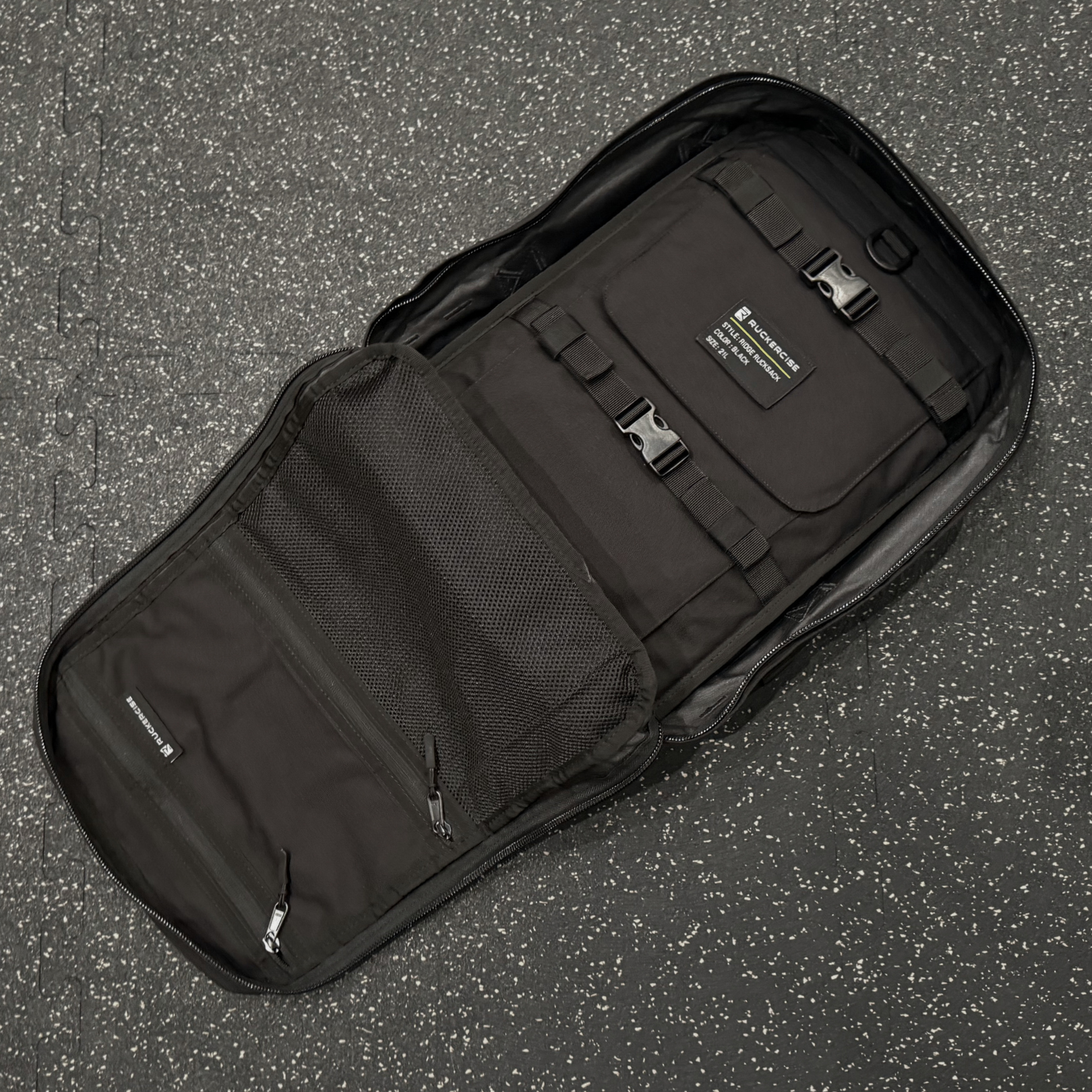
Explore rucking backpacksYou only need one key piece of equipment: a rucksack. While any backpack can work, a dedicated rucking backpack is engineered for performance, comfort, and durability.
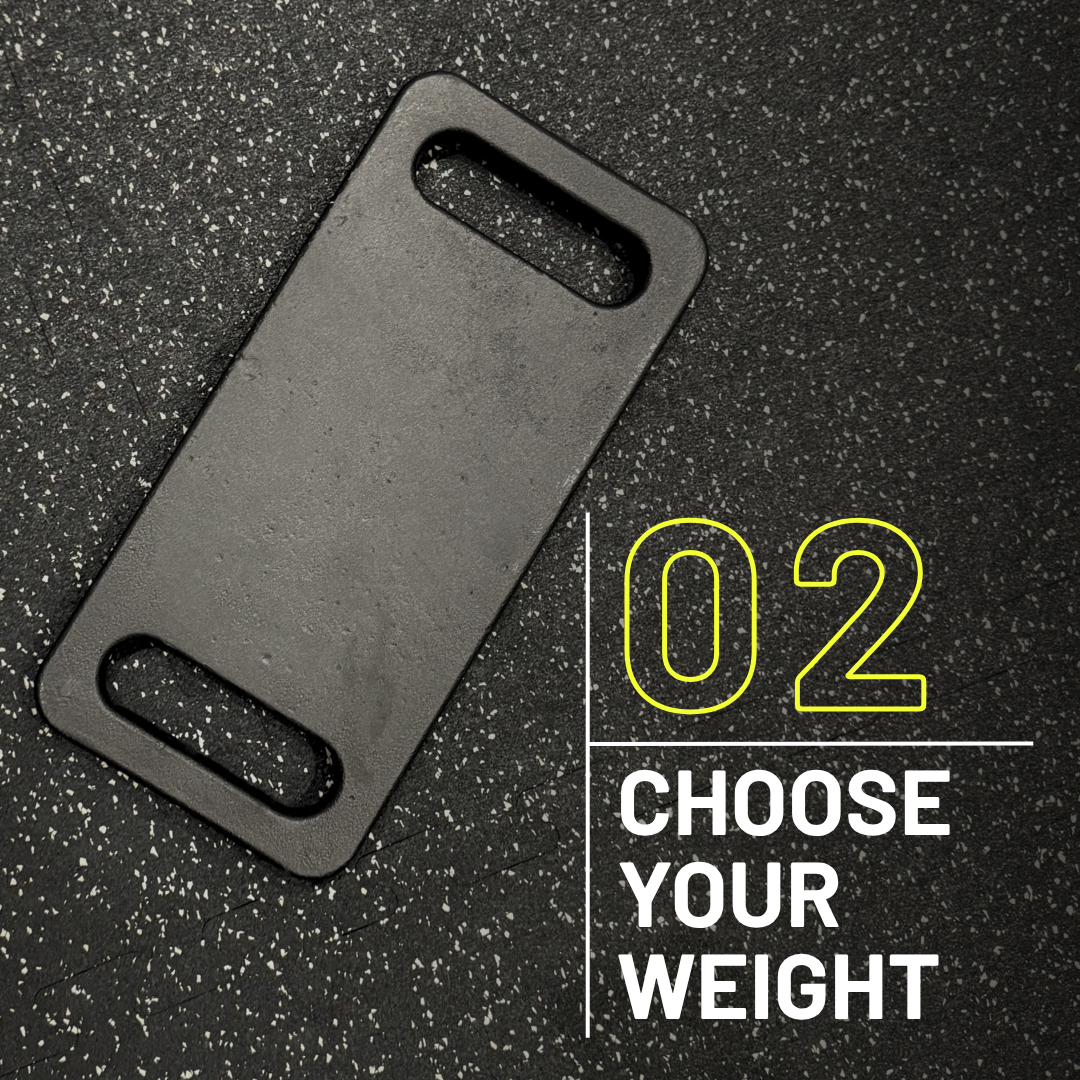
02. Pick a load.
Explore weightsAbout 10% of your bodyweight: a 10 lb or 15 lb Ruck Weight for most people, lighter if you are new to exercise. The Ruck Weight calculator rounds it to a size you can buy. Then make sure you pack it right: weight high and close to your back, shoulder straps snug so the pack sits above your belt, sternum strap clipped.
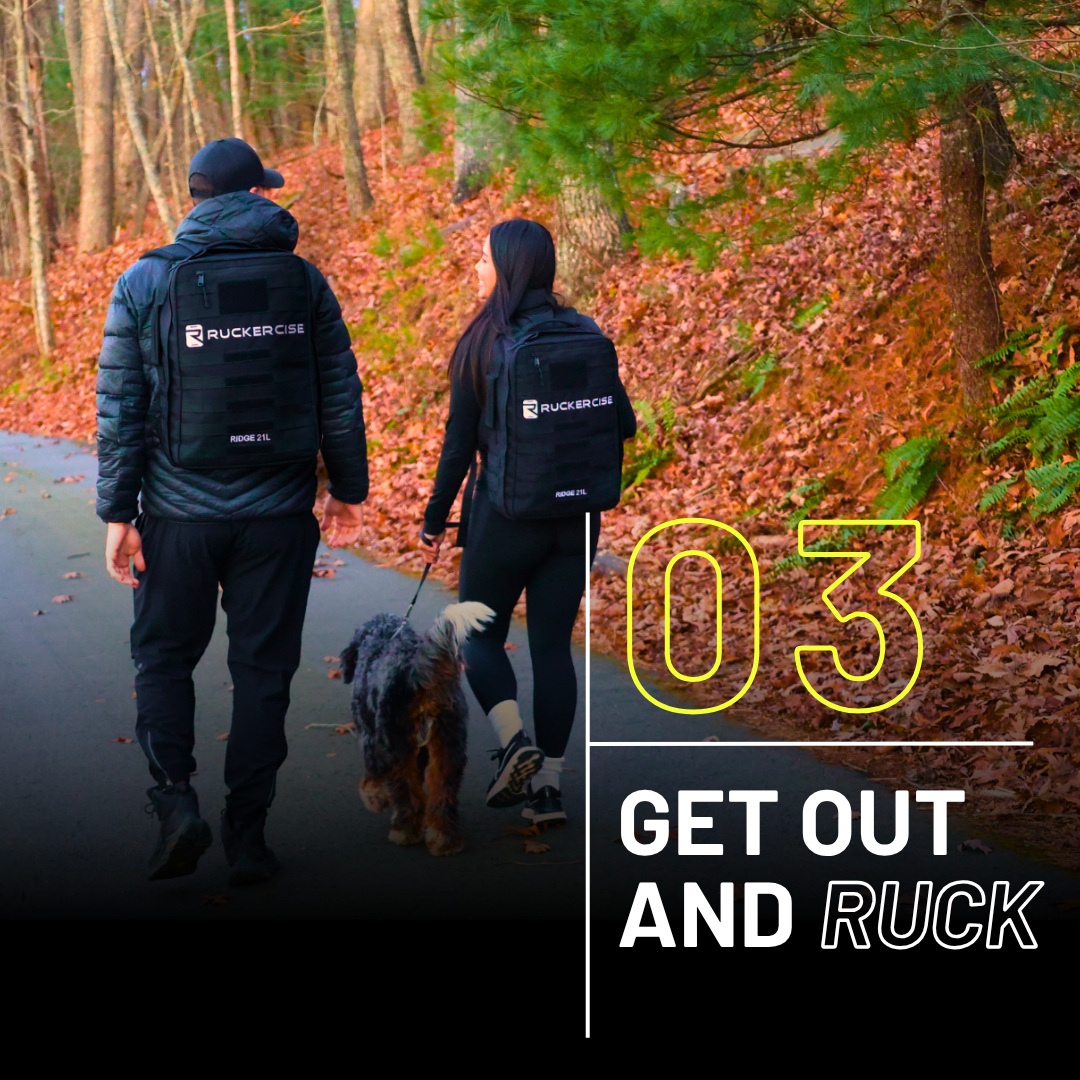
03. Get out and ruck.
Learn more30 to 45 minutes at a pace you could hold a conversation at, two or three times a week. Add time first, then distance, then weight.
Is rucking safe?
For most healthy adults, yes, if the load is sensible and it goes up slowly. The U.S. Army Research Institute of Environmental Medicine's review of soldier load carriage found that lower-body injuries such as foot blisters, stress fractures and knee pain are the most common problems, and that they rise with load, distance and pace. The same review cites Army guidance of 30% of bodyweight as an optimal training load and 45% as a maximum for soldiers; for fitness there is little reason to pass 30%. Start light, keep the pack close to your back, and stop if you feel numbness in your arms or pain that lasts into the next day. If you have back, hip or knee problems, check with a clinician first.
Get started
What you need


FAQs
Walking or marching with a weighted backpack. "Ruck" is short for rucksack. In the military it refers to a loaded foot march; in fitness it is a weighted walk at your own pace.
For most adults it is a repeatable, low-impact way to burn more calories than walking, load the bones, and work the trunk and upper back. The main risk is doing too much load too soon.
About 10% of your bodyweight to start, building toward 15–20%, with 30% as a ceiling. See the rucking weight chart.
Start with 30 to 45 minutes, roughly 1.5 to 2.5 miles. Work up to 3 miles at a 15–20 minute mile before adding weight.
Light rucks on consecutive days are fine for many people. Keep heavier or longer sessions to two or three a week and watch your feet, shins and lower back for soreness that lingers.
Yes. Use the incline to replace hills. The training guides cover indoor rucking.
No questions match your search.