
Quick answer: The best rucking backpack is the one that holds the weight high, flat and still against your back. Look for a dedicated weight pocket, padded shoulder straps with a sternum strap, a padded back panel, hip-belt compatibility and about 20 litres of capacity. Capacity, pocket count and military styling matter far less than how the pack carries a plate.
Search for "best rucking backpack" and you get lists of ten packs ranked by someone who has not carried most of them. This guide does something more useful: it explains what a pack has to do when there is 30 lb of iron inside it, so you can judge any backpack yourself, including ours.
Why a regular backpack fails under load
A school or commuter backpack is designed for a laptop and a lunch. Put a 20 lb plate in it and three things go wrong. The weight sinks to the bottom and swings with every step, which pulls you backwards and makes your lower back work to stay upright. The thin straps cut into your shoulders within a mile. And the stitching at the strap anchors, built for a few kilos, starts to tear. Hiking packs do better, but their big open compartments let a plate slide around unless you stuff them full.
A rucking backpack solves one problem above all others: it holds a flat weight high and tight against your spine, where it feels lightest and moves least. Everything else on this list serves that goal.
The features that matter
1. A dedicated weight pocket
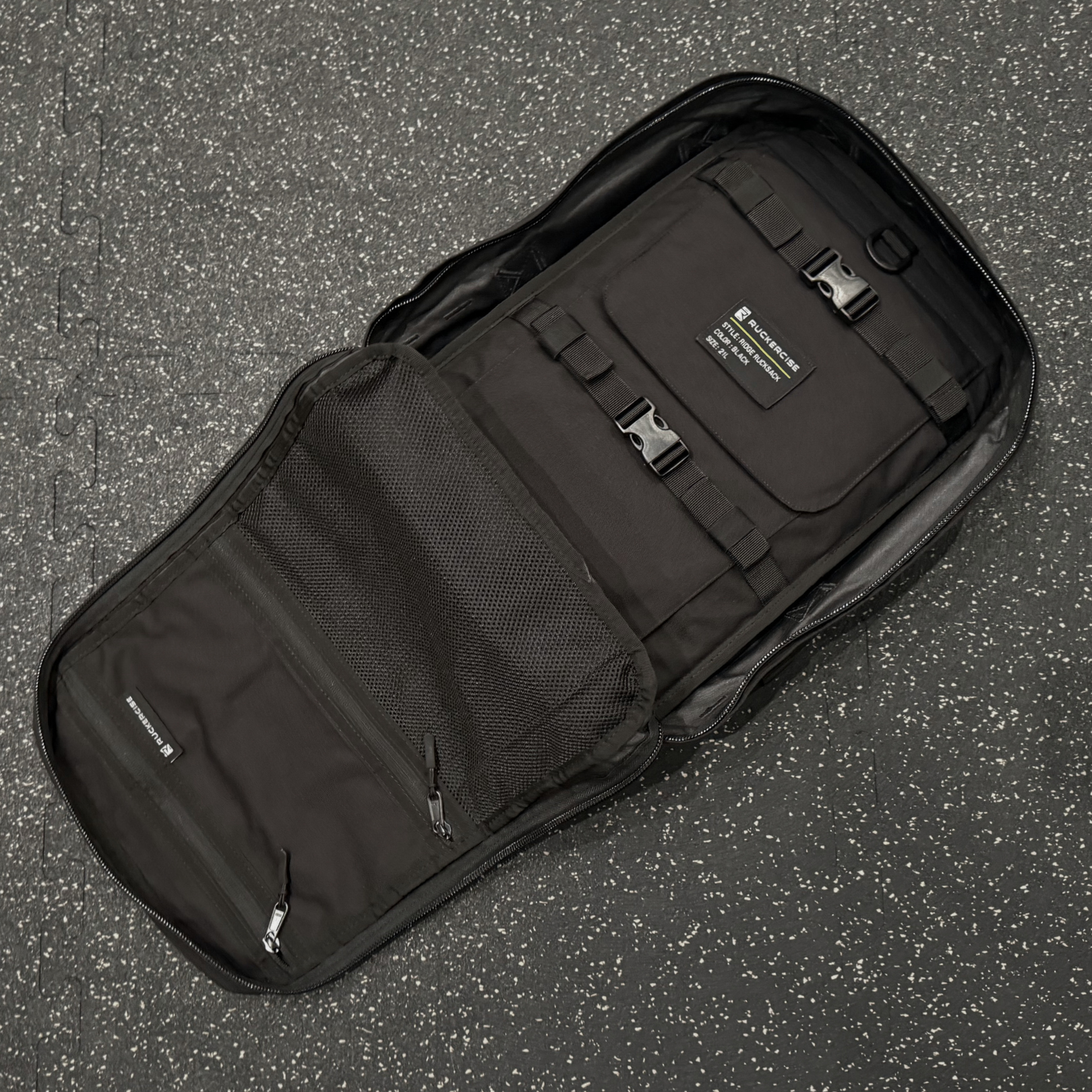
This is the single most important feature. A weight pocket is a snug sleeve against the back panel, sized for a flat Ruck Weight (also called a ruck plate), that keeps the load from sliding down or side to side. Look for a pocket that sits high, between your shoulder blades, and closes with a strap or Velcro so the plate cannot bounce out. Bonus points for two pockets, which let you run a short and a long plate together and step up in weight without buying a new pack.
2. Padded, contoured shoulder straps with a sternum strap
Under load, straps are where you feel the pack. They should be wide, thickly padded and curved to follow your shoulders rather than straight webbing. A sternum strap pulls the shoulder straps inward so the pack stops shifting when you pick up the pace. If the sternum strap is missing, keep looking.
3. A padded, stiff back panel
The back panel is what stands between you and the plate. It needs enough padding that you do not feel the edges of the weight, and enough stiffness that the pack keeps its shape rather than folding around the load. Some airflow channels help on warm days, but padding comes first.
4. Hip-belt compatibility
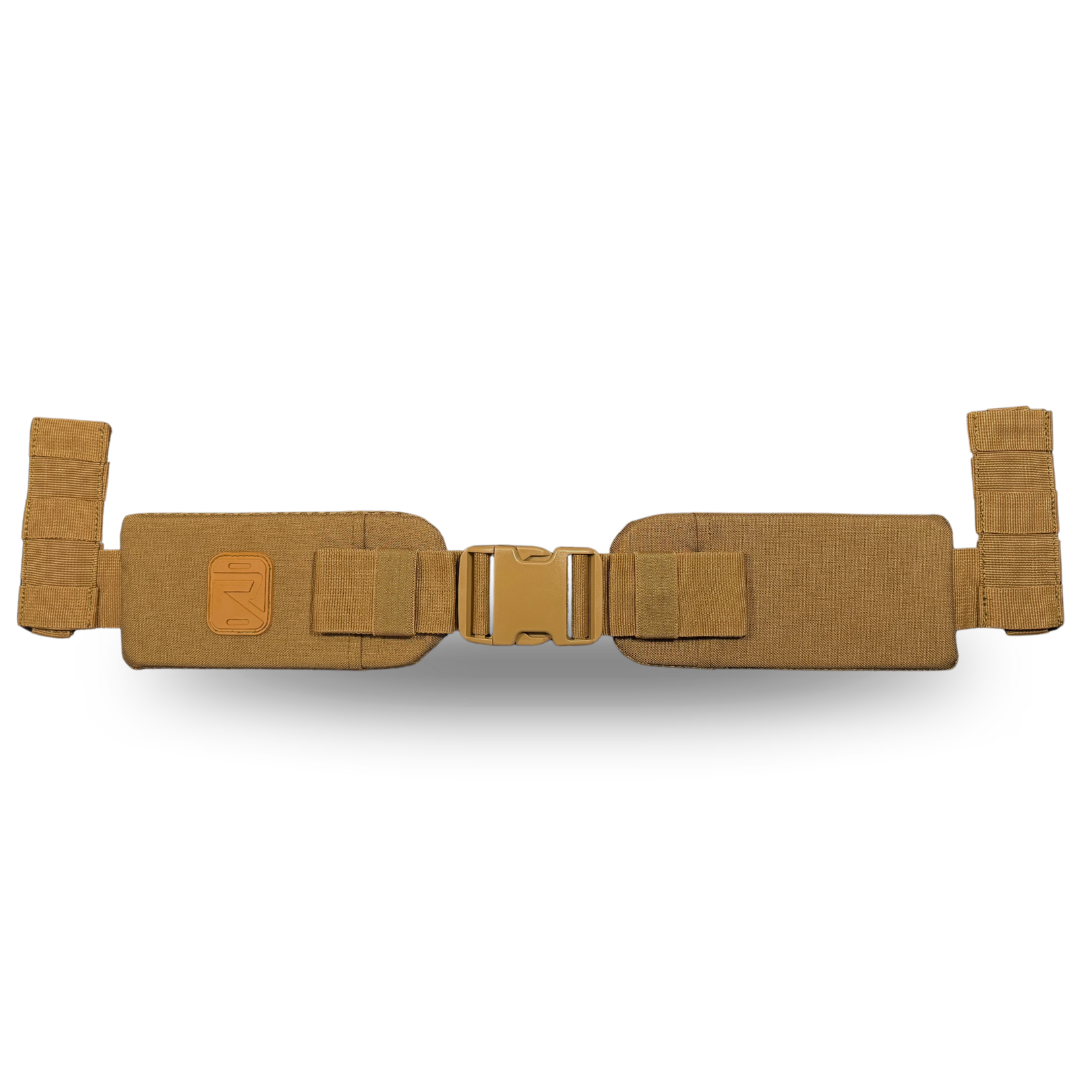
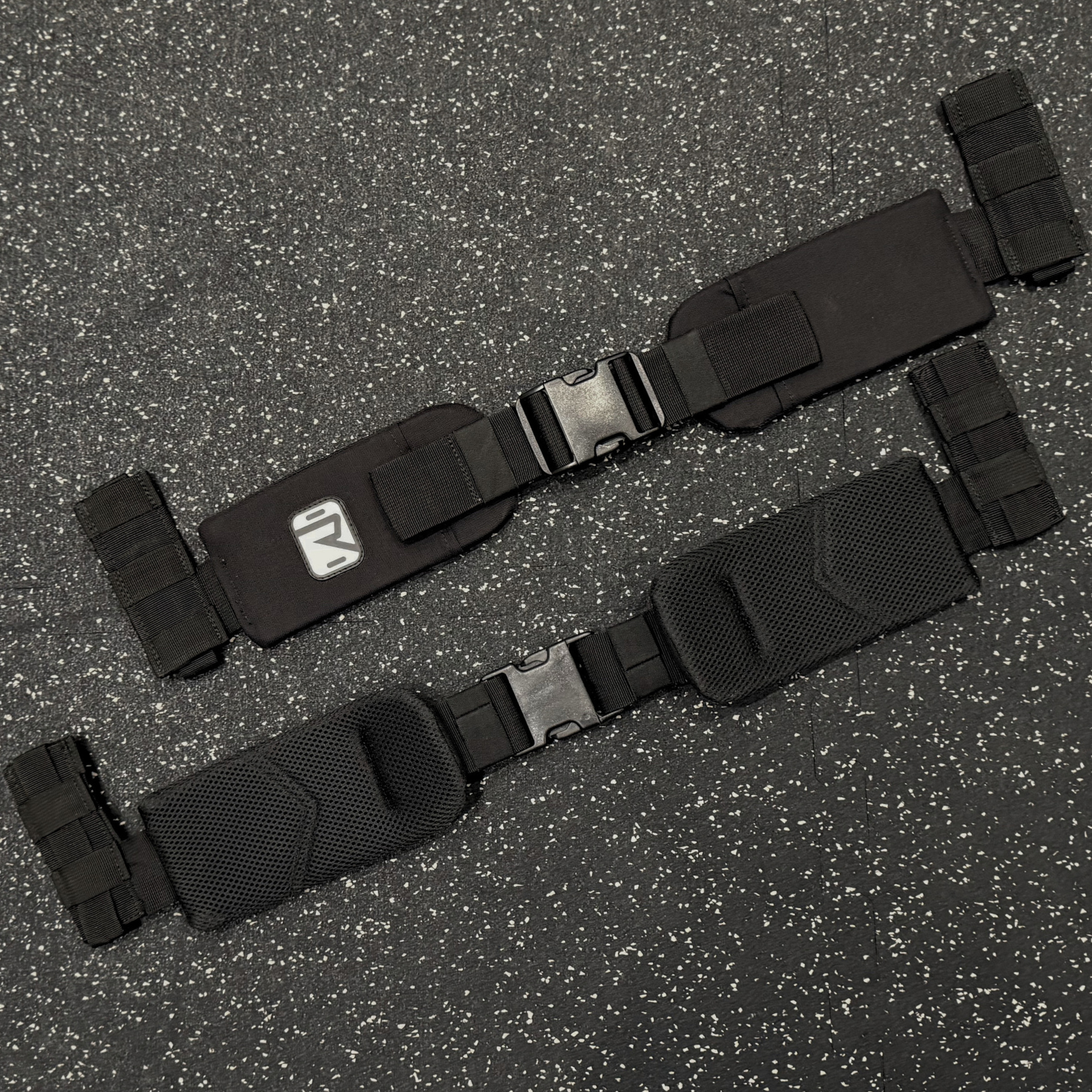
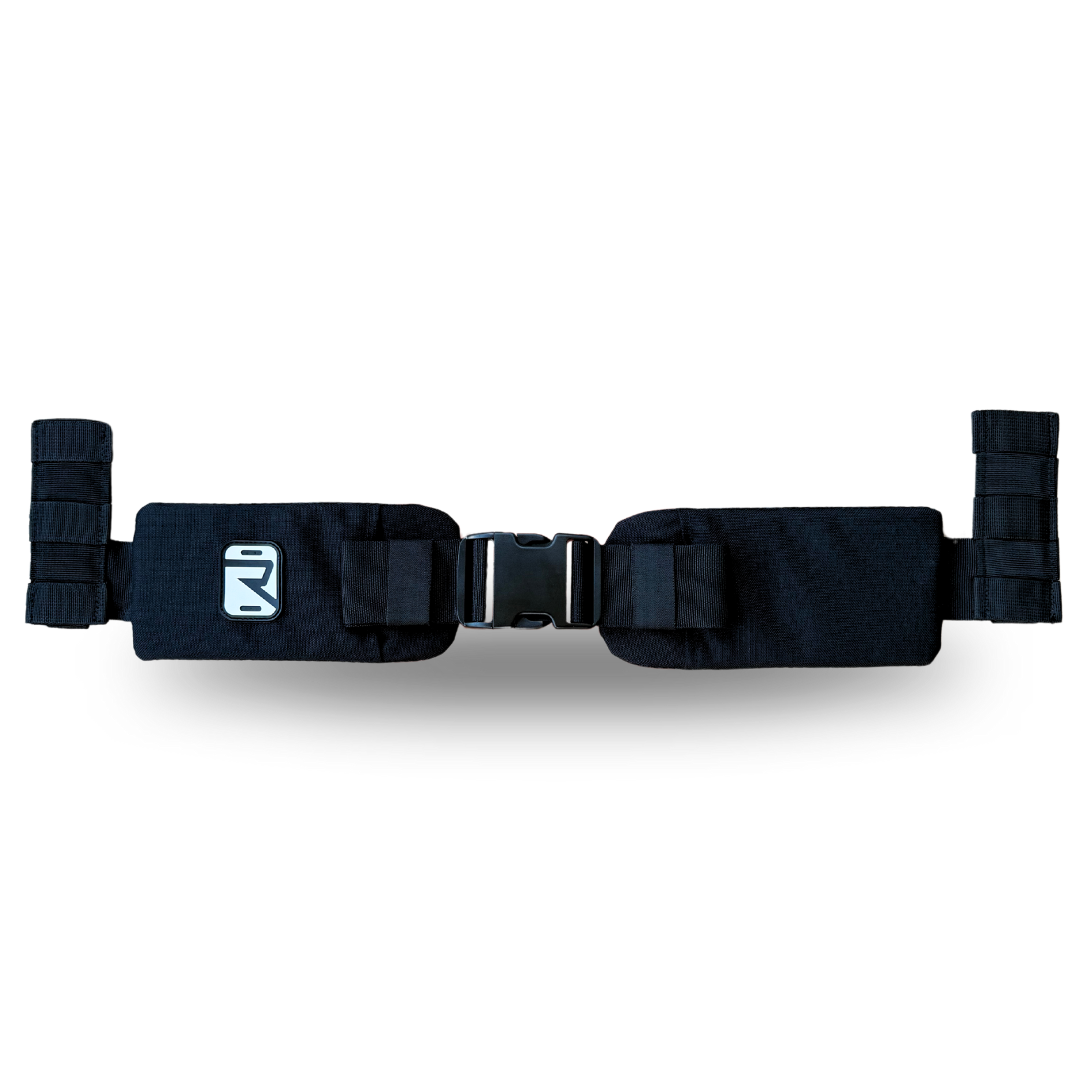
You do not need a hip belt on day one. You will want one once you are carrying more than about 20 lb or rucking for more than 30 minutes, because a padded hip belt moves part of the load from your shoulders to your hips. Check that the pack has attachment points for one, even if you buy the belt later. A belt sewn permanently to the pack is fine too, as long as it is removable or tucks away for short rucks.
5. Fabric and stitching that can take it
The stress points on a rucking pack are the strap anchors, the top handle and the weight-pocket seams. Look for heavy, abrasion-resistant fabric, reinforced or bar-tacked stitching at those points and metal or heavy-duty plastic hardware. If a product page does not mention reinforcement anywhere, assume there is none.
6. About 20 litres of capacity
Bigger is not better. For fitness rucking you need room for a plate, a water bottle or bladder, a layer and your keys. A pack in the 20 to 25 litre range does that while staying compact enough that the weight cannot wander. Forty-litre packs are for overnight hikes, and under load they encourage you to fill the empty space with things that shift.
7. Hydration routing
Anything over an hour, you will want to drink without stopping. A hanger loop for a reservoir and a port for the tube are small details that make long rucks much easier. A side pocket that holds a bottle securely is the minimum.
8. Handles and attachment points
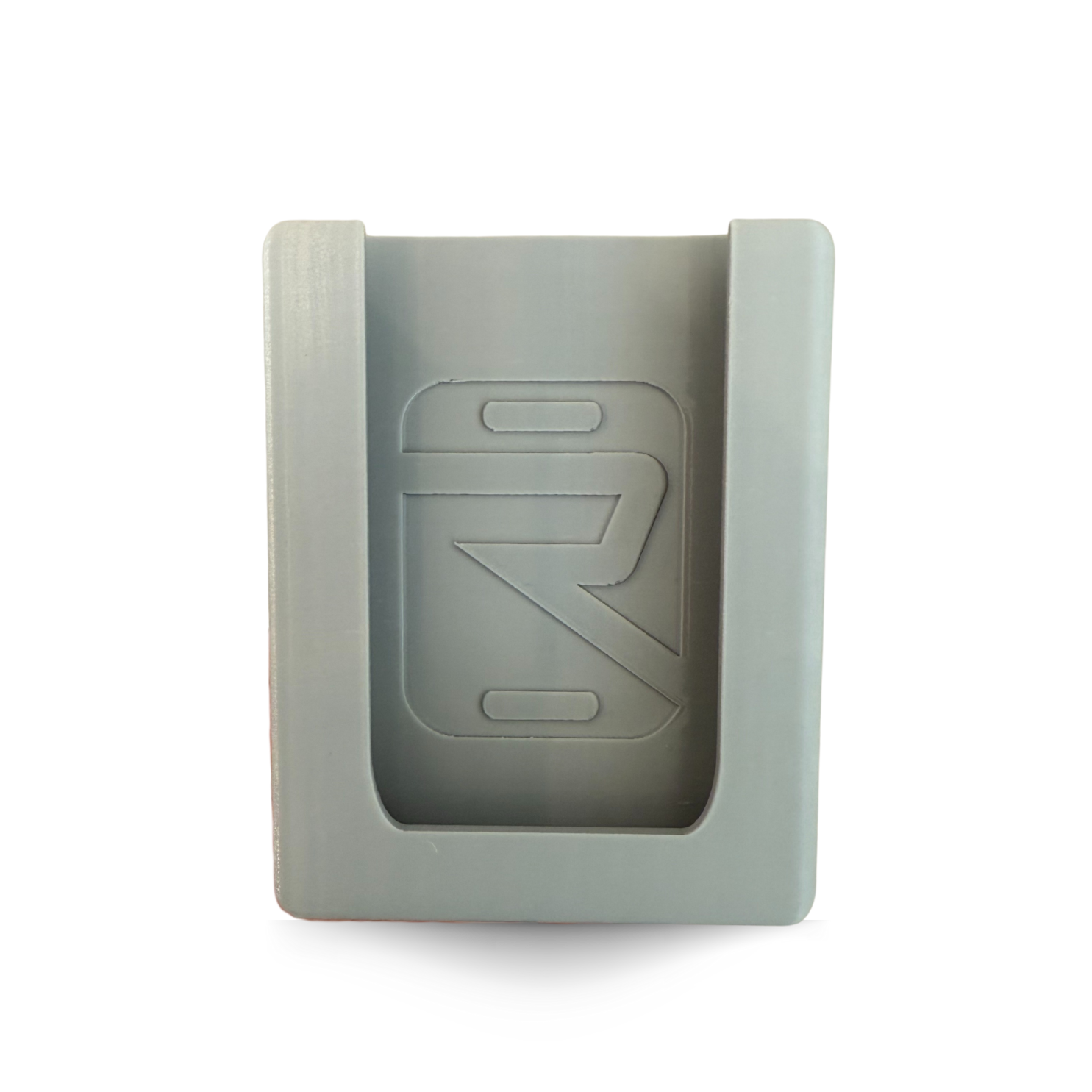
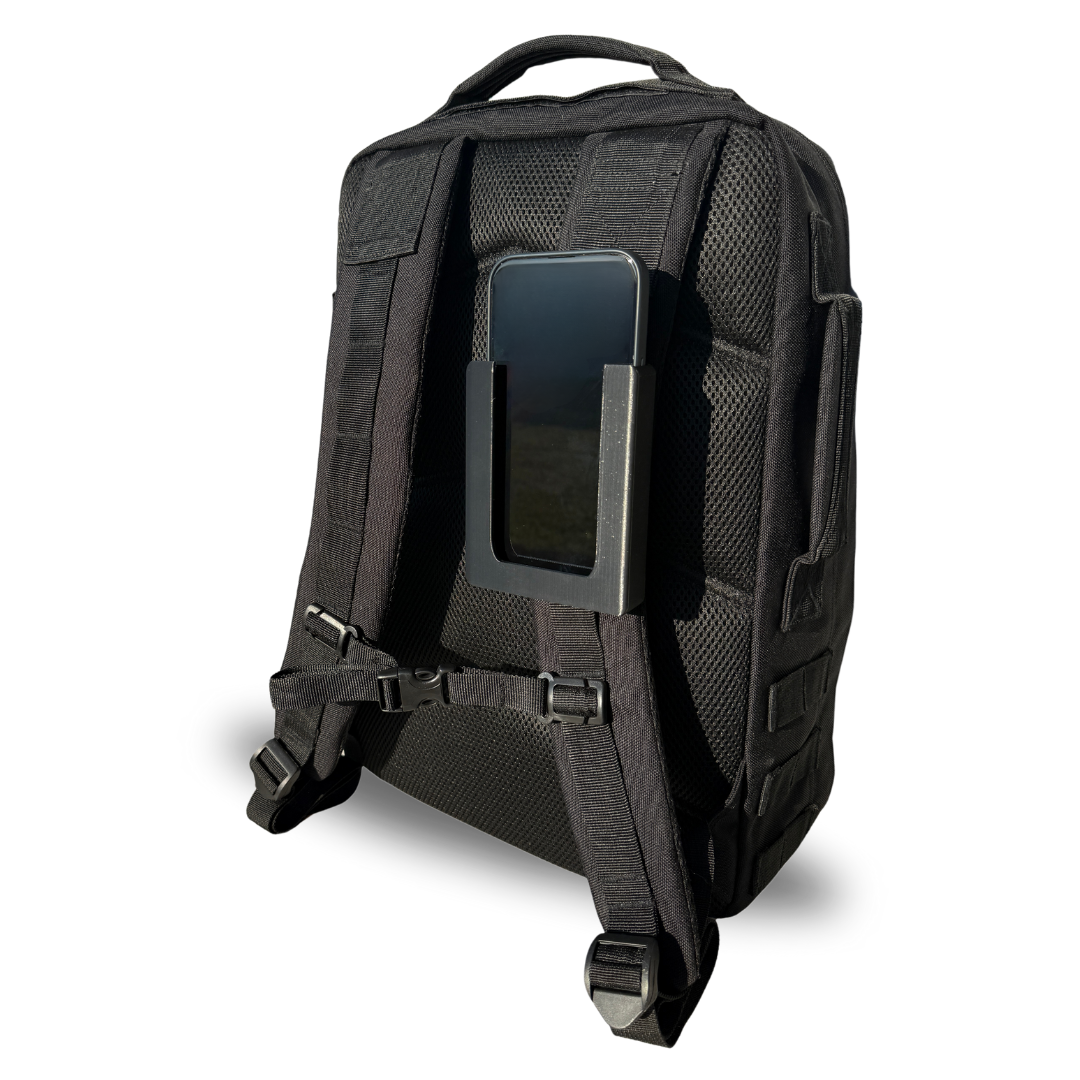
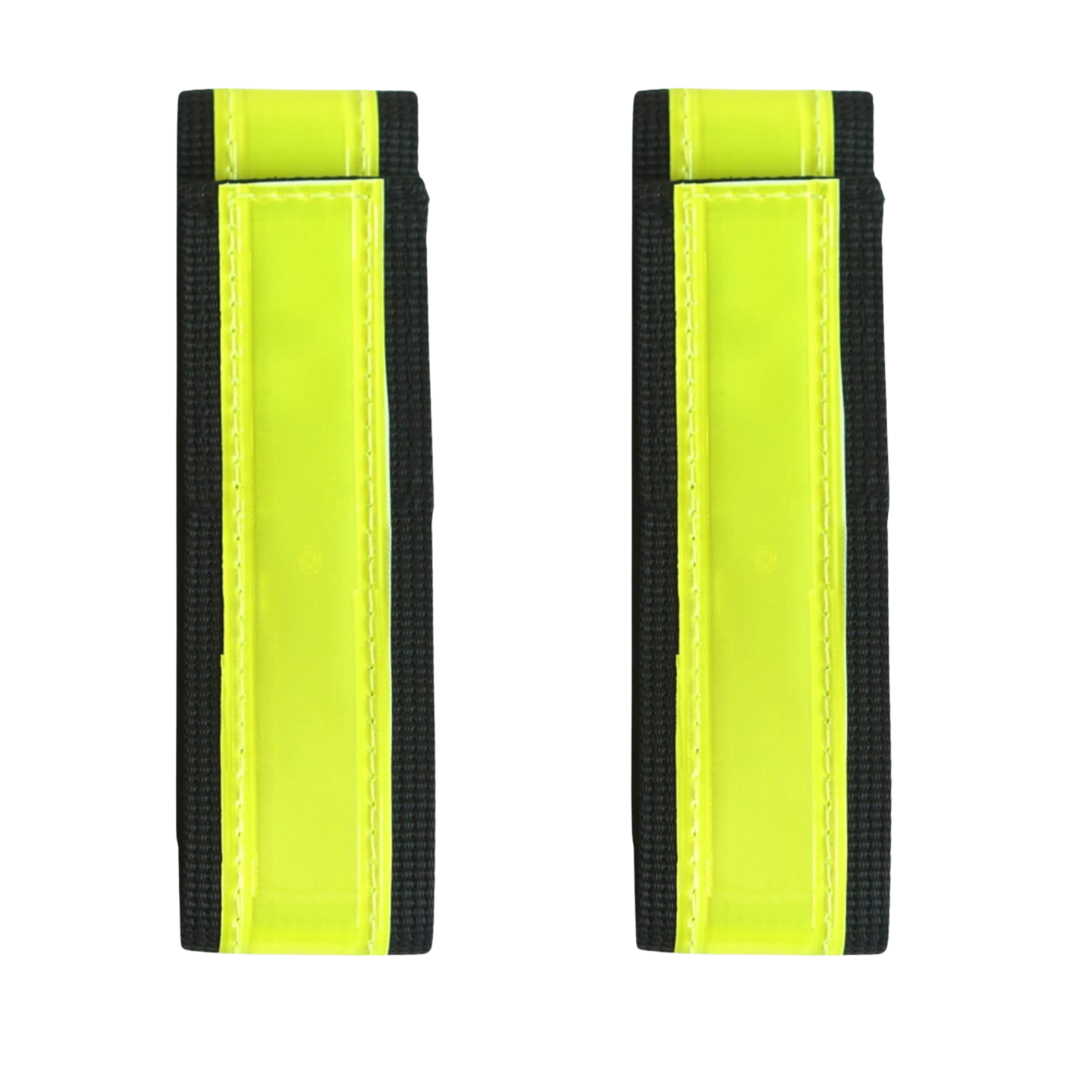
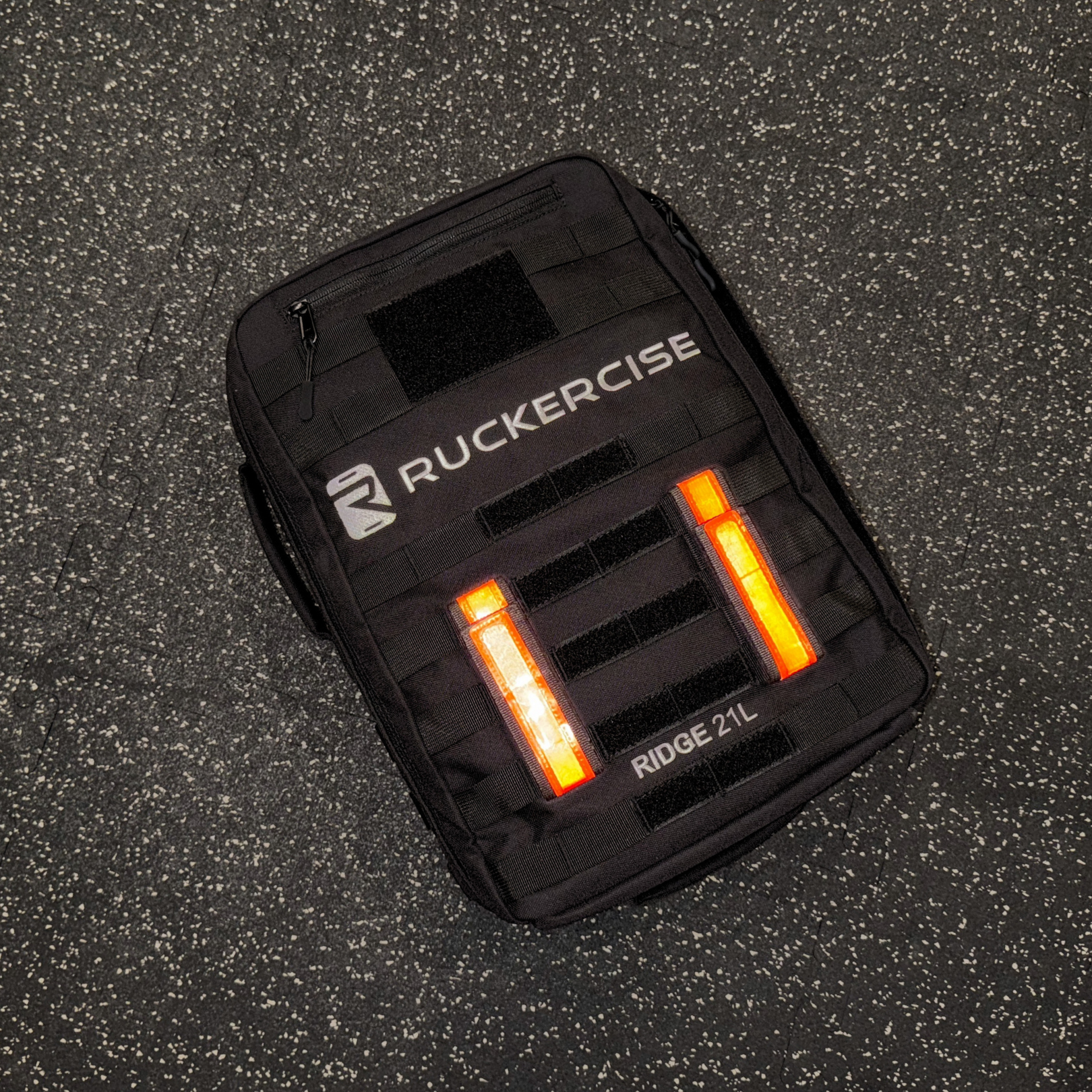
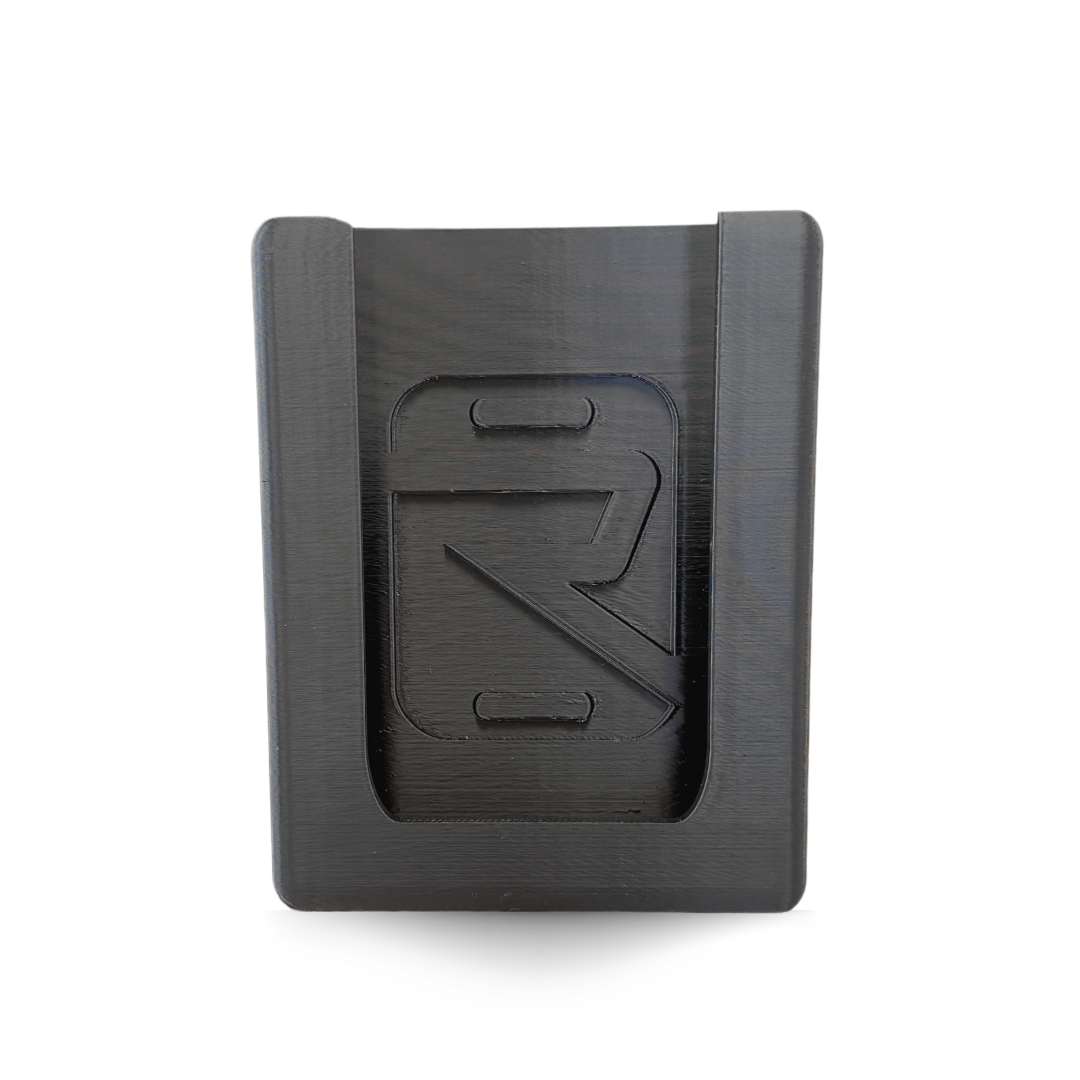
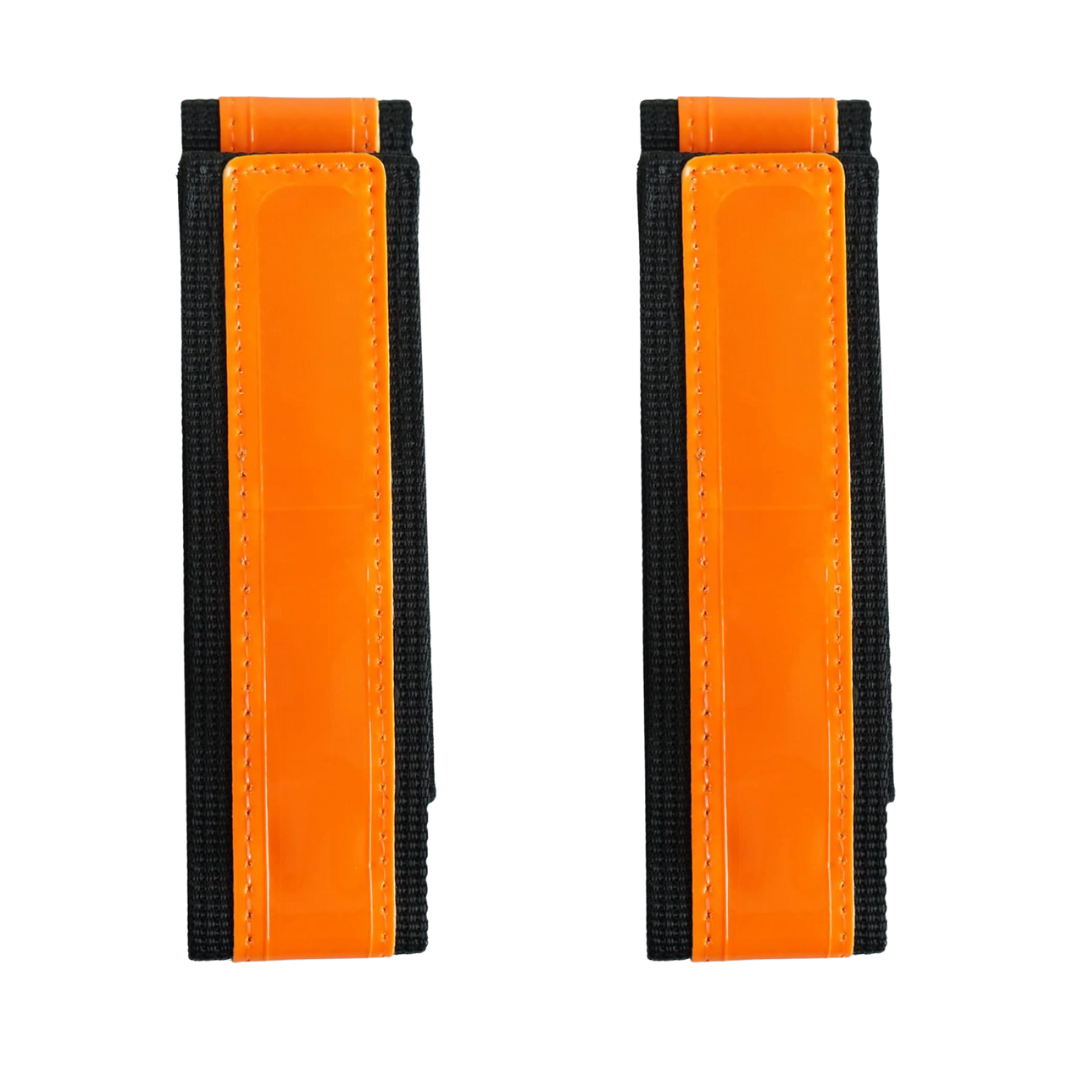
A sturdy top handle lets you lift and swing a loaded pack onto your back without yanking on a shoulder strap. Side handles help when you carry the pack in front for carries or station work. MOLLE webbing on the outside lets you clip on a phone holder, reflective bands or a small pouch without opening the main compartment.
What doesn't matter as much as you think
- Brand names. Judge the pack against the list above, not the logo.
- Big capacity. See point six. More room means more movement.
- Dozens of pockets. Two or three well-placed pockets beat twelve you never use.
- Military styling. Camo and patches are fine if you like them, but they say nothing about how a pack carries.
- Laptop sleeves. If you want one pack for the office and the trail, make sure the laptop sleeve is separate from the weight pocket, or your plate will share space with your computer.
Sizing and fit
Fit matters more than torso length charts suggest, because a rucking pack rides high. Load it, put it on, and tighten the shoulder straps until the bottom of the pack sits above your beltline. Clip the sternum strap at about armpit height. Then walk. The pack should move with your torso, not against it. If it sways side to side, the weight pocket is too loose or the pack is too big. If you feel the plate's edges, the back panel is too thin. If the straps slide off your shoulders, they are too straight for your frame.
Not sure how much to put in it? The Ruck Weight calculator gives you a starting load from your bodyweight and experience, and the rucking weight chart shows the full progression.
How the Ridge measures up
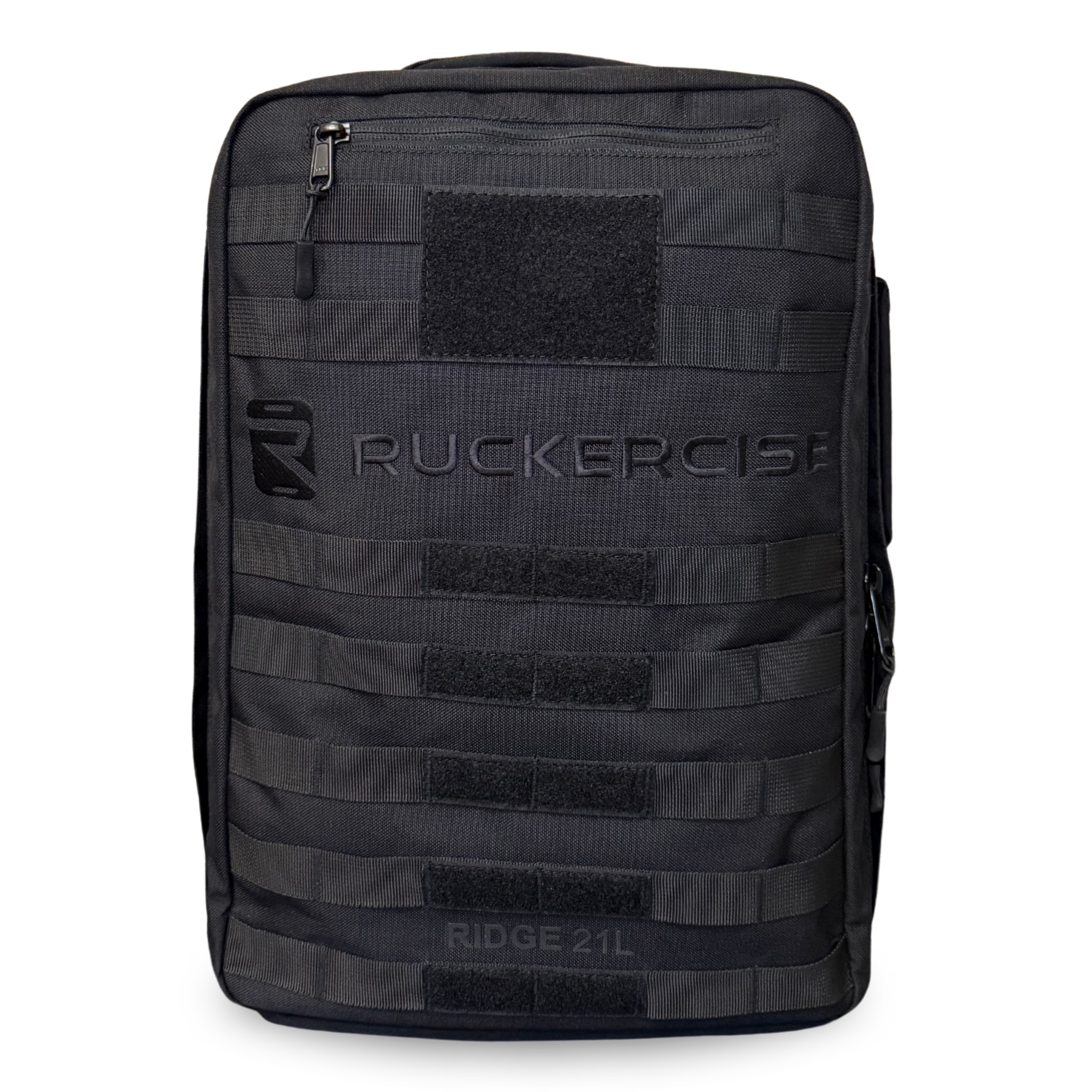
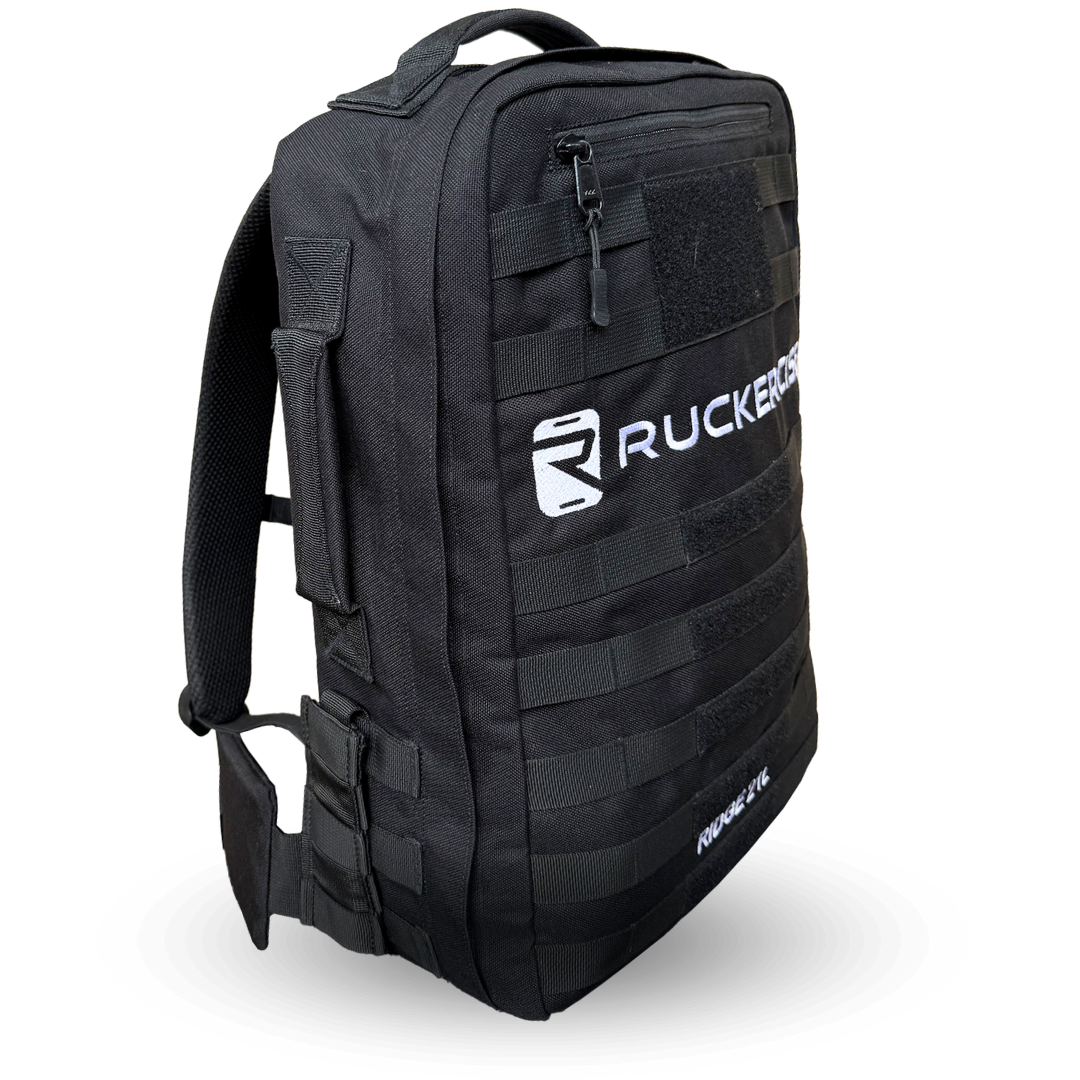
We built the Ridge Rucking Backpack around this list, so it is fair to check it against it. It is 21 litres. It has two weight pockets, one for a short Ruck Weight and one for a long one, so you can run them together. The back panel and shoulder straps are double padded, there is a sternum strap, and it is hip-belt compatible with our padded belt. Inside there is a hanger ring for a hydration reservoir and a port for the tube. Outside there are handles on the top and sides, MOLLE webbing for accessories and a Velcro panel for patches. It comes in Black and Coyote Brown at $150, and it is rated 4.96 out of 5 across 24 reviews at the time of writing.
Who it is not for: if you want a 40-litre pack for overnight trips, or a pack built mainly around a laptop, there are better choices. If you want a pack that carries a plate properly for an hour on the road or the trail, that is exactly what it is for. The Complete Rucking Bundle pairs it with a Ruck Weight and the hip belt so you can start the day it arrives.
Keep reading
- Weighted backpack vs. weighted vest: which is better for walking?
- How much weight should you ruck with? A chart by bodyweight
- How to ruck properly: gear, form and pace
- What is rucking?
New to rucking? Begin with the Start Rucking guide.