Guides and how-tos for rucking gear: what to look for in a rucking backpack, how to choose ruck plates and weights, when a hip belt is worth it, and the footwear and accessories that keep longer rucks comfortable. Written by the team behind the Ridge rucking backpack.
What a backpack has to do with 30 lb of iron inside it: the eight features that matter, the ones that do not, and how to check the fit.

Gear & Guides
Rucking Gear Guides: Backpacks, Ruck Plates, Hip Belts and Accessories
The right rucking gear makes walking with weight comfortable instead of punishing. This is the Ruckercise guide library for rucking backpacks, ruck plates and weights, hip belts, footwear and accessories: what to look for, how to set it up, and how to get more out of the gear you already own.
How to Choose a Rucking Backpack
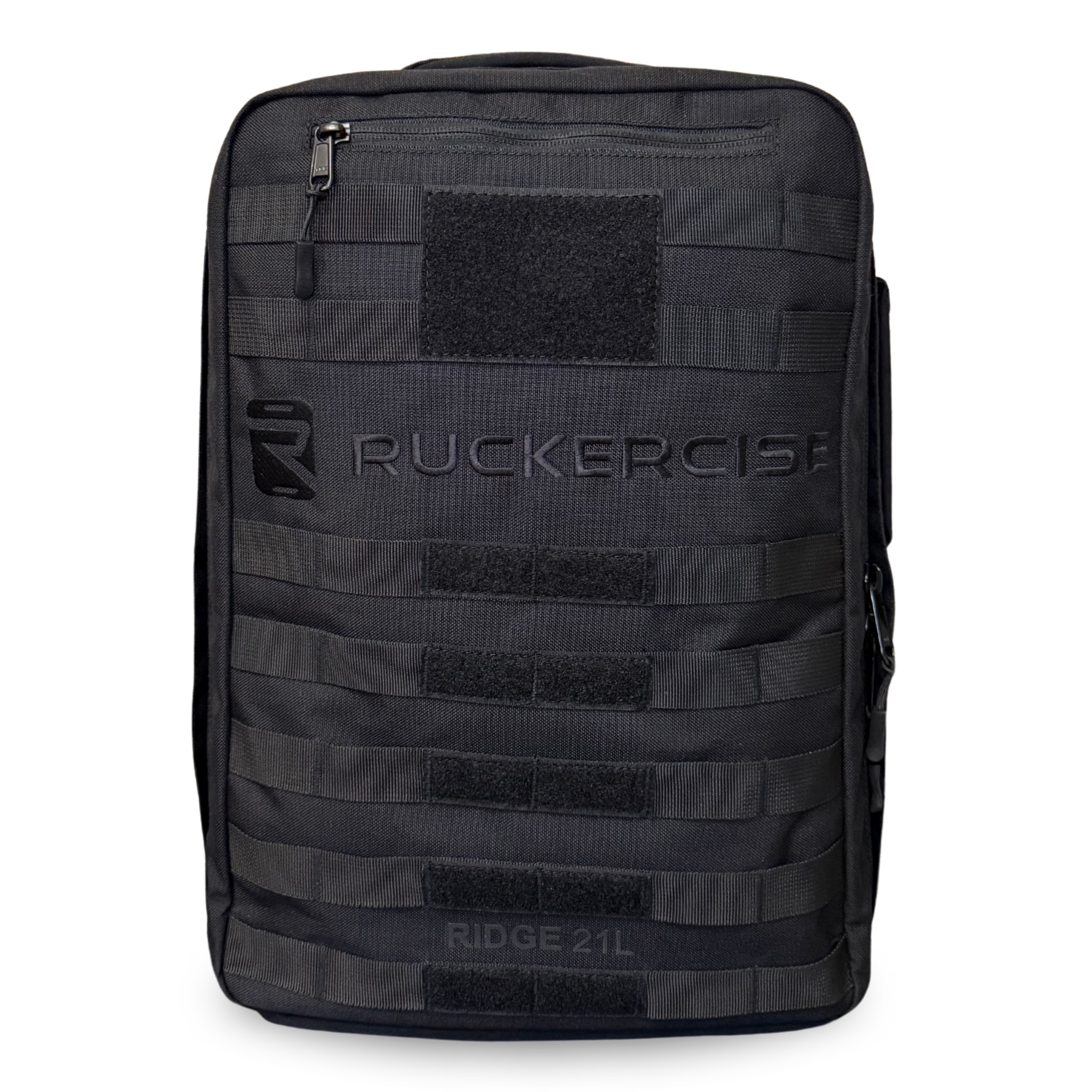
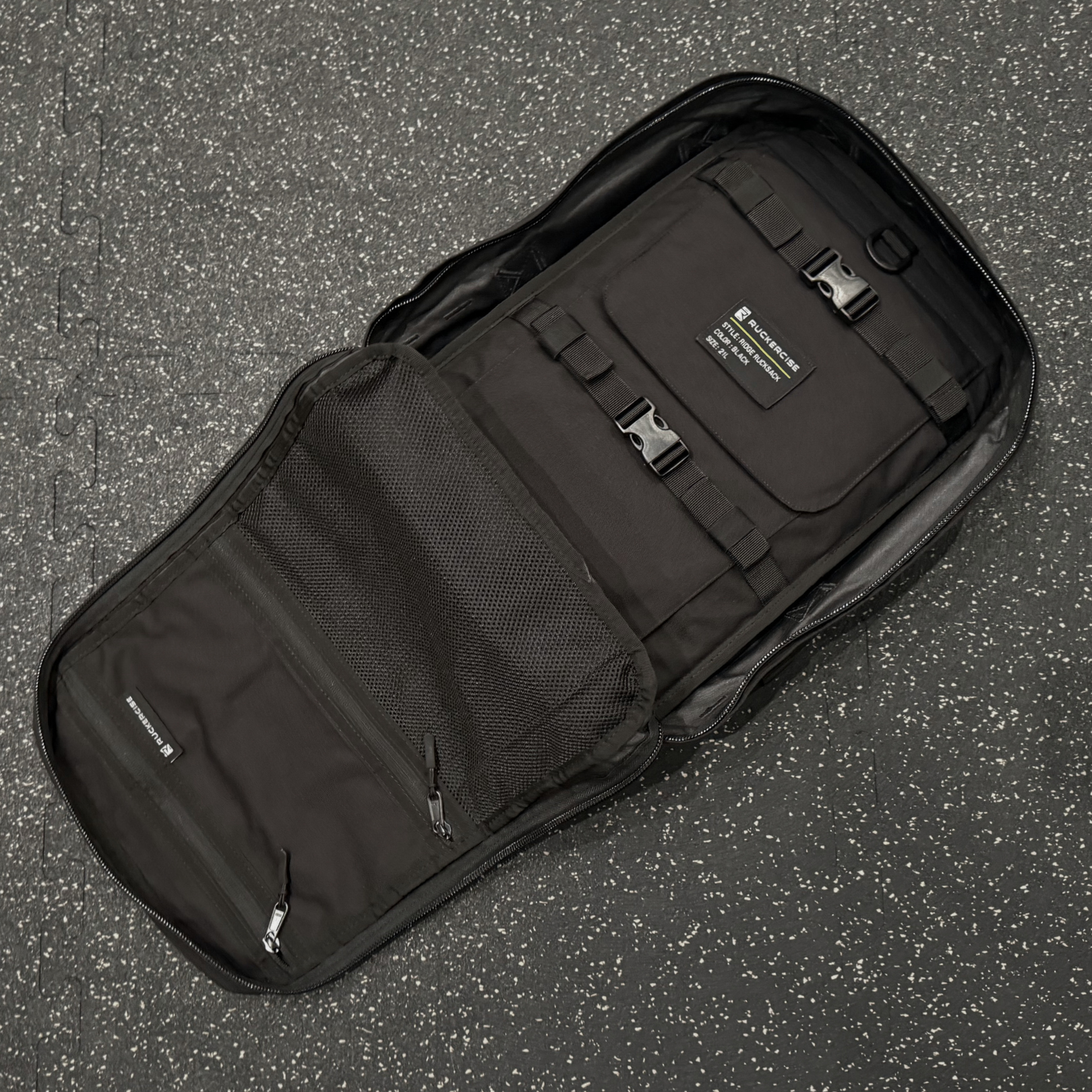
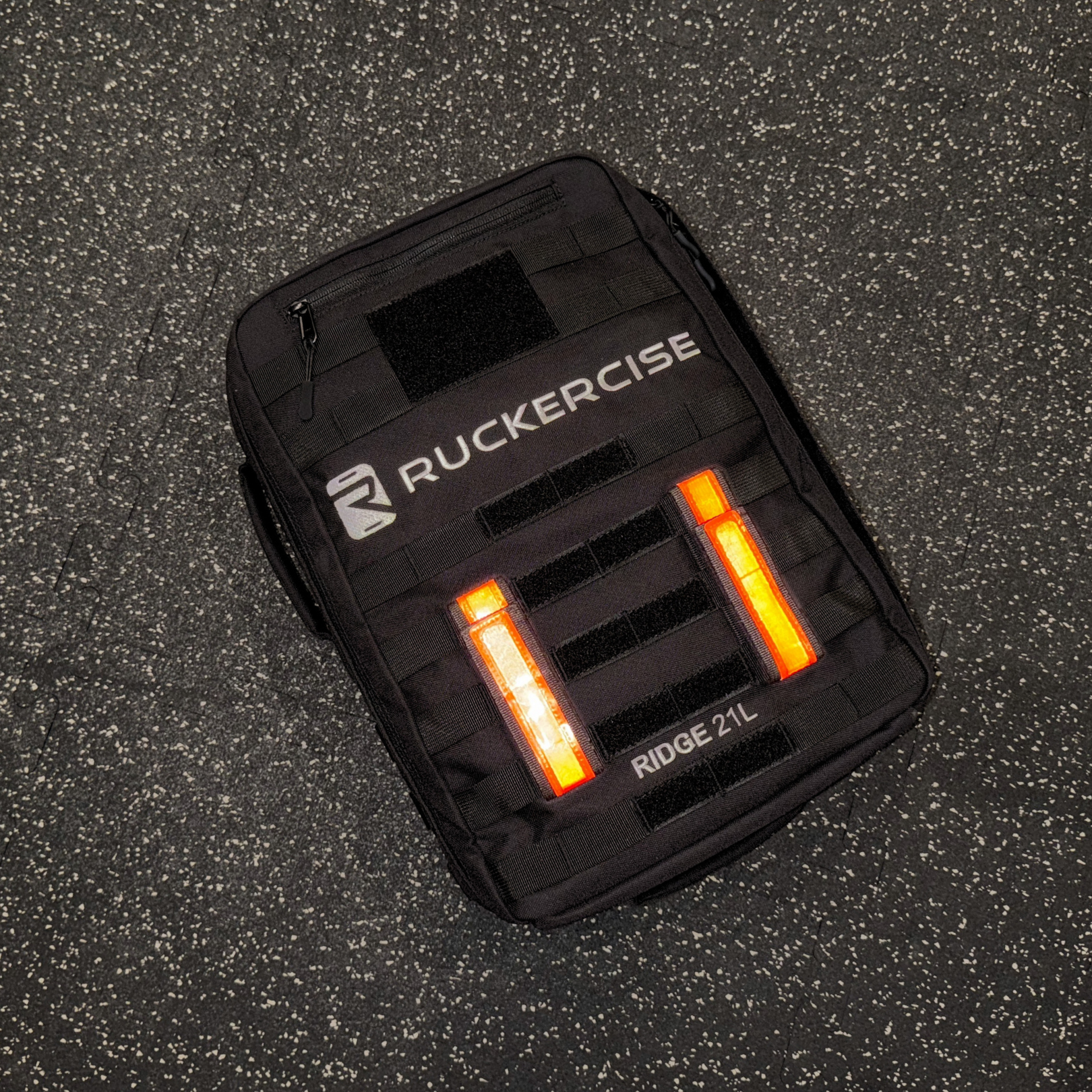
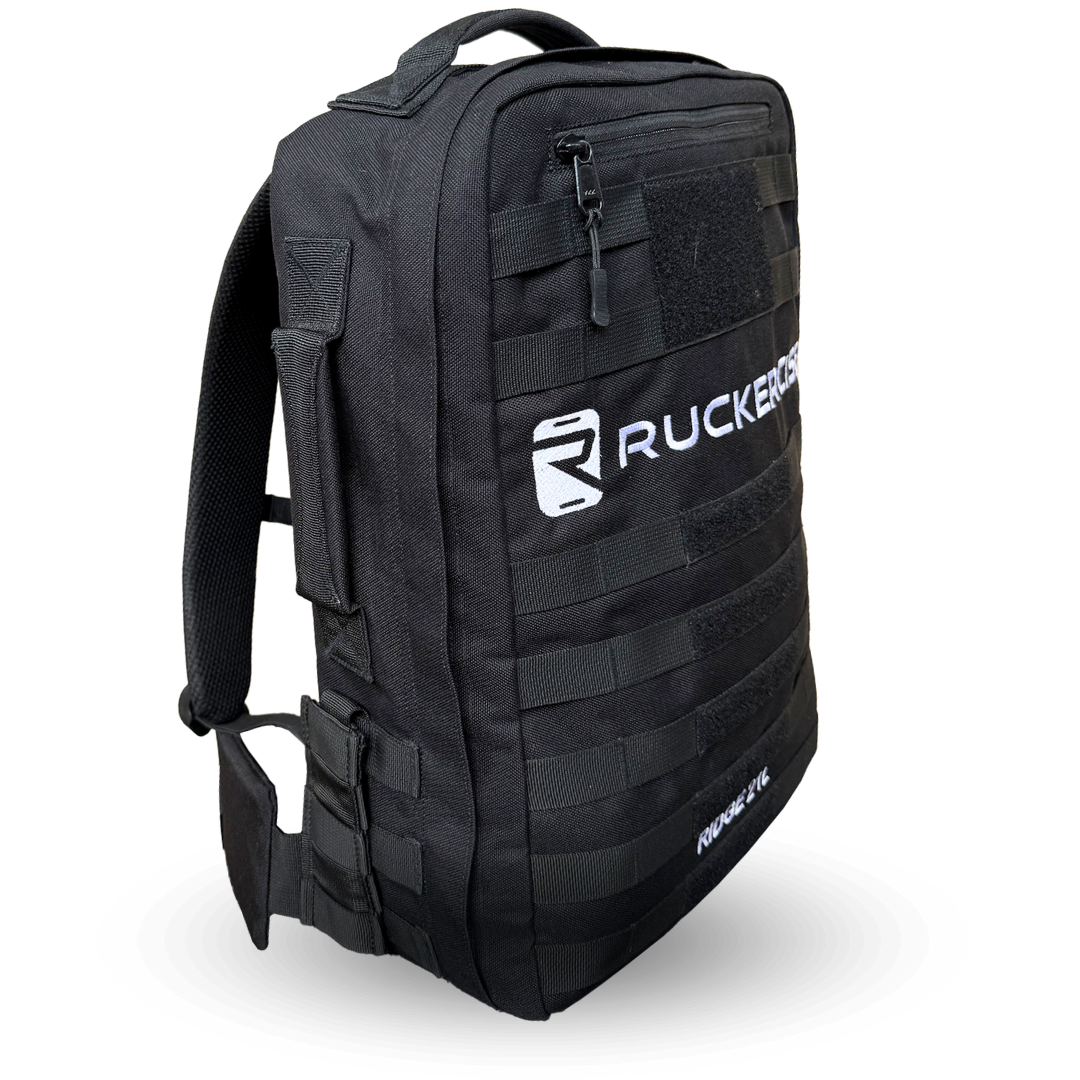
A rucking backpack is not a hiking pack with weight thrown in. The features that matter are a dedicated plate pocket that holds the load high and close to your spine, abrasion-resistant 1000D Cordura, padded contoured shoulder straps, a breathable padded back panel, hip-belt compatibility and MOLLE webbing for accessories. The Ruckercise Ridge 21L was designed around exactly those requirements. If you are just getting started, the beginner rucking backpacks collection is the place to begin.
Ruck Plates and Rucking Weights
Cast iron ruck plates are the cleanest way to load a pack: they are compact, they sit flat against your back and they do not shift the way sandbags, dumbbells or water bottles do. Most ruckers start with a 10 lb or 20 lb plate and add a second plate as they progress. Not sure where to start? The Ruck Weight Calculator gives you a starting load based on your bodyweight and experience.
Hip Belts and Weight Distribution
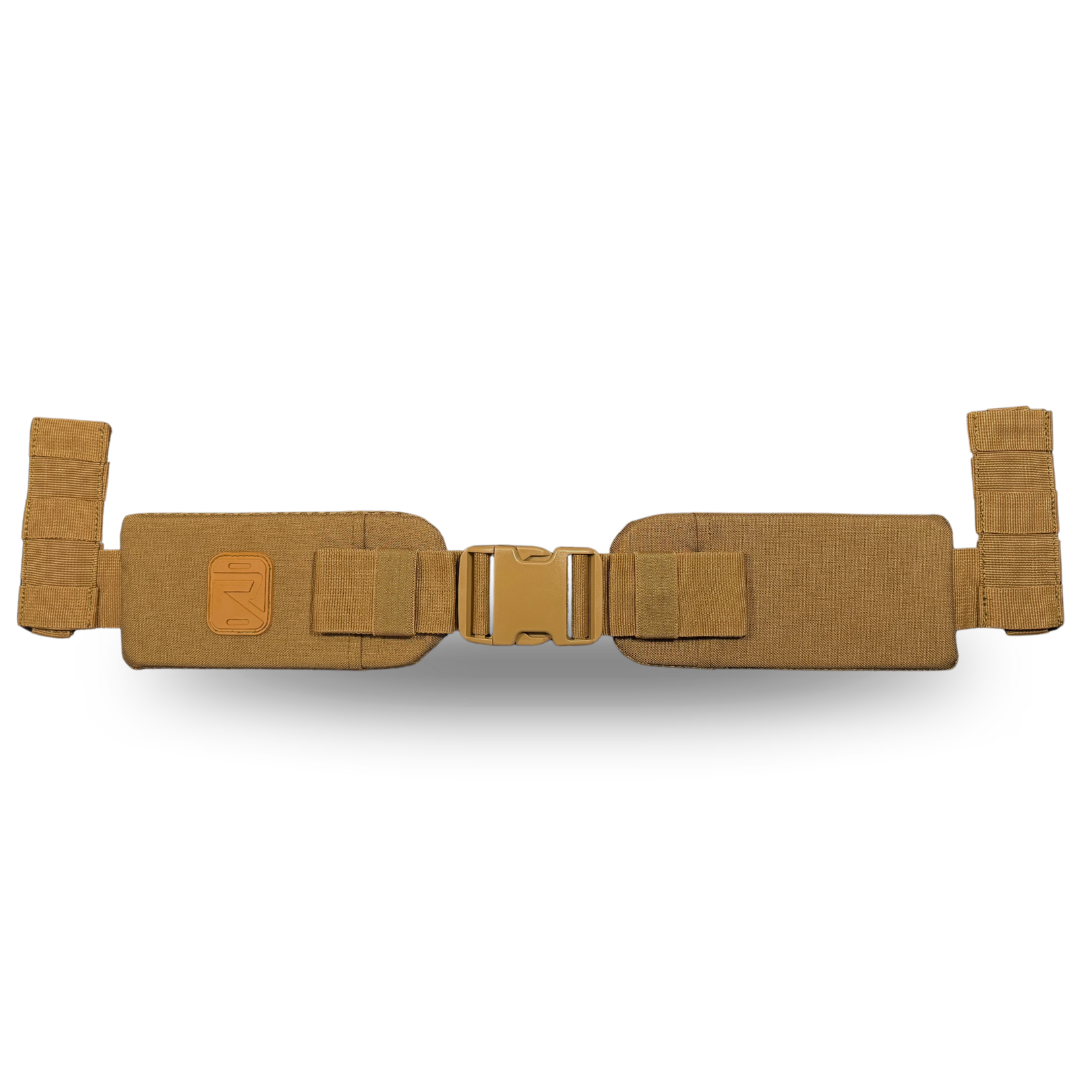
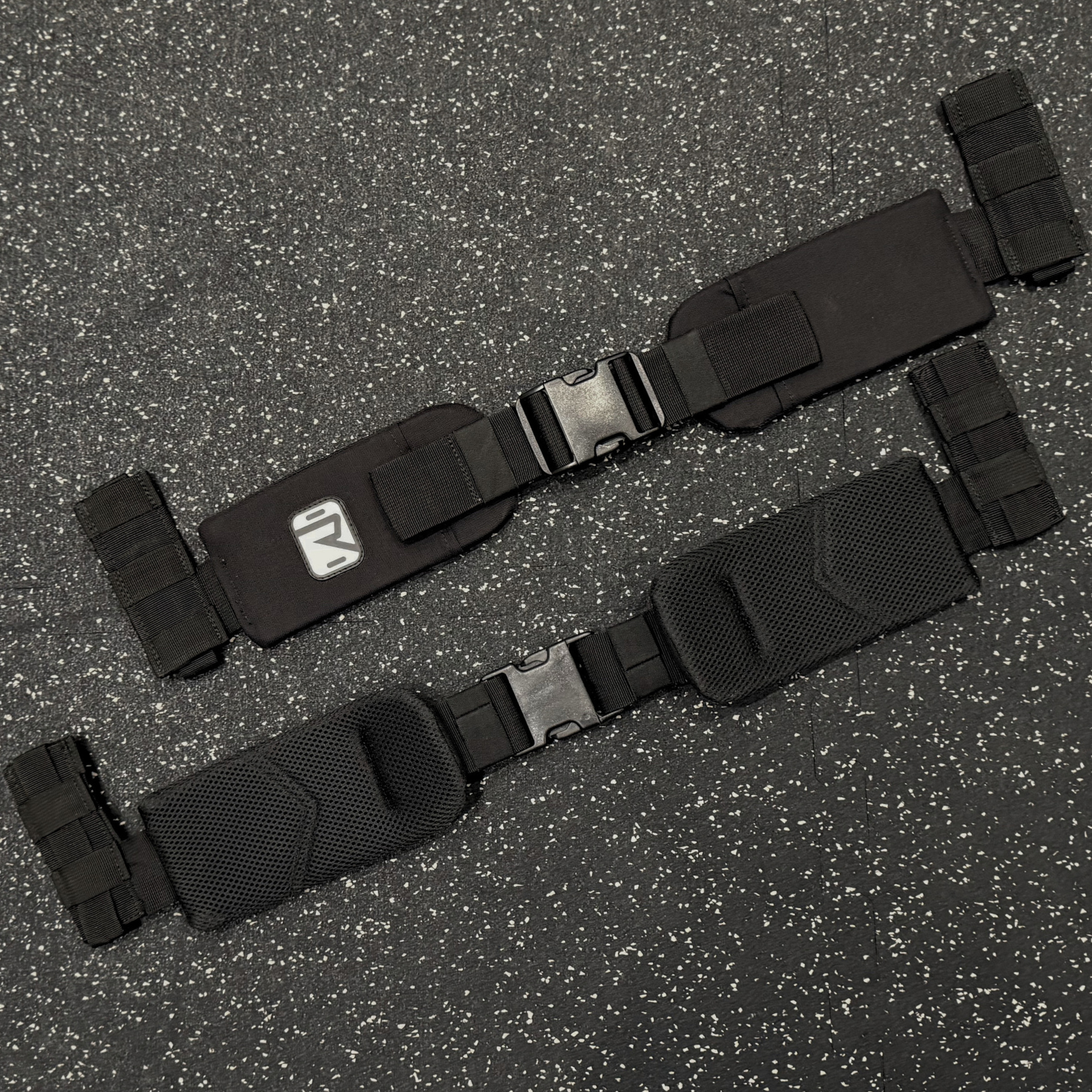
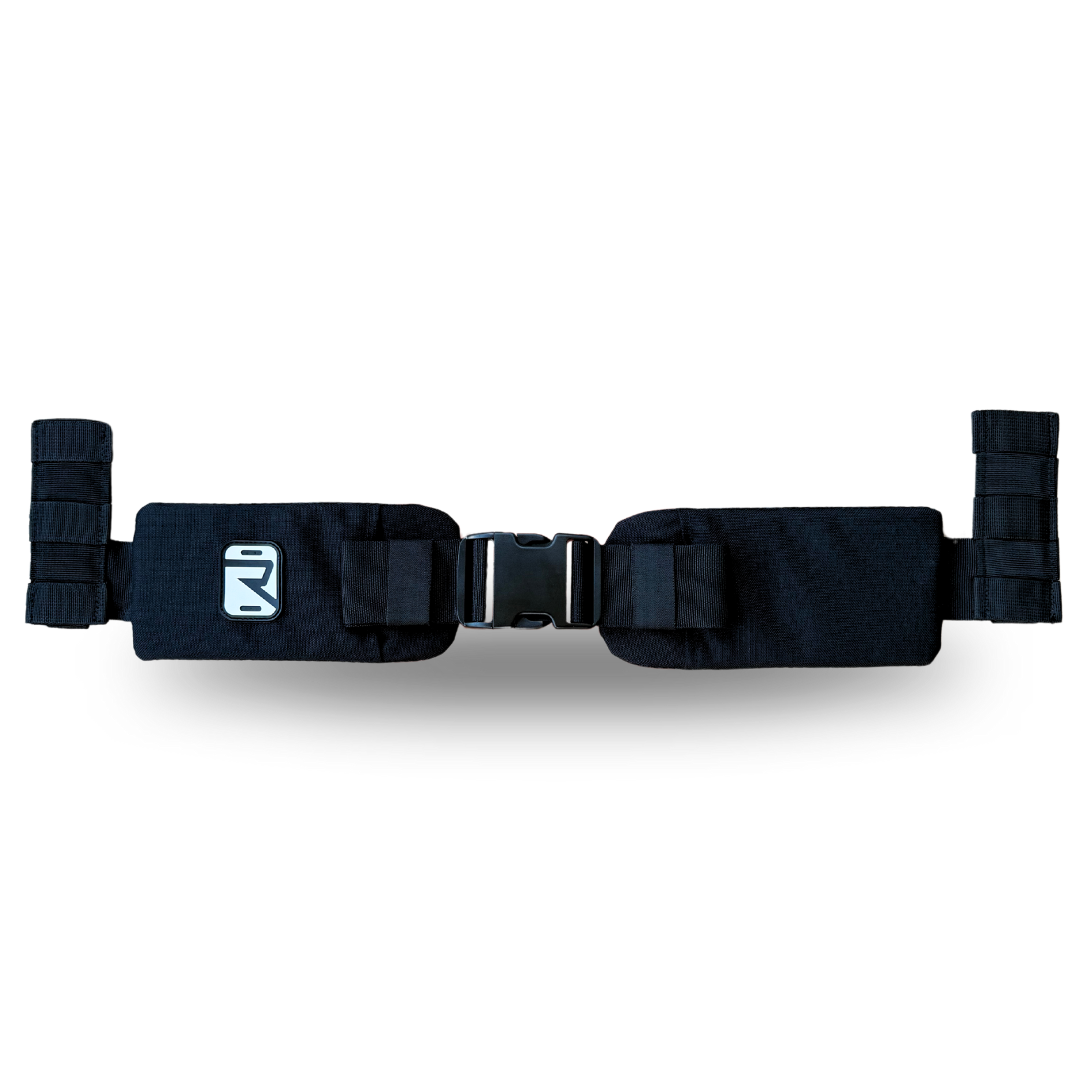
Once you are carrying 20 lb or more, a rucking hip belt changes everything. It transfers load from your shoulders to your hips, reduces fatigue on longer rucks and keeps the pack from bouncing. Our hip belt is designed to pair with the Ridge backpack and is available in the rucking accessories collection.
Footwear, Socks and Accessories for Rucking
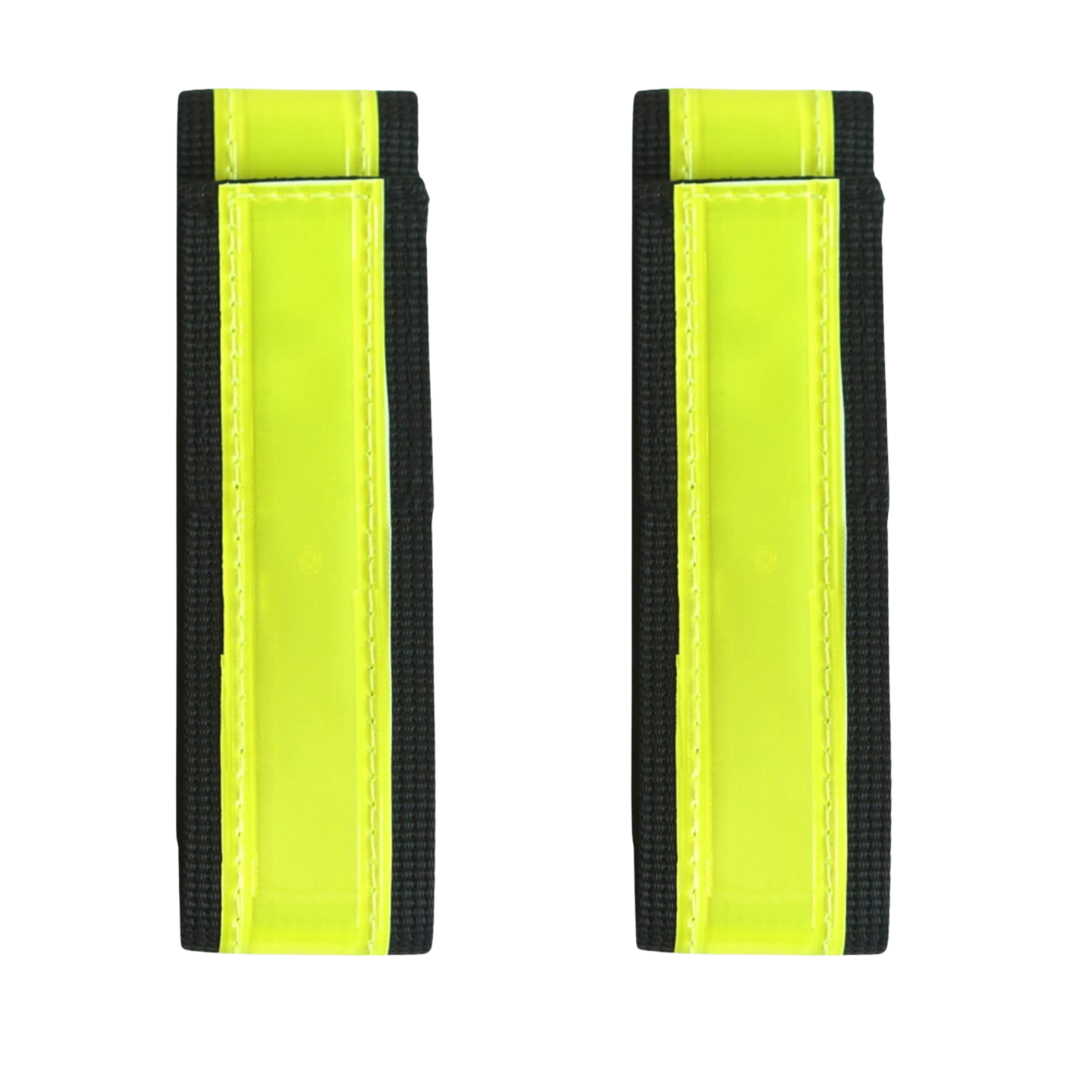
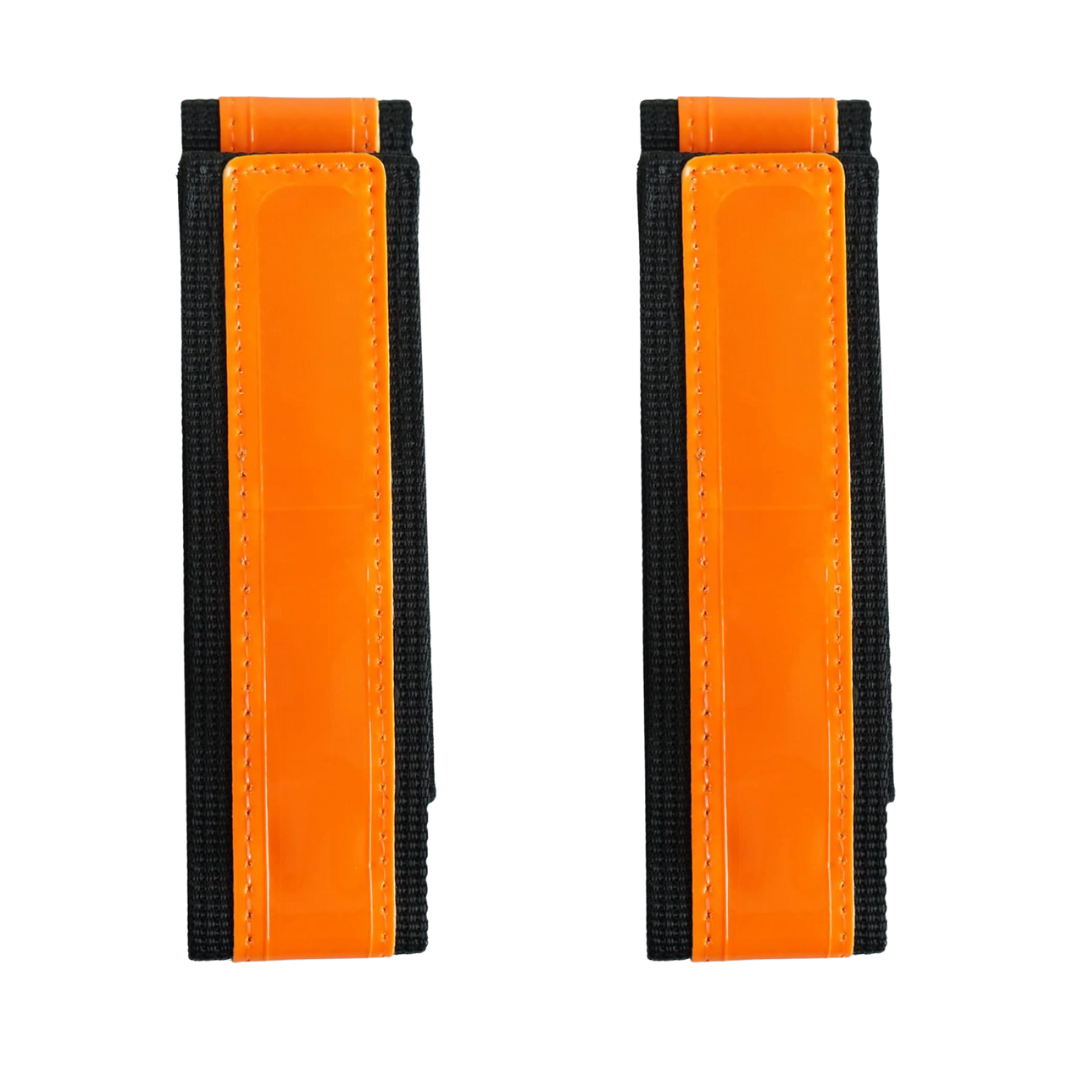
Good rucking shoes or boots need a stable sole and enough support for extra load; trail runners work for shorter, lighter rucks while boots suit heavier loads and rough ground. Add moisture-wicking socks to prevent blisters, a hydration bladder for anything over an hour, and reflective bands for early-morning or evening rucks. Browse rucking accessories for the add-ons we recommend.
Rucking Backpack vs Weighted Vest
A weighted vest spreads load across the torso; a rucking backpack keeps it on your back and scales to far heavier weights. For most people who want to walk with weight, the backpack wins on comfort, capacity and versatility. Read the full rucking backpack vs weighted vest comparison before you decide.
Want everything in one box? Our rucking bundles pair a Ridge backpack with plates and accessories so you can start rucking the day it arrives.